Last updated November 18, 2026
Free written scope consultation - allowances, timeline, and change-order rules on paper before a single trade is scheduled
Construction Permits, Codes & Inspections in CA: What You Need to Know
Here’s the part most online guides get wrong: the 2022 California Building Code is not the code an inspector enforces at a Costa Mesa jobsite. The state sets the floor, Orange County amends it, and the City of Costa Mesa layers its own local amendments on top, modifying at least eleven sections that affect seismic strapping, egress window sizing, and ADU setbacks. Work that passes the state baseline can still fail the local overlay. This guide walks you through the actual stack of authority so you know which code wins when they conflict, what each inspection requires, and where homeowners most often get tripped up.
Quick Answer
In California, construction permits and inspections are governed by a three-tier hierarchy: the California Building Code (CBC) at the state level, county amendments (Orange County, for Costa Mesa projects) in the middle, and city-level amendments (Costa Mesa’s local ordinance) at the top. When these conflict, the most restrictive local amendment governs. You need a permit for structural, electrical, mechanical, and plumbing work, and the permit must reflect the local adopted code, not just the state version.
Styles & brands we work with
- Kitchen remodeling
- Bathroom remodeling
- Home additions & ADU
- Roofing
- Windows & doors
- Driveway & pavers
- Fence
Table of Contents
- The Legal Hierarchy: CBC, Orange County, and Costa Mesa
- Which Permits Can Be Pulled Separately and Which Need a Master Permit
- Costa Mesa’s ADU Ordinance vs. AB 2221 and SB 897
- Rough, Framing, and Final Inspections: What Must Be Present
- HERS Rater Requirements for Title 24 Energy Compliance
- How to Pull a Permit in Costa Mesa: Step by Step
- Common Mistakes to Avoid
- Frequently Asked Questions
The Legal Hierarchy: CBC, Orange County, and Costa Mesa
California’s building code system is a stack, not a single document. At the base sits the California Building Code, which is itself an adaptation of the International Building Code with state-specific amendments for seismic, energy, and accessibility requirements. Above that sit Orange County’s amendments, which apply to unincorporated areas and set standards that cities often adopt by reference. At the top of the stack, for any project inside city limits, sit the City of Costa Mesa’s local amendments.
When those three layers conflict, the most restrictive provision wins. That’s the rule to commit to memory. Costa Mesa has adopted local amendments to the CBC that tighten requirements beyond the state baseline in areas including:
- Seismic strapping for water heaters, HVAC equipment, and structural connections, with prescriptive details that differ from the generic CBC language.
- Egress window sizing in bedrooms and basements, where the city’s interpretation of clear opening dimensions can be stricter than the state minimum.
- ADU setbacks and height, which we’ll cover in detail below.
- Fire-resistive construction standards in certain zones near the Santa Ana River corridor and hillside edges.
To find the currently adopted version, start at the City of Costa Mesa’s development services counter. Ask specifically for the “adopted code year” and any local amendments in effect for your project type. The counter keeps a current amendment log, and a five-minute conversation there saves weeks of rework. For homeowners planning a full renovation, our team at Bradford Remodeling Co Costa Mesa walks through the adopted amendments before a single line is drawn.
Which Permits Can Be Pulled Separately and Which Need a Master Permit
In Costa Mesa, trade permits for electrical, mechanical, and plumbing work can often be pulled separately, but only when the work is truly standalone. The moment the trade work is tied to a structural change (moving a wall, adding a beam, changing a roofline), the project requires a master building permit and the trade permits become sub-permits under it. That distinction matters because pulling a trade permit separately against a project that needs a master permit will get flagged at inspection and halted.
Here’s the practical breakdown:
- Standalone trade permits (can usually be pulled separately): panel upgrades, water heater replacements, HVAC changeouts with no ductwork redesign, re-piping, and similar in-kind swaps.
- Master building permit required: any work that alters the structural system, changes occupancy, adds square footage, moves a kitchen or bathroom fixture group more than a set distance, or modifies egress paths.
- Trade permits that must attach to a master permit: electrical for a new kitchen layout, plumbing for a relocated bathroom group, mechanical for a new ducted system tied to a remodel, and anything affecting fire-rated assemblies.
One Costa Mesa-specific note: the city’s permit portal allows online submittal for many trade permits, but structural submittals typically require a plan review appointment. Budget two to four weeks for plan review on a typical kitchen or bath remodel, longer for additions. If you’re planning a kitchen in the Eastside or Mesa Verde neighborhoods and want the permit path squared away up front, our Kitchen Remodeling in Costa Mesa guide covers the sequencing in detail.
Costa Mesa’s ADU Ordinance vs. AB 2221 and SB 897
Costa Mesa’s ADU ordinance tracks state law closely, but it departs from AB 2221 and SB 897 in three specific areas that tripped up homeowners in 2023 and 2024. Understanding where the city’s rules are stricter and where they’re more permissive is the difference between an approved permit and a plan-check rejection.
Where Costa Mesa aligns with state law: the city cannot impose minimum lot size requirements on ADUs, must approve certain ministerial ADU applications within 60 days, and cannot require parking for ADUs within half a mile of transit. SB 897’s height allowance (up to 16 feet for detached ADUs near transit) applies here.
Where Costa Mesa departs:
- Setbacks for detached ADUs: the city requires 4-foot side and rear setbacks for most detached ADUs, but the interpretation of “rear yard” on corner lots and flag lots has caused rejections. Confirm the rear-yard determination before submitting.
- Height for attached ADUs: Costa Mesa’s interpretation of the 16-foot height allowance for attached ADUs has been stricter than the state floor in some R-1 zones, particularly on sloped lots in the Westside hills.
- Owner-occupancy and short-term rental restrictions: the city enforces short-term rental prohibitions on ADUs more strictly than the state minimum, and code enforcement actively monitors listing platforms.
If you’re planning an ADU, bring the current ordinance to the pre-application meeting and ask the planner to confirm which amendments apply to your specific lot. Get the answer in writing.
Rough, Framing, and Final Inspections: What Must Be Present
Inspectors work from a checklist, and the fastest way to avoid a re-inspection fee (which in Costa Mesa runs in the low hundreds per visit) is to know exactly what each inspection stage requires to be visible. Here’s what an inspector will be looking for at each phase:
Rough Inspection
Rough inspection happens before drywall and before any concealment. The inspector must be able to see electrical rough-in (boxes, wire routing, nail plates, box fill), plumbing rough-in (drain slopes, venting, water supply pressure testing), and mechanical rough-in (duct routing, equipment clearances, combustion air). Any wall, ceiling, or floor that will enclose this work must remain open. Get the rough inspection signed off before insulation goes in.
Framing Inspection
Framing inspection verifies structural elements before they’re covered: stud spacing, header sizes and connections, shear wall nailing patterns, hold-downs, anchor bolts, and any structural hardware specified on the plans. In Costa Mesa, seismic hardware is scrutinized closely. Every strap, tie, and hold-down must be installed per the approved plans, with the manufacturer’s markings visible. If a Simpson Strong-Tie connector has been painted over or a nail pattern is off, expect a correction notice.
Final Inspection
Final inspection confirms every sub-permit has been signed off, all corrections are cleared, Title 24 compliance documentation is on site, and the work matches the approved plans. Smoke and carbon monoxide detectors must be in place and tested. Any gas appliance must show a leak test. The inspector will compare the finished job against the stamped plans, so any field change made without an approved revision can fail the final.
We’ve seen final inspections bounce in Costa Mesa for something as small as a missing HERS verification certificate, which leads us to the next section.
HERS Rater Requirements for Title 24 Energy Compliance
Title 24 energy compliance is verified two ways: by the contractor’s own field verification (when allowed), and by a third-party HERS (Home Energy Rating System) rater. The requirement depends on the scope and the compliance path chosen on the Title 24 report.
When a third-party HERS rater is mandatory:
- Duct leakage testing on any altered or new duct system.
- Building envelope sealing verification on new construction and major alterations.
- Quality insulation installation grading when the compliance path requires it.
- HVAC refrigerant charge verification after any split-system installation or major changeout.
- Whole-house fan and mechanical ventilation airflow verification.
When self-verification by the contractor is allowed: certain prescriptive compliance paths for limited-scope alterations (window replacements meeting U-factor and SHGC requirements, for example) don’t trigger a HERS rater visit. But if your project combines scope items, the compliance path often shifts to performance-based and the HERS requirement attaches.
The HERS certificate must be submitted to the building department before your final inspection. Schedule the rater early; the queue in Orange County can run two to three weeks during peak season. If your contractor is assembling the compliance paperwork, the choice of brands and specifications matters: we document the manufacturer specs on products like Cambria quartz surfaces and Kohler plumbing fixtures so the Title 24 report and the installed materials match at final.
How to Pull a Permit in Costa Mesa: Step by Step
If you’re the homeowner pulling the permit yourself (as opposed to hiring a licensed contractor), here’s the actual sequence the city expects:
- Confirm the project scope against the permit matrix. Ask the development services counter whether your work requires a building permit, a trade permit, or both.
- Prepare plans and documentation. Structural plans, Title 24 report, energy compliance forms, and a site plan. Most remodeling projects need all four.
- Submit through the city portal or in person. Structural and multi-trade projects typically require the portal; small trade permits can be handled at the counter.
- Wait for plan review. Two to four weeks for a typical kitchen or bath; longer for additions and ADUs.
- Address corrections. Corrections come back in writing, and each one must be resubmitted with a written response referencing the sheet and detail.
- Pay fees and print the permit. The permit card must be posted on site, visible from the street.
- Schedule inspections in sequence. Rough, framing, insulation, and final. Each must pass before the next can be scheduled.
For bathroom projects specifically, the plumbing and electrical sub-permits attach to the master permit and are inspected alongside. Our Bathroom Remodeling in Costa Mesa page walks through the sequencing we use on shower valve and drain relocations, which is where most re-inspections originate.
Common Mistakes to Avoid
- Treating the CBC as the whole code. The state code is the floor, not the ceiling. Costa Mesa’s local amendments modify at least eleven sections, and submitting plans against the state version alone will trigger corrections.
- Pulling trade permits for structural projects. If the electrical work is tied to a wall move, the trade permit will be flagged at inspection. Pull the master permit first.
- Assuming the ADU setback that worked in 2023 still applies. Costa Mesa’s interpretation of detached ADU setbacks on corner and flag lots has changed. Confirm the rear-yard determination before you submit.
- Covering framing before the framing inspection. Drywall over an un-inspected shear wall will need to come down. Request the framing inspection before insulation.
- Skipping the HERS rater until the end. If the compliance path requires a rater, the certificate must be filed before final. Scheduling the rater late pushes the final inspection.
- Installing materials that don’t match the Title 24 report. Swapping a window or fixture specification mid-project without an approved revision can fail the final. Traceable material documentation, including manufacturer specs on brands like Silestone, Caesarstone, Cambria, and Kohler, prevents this.
- Building without permits on “small” projects. Unpermitted work in Costa Mesa becomes a disclosure problem at resale and a code enforcement referral if a neighbor reports it. The cost to legalize is always higher than the cost to permit.
See the difference
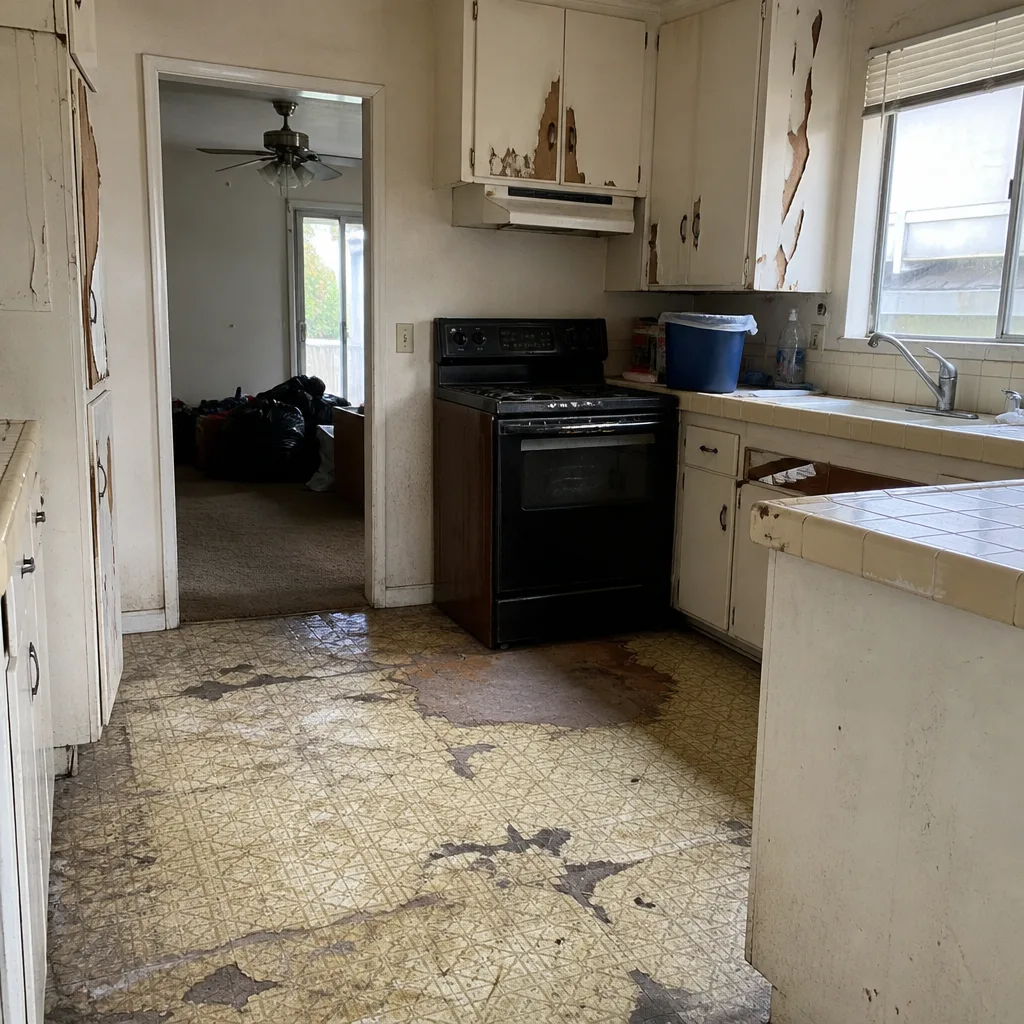 Before
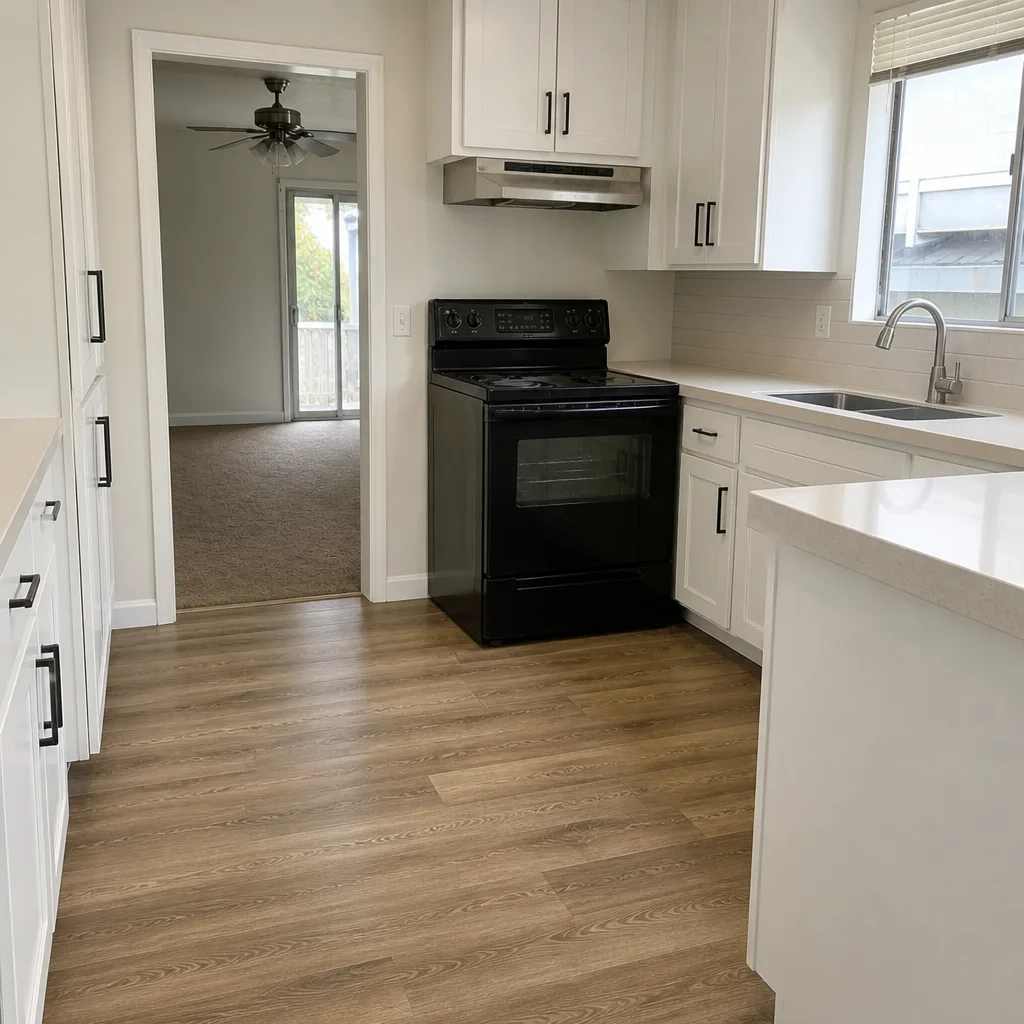 After
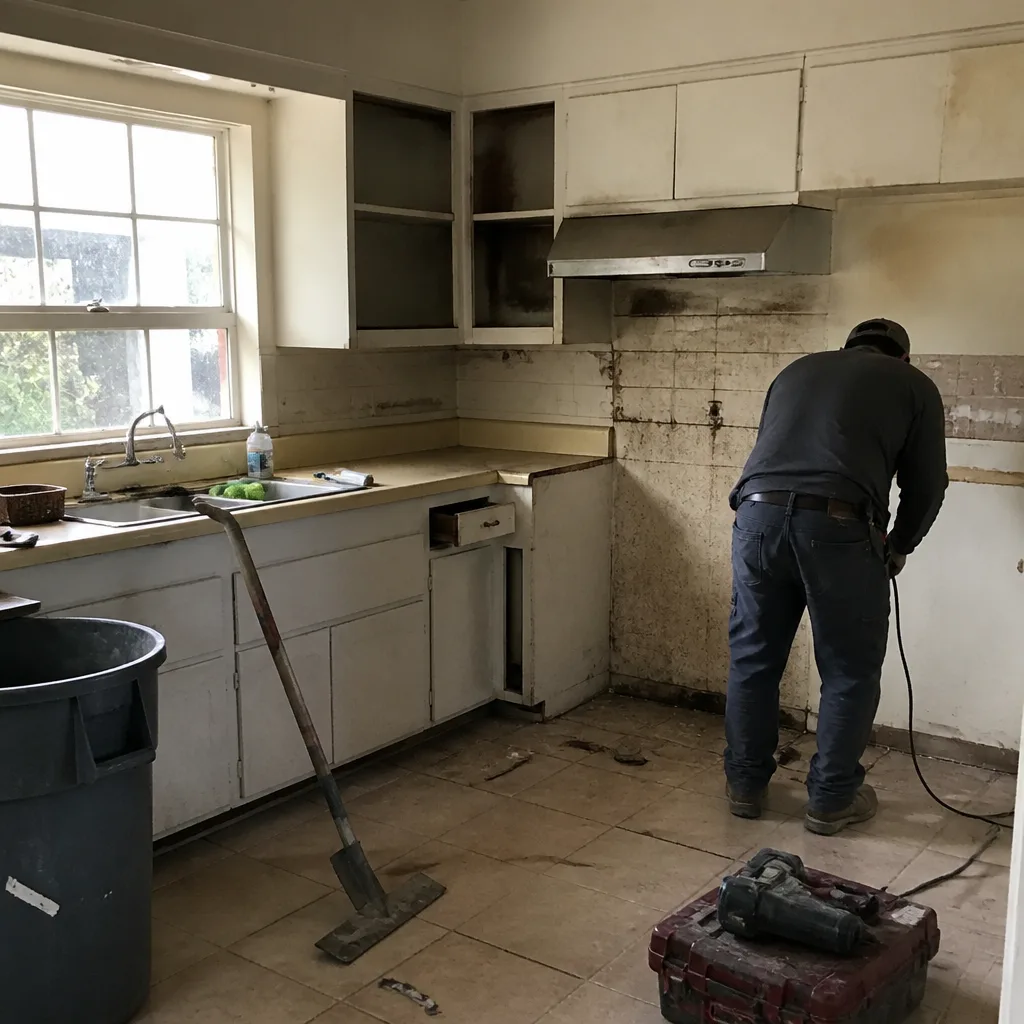 Before
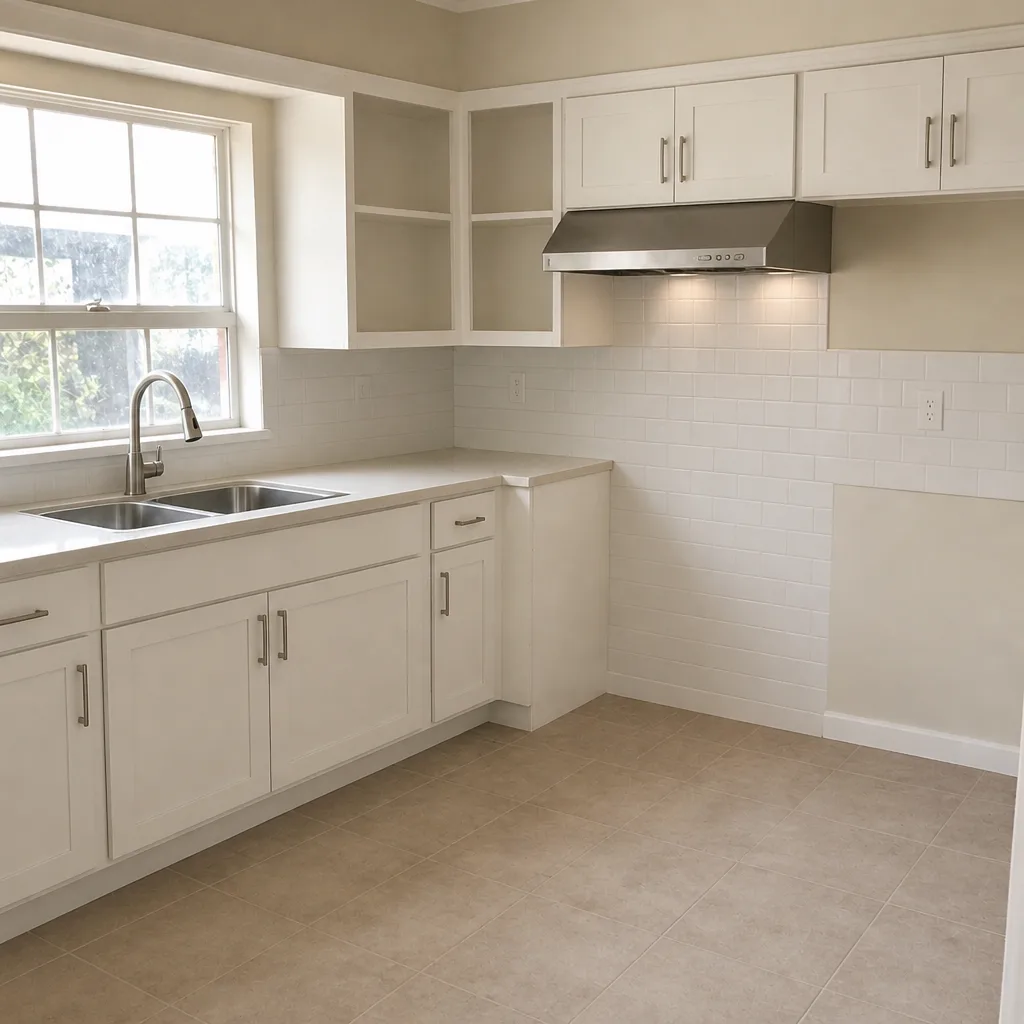 After
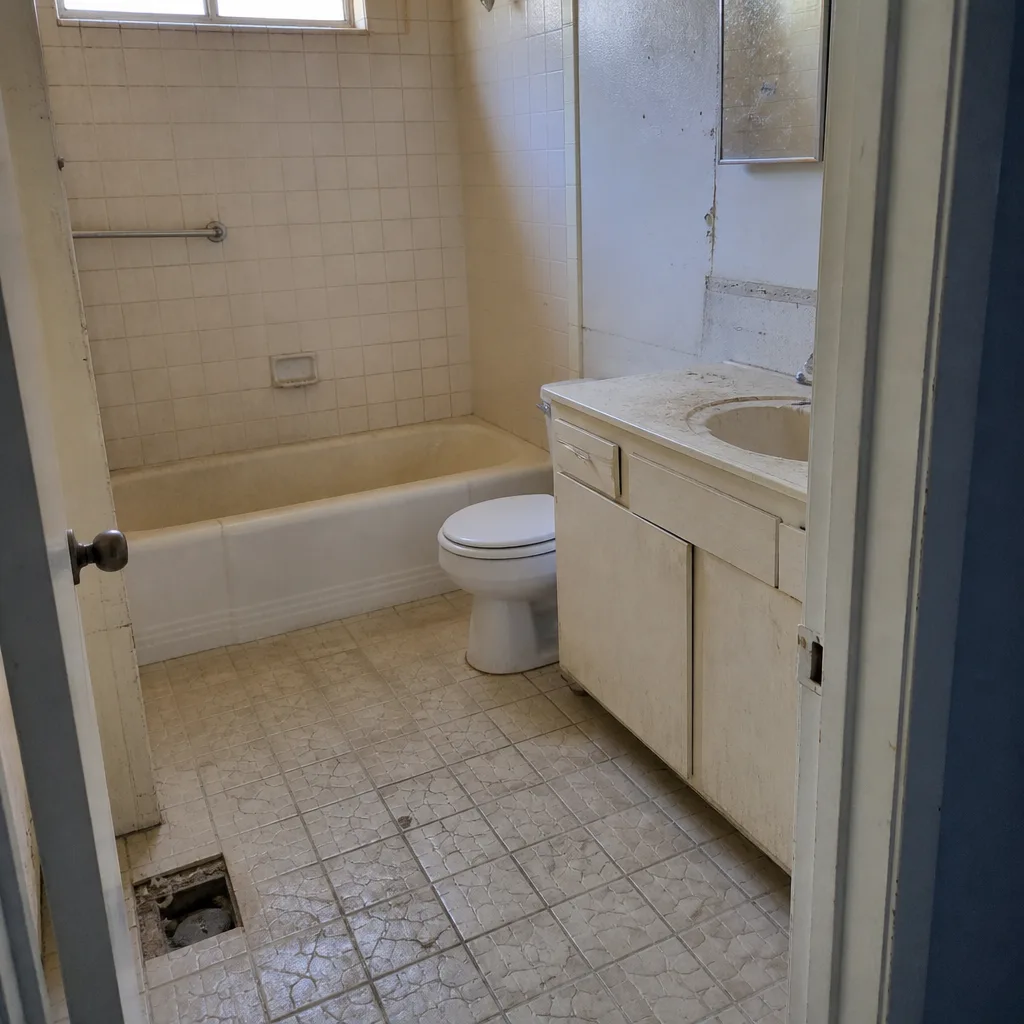 Before
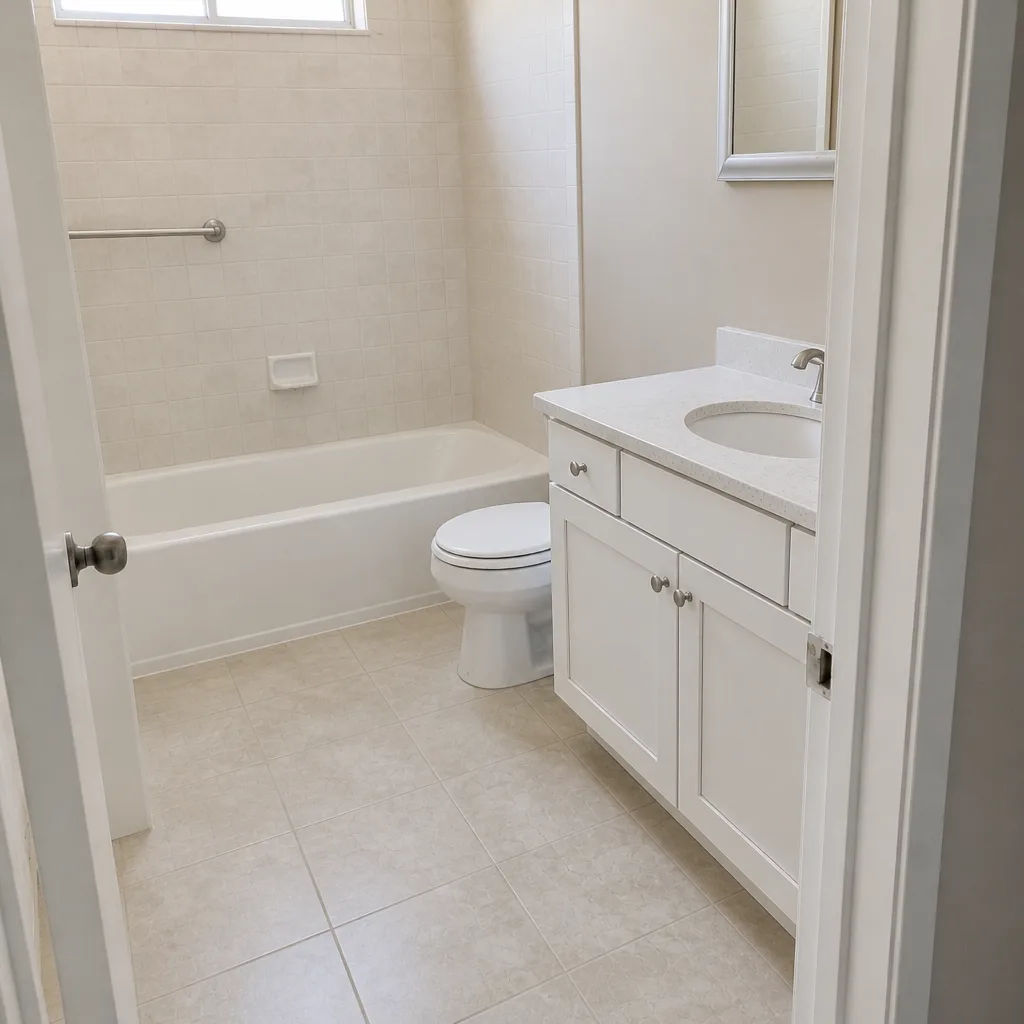 After
When to Call a Professional
Permits and codes are a paperwork problem until they’re not. The moment your project touches structure, moves a fixture group, adds square footage, or involves an ADU, the risk of a failed inspection or a compliance gap is high enough that the cost of a professional far outweighs the cost of a correction. Electrical panels, gas lines, seismic strapping, and any work where the code layers diverge are not homeowner DIY territory: a mistake in those areas is a safety issue, not just a permit issue. Bradford Remodeling Co Costa Mesa pulls permits on every project we take on, documents the adopted code we’re working to, and puts the price in writing before any work starts. We work with a documented roster of brands including Cambria and Kohler, so the Title 24 report and the installed materials match at final. Free estimates in Costa Mesa – call (855) 659-2556.
Frequently Asked Questions
Yes. Any kitchen remodel that moves plumbing, relocates electrical, or alters the structural system requires a building permit in Costa Mesa. Cosmetic changes like cabinet refacing, painting, and countertop swaps on existing bases generally don’t trigger a permit, but any electrical for a new appliance circuit or plumbing for a moved sink does. Call (855) 659-2556 for a free estimate and we’ll confirm the permit scope for your project.
The CBC is the state-level building code; Costa Mesa’s local amendments are stricter modifications the city has adopted on top of it. Where they conflict, the more restrictive local amendment governs. The city’s development services counter maintains the current adopted version and amendment log for your project type.
Two to four weeks for a typical kitchen or bath remodel, and six to ten weeks for additions and ADUs. Plan review timelines stretch during peak season. Trade permits submitted online can clear in days. Call (855) 659-2556 for a free estimate and we’ll map the permit path against your project schedule.
A HERS rater is mandatory when the Title 24 compliance path includes duct leakage testing, envelope sealing verification, quality insulation installation grading, HVAC refrigerant charge verification, or whole-house fan airflow testing. Many limited-scope alterations don’t trigger a rater visit, but combinations of scope items often do.
Yes, California allows owner-builders to pull permits for work on their primary residence, but you take on the compliance responsibility, inspection scheduling, and correction responses. If the work touches structure, gas, or electrical panels, we recommend a licensed contractor. Call (855) 659-2556 to discuss your project.
The inspector issues a correction notice, and you must correct the listed items and reschedule. Common final-inspection failures in Costa Mesa include missing HERS certificates, field changes made without an approved plan revision, and missing smoke/CO detector verification. Each re-inspection carries a fee.
The Bottom Line
California’s permit system is a stack: the CBC at the bottom, Orange County amendments in the middle, and Costa Mesa’s local amendments at the top, where the most restrictive rule governs. Trade permits can sometimes be pulled separately; structural work requires a master permit. ADU setbacks and heights in Costa Mesa depart from the state floor in specific ways, and HERS rater requirements attach based on the Title 24 compliance path, not the project’s size. Get the adopted code, the permit sequence, and the inspection checklist straight before a single tool comes out. That’s the discipline that keeps a project squared away from plan check through final, and it’s how we run every project at General Contractor in Costa Mesa.
Bradford Remodeling Co Costa Mesa works by the book: every price in writing before work starts, permits pulled, inspections passed, and every completed project covered by the 365-Day Done Right Promise. A live person answers the phone 24/7. Call (855) 659-2556 for a free estimate.
Written by the team at Bradford Remodeling Co Costa Mesa.