Last updated November 18, 2026







Free written scope consultation - allowances, timeline, and change-order rules on paper before a single trade is scheduled
Construction Warning Signs: A Costa Mesa Homeowner’s Reference Guide
The contractor who ghosts you in week three almost always showed you a warning sign in week one. It was just buried in a contract clause, a vague scope line, or a suspiciously fast yes to a price you thought was too low. Most warning-sign lists stop at “never pay all cash upfront.” That advice is fine, but it won’t save you from the remodeler who shows up with a permit application he never files or a subcontractor crew assembled the Friday before your demolition. This guide goes a level deeper into the operational signals that predict project failure before a single invoice is disputed. We’re writing from what we actually see when we’re called in to rescue jobs around Costa Mesa, and everything here applies whether you hire us or someone else.
Quick Answer
The clearest warning signs of a contractor who will fail your job are an oversized, undated bid with no line-item scope; a permit history that doesn’t match the projects they claim; a bond that is expired or too small to cover your construction; a “team” with no documented insurance; and any sales tactic built on an artificial deadline. Check the paperwork and the public record before you sign, not after demolition.
Styles & brands we work with
- Kitchen remodeling
- Bathroom remodeling
- Home additions & ADU
- Roofing
- Windows & doors
- Driveway & pavers
- Fence
Table of Contents
- How to Read a Bid for the Scope Gaps That Become Change Orders
- What a Permit History Search Tells You About a Contractor
- “Bonded” for Marketing vs. a Bond That Actually Covers Your Job
- Red Flags in the Subcontractor Relationship
- How to Spot a Pressure Close
- The Paperwork That Should Exist Before Work Starts
- Costa Mesa Market and Code Context
- Jobsite Signals in the First Two Weeks
How to Read a Bid for the Scope Gaps That Become Change Orders
A lowball bid isn’t cheap. It’s a bid with pieces missing that come back as change orders once your cabinets are already in the dumpster. The bid document is where you catch this, if you read it for what’s absent rather than for the total at the bottom. In our experience, the omissions follow a pattern.
Here are the specific line items that disappear most often from low bids, and what each one actually costs to add back mid-project.
- Demolition and haul-away. Look for “demo of existing” and “dumpster/disposal” as separate lines. Missing disposal means you’re renting a roll-off in your driveway and negotiating a fee.
- Permit fees and plan review. A real bid names the permit cost as a line. If it says “permits included” with no number, ask which permit and who pulls it.
- Drywall repair and patching. Any kitchen or bath that touches plumbing creates patching. If there’s no patch line, the sheetrock repair is your problem.
- Electrical and plumbing rough-in allowances. Look for the dollar figure on each allowance. “Allowance” without a number is a blank check.
- Substrate and underlayment. Tile jobs especially. Pulling old tile exposes a substrate that has to be replaced to spec, or the new floor fails early.
- Framing modifications. Moving a wall or opening a doorway almost always touches framing and possibly a header. No framing line, no structural plan.
- Paint and finish touch-ups after other trades. The last trade in the room always messes up the paint. Someone has to come back.
Ask for a written scope that names materials by brand and model, not just “premium cabinets.” A contractor working from a documented roster, like KraftMaid or Wellborn cabinetry, Cambria or Caesarstone surfaces, and GAF roofing materials, can put those names in the bid. If the bid can’t name the brand, you have no way to compare the price to the next one, and you have no way to hold anyone to a specification later.
What a real written price looks like
A serious bid has a fixed price per line, a total, a start date, and a listed set of exclusions. The exclusions page matters more than the total. When the contractor writes “excluded: structural repair if framing is found rotted,” you know exactly what you’re agreeing to pay extra for. When the bid says nothing, that same structural repair turns into a surprise invoice mid-job. Bradford puts a written price in front of every homeowner before any work starts, and if the price moves, it moves with your initial on a change order, not over the phone. You should demand the same from anyone you hire, ours or not.
If the remodel you’re pricing is a kitchen, see our Kitchen Remodeling in Costa Mesa page for the line items that actually drive cost.
What a Permit History Search Tells You About a Contractor
A contractor’s permit history is public record in Costa Mesa, and it’s the single most honest piece of information you can get about how they run their business. Every permit pulled in the city is searchable through Costa Mesa’s online permit portal. A homeowner can look it up without an account. Before you sign anything, look.
Here’s what to look for.
- Volume of permits in your project type. If you’re remodeling a kitchen and the contractor’s record shows mostly roof replacements, their kitchen experience is thinner than the sales pitch suggested.
- Final inspections passed. A permit that is open for months or years is a job that stalled or a job where the contractor abandoned before final inspection. Plenty of open permits trace back to a contractor who walked off with the deposit.
- Recent activity. A contractor active in Costa Mesa within the last 12 months is a working contractor. A gap in permit activity of 18 months suggests a different problem, whether it’s a licensing change, a slow market, or a different business model.
- The permit address matches the claim. Ask for a reference job in your neighborhood, then look up whether that address actually has a permit. This one check filters out a lot of bravado.
- Correct permit type. A kitchen gut remodel should have a building permit and electrical and plumbing attached. If the record shows one permit with no trades, someone skipped rough-in inspections.
In Costa Mesa, especially older homes in the Mesa and Eastside neighborhoods, a permitted remodel almost always turns up something in the walls that needs a plan update: a 1950s electrical panel, galvanized supply lines, or a soffit that was never built to modern framing spec. A contractor with a clean permit history handles that update inside the permit process. A contractor with open permits handles it with a phone call and a demand for cash.
“Bonded” for Marketing vs. a Bond That Actually Covers Your Job
“Bonded” appears on the side of nearly every pickup in this trade. It’s also a word that means almost nothing without a check on the State License Board. What you’re verifying is that the contractor holds an active California contractor’s license with a bond in force that is sized correctly for the work.
Here’s the difference in plain terms. The CSLB requires a contractor’s bond as a condition of licensure. That bond exists to give a homeowner a path to recovery if the contractor fails to pay subcontractors, fails to perform, or violates the terms of the contract. The requirement for a bond increases the amount when the contractor operates through multiple licenses. If the license is on inactive status, or the bond has lapsed, or the bond amount is set below what the contract costs, “bonded” on a business card is only a word.
- Check the license status on the CSLB website. “Active” is the only status that matters. “Expired,” “suspended,” or “inactive” means they can’t legally take your job.
- Check the bond amount against the CSLB record, not the card. A bond sized at the license minimum doesn’t cover a $60,000 remodel, but it tells you the contractor is current.
- Check the workers’ compensation certificate. If the contractor doesn’t have one, they may be exempting themselves as a sole proprietor, which means a worker injured on your property may have a claim against your homeowner’s policy. That’s the loophole that costs homeowners the most in Costa Mesa jobs.
- Ask for the certificate of insurance by name. Get the general liability certificate emailed to you, and call the insurer to confirm the policy is current. A certificate can be fabricated on a laptop in ten minutes.
If you want the credential language defined for you before you sign, our team lays it out on the General Contractor in Costa Mesa page. Bring the question to any bid meeting, including ours.
Red Flags in the Subcontractor Relationship
Every general contractor uses subcontractors. Tile, electrical, plumbing, cabinetry install, and finish carpentry are all specialty trades, and no reasonable GC keeps a licensed electrician on payroll for a whole calendar year. The warning sign is not the use of subs. It’s subs with no paperwork, no names, and no continuous relationship with the GC.
When a GC’s “team” is day labor assembled the week your project starts, that arrangement shows up in predictable ways:
- Names don’t match. You meet one crew on Monday and a completely different crew on Wednesday. The lead won’t tell you who the drywall sub is because there is no sub, only a call to a labor guy.
- No certificate of insurance for the subs. A reputable GC collects certificates from each sub, including workers’ comp. Ask for the file. If the GC won’t or can’t provide it, you’re carrying the liability if someone gets hurt on your property.
- No continuity between jobs. The good subs are booked. A GC with a real roster schedules a favorite electrician two weeks out. A GC with no roster takes whatever is available the morning of.
- Communication breakdown. When the sub doesn’t speak with the GC in a language they both understand, the message degrades. The wrong tile gets set, and someone has to come back and remove it, which is a cost either on your change order or on a fight.
- Billing that doesn’t match the crew. The bid lists one installer for a $40,000 job. Three people are on site. The invoices don’t reconcile, which means somebody is being paid off the books.
A disciplined GC gives you one point of contact, a documented roster of subs with certificates on file, and a background check on every person sent to your home. Background-checked technicians behind a Garrison Standard discipline is what keeps that from being a casual practice. Ask the same question of anyone you’re considering.
How to Spot a Pressure Close
A legitimate contractor does not need you to sign today. If he does, the deadline is manufactured, and the number he’s pitching will not survive the week. Pressure closes have three familiar shapes, and every one of them is a signal to walk away from the table and think it over.
- The artificial deadline. “This price is good until Friday.” Construction pricing doesn’t expire on Friday. Material prices move in weeks, not hours, and a contractor who built their bid with margin for a real project can hold the price for two weeks without losing sleep.
- The other job starting Monday. If a crew truly has another job starting Monday, that’s a scheduling fact and not an ultimatum. The disciplined response is “we can start in four weeks,” not “sign tonight or we can’t fit you in.”
- The discount that evaporates. The 10% “if you sign today” discount usually gets added back into options later, or comes out of the schedule with shortcuts on the rough-in. Every discount has to come from somewhere in the build.
The counter-pattern is easier to spot. A contractor who says “take the bid home, read it, call me with questions next week” is a contractor with a real business. A contractor who reacts to “I need a few days” with irritation has just shown you what he’ll be like when a change order needs discussing mid-project. In Costa Mesa, we’ve also seen pressure applied in the form of “we’ve got a permit expiring.” Costa Mesa permits can be extended; the deadline is a scheduling excuse, not a legal cliff.
The Paperwork That Should Exist Before Work Starts
The first week of a project should feel boring. If the paperwork is squared away, nothing dramatic happens in the first two weeks except planning and site prep. Here’s the full document set you should be holding before your contractor picks up a tool.
- A written scope with line-item pricing and named brands, not a lump-sum total.
- A schedule with start date, milestone dates, and duration, not “start Monday, done in a few weeks.”
- A copy of the license with the CSLB number, verified active on the state site.
- A certificate of general liability insurance, current, verified by a call to the broker.
- A workers’ compensation certificate, or full disclosure if the contractor is a sole proprietor exempt from the requirement.
- The permit application, filed by the contractor named on the contract, with the city’s assigned permit number.
- A written warranty naming the coverage period and what it covers. Read it. If the warranty is one paragraph with the word “guarantee” in it and no terms, that’s not a warranty.
Bradford’s version of that last document is the 365-Day Done Right Promise: a full-year written guarantee on every completed project. If the work fails inside that window, we come back and correct it at no charge. You get the guarantee in writing at close, along with a clean site, a documented scope, and the signed page in your hand.
A whole-home project touches every one of these categories at once. See Bradford Remodeling Co Costa Mesa home for the way the family of Garrison partners approaches it.
Costa Mesa Market and Code Context
Three things about Costa Mesa shape what a warning sign looks like here, and they don’t come up in the generic national guides.
Salt air and coastal humidity. Homes closer to the coast, especially in the Westside and around the back bay, live with persistent moisture in exterior walls and roof sheathing. Roof decks and fascia that a contractor would call “fine for another five years” in a dryer market are finished here. If a bid says nothing about the condition of the roof sheathing when the roof is replaced, that’s a gap. CertainTeed, Owens Corning, IKO, and Atlas all publish installation specs on their products, and those specs touch underlayment and ventilation. A real bid names the product and confirms the ventilation is adequate for the new shingle system. A shortcut bid installs the shingles over the existing vents and calls it done. We’ve also seen plenty of premature failures in Costa Mesa that trace back to a skip in that ventilation line item.
Older housing stock and panel upgrades. A large share of the housing in Costa Mesa’s Eastside and the Mesa neighborhoods was built before 1970. That means galvanized supply lines, two-slot receptacles, and panel amperage that won’t support a modern kitchen. A remodel bid that says “matching existing” for the electrical panel on an older Costa Mesa home is telling you that a panel upgrade is coming. Plan for it in the bid, or plan for it as a change order.
Standard permit workflow. Costa Mesa runs a straightforward permit process for residential remodels, but kitchen and bath projects that move fixtures need plumbing and electrical permits attached to the building permit. The city inspects rough-in before drywall. A contractor who suggests skipping that step “to save time” is a warning sign in its own right, and it puts your future resale at risk.
For a bathroom project specifically, our Bathroom Remodeling in Costa Mesa page covers what a permitted job looks like end to end.
Jobsite Signals in the First Two Weeks
Once work starts, the warning signs shift from paperwork to behavior. Watch the site, and watch it in a specific way. You’re not looking for mess; construction is messy. You’re looking for evidence that someone is in charge.
- Daily cleanup. A squared-away site has a dumpster, a materials area, and a clean walkway at end of day. A site where tools and debris are everywhere on day four is a site where the crew is running without a lead.
- One point of contact. You should know the name and phone number of the site lead, not a corporate number. When you have a question mid-job, you should get an answer without a week of voicemails.
- Materials on schedule. Cabinets and doors don’t appear overnight. The GC should tell you the delivery date for every major item before the item ships. A GC who can’t say when the KraftMaid boxes arrive doesn’t know their schedule.
- Photos and progress updates. A text with a photo of the rough-in before drywall closes over it is a good sign. It shows the GC is documenting the work for you and for the warranty record.
- The change order process is written. When a change is needed, the GC should hand you a written change order to sign, not a verbal ask. This is the single most common place a project goes sideways. If the change happens on a handshake, the price at the end doesn’t match anything you agreed to.
Common Mistakes to Avoid
- Comparing bids only by the bottom-line total. A $52,000 bid and a $38,000 bid are not the same job. Pull the scope lines and compare, then compare the exclusions.
- Not calling the CSLB. Forty seconds on the state website confirms license status, bond, and workers’ comp. Skipping it is the most expensive shortcut in the trade.
- Hiring from door-knocking alone. In Costa Mesa, storm chasers often knock after a Santa Ana wind event or a wet winter. Legitimate contractors with a Costa Mesa permit history don’t need to introduce themselves at your door.
- Skipping the permit. A finished kitchen with no permit is a future resale problem. Costa Mesa requires disclosure and the buyer’s inspector will ask.
- Paying a large deposit without a written schedule. A deposit against a milestone schedule is normal. A deposit against “we’ll get going soon” isn’t.
- Accepting a verbal change order. Say yes to a written change order and no to a verbal one, every time. It’s five minutes of paperwork that saves ten thousand dollars of argument.
- Ignoring the warranty language. Ask for the coverage period and the exclusion list in writing before you sign. A homeowner holding a specific warranty can hold a contractor to it.
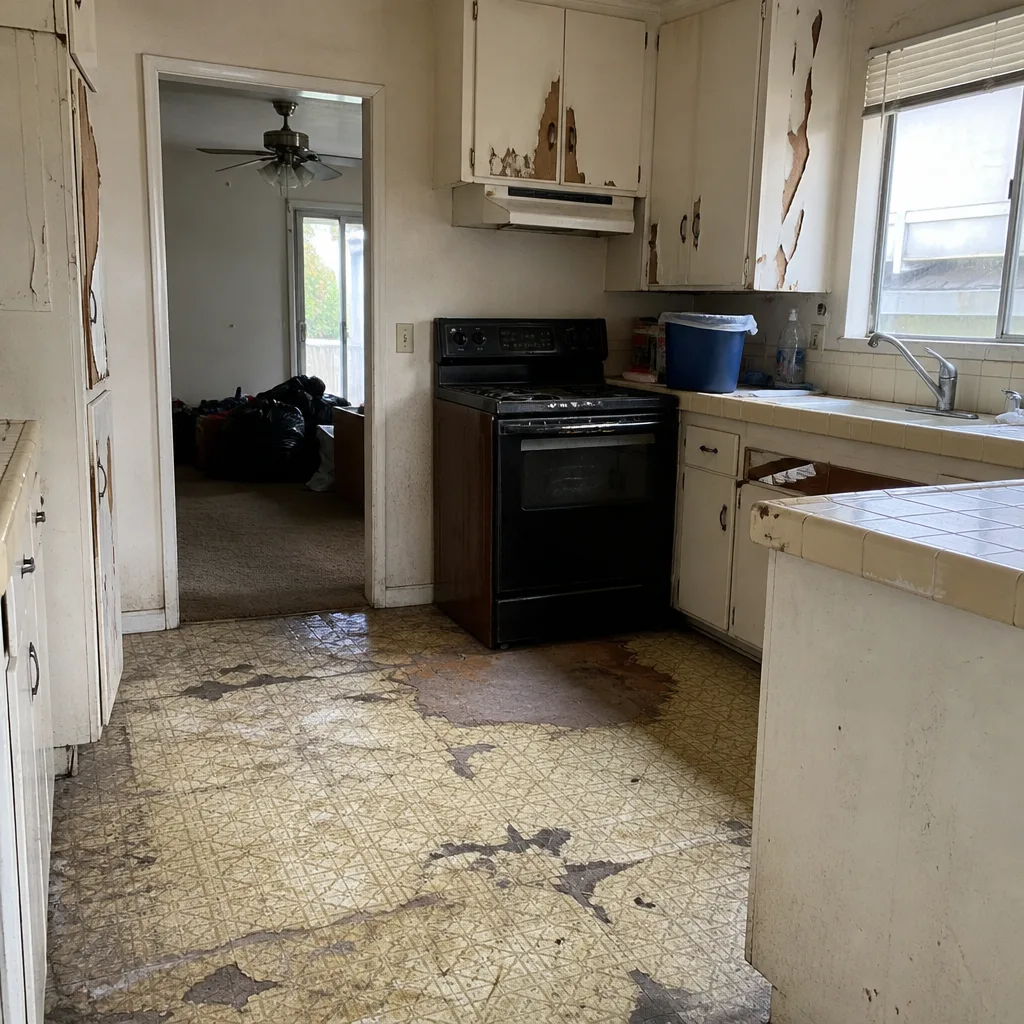
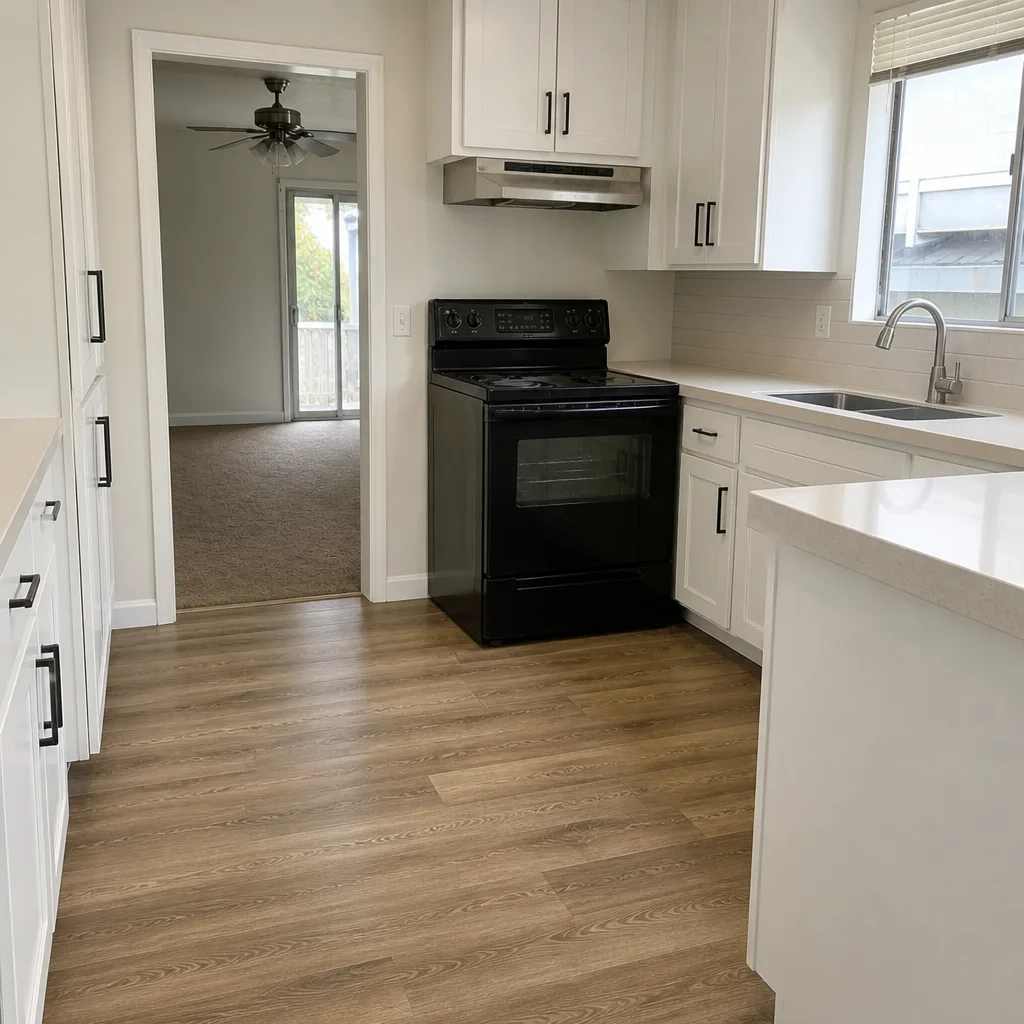
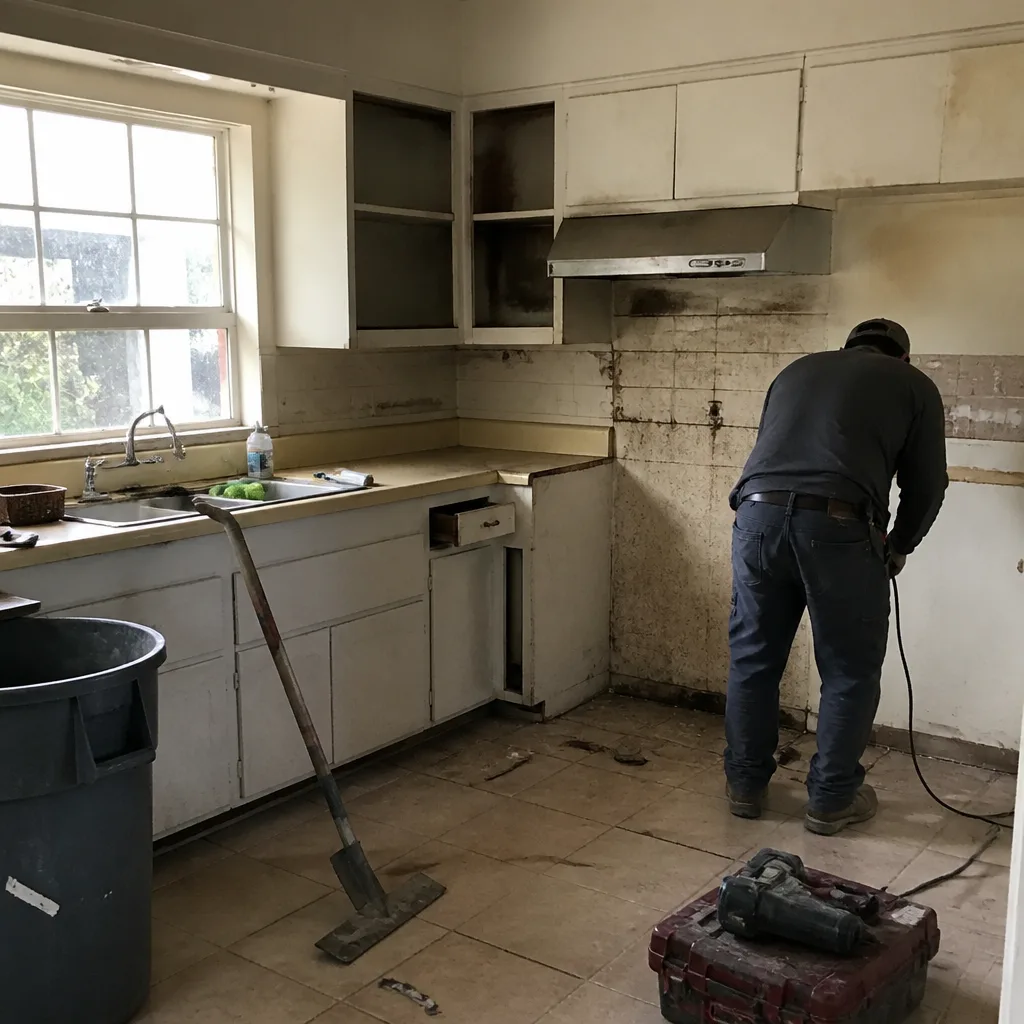
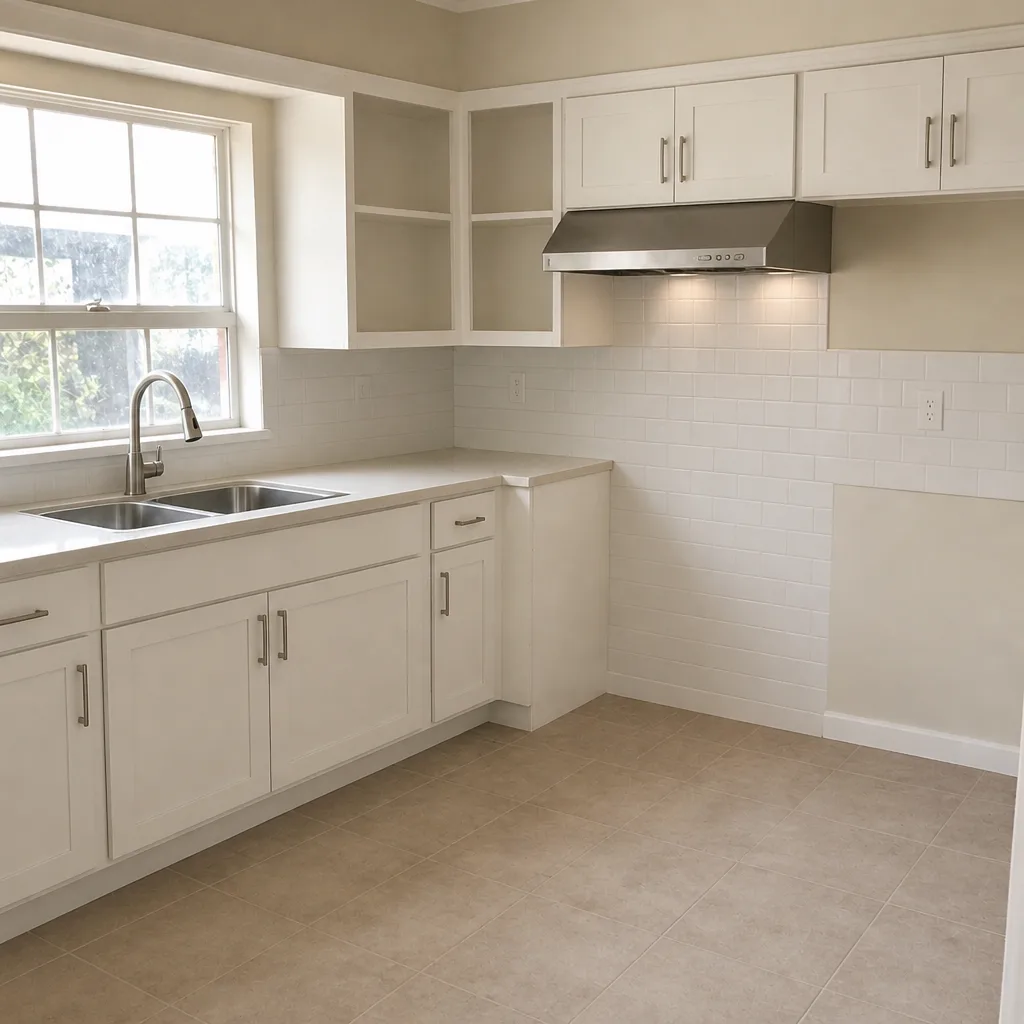
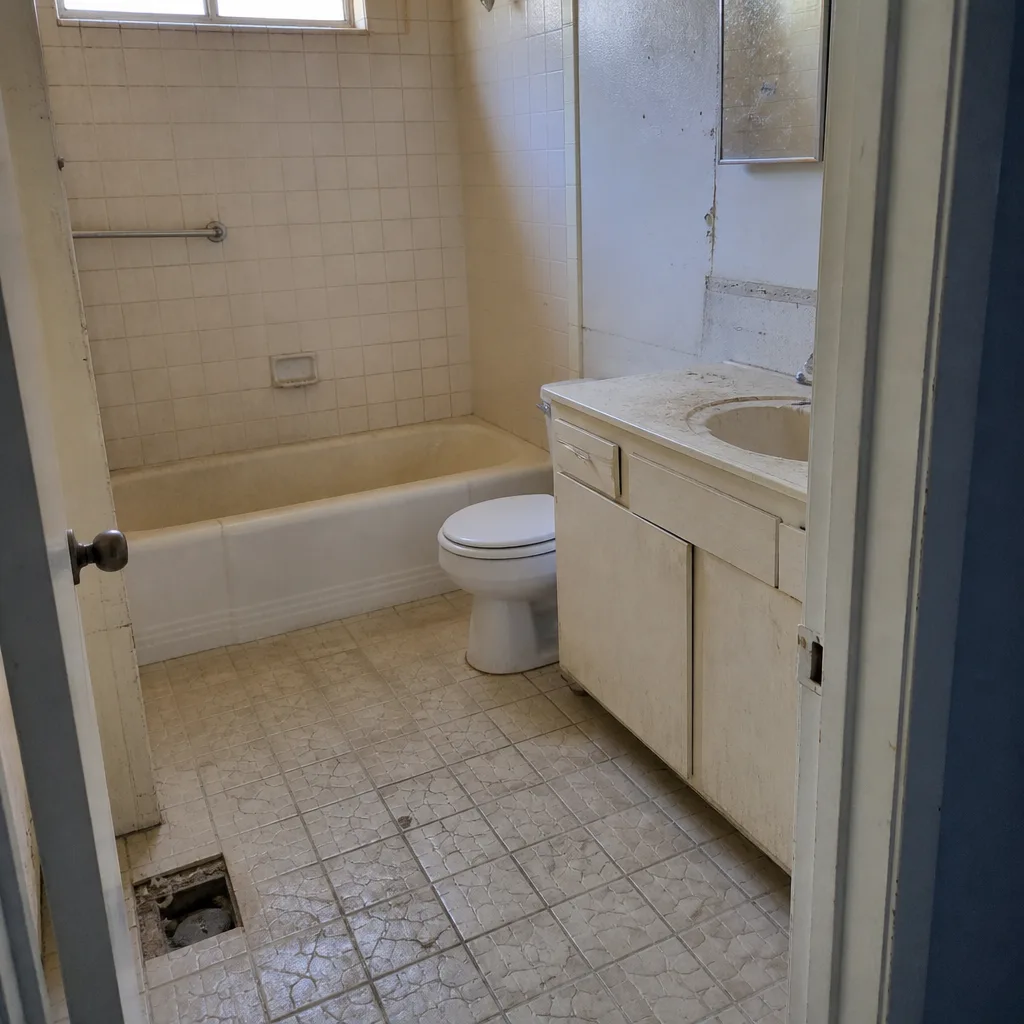
See the difference
 Before
 After
 Before
 After
 Before
 After
When to Call a Professional
There are jobs we recommend you take on yourself, and there are jobs where a DIY approach costs more in the long run than the bid you’re hesitating on. Call a licensed professional for anything touching structural framing, electrical service or panel work, gas lines, plumbing behind walls, roof deck openings, or a kitchen or bath that involves moving fixtures. Call us if you’re already stuck: a contractor who walked off, a permit that’s open, or a bid that feels wrong but you can’t put your finger on why. Those are diagnostics, not emergencies, and we’ll tell you what we see even when it doesn’t lead to a sale. Bradford Remodeling Co Costa Mesa offers free estimates in Costa Mesa. Call (855) 659-2556, and a live person picks up whether it’s a weekday morning or a Sunday night.
Frequently Asked Questions

Search the address and contractor name on Costa Mesa’s online permit portal, which is public and doesn’t require an account. Look for an active license on the CSLB website, then match the contractor’s claimed reference jobs to actual permit records. A contractor who can’t show permit activity on the jobs he names is a contractor to walk away from.
No. “Bonded” on a business card means nothing without a check on the CSLB site confirming an active license and a bond in force. The bond exists to give you a recovery path if the contractor violates the contract, and the amount should be sized for real work. Verify it on the state site, not on the marketing.
Walk away. A legitimate contractor works against a milestone schedule in a written contract: a deposit at signing, a payment at rough-in, a payment at drywall, and a final payment at close, with the final payment held until your punch list is signed off. Full price upfront is the strongest warning sign in the trade, and it’s the one that turns into a missing contractor.
An allowance is a dollar figure that can move based on what you select, and it should always come with a number. A fixed price is locked for the scope as written. A bid that lists allowances without numbers, or hides fixed-price items behind vague language like “premium finishes,” is a bid where the total can quietly grow. Ask which line items are fixed and which are allowances, and get the number on the allowance.
Look at whether the bid addresses the age of the home’s systems. Older Costa Mesa homes, especially in the Eastside and the Mesa, often need a panel upgrade or a supply-line replacement open in the walls during a kitchen remodel. A bid that says “match existing” for electrical and plumbing, without a line item for those systems, is a bid that will become change orders mid-demolition. We see this cost homeowners $6,000 to $15,000 when it surfaces unexpectedly.
Pull the permit record and the contract, then file the permit status with the city so the next contractor can take over cleanly. Get a written scope and a warranty plan from the replacement contractor before work resumes. Call (855) 659-2556 if you want a second set of eyes on the bid you’re holding, including the question of whether the original contract has a warranty claim worth pursuing. The estimate is free.
The Bottom Line
The warning signs that predict project failure are almost never the ones on the standard list. They live in the bid document, the permit record, the bond status, the sub roster, and the pressure to sign tonight. Cross-check those five things before you hand over a deposit, and you’ll filter out most of the contractors who cost homeowners in Costa Mesa the most money. The other thing that separates a squared-away remodel from a disaster is the paperwork: a written price before work starts, a written scope, a written warranty at close, and a clean site at the end. Those aren’t flourishes. They’re the difference between a project that finishes and a project that drags.
If you want a written price on your next remodel, call Bradford Remodeling Co Costa Mesa at (855) 659-2556 for a free estimate. A live person answers, seven days a week, and the price you get in writing is the price you pay before a tool comes out.
Written by the team at Bradford Remodeling Co Costa Mesa.