Last updated November 18, 2026




Free written scope consultation - allowances, timeline, and change-order rules on paper before a single trade is scheduled
DIY vs Professional Construction: The Costa Mesa Homeowner’s Decision Guide
The most expensive line item on a Costa Mesa remodel usually isn’t the labor. It’s the unpermitted work a previous owner left inside the walls. When that house goes to market, the seller’s Transfer Disclosure Statement has to name it, and Orange County buyer’s agents have gotten aggressive about it: pull the permit retroactively or tear the work out as a condition of sale. We’ve watched deals in Mesa del Mar and the Eastside stall for weeks over a $600 bathroom fan someone installed without a permit. This guide draws the DIY-vs-hire line by project type and permit exposure in Costa Mesa, not by how handy you are.
Quick Answer
In Costa Mesa, hire a licensed professional for anything touching structural framing, electrical panels, gas lines, roofing, or wet-area waterproofing. These projects carry permit requirements, safety risk, and resale liability that no owner-builder exemption protects you from. DIY makes sense for cosmetic work that needs no permit: paint, trim, tile on sound substrate, cabinet hardware, and landscaping. The dividing line is permit exposure and liability, not skill.
Styles & brands we work with
- Kitchen remodeling
- Bathroom remodeling
- Home additions & ADU
- Roofing
- Windows & doors
- Driveway & pavers
- Fence
Table of Contents
- Why Permit Exposure Is the Real Decision
- What the Owner-Builder Exemption Actually Covers in Costa Mesa
- The Permit Implication Matrix: DIY-Safe vs. DIY-Risky
- The True Cost of DIY vs. a Fixed Contractor Price
- Where Professional Execution Pays Back: Warranty, Certification, Insurance
- What a Costa Mesa Owner-Builder Permit Requires You to Attest To
- Costa Mesa Conditions That Change the Math
- Common Mistakes to Avoid
Why Permit Exposure Is the Real Decision
California doesn’t bury unpermitted work. It puts it on paper. Every residential sale in this state runs through a Transfer Disclosure Statement, and that form asks the seller directly whether they know of any alterations made without permits. Lying on it is a disclosure violation with real legal teeth. Answering honestly means the buyer’s inspector and their agent will ask for one of two things: a permit pulled after the fact, or the work demolished. That negotiation happens at the worst possible moment, while you’re trying to close a sale.
We’ve seen how this plays out in Costa Mesa specifically. The city has a large stock of mid-century homes, and plenty have been touched up over the decades by owners who ran their own wire or framed out a bonus room. When those homes turn over, the fixes get expensive. A retroactive electrical permit on a garage conversion can mean opening walls for inspection. Retroactive plumbing can mean re-piping to meet current code. The city’s building division does not accept a verbal assurance that it was done fine.
That’s the frame for this entire decision. The question isn’t “can I do it?” Most homeowners who ask can. The question is “what does this cost me if I do it wrong, or even if I do it right without a permit?”
Cosmetic work carries almost none of that exposure. No inspector, no disclosure, no retroactive anything. Structural, electrical, gas, and plumbing work carries all of it. The permit record is the dividing line, and it’s what should guide every project decision in Costa Mesa.
What the Owner-Builder Exemption Actually Covers in Costa Mesa
California law lets a homeowner act as their own general contractor on property they own and will occupy. That’s the “owner-builder” exemption. It is genuinely useful, and it is more limited than most people think.
What it covers: a homeowner can apply for permits in their own name, hire licensed subcontractors directly, and manage the sequence of inspections themselves. You don’t need a contractor’s license to remodel your own residence, provided you live in it and declare you’re doing the work yourself or supervising it.
What it does not cover – this is the part most people miss:
- Specialty scopes still require licensed subs. The owner-builder exemption lets you manage, but it doesn’t let you personally perform work restricted to licensed tradespeople under the Business and Professions Code. Electrical, plumbing, and mechanical work in a permitted scope typically has to be done by a licensed practitioner and inspected.
- It doesn’t transfer to a buyer. The exemption applies to the owner who pulls the permit. If you sell within a year, and the work was substantial, the disclosure burden falls on you regardless.
- It doesn’t shield you from code compliance. The work still has to pass inspection to the current California Building Code. Acting as owner-builder means you absorb the cost of re-doing failed inspections.
- It doesn’t cover flipping or investor property. The exemption is for a principal residence you occupy. Renting it out or selling it within a year is a problem.
So the exemption is real, but it mostly shifts the burden of coordination onto you. It doesn’t unlock a parallel universe where permits and inspections don’t apply. For a full picture of what a licensed team handles end to end, our General Contractor in Costa Mesa page lays out the sequencing.
The Permit Implication Matrix: DIY-Safe vs. DIY-Risky
Use this table to categorize a project before you buy a single tool. The key question is always: does this need a permit, and does the work create a condition that follows the property?
DIY with low risk (usually no permit required)
- Interior and exterior paint, trim repair, and caulking
- Cabinet hardware, faucet swap on existing supply lines, light bulb and fixture swap on existing wiring
- Simple tile work on sound, dry substrate (backsplash, not shower pan)
- Landscaping with non-structural planting, mulch, sod
- Fencing under code height limits (check Costa Mesa’s setback and height rules)
- Cosmetic flooring swaps, like carpet or click-lock plank over level substrate
DIY possible, but the risk climbs fast
- Vanity replacement with existing drain and supply locations (still needs a permit if you move plumbing)
- Drywall repair and small patching (fine, unless you open a wall that hides wiring you shouldn’t touch)
- Cabinet installation on existing cabinet boxes (not a full remodel with new plumbing and electrical)
- Bathroom fan replacement if you’re swapping like-for-like wiring to the same box
Hire professional (permit required, high liability)
- Any electrical panel change, circuit addition, or new wiring run
- Any gas line work beyond turning off the valve
- Structural changes, wall removal, beam installation, foundation work
- Roofing replacement or repair over a significant area
- Shower pan waterproofing or any wet-area membrane
- Whole-home plumbing re-piping, water heater replacement, and drain line changes
- Any addition, bump-out, or converting an existing space (garage to living, attic to bedroom)
The middle column is where homeowners fool themselves most. We’ve walked into Eastside homes where a DIY bathroom had a beautiful tile floor over a shower that had leaked into the framing for years. The floor tile was fine. The subfloor wasn’t. By the time we opened it up, the repair was the whole bathroom.
The True Cost of DIY vs. a Fixed Contractor Price
The comparison most homeowners run is contractor quote vs. materials. That’s not the real number. Here’s the honest version.
The DIY cost stack
- Materials with a waste factor. Tile, flooring, drywall, and lumber all carry waste. A pro budgets 10-15% over the measured quantity. If you buy to the measured area, you’ll be making a second trip and likely a special order you can’t return.
- Tool rental. Unless you already own a tile saw, a wet saw rental, a compactor, a drywall lift, or a heavy hammer drill adds up. For a single tile job, saw rental on a wet saw can run $60-$100 a day.
- Permit fees. If a permit is required, the fee applies whether you do the work or a pro does. That’s not a savings.
- Disposal. Dumpster or debris hauling, especially for a kitchen gut or a demo project, isn’t free. In Costa Mesa, you’re managing haul-away and weight limits either way.
- Your time. A serious remodel can swallow weekends for months. Price your own hours at what you earn, then double it for the learning curve.
- Redo cost. The real number. If the shower waterproofing fails, or the electrical work doesn’t pass inspection, you pay twice: once for the wrong version, once for the correction.
A written contractor price includes all six of those things. A fixed price doesn’t mean a low price. It means a certain one. The certainty is worth something, especially when it means the job is documented, permitted, and stands behind a written guarantee.
What “fixed” should actually mean
When we say a written price, we mean a line-item number before any work starts. Not a range. Not a “call for a quote.” A number, in writing, that doesn’t move at the door. For a remodel that’s mid-five-figures, the certainty of that price is often worth more than a 10% savings on the low bid. Our Kitchen Remodeling in Costa Mesa page shows how a fixed scope is presented before a job begins.
Where Professional Execution Pays Back: Warranty, Certification, Insurance
Some scopes aren’t about aesthetics at all. They’re about paperwork that protects you years after the job is done. Four categories where professional execution earns back its premium:
1. Roofing and exterior envelope
Roofing systems perform or fail at the details: flashing, underlayment, ventilation at the ridge and soffit. A pro installs a documented roofing system (GAF, CertainTeed, or Owens Corning) to manufacturer specification, which keeps the manufacturer’s material warranty valid. A DIY install typically voids it. The manufacturer doesn’t honor a warranty on an unlicensed, non-certified installation.
2. Electrical panel and service work
A panel upgrade is a permit item with a paper trail. Documented, permitted work is what buyers see when they review the property’s history. It’s also what your homeowner’s insurance wants if there’s ever a claim tied to the electrical system. An unpermitted panel change can be a coverage problem, not just a code problem. An insurance adjuster doesn’t care that “it looked fine.” They care that it wasn’t permitted or inspected.
3. Waterproofing in bathrooms and wet areas
Shower pans and wet-area waterproofing fail silently. The failure shows up as a swollen subfloor, a ceiling stain below, or a musty smell in a bedroom. The warranty is what matters here: a properly waterproofed shower backed by a written guarantee is a whole different risk profile than a DIY pan. When work fails inside the guarantee window, a written guarantee means someone comes back to correct it at no charge. That’s the 365-Day Done Right Promise – a full year in writing, on every completed project.
4. Structural changes
Wall removal, beam framing, and foundation work require engineering and inspections. There’s no insurance or warranty in the industry that survives an unpermitted structural change when a claim or a sale inspection comes around.
The pattern: the professional premium buys documented scope, manufacturer-certified installation, warranty coverage, and inspection history. That’s what you actually pay for on a well-run remodel.
What a Costa Mesa Owner-Builder Permit Requires You to Attest To
Most homeowners sign the owner-builder declaration without reading the fine print. It’s short, and it’s serious.
Under California law, an owner-builder declaration typically attests to:
- You own the property and will occupy it as a principal residence.
- You are doing the work yourself or acting as your own general contractor and will hire licensed subcontractors where required.
- You understand the work must comply with the California Building Code and pass all inspections.
- You understand you may not sell or rent the property within one year of the permit being issued, unless the work was done by a licensed contractor as a condition of that sale or rental.
- You understand the permit may be denied or revoked if any of those statements are false.
Item four is the one that surprises people. A flipper who pulls a permit as owner-builder to save money, then sells within a year, has created a compliance problem and a disclosure problem at the same time. We’ve seen buyers’ agents in Costa Mesa require sellers to re-permit projects they pulled as owner-builder precisely because of that one-year rule.
If you’re on the fence about acting as your own GC on a project that’s larger than cosmetic, call and ask us the questions. A free estimate includes an honest conversation about whether the owner-builder path makes sense for your scope. That’s a conversation, not a sales pitch. Some homeowners genuinely should act as owner-builder. Most shouldn’t on anything larger than a bathroom. The full picture of what a whole-home project requires is on our Bradford Remodeling Co Costa Mesa home page.
Costa Mesa Conditions That Change the Math
Costa Mesa’s climate and housing stock shape the DIY-vs-hire decision in specific ways.
- Coastal moisture and marine layer. The afternoon marine layer that rolls in off the coast is one reason exterior finishes fail early. Paint, caulking, and exterior doors need correct product selection and installation. Therma-Tru doors and James Hardie siding spec correctly for this, but only if the install is right. The wrong prep on coastal exterior work means peeling within a couple of seasons.
- Older housing stock. Homes in neighborhoods like Mesa del Mar, the Eastside, and Westside span decades. Any wall you open has a chance of finding old wiring, old plumbing, or old framing. That’s a pro-territory situation. A homeowner who opens a wall and finds knob-and-tube wiring needs to know what to do before touching anything.
- Seismic requirements. Anything structural in Costa Mesa has to handle current seismic code. Water heater strapping, foundation anchoring, and structural upgrades are the kinds of things an inspector looks at. DIY on those scopes is not feasible or legal.
- HOA and architectural review. Many Costa Mesa neighborhoods have HOA rules about exterior changes. A pro contractor knows to route the design through architectural review before materials are ordered.
- The resale market. Costa Mesa is a competitive resale market, and buyers expect a clean permit history. That’s exactly why the unpermitted project costs more than the contractor quote.
Our technicians have up to 22 years of experience with the specific building conditions in this market. That experience is mostly about knowing what’s behind a wall in a 1960s Costa Mesa house, and what it means for the scope.
Common Mistakes to Avoid
- Assuming a permit is only for additions. A shower pan, a panel upgrade, a water heater replacement, and even some skylights all require permits. Homeowners routinely miss the smaller scopes.
- Buying materials to the measured area. Tile, flooring, and lumber need a waste factor of 10-15%. Buying short means the project stalls while you wait for a special order that may not be in stock.
- Skipping the permit to “save the fee.” The permit fee is a fraction of what retroactive permitting costs when a buyer’s agent asks for it. And the disclosure doesn’t go away just because the fee was avoided.
- Signing an owner-builder declaration without reading the one-year rule. If you’re planning to sell within a year of the project, the owner-builder exemption can be a trap.
- Doing waterproofing yourself to save money. Wet-area waterproofing is a specialty trade for a reason. The failure doesn’t show up until it’s spread through the framing and the ceiling below.
- Comparing a DIY material cost to a contractor quote without the waste factor, tools, dumpster, and your time. The honest comparison includes all of it. Almost no honest comparison favors DIY on a permitted scope.
- Hiring on the lowest bid without a written, line-item scope. If the price can move at the door, it’s not a real price. Written price before any work starts, is the only reliable way to evaluate a bid. If a pro can’t show you the line item before you sign, you’re not comparing bids, you’re comparing guesses.
See the difference
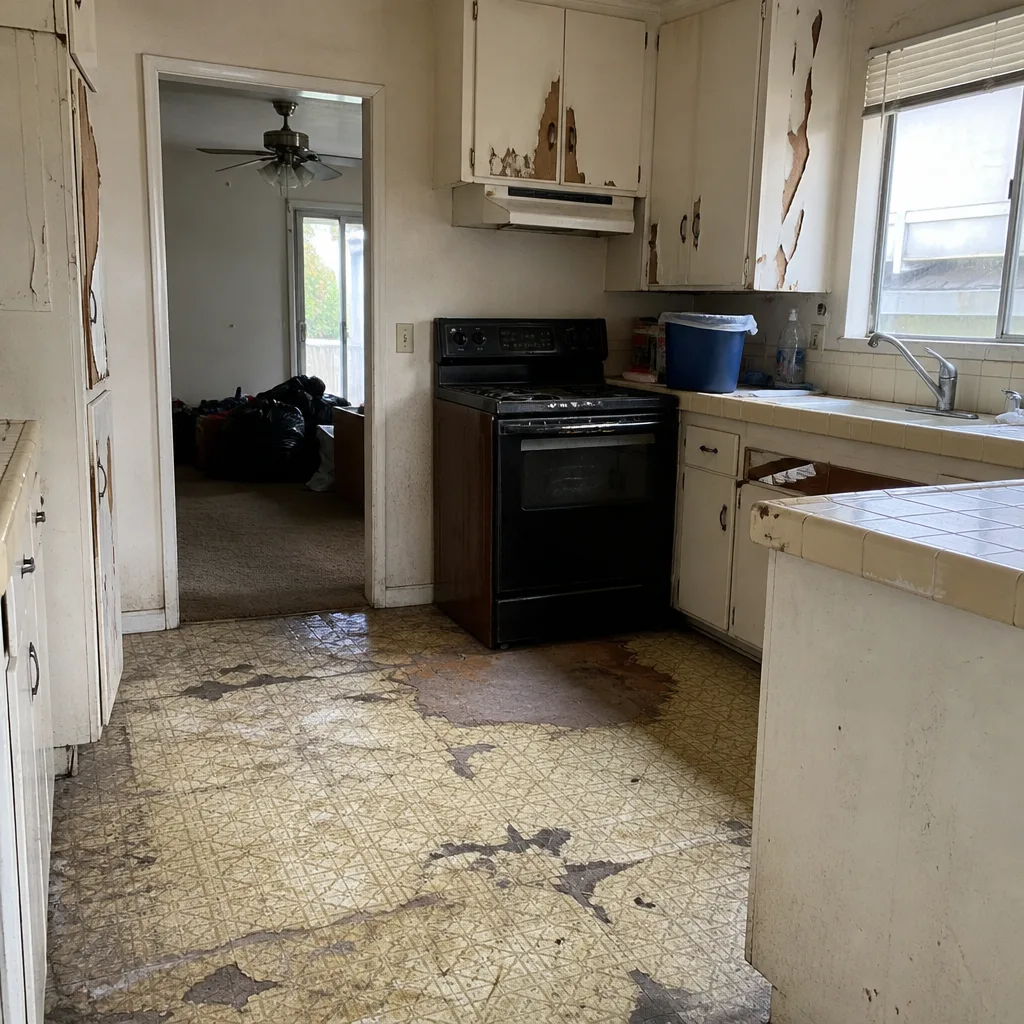 Before
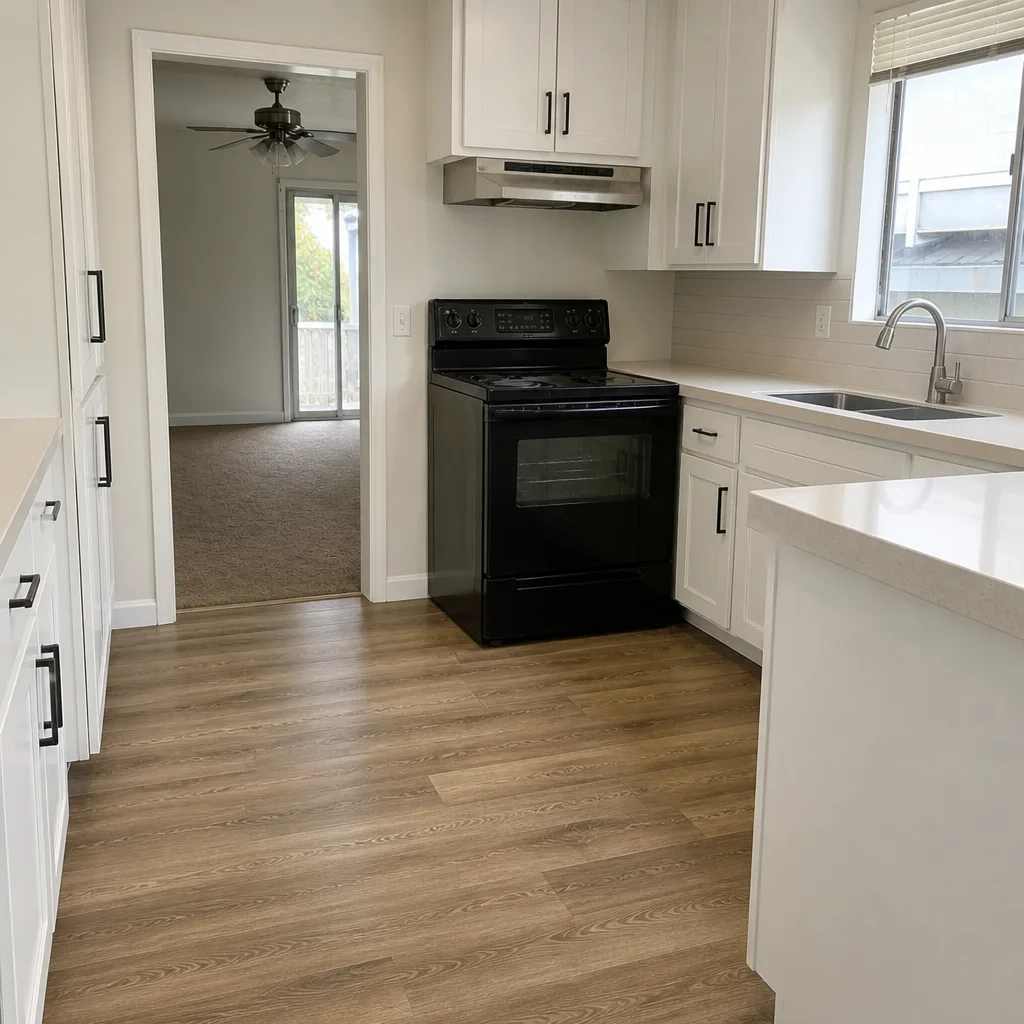 After
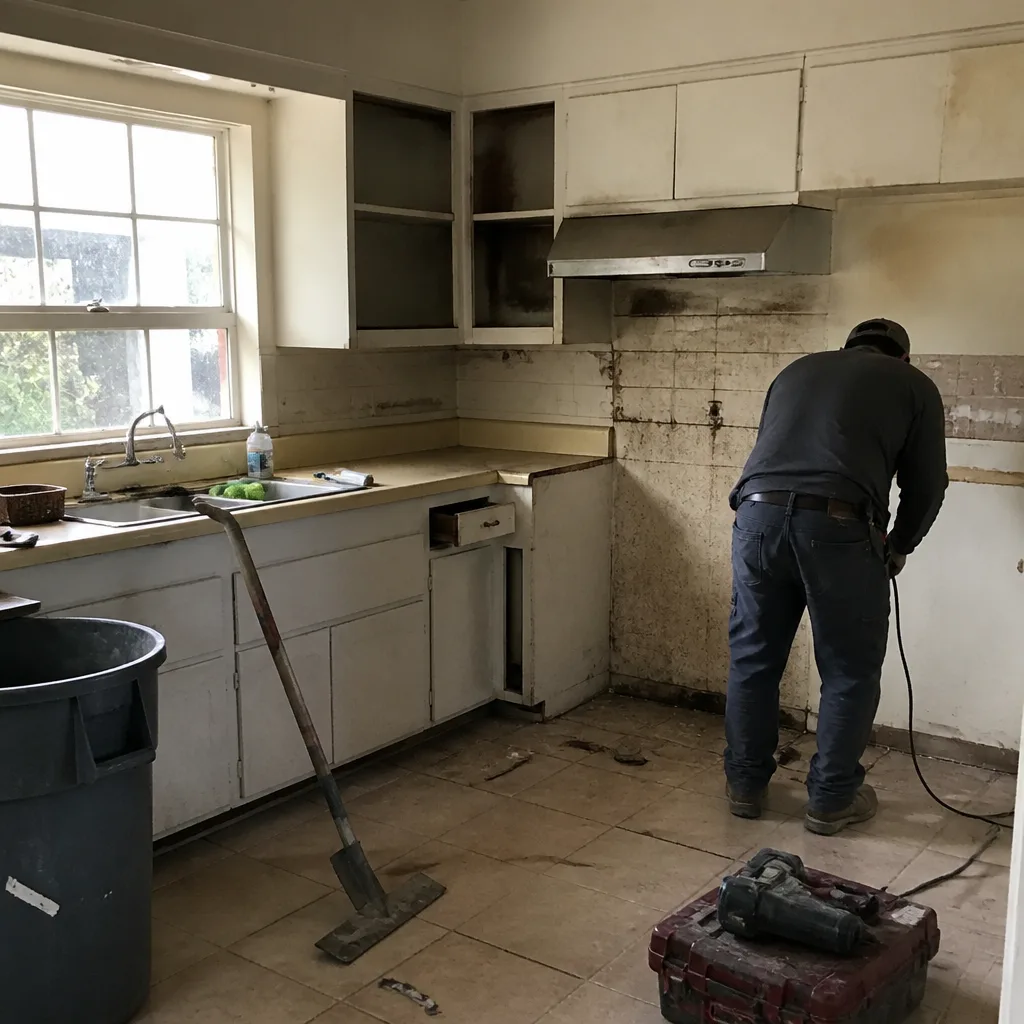 Before
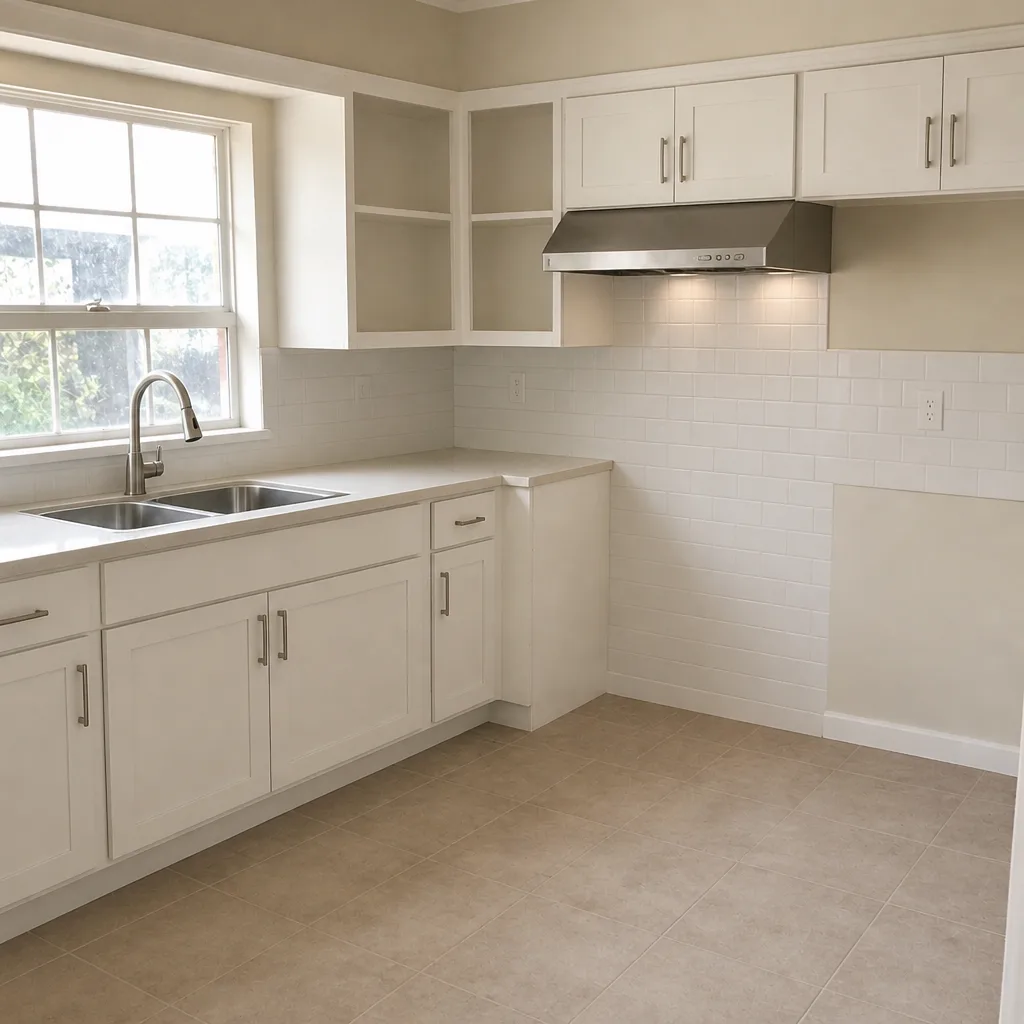 After
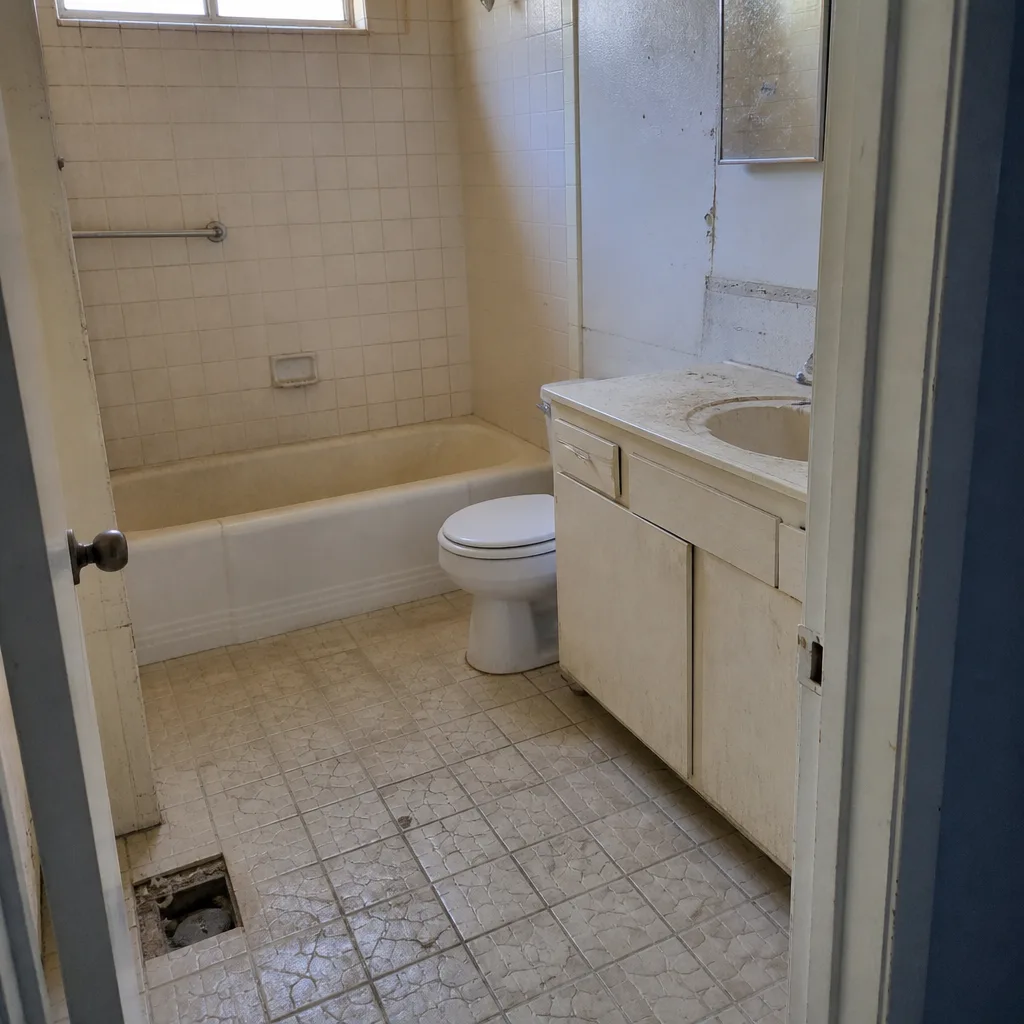 Before
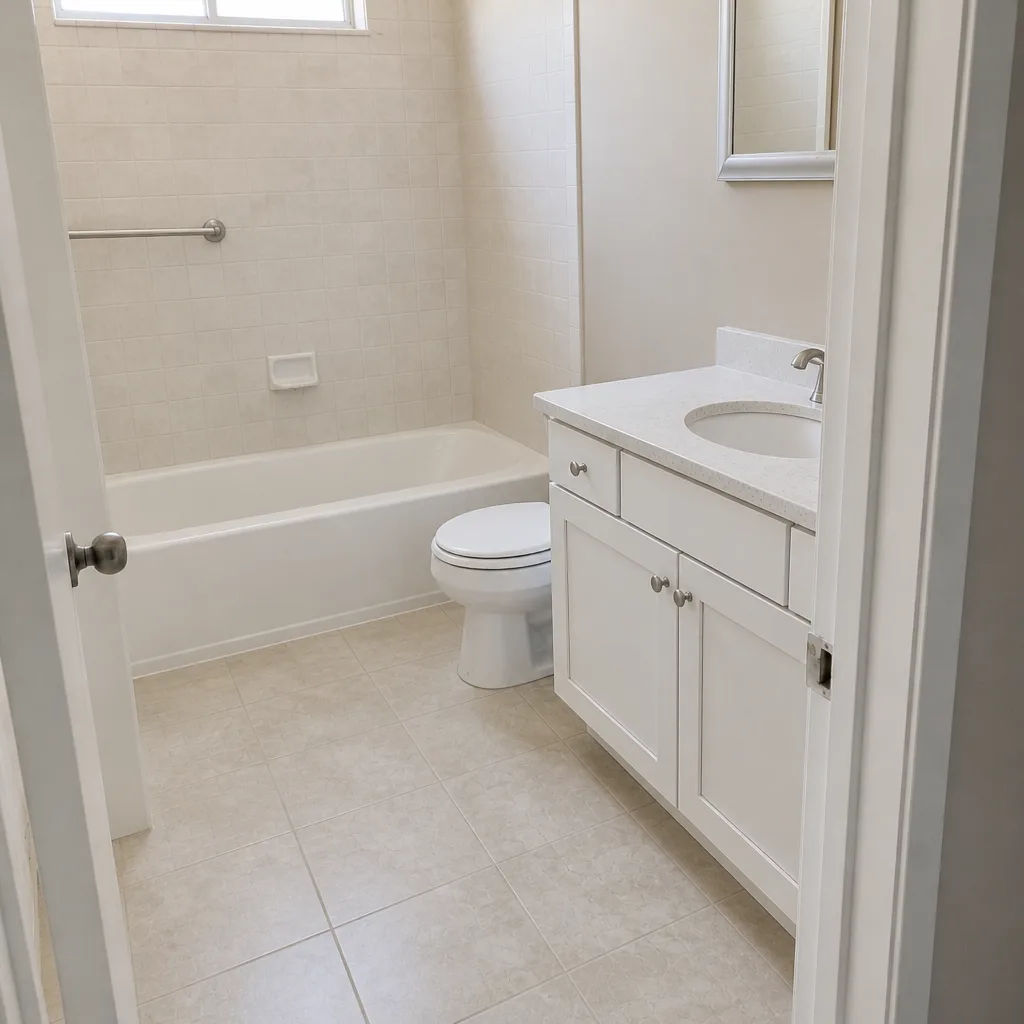 After
When to Call a Professional
Call a licensed pro in Costa Mesa when the scope includes any of the following: electrical panel or circuit work, gas line work, structural changes, roofing or roofing repair over a significant area, wet-area waterproofing, whole-home plumbing, or any project that needs a permit to be legally completed. Also call when you’re selling within a year of a substantial project, when a wall has already been opened and you’ve found something you didn’t expect, or when the scope has grown beyond what you originally planned.
Bradford Remodeling Co Costa Mesa offers free estimates in Costa Mesa – call (855) 659-2556. We work from a written, line-item price before any work begins, backed by the 365-Day Done Right Promise: if the work fails within a year of completion, we return and correct it at no charge. Background-checked, uniformed technicians on every job. A live person answers the phone around the clock. For homeowners wondering whether their bathroom or kitchen scope is a hire or a DIY, our Bathroom Remodeling in Costa Mesa page shows the line-item scope format we use to answer that question.
Frequently Asked Questions
Yes. A kitchen remodel with new plumbing, new electrical, or a changed layout requires a permit, and hiring a licensed contractor is the cleanest way to get one. The contractor applies for the permit in the business name, manages inspections, and hands you a signed written guarantee at close. If you do it yourself as owner-builder, you still need the permit – the exemption doesn’t waive it.
Yes, if you own the property, occupy it as your principal residence, and are willing to accept the responsibilities of being your own general contractor. The exemption does not let you do licensed-trade work yourself, and it restricts selling or renting the property within one year of the permit issuance. Call (855) 659-2556 if you want to talk through whether the owner-builder path makes sense for your scope. Estimates are free.
It becomes a disclosed defect on your Transfer Disclosure Statement, and buyers’ agents in Orange County increasingly demand either retroactive permitting or demolition as a condition of sale. In the worst cases, that means opening walls for inspection, re-doing the work to current code, and paying the retroactive permit fee – all under deadline pressure. The cost is rarely the original project savings. It’s usually a multiple of it.
Paint, trim, cabinet hardware, cosmetic tile on sound substrate, simple landscaping, and similar cosmetic work carries low permit exposure and low resale risk. Anything requiring a permit, anything in a wet area, and anything involving structural, electrical, gas, or roofing is not a safe DIY scope. When the permit fee is the only thing you’re saving, the exposure isn’t worth it.
Not when the scope is documented up front. Our written price is set before work begins, and it doesn’t move at the door. We work with a documented roster of premium brands – KraftMaid and Wellborn cabinetry, Cambria and Caesarstone surfaces, Kohler and Moen fixtures, GAF and James Hardie exterior products, Therma-Tru doors – so specifications are traceable and quality is not left to guesswork. If the scope genuinely changes because of what’s behind a wall, we document it in writing before we proceed. Call (855) 659-2556 for an exact quote. Estimates are free.
Yes. Permits are pulled in the business name and inspections are managed by us for every permitted scope. We also handle the documented warranty that goes with that permit record – every completed project carries the 365-Day Done Right Promise, which is a full year of written coverage. Call (855) 659-2556 to talk through the permit requirements for your specific project. Estimates are free.
The Bottom Line
The DIY-vs-hire question in Costa Mesa comes down to permit exposure and liability, not skill. Cosmetic work that needs no permit is a reasonable DIY scope and always will be. Structural, electrical, gas, roofing, and wet-area work needs a permit, needs a licensed hand, and needs a paper trail that survives a resale inspection. The savings from DIY exist, but they’re real only on the projects where the downside is cosmetic. On everything else, the cost of unpermitted work will find you eventually, usually at closing. If your project falls on the hire side of that line, call a professional and get the price in writing first. That’s the disciplined decision.
If you’re ready for a squared-away project – a written scope, a fixed price, and a signed guarantee in hand at close – our General Contractor in Costa Mesa team can walk the project before a single tool comes out. Call (855) 659-2556 for a free estimate.
Written by the team at Bradford Remodeling Co Costa Mesa.