Last updated November 18, 2026
Free written scope consultation - allowances, timeline, and change-order rules on paper before a single trade is scheduled
Construction Cost Breakdown: The Costa Mesa Homeowner’s Reference for 2026
Orange County construction labor rates are running 18-22% above the California statewide average in 2025. That single fact breaks most cost guides before they even start, because a budget built on a national average is structurally wrong before you’ve picked a contractor or signed a single line. We’ve watched homeowners in Costa Mesa compare five-figure bids against numbers they pulled from a website that averaged Boise and Bakersfield into one figure. This guide does it differently. It breaks a construction budget into its real parts: labor burden, material supply chains, City of Costa Mesa permit fees, and the hidden machinery of a change order. You’ll learn to read a bid line by line instead of comparing the bottom number.
Quick Answer
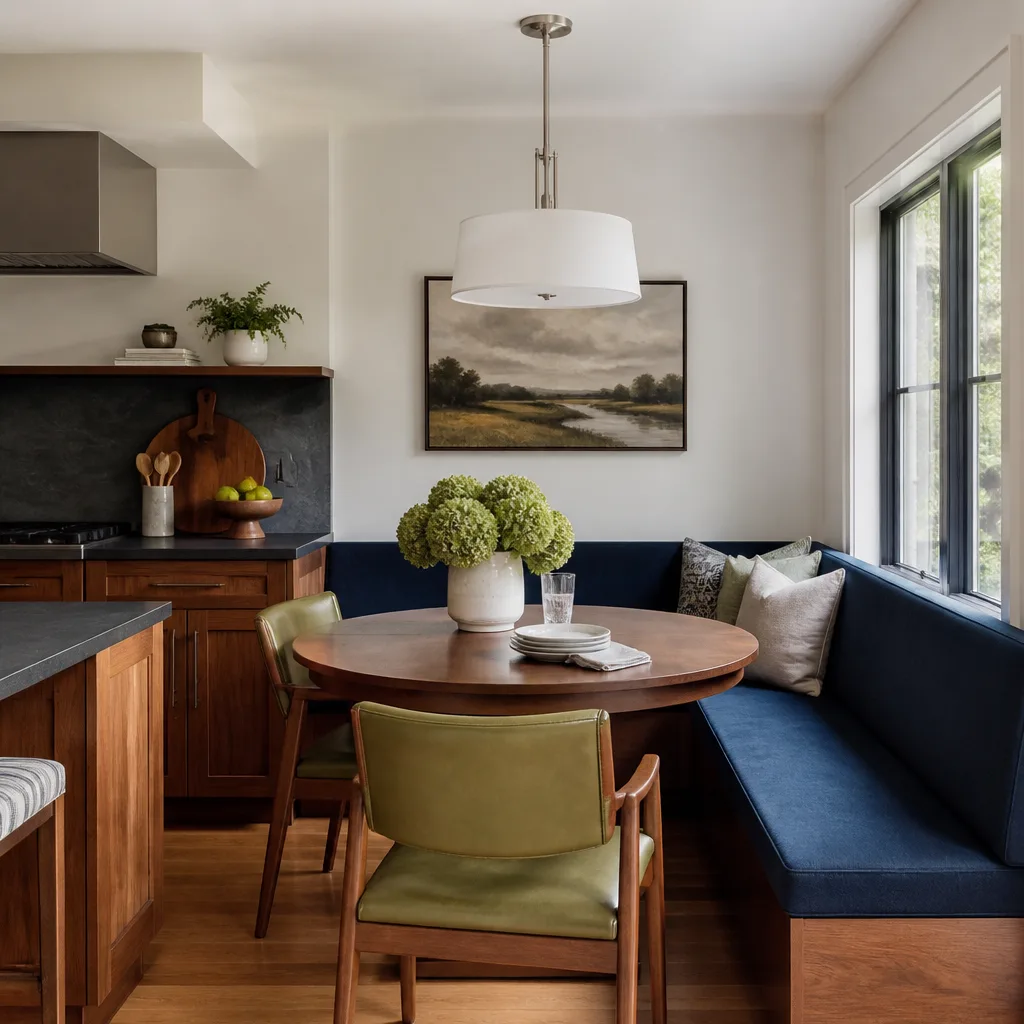
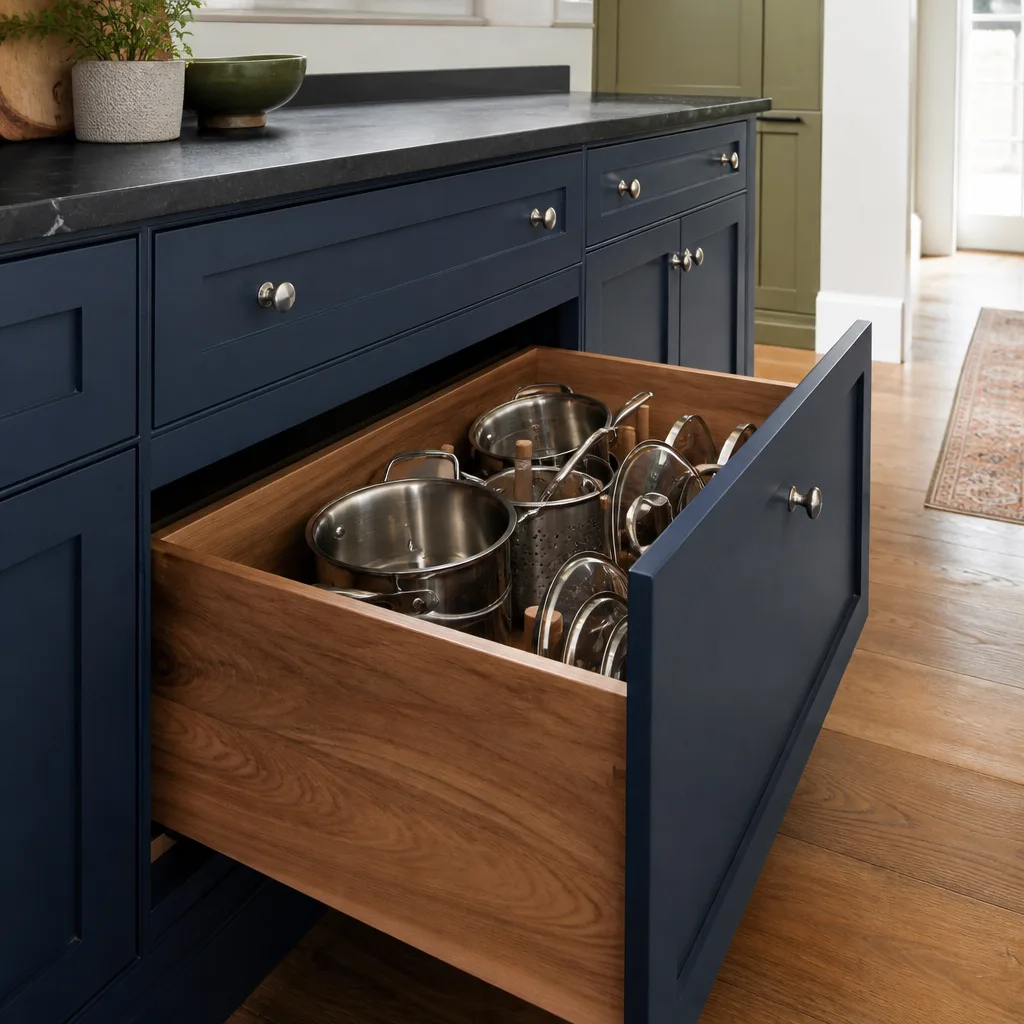
A realistic 2026 construction budget in Costa Mesa is built from four moving parts: labor (which carries a burden rate of 25-40% above the raw wage), materials (volatile in lumber, panels and windows through 2025), permit and inspection fees set by the City of Costa Mesa, and a contingency of 10-15% for scope you can’t see yet. A kitchen remodel in Costa Mesa typically lands between $75,000 and $150,000 depending on layout changes and finish tier, while a bathroom addition runs $90,000 to $160,000 and a detached ADU commonly falls between $180,000 and $350,000. The bottom number matters less than whether every line is traceable.
Styles & brands we work with
- Kitchen remodeling
- Bathroom remodeling
- Home additions & ADU
- Roofing
- Windows & doors
- Driveway & pavers
- Fence
Table of Contents
- The Costa Mesa Labor Market and Why That Hourly Rate Lies
- How to Read a Labor Burden Rate Before You Compare Bids
- City of Costa Mesa Permit Fees for Common Projects
- Material Cost Volatility in the 2024-2026 Window
- The Real Cost of a Change Order
- How a Fixed-Price Contract Closes the Budget Gap
- How to Read a Bid Line by Line
- Common Mistakes to Avoid
The Costa Mesa Labor Market and Why That Hourly Rate Lies
A crew rate is not a wage. When a Costa Mesa contractor quotes you “$85 an hour,” that number is a composite of wages, payroll taxes, general liability insurance, workers’ compensation, and overhead. The wage is only part of it. What matters is the burden rate stacked on top, and in Orange County that burden runs higher than most homeowners expect because workers’ comp for carpentry and roofing is priced to real risk, not a statewide average.
Costa Mesa sits inside a tight labor pool. A framer who can work in Costa Mesa can also work in Newport Beach, Irvine, or Huntington Beach, and those markets bid for the same hands. That competition pushes the effective crew rate up. When you see an $85/hour bid beside a $95/hour bid, don’t assume the first is cheaper. It may be carrying a thinner insurance policy, a shorter crew, or a burden rate that leaves no room for a return visit when something fails.
Here’s what a real hourly rate actually funds:
- Base wage paid to the tradesperson on site.
- Payroll taxes including Social Security, Medicare, and unemployment insurance.
- General liability insurance protecting your home during the work.
- Workers’ compensation, which rises sharply for roof work and framing.
- Overhead for tools, vehicle, supervision, and office time.
We’ve seen homeowners in Costa Mesa pick the low hourly rate and end up paying more when the crew had no labor left in the budget to correct a rough-in. Our technicians have up to 22 years of experience, and part of what that experience teaches is where a cheap rate hides its cost. Our General Contractor in Costa Mesa page walks through how a disciplined crew is staffed and supervised.
How to Read a Labor Burden Rate Before You Compare Bids
The labor burden rate is the multiplier a contractor applies to a wage to cover everything that isn’t the wage. Ask for it directly. A legitimate contractor will tell you the burden sits somewhere between 25% and 40% depending on trade and insurance classification. A contractor who can’t explain their burden rate is quoting you a number they haven’t thought through.
Do the math on a simple example. Crew A quotes $85/hour with a 22% burden and no general liability coverage itemized. Crew B quotes $95/hour with a 38% burden that includes workers’ comp and general liability. On the surface Crew A is $10 cheaper. But Crew A’s number leaves too little to cover the return visit when a substrate fails, and the homeowner pays for that correction out of pocket. Crew B’s number carries the cost of doing it right the first time.
- Ask for the burden rate in writing. It should appear as a percentage of the base wage.
- Confirm what the burden covers. Workers’ comp, general liability, payroll taxes, and overhead should each be named.
- Ask who supervises the crew. Supervision time is part of burden and often the first thing cut.
- Ask what the return-visit policy is. A burden that funds a return visit is a burden that protects your budget.
- Compare total loaded cost, not the headline rate. Multiply the wage by the burden and add materials.
In Costa Mesa, we quote against a written price before work starts, so the burden is already baked into the number you see, not added later at the door. That’s part of The Garrison Standard. The Bradford Remodeling Co Costa Mesa home page explains how the framework applies across every project.
City of Costa Mesa Permit Fees for Common Projects
Permit fees are non-negotiable and non-trivial. Costa Mesa sets its fees from a published schedule tied to valuation, and a kitchen remodel, a bathroom addition, and an ADU each land in different fee tiers. A contractor who can’t show you the fee line on their bid is either guessing or planning to bury it.
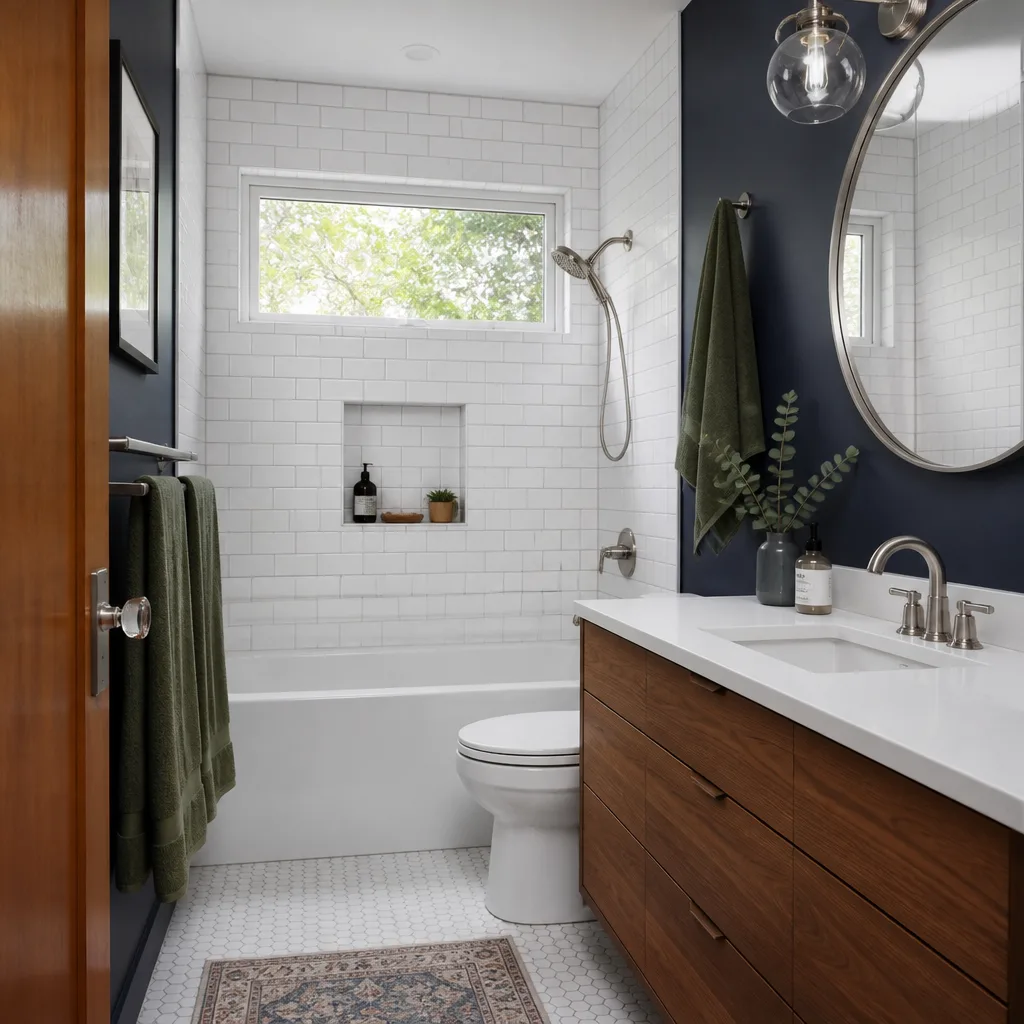
For a kitchen remodel in Costa Mesa, permit fees typically fall in the $1,500 to $3,500 range depending on whether you’re moving plumbing or electrical. A bathroom addition usually runs $2,500 to $5,000 because the fee is tied to valuation and inspection count. A detached ADU is the largest line: fees commonly land between $6,000 and $15,000 once you account for plan check, building permit, electrical, plumbing, mechanical, and school district fees.
A few Costa Mesa-specific details worth knowing:
- Plan check fees are assessed separately from the building permit and scale with project valuation.
- Inspection fees are often bundled but the number of required inspections varies by scope.
- School district fees apply to new square footage in some cases and can add several thousand dollars to an ADU.
- Fire and coastal overlays may add review. Costa Mesa’s location near the coast means certain projects get extra review steps.
We pull the permits and pass the inspections as part of the scope. If a bid shows a permit line without a fee attached, that’s a gap. For a deeper look at how permits fit into a kitchen project, see our Kitchen Remodeling in Costa Mesa page.
Material Cost Volatility in the 2024-2026 Window
Materials don’t hold still. Between 2024 and 2026, three line items have swung harder than the rest, and any of them can blow up a budget that was priced six months ago.
Lumber has shown the widest variance. Dimensional lumber and engineered framing materials moved 15-25% across the window depending on season and supply. A Costa Mesa homeowner who priced a project in the spring and started in the fall saw their framing line shift by thousands.
Electrical panels have been the second hot spot. Panel and service equipment lead times and prices moved together, and a panel upgrade that was $2,800 in 2024 could run $4,500 in 2026. That matters because a kitchen remodel often triggers a panel upgrade once the new appliances load the service.
Windows and doors round out the top three. Lead times tightened and prices climbed through 2025. Brands like Therma-Tru held price more steadily than commodity windows, which is one reason we specify documented premium products rather than whatever the supply chain has on hand.
Here’s how to protect your budget against material volatility:
- Lock materials at signing, not at delivery.
- Ask for a fixed-price contract with a material escalation cap, not an open book that floats with the market.
- Specify brands with published price sheets and manufacturer warranties so the number is traceable.
- Price the electrical panel line early, before finishes are chosen.
- Build in a 10% contingency for material you haven’t seen yet.
We install a documented roster of premium brands (KraftMaid, Wellborn, Cambria, Kohler, GAF, James Hardie, Therma-Tru among them), so a specification doesn’t drift once the contract is signed.
The Real Cost of a Change Order
The line-item addition on a change order is not the cost of the change order. That’s just the number the contractor writes down. The real cost includes schedule delay, re-inspection fees, and the re-sequencing of labor that never appears on the paper.
A change order that adds a day to the schedule can delay the electrician, the plumber, and the drywall crew by three days because they’ve already been rescheduled to another job. A change that moves a wall can trigger a re-inspection that costs the contractor a return trip and costs you a week. In Costa Mesa, a single re-inspection on a kitchen project can add $300 to $600 in fees and a week of idle time.
We’ve seen homeowners in Costa Mesa pay $2,000 on a change order and absorb another $4,000 in indirect cost without ever seeing a line for it. That’s the gap the fixed-price contract is designed to close.
- Line-item addition: what the contractor charges for the change itself.
- Schedule delay: days added to the project, and the labor cost of re-sequencing.
- Re-inspection fees: the cost of returning inspectors to the site.
- Re-sequencing labor: the cost of moving trades out and back in.
- Crew idle time: wages paid to trades who can’t work while the change is approved.
The way to read a change order is to look at the total elapsed time it adds, not just the number on the bottom line. Our Bathroom Remodeling in Costa Mesa page shows how we scope a small project to minimize the change-order surface.
How a Fixed-Price Contract Closes the Budget Gap
A fixed-price contract does one thing a cost-plus contract cannot: it makes the contractor’s budget match yours. The number is set before tools come out and doesn’t move unless the scope changes through a signed change order. The Garrison Standard requires a written price before work starts, every time, no exceptions.
What fixed-price actually covers is the full scope as written: labor at the contracted burden rate, materials specified by brand and model, permits and inspections, supervision, cleanup, and disposal. What falls legitimately outside it is scope you add after signing, hidden conditions discovered during demolition (rot behind tile, undersized framing, obsolete wiring), and homeowner-supplied selections that exceed the allowances in the contract. Those are the only lines that move, and each one requires a signed change order before we proceed.
We pair that fixed price with the 365-Day Done Right Promise. Every completed project carries a full-year written guarantee. If the work fails inside that window, we return and correct it at no charge. That’s what the price is really buying: a number that holds, and a crew that comes back if it doesn’t.
Before the crew arrives, you know exactly who is walking through your door. Our technicians are background-checked and uniformed, and someone picks up the phone 24/7 if a question comes up mid-project. That’s not a courtesy. It’s a condition of the model.
How to Read a Bid Line by Line
A bid is a document, not a number. Two bids on the same Costa Mesa kitchen can both say “$120,000” and represent completely different work. The way to protect yourself is to read each line and ask what it actually buys.
- Read the scope statement first. It should name what’s included and what isn’t. If everything is “included,” nothing is.
- Find the labor rate and the burden rate. Both should be visible, not buried in overhead.
- Trace materials to brands and models. KraftMaid, Cambria, Kohler, Therma-Tru and the like have published specs and warranties.
- Check the permit line. It should show fees and who pulls them.
- Look for a contingency line. A bid with no contingency is a bid with a hidden change order waiting.
- Confirm the guarantee in writing. Ask where the 365-Day Done Right Promise appears on the document.
- Ask for the schedule. A bid without a timeline is a bid without a budget.
We’ve walked Costa Mesa homeowners through this line by line, and the pattern is always the same: the bid with the thinnest scope is usually the one that grows the most. Our full scope of general contracting, kitchen, and whole-home work runs through the same discipline. If you’re planning a hardscape or exterior project, we work with Belgard and Techo-Bloc among others, and the same brand documentation applies.
Common Mistakes to Avoid
- Comparing bottom numbers instead of scope. A low bid usually means a thin scope. Read what’s included before you compare the price.
- Accepting an hourly rate with no burden explained. A rate without a burden is a rate that will move. Ask for the percentage.
- Ignoring the electrical panel line. A kitchen upgrade in Costa Mesa often triggers a panel upgrade, and that’s the line most budgets miss.
- Pricing materials before the contract. Material prices move 15-25% across a project window. Lock materials at signing, not at delivery.
- Treating a change order as a line item. The schedule delay and re-inspection cost more than the written number. Read the elapsed time.
- Skipping the permit fee check. Costa Mesa permit fees for an ADU can reach $15,000. A bid without a permit line is a bid with a gap.
- Not confirming the guarantee in writing. A verbal guarantee is a promise. A written one is the only thing you can hold a contractor to.
See the difference
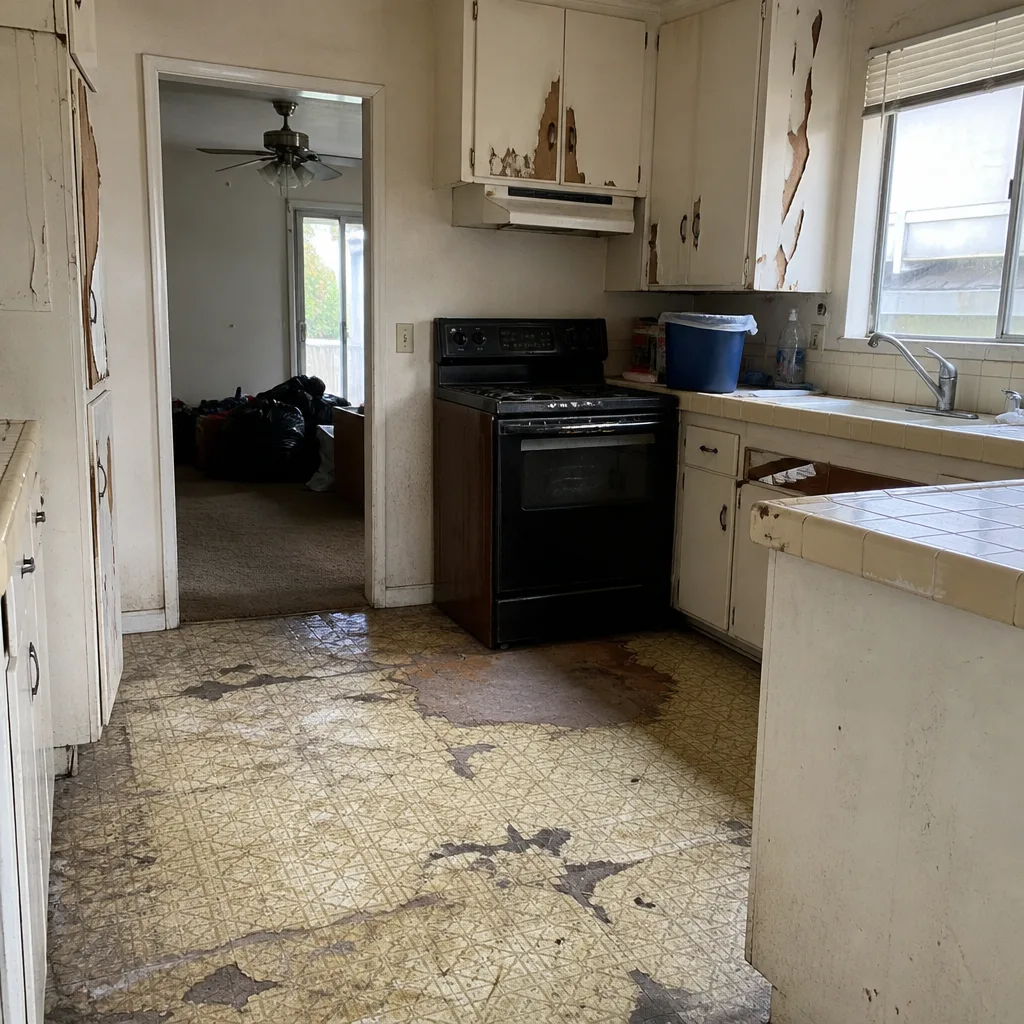 Before
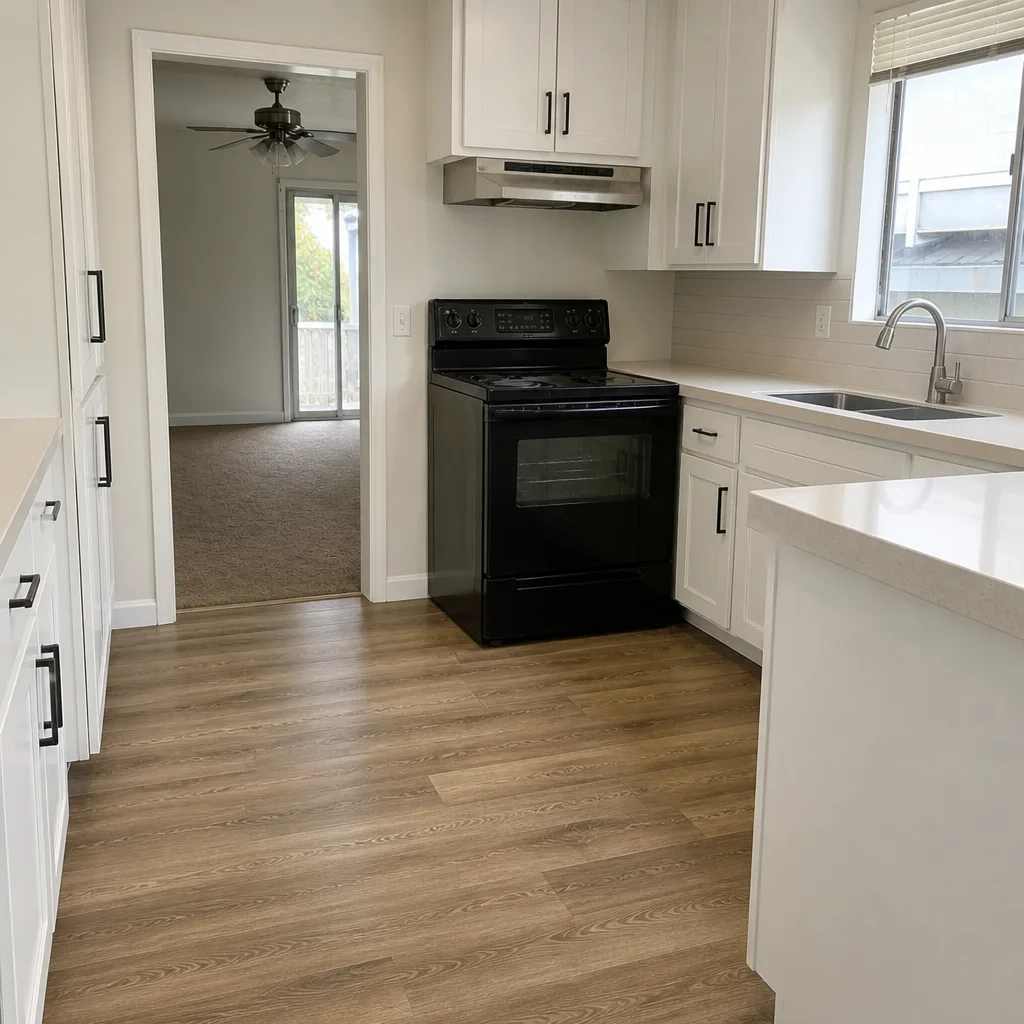 After
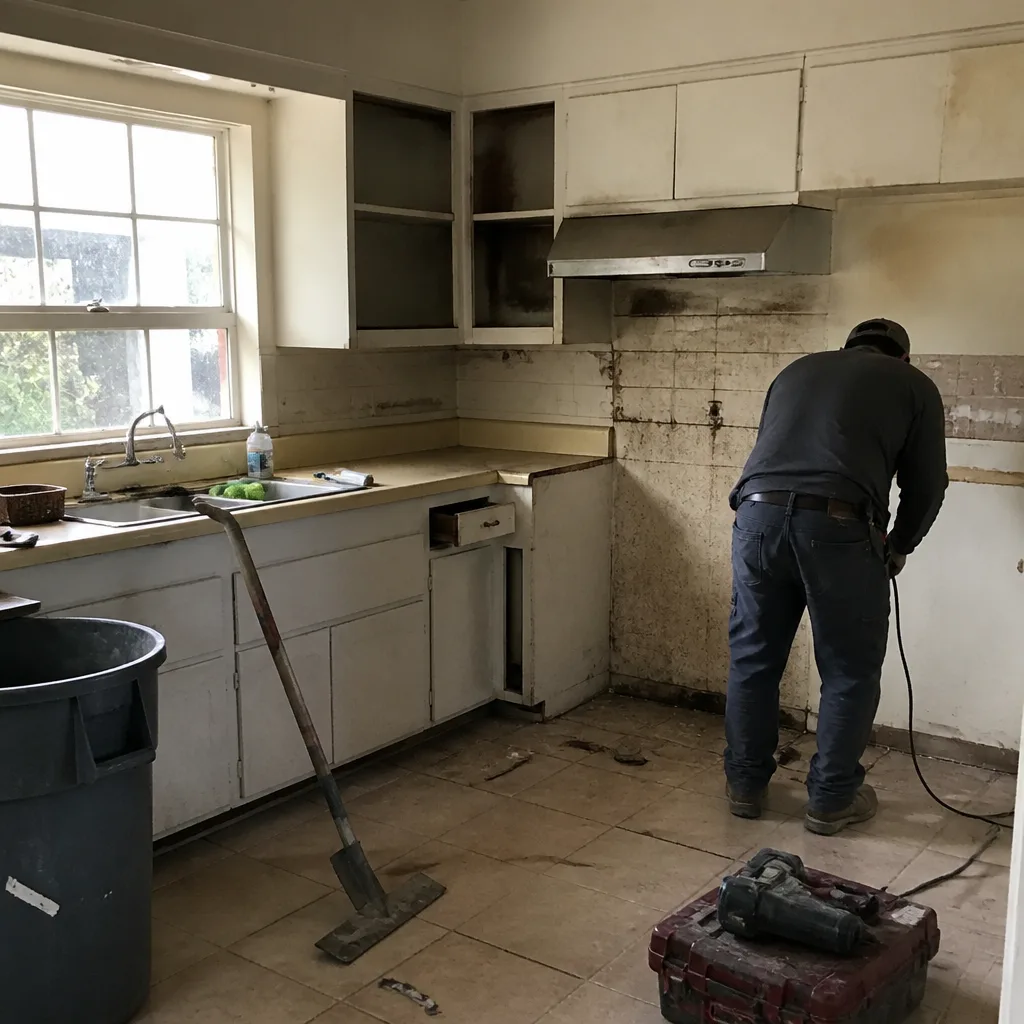 Before
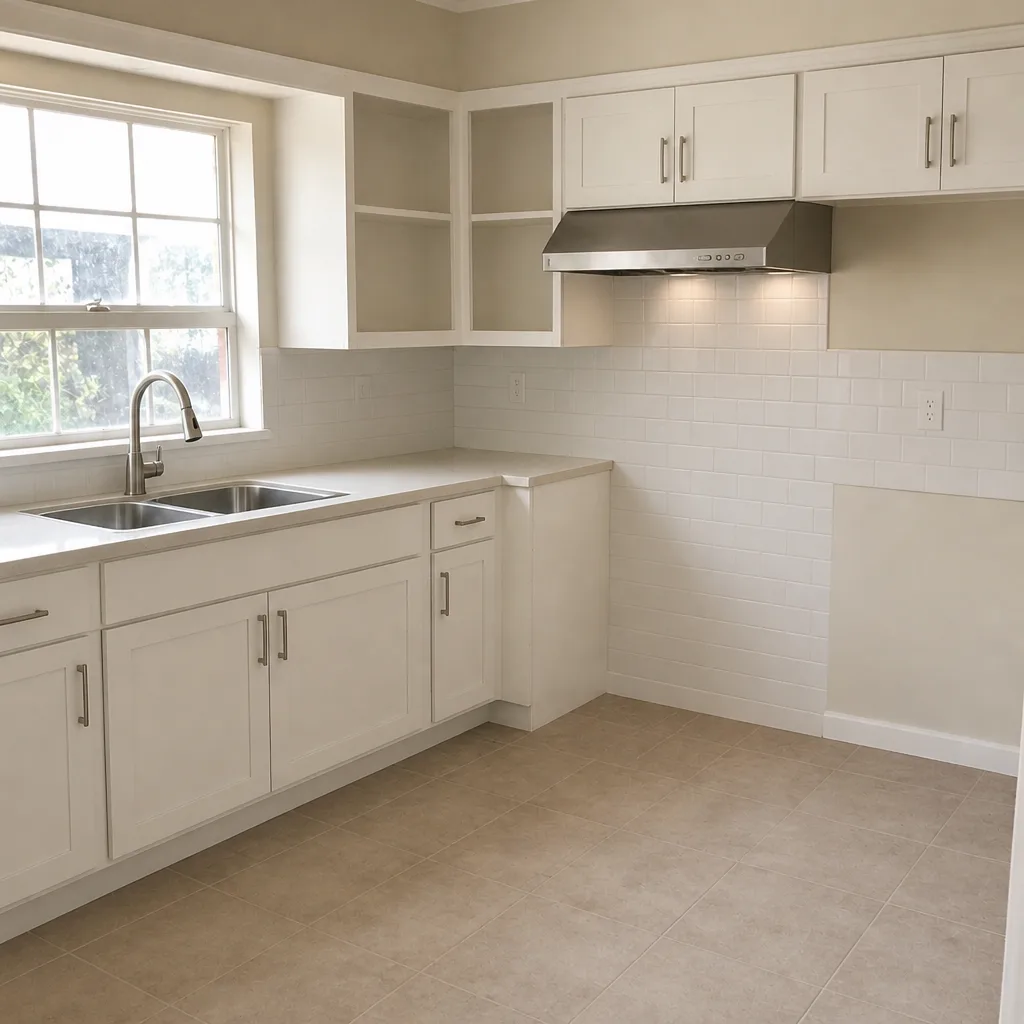 After
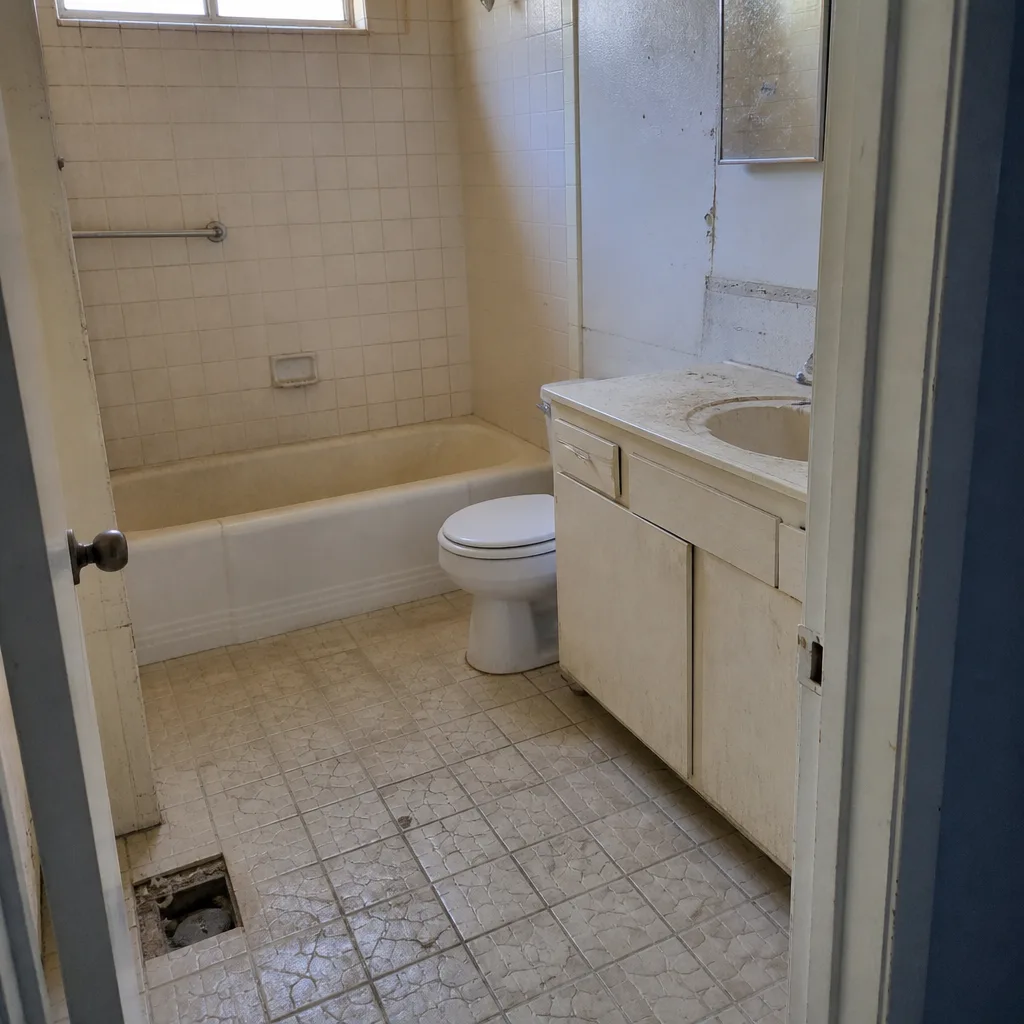 Before
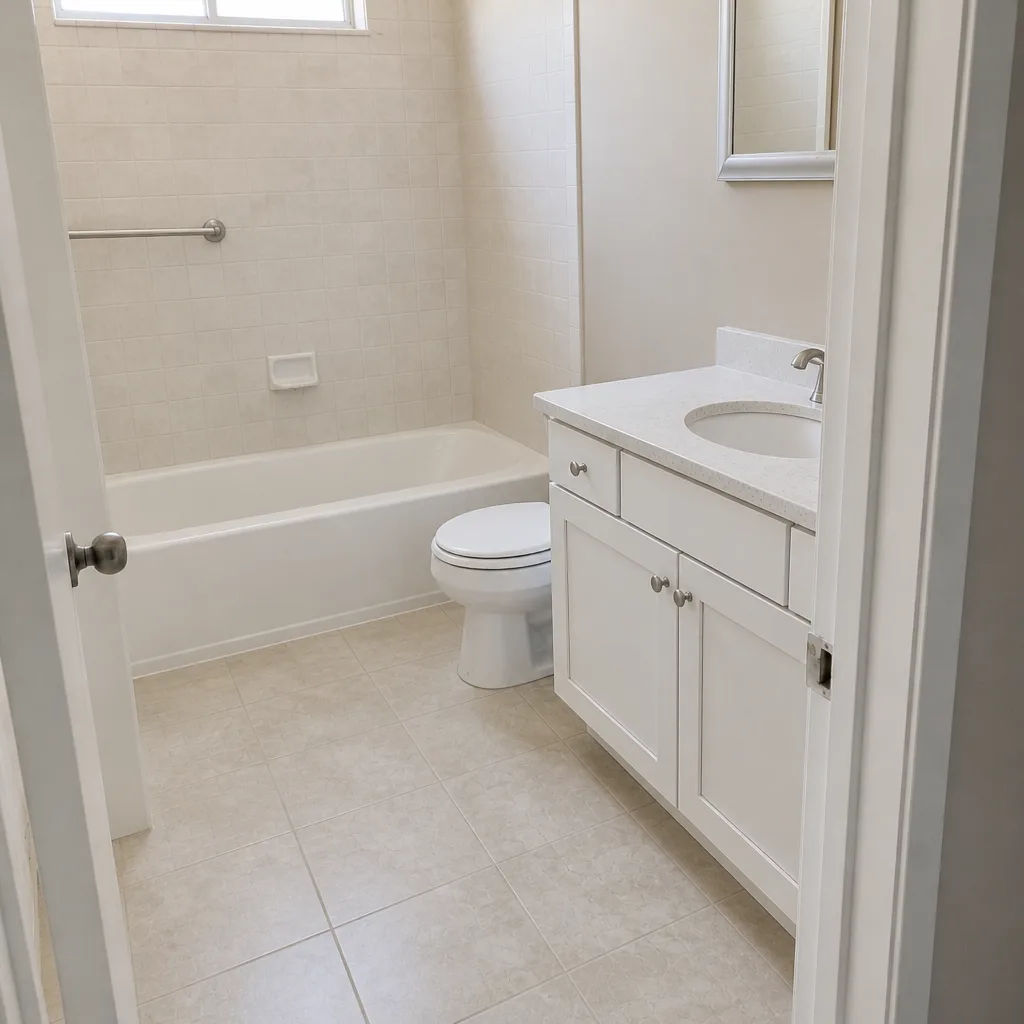 After
When to Call a Professional
Some projects are weekend work. Others carry real risk: moving a load-bearing wall, upgrading an electrical service panel, replacing plumbing rough-in, or anything that touches structural framing. Those are the jobs where a mistake doesn’t show up for months and then costs five figures to fix. If your project requires a permit in Costa Mesa, it requires a licensed professional. If it involves gas, high-voltage electrical, or structural change, it’s not a DIY job regardless of what a video shows. The safe call is to price it with a contractor who puts the scope in writing and stands behind the work for a full year. Bradford Remodeling Co Costa Mesa offers free estimates in Costa Mesa. Call (855) 659-2556 to schedule yours.
Frequently Asked Questions
A kitchen remodel in Costa Mesa typically runs $75,000 to $150,000, depending on whether you’re moving plumbing or electrical and which finish tier you choose. The spread comes mostly from labor burden, panel upgrades, and material selection. Call (855) 659-2556 for an exact quote. Estimates are free.
Because the burden rate changes the math. An $85/hour rate with a thin burden often leaves no room for insurance, supervision, or a return visit, and the homeowner pays for those gaps afterward. A $95/hour rate with a full 38% burden already funds the work being done right. Compare loaded cost, not the headline rate.
Detached ADU permit fees in Costa Mesa commonly land between $6,000 and $15,000 once plan check, building permit, electrical, plumbing, mechanical, and school district fees are counted. The number scales with valuation and inspection count. We pull the permits and pass the inspections as part of scope. Call (855) 659-2556 for a project-specific estimate.
Not on a fixed-price contract under The Garrison Standard. The written price is set before work begins and only moves through a signed change order for scope you add or hidden conditions discovered during demolition. Our technicians have up to 22 years of experience, and part of that is identifying hidden conditions before they become surprises. Call (855) 659-2556 for a written quote.
Lumber, electrical panels, and windows have been the three highest-variance lines across the 2024-2026 window. Lumber swung 15-25%, panels rose from roughly $2,800 to $4,500 on a typical upgrade, and windows climbed on both price and lead time. A fixed-price contract with materials locked at signing protects against those swings.
A kitchen remodel typically runs eight to twelve weeks, a bathroom addition ten to sixteen weeks, and a detached ADU six to ten months including permit review. The timeline depends on scope, inspection scheduling with the City of Costa Mesa, and material lead times. Call (855) 659-2556 to get a schedule attached to your estimate.
The Bottom Line
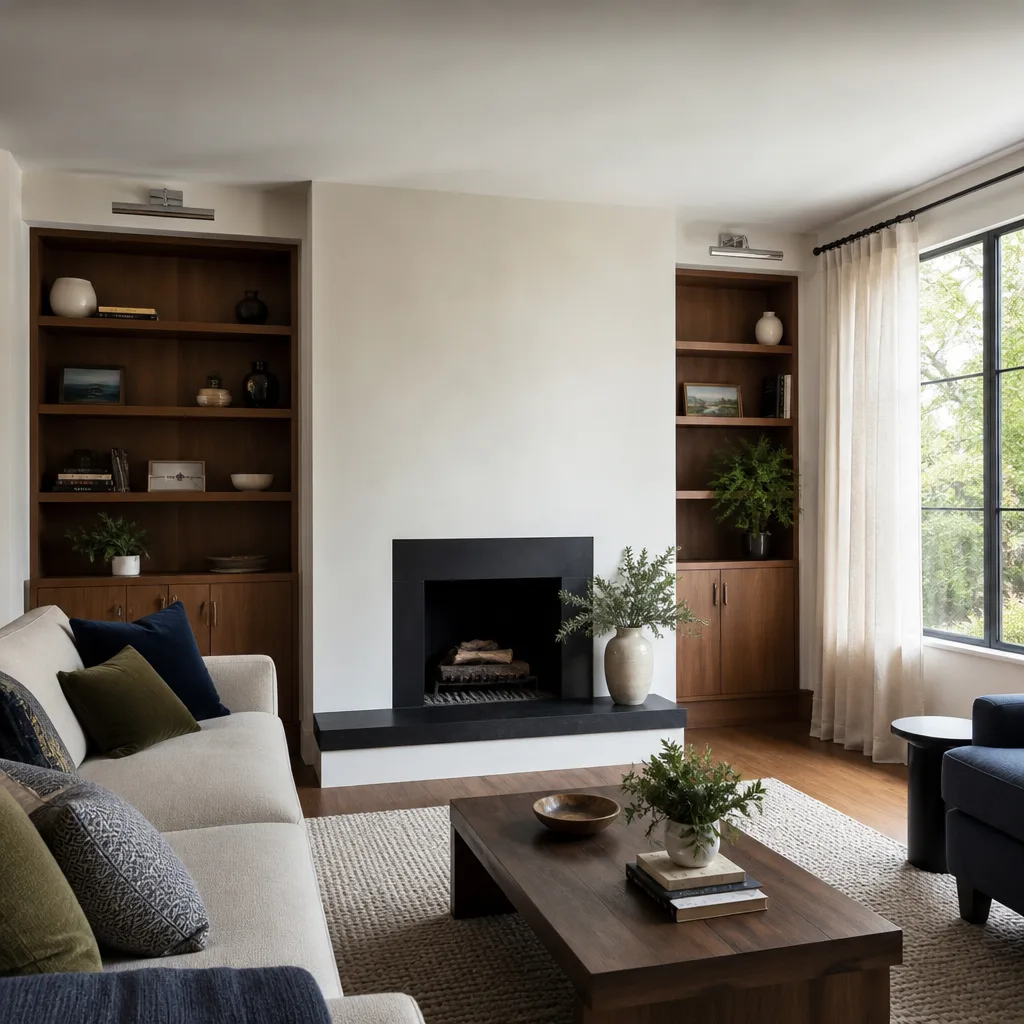
A construction budget is a set of components, not a single number. Labor at a loaded burden rate, materials locked against volatility, permits and inspections priced from the City of Costa Mesa schedule, and a contingency that absorbs what you can’t see yet. Read every bid line by line. Compare loaded labor cost, not headline rates. Treat a change order as a schedule cost, not just a line addition. And put the price and the guarantee in writing before any work starts. That’s the discipline behind The Garrison Standard, and it’s how a Costa Mesa homeowner closes the gap between budget expectation and final invoice.
Ready to price your project line by line? Bradford Remodeling Co Costa Mesa puts every price and every guarantee in writing before work starts, backed by the 365-Day Done Right Promise. Call (855) 659-2556 for a free estimate and a written scope you can compare against any other bid.
Written by the team at Bradford Remodeling Co Costa Mesa.