Last updated November 18, 2026







Free written scope consultation - allowances, timeline, and change-order rules on paper before a single trade is scheduled
General Contractor Maintenance Checklist for Costa Mesa Homeowners
The number-one source of deferred damage in Costa Mesa homes isn’t the occasional rainstorm. It’s slow saltwater corrosion on galvanized fasteners and flashing in the coastal wind zone, damage that gets misread as surface rust for five years before the sheathing behind it fails. We’ve watched a homeowner in Eastside chalk up a rusted nail head to “cosmetic” and then re-frame a window when the framing behind it rotted through. This checklist is organized by trade, not by season, because that’s how the work actually gets done. Hand the plumbing section to your plumber and the stucco section to your stucco guy.
Quick Answer
A Costa Mesa home needs a trade-by-trade maintenance review once a year, with fastener and flashing inspection every second year in the coastal wind zone. The work splits into plumbing, electrical, HVAC, envelope (stucco and paint), structural (crawlspace and framing), and roofing, and each trade has a specific interval and a specific failure pattern in this city. Doing this on paper, with dates, is what separates a documented home from one that surprises you at inspection.
Styles & brands we work with
- Kitchen remodeling
- Bathroom remodeling
- Home additions & ADU
- Roofing
- Windows & doors
- Driveway & pavers
- Fence
Table of Contents
- Fasteners and Flashing in the Coastal Corrosion Zone
- Stucco Hairline Cracks vs. Structural Cracks
- Crawlspace Vapor Barrier and Drainage
- HVAC and Ductwork in a Mild-Climate Home
- Plumbing and Water Heater Checks
- Electrical Panel and Outlet Inspection
- How to Log Findings So They Help at Permit Time
- Common Mistakes to Avoid
Fasteners and Flashing in the Coastal Corrosion Zone
Costa Mesa sits close enough to the ocean that salt-laden air reaches most neighborhoods. The western edge toward the Santa Ana River and the tracts near the Fairgrounds see the worst of it. Galvanized fasteners are the standard for exterior work, and they’re fine in dry climates. Here they fail in a predictable pattern: a white or orange crust forms on the nail head or bolt, water wicks behind the flashing, and the sheathing behind it softens before anything shows on the inside wall.
What to look for
- White chalky residue on galvanized nails, bolts, or joist hangers – that’s zinc oxide, the first sign the galvanizing is going.
- Orange-brown rust bleeding onto stucco or trim at the fastener head.
- Flashing at window heads and door thresholds that shows rust streaks running down the wall.
- Joist hangers in the crawlspace with any visible rust scale, which is important because those carry load.
When it’s structural, not cosmetic
A rusted nail head on a fascia board is a paint-and-fill job. Rusted joist hangers, anchor bolts, or ledger fasteners carrying structural load are a different problem entirely. If you can flake metal off with a fingernail, the fastener has lost section and needs replacement, not a coat of rust converter. On the ocean side of Costa Mesa we recommend stainless fasteners for any exterior re-cladding, and we specify them in writing on every scope so there’s no swap-out mid-job.
Stucco Hairline Cracks vs. Structural Cracks
Stucco is the standard exterior finish on the vast majority of Costa Mesa homes built between the 1950s and the 1990s, and it cracks. Some cracks matter and some don’t, and knowing the difference saves you from either over-repairing or missing real damage.
The normal thermal-movement crack
Hairline cracks under about 1/16 inch, running vertically or in a spiderweb near window corners, are almost always thermal movement. Stucco expands and contracts through the day, and a crack that width lets no water past the surface. Fill it with elastomeric caulk, paint it, and move on.
The cracks that mean trouble
- Stair-step cracks following a masonry joint pattern – these often indicate foundation settlement, and in Costa Mesa they show up more often on the Westside where soil is heavier.
- Cracks wider than 1/8 inch, especially ones that widen over a season.
- Diagonal cracks running from window or door corners outward – these suggest framing movement behind the lath.
- Any crack where the stucco sounds hollow when tapped – that means the stucco has debonded from the lath, and water is already getting behind it.
If you’re seeing the second set of signs, get it looked at by a contractor who will open a small inspection patch before writing a scope. A stucco repair bid written without opening the wall is a guess.
Crawlspace Vapor Barrier and Drainage
The lower Mesa neighborhoods sit over clay-heavy soil with a high water table. That combination means crawlspaces here hold moisture far longer than inland homes, and a failed vapor barrier turns into framing rot within a few seasons. Inspect the crawlspace every two years at minimum, once a year if you smell mustiness inside the house.
Vapor barrier inspection, step by step
- Look at the barrier itself. Six-mil poly is the common standard; if it’s torn, pulled back, or overlapping less than 12 inches at the seams, it’s not doing its job.
- Check how the barrier is held to the foundation walls. It should run up the piers and be mechanically fastened, not just laid over the dirt.
- Feel for standing water or mud on top of the barrier. If water is pooling on top, you have a drainage problem or groundwater intrusion, and the barrier is masking it, not fixing it.
- Look at the bottom plates and joist ends for dark staining or soft wood. Rusted anchor bolts here are a red flag for long-term moisture.
- Check the foundation vents. In Costa Mesa they’re often blocked by landscaping or painted over during a remodel; both defeat the venting.
If the crawlspace smells earthy and damp, or you find any wood that gives under a screwdriver, that’s a same-week call. Moisture in a crawlspace in a clay-soil neighborhood does not resolve on its own.
HVAC and Ductwork in a Mild-Climate Home
Most of the country runs their HVAC a few months a year. Costa Mesa runs it year-round, which means a system here accumulates far more run-time hours than the manufacturer’s service interval assumes. A system rated for a 15-year life in a cold-climate home can wear out faster here simply because it’s working more hours per year.
Recommended intervals
- Filter change: every 60 to 90 days year-round. Not the seasonal “change it in spring” advice, because there’s no off season here.
- Professional tune-up: once a year, ideally before the hot months. A tune-up catches refrigerant issues and blower problems before they cost you a compressor.
- Ductwork inspection: every three years, or immediately if you notice uneven cooling between rooms. Attic ducts in Costa Mesa attics cook in summer, and duct tape fails at temperature.
- Condensate line flush: every six months. A clogged line in a mild climate backs up quietly and shows up as water damage inside a wall.
If your system is over 12 years old, get a run-time estimate from your HVAC tech and compare it against what a replacement would cost. In a house that runs year-round, an aging compressor is a real number, not a someday thing.
Plumbing and Water Heater Checks
Costa Mesa’s older housing stock, particularly the 1950s and 1960s tracts, still has a lot of galvanized supply plumbing that’s nearing or past the end of its service life. Hard water in this region accelerates scale buildup, and once interior flow drops, the pipes are already failing.
Annual plumbing checks
- Water heater: flush the tank once a year. Look for rust at the base or on the fittings; on a tank unit, rust at the base usually means the tank is close to failing.
- Supply pressure: have it checked against the manufacturer’s spec. High pressure stresses every fitting in the house.
- Under-sink and appliance shutoffs: open and close each one to make sure it still turns. A shutoff that won’t close is a small problem until the day you need it.
- Galvanized supply lines: check for reduced flow and discolored water at the taps. If the water runs brown after a shutoff, the pipe interior has scaled.
When you replace fixtures, choose a documented brand so parts are traceable decades later. Delta and Toto both have service networks that go back decades on their cartridge and fill-valve parts, which matters when the original spec sheet is long gone.
Electrical Panel and Outlet Inspection
Electrical work is not a do-it-yourself item. Panels carry enough current to kill, and code has tightened significantly across California in the last 20 years. Your job as a homeowner is to know what to look at and when to call.
What to check visually, never by opening the panel
- Any scorch marks or discoloration around breaker slots or on the panel cover.
- Breakers that trip repeatedly without a known cause.
- Outlets that feel warm to the touch or are discolored around the slots.
- Lights that flicker when appliances turn on – often a loose neutral or a failing panel connection.
- Older panels that predate the current code cycle, which is worth a professional assessment before you add any load like an EV charger or a heat pump.
If you’re buying in Costa Mesa, have the panel photographed and labeled during the inspection. It saves a lot of time later when you’re pulling permits for a kitchen or bath remodel and need to document the existing service.
How to Log Findings So They Help at Permit Time
This is the part most checklists skip. A maintenance finding written on a napkin is worth nothing at permit time. A finding written with a date, a location, a photo, and the action taken is worth a lot – it shows inspectors and contractors that the home has been looked after, and it can shorten the conversation about what’s pre-existing versus what needs correcting.
The format that works
- One log file, one color, one folder. Use a notes app or a paper binder, but keep it in one place.
- Every entry gets a date, the room or exterior face, the trade, and a photo.
- Use the trade’s real words: “stucco debond at north-facing window head,” not “crack near window.”
- Note the action: filled, replaced, monitored, referred.
- File the receipts for any professional work in the same log. When you sell, that bundle is worth more than the sum of its parts.
When a contractor bids a remodel or a Bathroom Remodeling in Costa Mesa project, a documented log lets them price the scope accurately rather than adding a contingency line. That’s a direct dollar benefit to you.
Common Mistakes to Avoid
- Treating rust as cosmetic. On a nail head that’s fine; on a joist hanger or anchor bolt it’s structural. The location matters more than the color.
- Sealing stucco cracks without diagnosis. Filling a crack that indicates settlement hides the evidence and lets the movement continue behind a fresh paint job.
- Skipping the crawlspace because it’s unpleasant. In Costa Mesa’s clay soil and higher water table, the crawlspace is where you learn what’s actually happening to your framing.
- Using cold-climate maintenance intervals. Change the HVAC filter on run-hours, not on a spring-and-fall schedule; those two dates don’t apply here.
- Blocking foundation vents with landscaping. A hedge against the foundation wall looks tidy and stops the venting the crawlspace needs.
- Hiring a contractor who won’t put the price in writing. A verbal price is a price that moves at the door, and maintenance work is no exception.
- Replacing fixtures with off-brand parts. When a cartridge or fill valve fails in eight years, a documented brand means you can find the part.
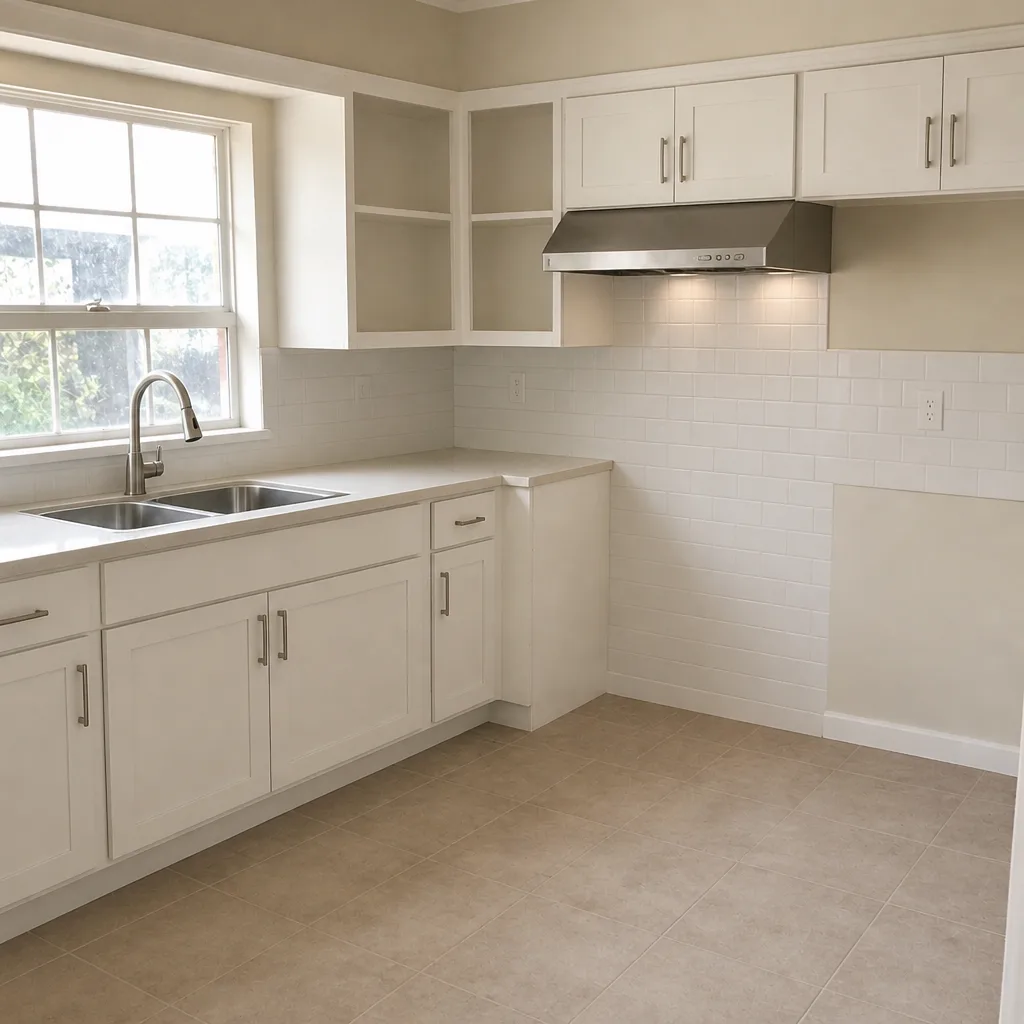
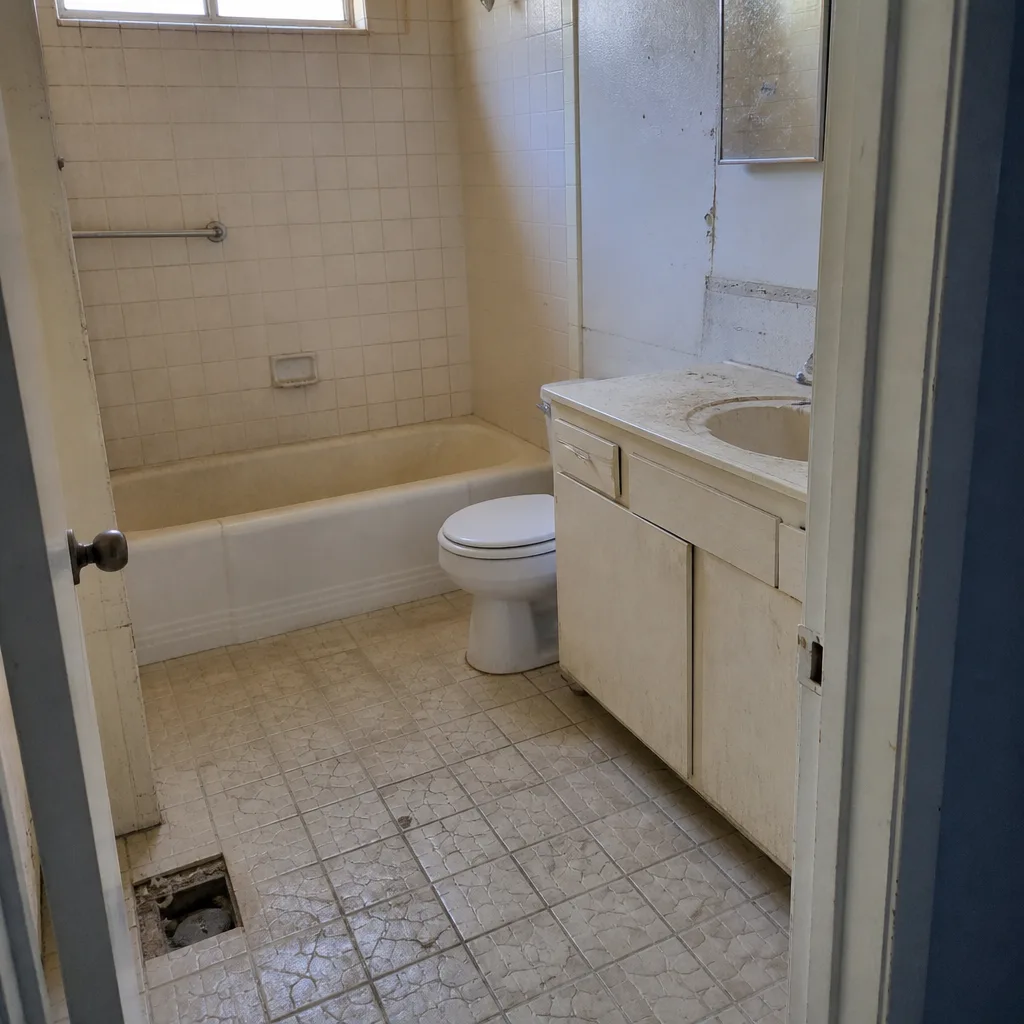
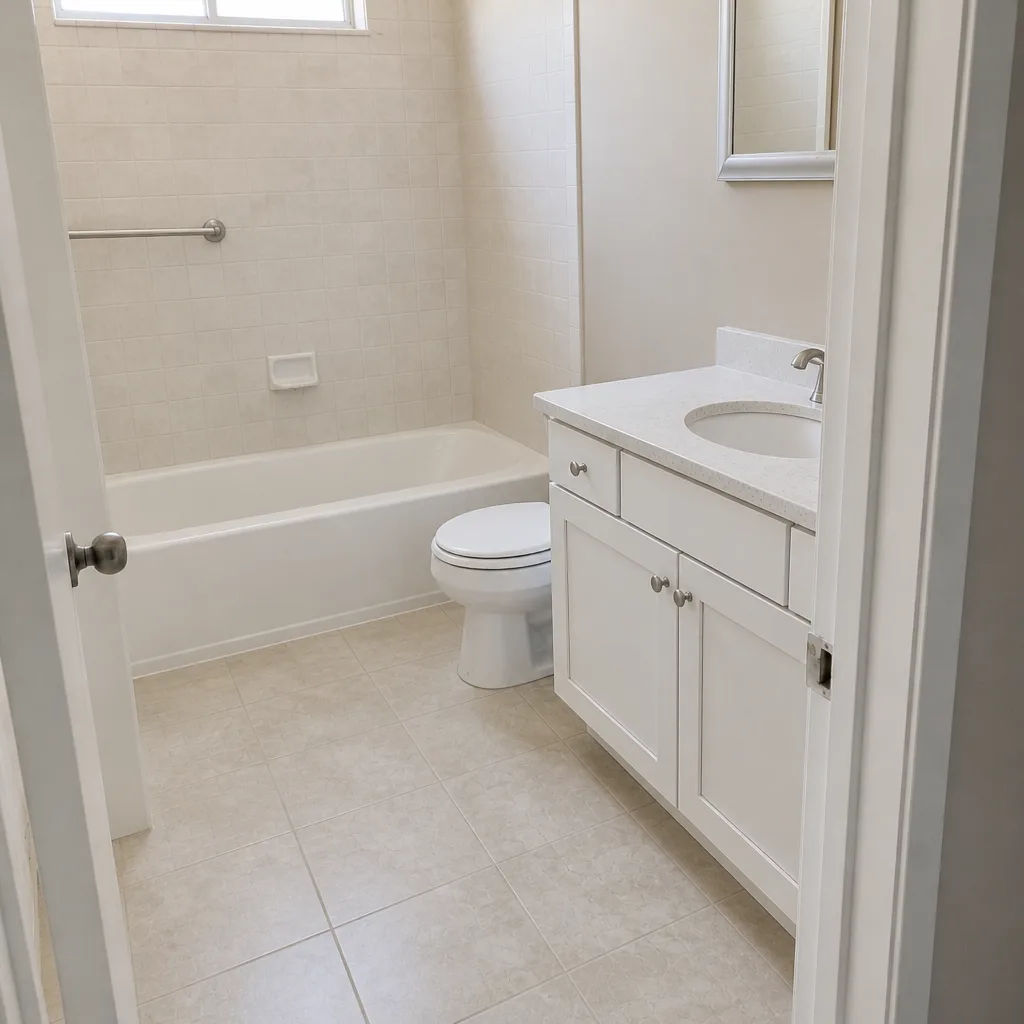
See the difference
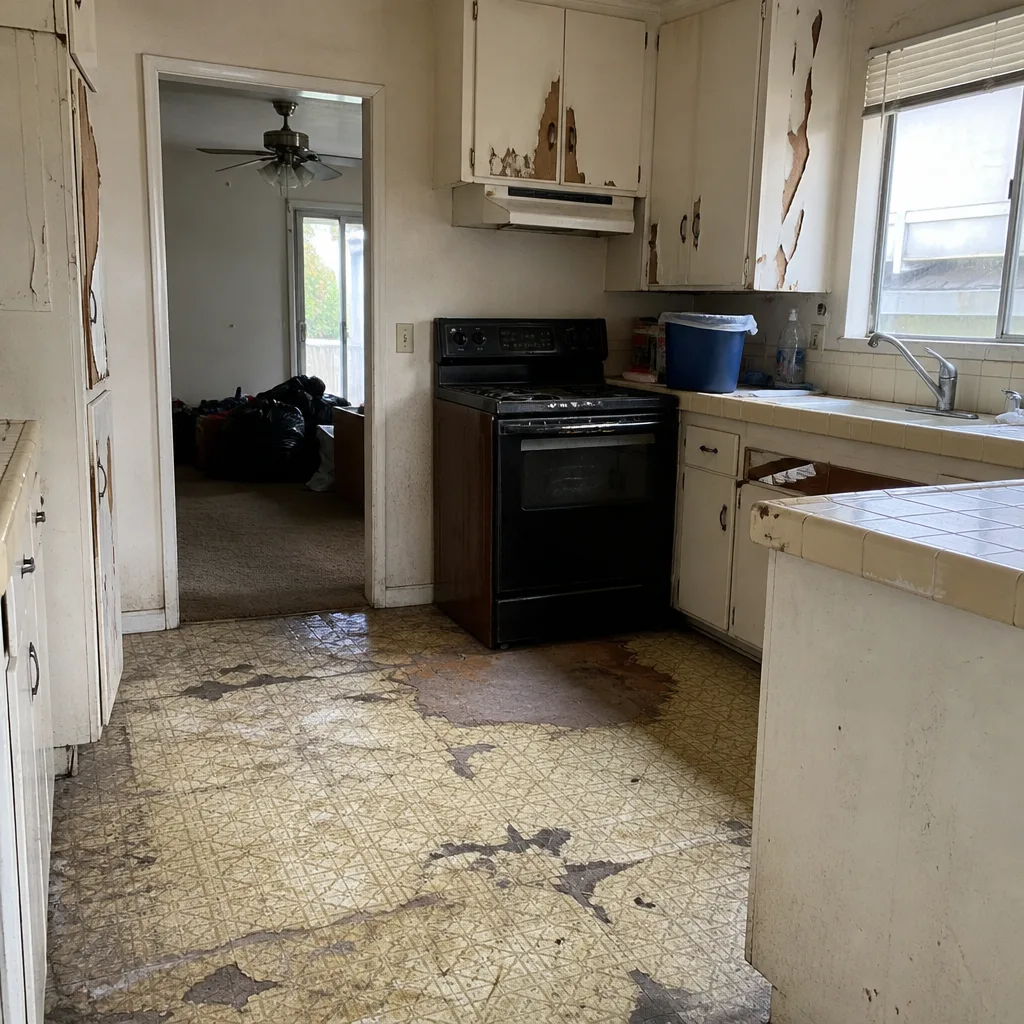 Before
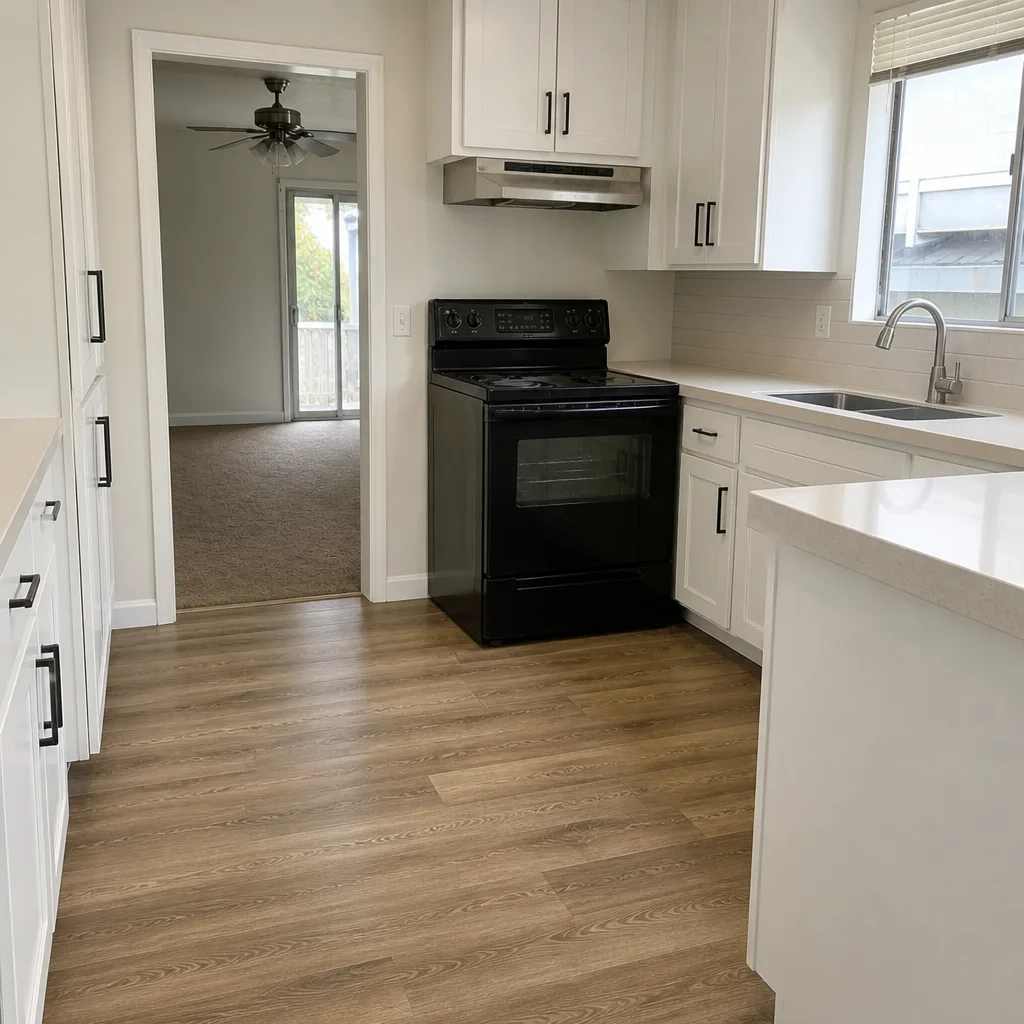 After
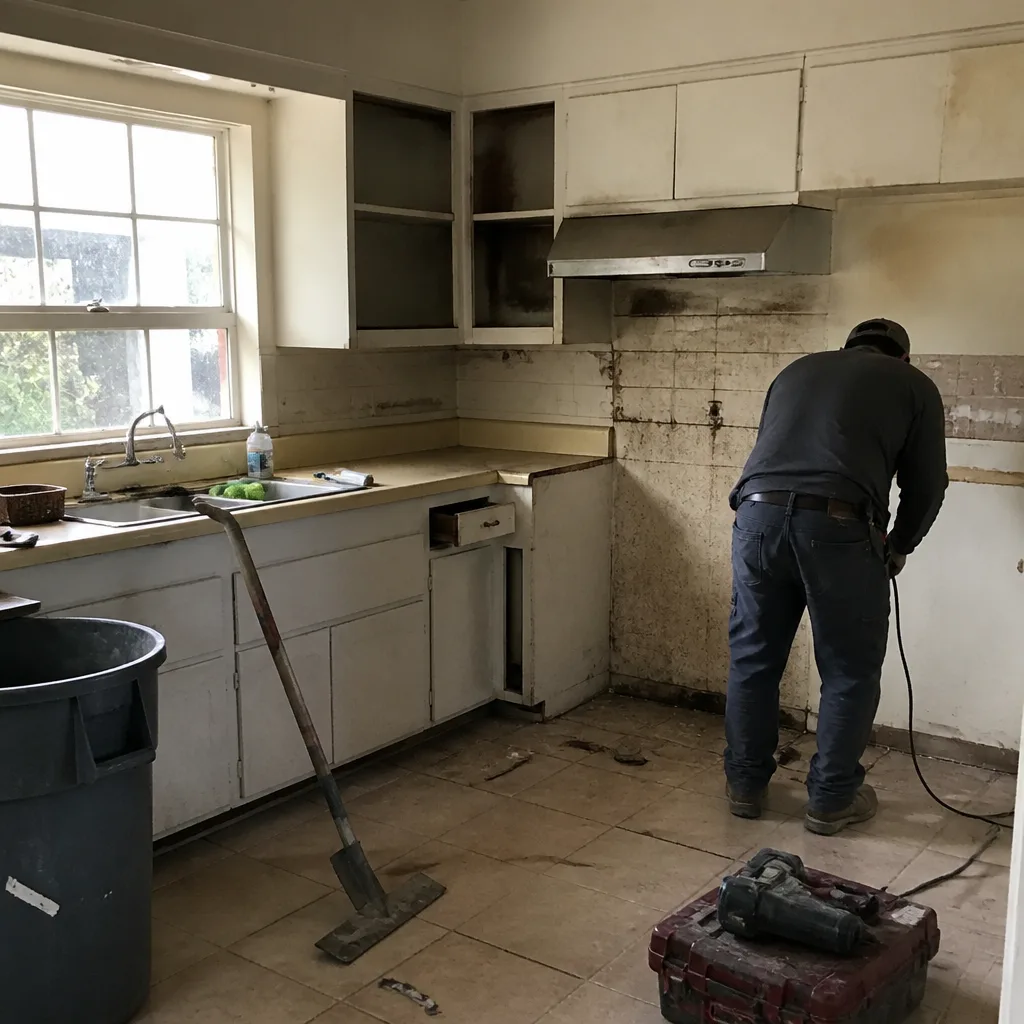 Before
 After
 Before
 After
When to Call a Professional
Call a professional when rust is on a load-bearing fastener, when a stucco crack is diagonal or wider than 1/8 inch, when the crawlspace shows standing water or soft framing, when an electrical panel shows any discoloration, or when a plumbing shutoff no longer closes. Those five signs are where a small repair turns into a structural or life-safety problem if left alone. Bradford Remodeling Co Costa Mesa offers free estimates in Costa Mesa and works from a written scope on every job, so you know what you’re buying before any tool comes out. Call (855) 659-2556 to schedule your free estimate, and if you’re planning a larger project, start with our General Contractor in Costa Mesa page to see how we structure the scope and the written price.
Frequently Asked Questions

Once a year for a full trade-by-trade review, with fastener and flashing inspected every second year in coastal areas. Homes in the lower Mesa with crawlspace moisture issues should be inspected annually. If you smell mustiness inside, move that to twice a year.
No. Rust on flashing near a window head is often cosmetic and repairable with replacement flashing. Rust on a joist hanger, anchor bolt, or ledger fastener that carries load is structural and needs replacement right away. Call (855) 659-2556 for a free assessment if you’re not sure which you have.
Hairline cracks under 1/16 inch are usually thermal movement and are fill-and-paint jobs. Cracks over 1/8 inch, stair-step cracks, and diagonal cracks running from window corners are warning signs that need a professional inspection before you repair them. Call us for a free estimate if you’re seeing any of the second set.
Because the system runs year-round in Costa Mesa, it accumulates far more run-time hours per year than the manufacturer’s service interval assumes. That means parts wear faster in calendar time even though the temperature extremes are less severe. Once a year is the minimum here, not the maximum.
Yes, and it should be inspected every two years. Costa Mesa’s clay-heavy soil and higher water table in the lower Mesa neighborhoods hold moisture, and a torn or pulled-back vapor barrier lets that moisture into framing. If you see standing water on top of the barrier, that’s a drainage problem that needs correcting.
Yes, and most homeowners skip this step. A dated log with photos and trade-specific findings shortens the conversation at permit time and helps a contractor scope a remodel accurately instead of adding a contingency line. It’s also useful documentation when you sell. Call (855) 659-2556 to schedule a free estimate on any repair the log turns up.
The Bottom Line
Maintenance in Costa Mesa is a coastal-corrosion problem first and a rain problem second. Inspect fasteners and flashing every two years, watch stucco cracks for the ones that signal movement rather than thermal shifting, and treat the crawlspace like a room you check on schedule. Log everything, because a documented home prices better and permits cleaner. If a finding points to structural or life-safety work, that’s the moment to call. Bradford Remodeling Co Costa Mesa gives every customer a written price before work starts and stands behind the result with the 365-Day Done Right Promise: if the work fails within a year, we return and correct it at no charge. Call (855) 659-2556 to schedule your free estimate, and see how we structure whole-home scopes on our Bradford Remodeling Co Costa Mesa home page, plan a Kitchen Remodeling in Costa Mesa project, or start with the general contracting team if your maintenance findings turn into a larger scope.
Written by the team at Bradford Remodeling Co Costa Mesa.