Last updated November 18, 2026


Free written scope consultation - allowances, timeline, and change-order rules on paper before a single trade is scheduled
General Contractor Warning Signs Every Homeowner Should Know
A contractor who offers to “pull the permit later” isn’t cutting you a favor. In California, that offer asks you to become the unlicensed party of record on work that will follow your title for years. That’s the pattern we want you to see: the warning signs that actually cost homeowners money aren’t the obvious ones, like no license or no insurance. They’re the contract and communication habits that set up a dispute months before anyone picks up a hammer. This guide covers the ten signals that matter, the California rules behind them, and how to catch them in a Costa Mesa remodel before you sign.
Quick Answer
The biggest warning signs when hiring a general contractor are a push for verbal agreements or a one-page “proposal,” a down payment above California’s 10% or $1,000 legal cap, vague scope language (“we’ll figure out the details as we go”), and a license that’s real but wrong for the work being performed. In our experience, these four signals predict disputes far more reliably than an unlicensed contractor’s low bid, because they show up on the paperwork, not just the handshake.
Styles & brands we work with
- Kitchen remodeling
- Bathroom remodeling
- Home additions & ADU
- Roofing
- Windows & doors
- Driveway & pavers
- Fence
Table of Contents
- The verbal agreement trap
- Payment schedules that reveal front-loading
- “We’ll figure out the details as we go”
- A license that’s real but misclassified
- Lowball bid vs. competitive bid
- Communication patterns before the first invoice
- The “pull the permit later” problem
- How to compare bids line by line
Why a Verbal Agreement Is a Warning Sign, Not a Shortcut
California requires a written contract for any home improvement job over $500 in labor and materials combined. A contractor who hands you a one-page “proposal” and calls that the contract is telling you something: they plan to dispute scope later, and they want the paperwork thin enough to argue about.
Here’s how that dispute actually plays out. Six weeks into a kitchen remodel, the homeowner asks about the backsplash. The contractor says backsplash was never included. The homeowner has a proposal that lists “kitchen remodel – $34,000” and nothing else. Now it’s a conversation about memory and goodwill instead of a scope document. We’ve seen this pattern from Costa Mesa homes near the Upper Newport Bay to Eastside bungalows, and it almost always favors whoever kept fewer records.
A real contract for a Costa Mesa project should include:
- Itemized scope by room, with materials named and allowances stated in dollars
- The CSLB license number on the page (not the business card)
- A start date and a substantial completion date
- A payment schedule tied to milestones, not calendar dates
- A written change-order process with a signature requirement on both sides
- The 3-day right to cancel notice California requires on home improvement contracts over $500
- Warranty terms spelled out in months, not adjectives
If any of those are missing, ask for a revised contract. A contractor who resists adding them is showing you, before the first demo day, what the rest of the job will feel like. Compare that to a general contractor in Costa Mesa who hands over a written price before any work begins – the document itself is the proof of how they operate.
The Payment Schedule That Reveals Front-Loading
California law caps down payments on most home improvement contracts at 10% of the contract price or $1,000, whichever is less. That single rule makes payment schedules the easiest warning sign to read. A contractor who asks for 40% up front to “mobilize” or “reserve the schedule” is either unfamiliar with the rule or betting you are.
Front-loading matters because it flips the leverage. Once a contractor has collected 50% of the money on a job that’s 10% complete, the homeowner holds almost none of the remaining incentive. If the job stalls, you’re not negotiating from strength – you’re negotiating from the back of the line.
A disciplined payment schedule for a Costa Mesa remodel typically looks like this:
- Deposit: 10% or $1,000, whichever is less, at signing.
- Material delivery and rough-in: second draw when cabinets or framing materials land on site, not before.
- Drywall and finish stage: third draw at a documented milestone with photos.
- Final draw: held until the punch list is signed off and permits are closed out.
The key line to watch for: any schedule where the cumulative percentage paid runs ahead of the cumulative percentage complete. If a contractor’s schedule has you paying a third of the price when the project manager says you’re “getting started,” the schedule was designed to cover their overhead, not your project.
Bradford Remodeling’s approach on this is simple: a written price before any work starts, every time, with the payment schedule laid out against the scope. No numbers that move at the door, no draws pulled forward to cover another job.
“We’ll Figure Out the Details as We Go” Means What, Exactly?
That phrase – or its cousins, “we’ll spec it at the cabinet meeting” or “the plumber will decide on site” – has appeared verbatim in California Contractors State License Board complaints. It sounds flexible and collaborative. In practice, it’s a scope vacuum, and scope vacuums always get filled by a change order, usually at the moment when the homeowner has the least ability to push back.
Here’s the pattern we’ve watched in our experience around Costa Mesa. A homeowner agrees to a broad scope with unspecified allowances. The builds hit a decision point: tile, appliance package, fixture lines. Each decision is reasonable on its own. But because no allowance was capped in writing, each “upgrade” gets invoiced as a separate change order. By closing, the $28,000 job has $41,000 in invoices, and every line item is defensible.
What “specify it now” looks like in a good contract:
- Each selection (cabinetry, countertops, tile, fixtures) named by brand and product line – not “quartz” but a Cambria or Caesarstone series, with a dollar allowance if the exact slab isn’t chosen yet
- Appliance, lighting, and plumbing allowances stated as line-item dollar figures
- A written change-order form that says how changes get priced (labor rate, material markup, timing impact)
- A stated schedule impact for known contingencies like structural findings behind drywall
Naming products also makes the spec traceable. When we name a Cambria countertop or Kohler fixture in the contract, you can check the manufacturer’s spec sheet and warranty yourself. That’s the difference between a genuine scope and a placeholder.
A License That’s Real but Misclassified
Every homeowner knows to check that a contractor has a license. Far fewer know what the license class actually means, which is why a real-but-wrong license is one of the most expensive warning signs on this list.
Here’s how to read the license:
- Class B (General Building Contractor): can take a whole-home or multi-trade project and subcontract the specialty trades. Legal, and normal for a remodel.
- Class B performing a C-20 specialty himself: not legal. Warm-air heating, ventilation, and air conditioning is C-20 work and requires a C-20 license. A B-license holder who personally installs your HVAC has stepped outside the license.
- Class C specialty (plumbing, electrical, tile, etc.): fine for their trade. A C-10 electrician taking a whole-home remodel is a warning.
- No license or an expired one: walk away. There’s no version of this that ends well.
The check is free at the CSLB website: search the license number, look at the class, and confirm the status is “active.” Then look at what the contract lists for each trade. On a Costa Mesa job with new HVAC, a good GC scopes C-20 subcontracted work as its own line item with the sub’s license number attached.
One more layer: ask who carries the workers’ comp. If the answer is “the subs carry their own,” that’s fine as long as it’s true and documented. If the GCF carries no comp and the subs carry none, a worker injured on your property in Costa Mesa is a real exposure. There’s no shortcut around verifying this on the paperwork.
Lowball Bid vs. Competitive Bid: The Line Items That Tell You Which
Everyone says “don’t take the lowest bid,” and almost nobody tells you how to tell a competitive low bid from a real lowball. The difference lives in specific line items that appear on one bid and vanish from the other.
Take a recent comparison we’ve seen in a Costa Mesa whole-home remodel: three bids came in at $96,000, $112,000, and $118,000. The $96,000 was the lowball. Here’s what it didn’t have:
- No permit and inspection fees as a line item. They were described as “included in general conditions,” but no dollar amount was attached. In Costa Mesa, permits for a whole-home remodel are real costs, and burying them inside a general-conditions percentage is how they become “extra” later.
- No temporary protection or dumpster line. The job site was guaranteed to be protected “as needed.” As-needed turned into a $3,200 change order by week two.
- No drywall or paint allowance for re-work from the electrical rough-in. Every remodel has patching. The $96,000 bid scoped patch “if required.”
- No schedule. The low bid had a start date and no completion date. A scope with no end date isn’t a scope – it’s an open invoice cycle.
The competitive bid doesn’t look cheapest on page one. It looks most specific. The number of columns, the depth of material specs, and the presence of a completion date are the tells. A bid that fits on one page for a whole-home project is telling you exactly how much planning went into the price.
If you’re weighing bids for a kitchen or bath specifically, it’s worth reading through a specialist’s version of the same job – kitchen remodeling in Costa Mesa and bathroom remodeling in Costa Mesa bids typically spec cabinetry, surface, and fixture allowances line by line. A GC’s bid for the same work should match that level of detail or explain the difference.
Communication Patterns That Predict the Rest of the Job
The warning signs start before the contract. They show up in how the contractor communicates during the bidding stage – because that’s what they’ll do with your money later. A few we’ve learned to watch for:
- Phone calls answered only after hours or via text. Not a dealbreaker on its own, but combined with a refusal to leave a written bid, it’s a sign the front office is one person wearing five hats.
- Bids delivered verbally, or in-scope changes verbally agreed but never written down. “We’ll straighten that out at the end” is a commitment that costs nothing to make and, statistically, gets forgotten.
- No stated site manager or point of contact. “You’ll have my number” is not a contact structure; it’s a promise one person can break on vacation.
- Vague answers about who’s actually doing the work. Is it the contractor’s crew, or a rotating set of subs they hire week to week? You have a right to ask, and a confident contractor answers without flinching.
We’ve seen the pattern go badly in Costa Mesa neighborhoods like Halecrest and Mesa Verde: a strong bid, a warm start, then a two-week gap in communication mid-rough-in that nobody on the homeowner’s side could close. The warning was there at bid time. The homeowner just didn’t know to look for the quiet.
This is part of why we answer the phone with a live person, 24 hours a day, seven days a week. It’s not a marketing line – a homeowner with a burst supply line at 11 p.m. or a question about change-order pricing on a Tuesday doesn’t need a voicemail tree.
The “Pull the Permit Later” Problem
In California, the permit is not the contractor’s paperwork. It’s the homeowner’s exposure. A contractor who offers to “pull the permit after we start” or “on the back end” is offering to shift the legal risk of unpermitted work onto the person whose name goes on the title.
What actually happens without permits on a Costa Mesa project:
- Work gets performed without inspection. Rough framing, electrical, plumbing, and mechanical go in without a city inspector’s sign-off.
- The inconsistency gets noticed at resale or refinance. A buyer’s inspector, appraiser, or title company can flag unpermitted work, and the seller is the one on the hook.
- The city can require demolition and rework. Not always, but often enough that contractors who’ve seen it don’t risk it.
- Insurance claims get complicated. A water loss caused by unpermitted plumbing is a claim your insurer can question.
Ask one question at bid time: “Who pulls the permit, and what’s the permit number going to be?” A real GC has a permit process – a line item on the bid, a stated fee, a permit runner or administrative process, and a willingness to put the inspection schedule in the contract. If that answer is vague, the “later” never comes.
Bradford Remodeling pulls permits and passes inspections as a matter of process on every job, and the permit line item shows up in the written price – not as a later surprise. That’s what Bradford Remodeling Co Costa Mesa means by The Garrison Standard: the process is documented before the first tool comes out, not assembled after the fact.
How to Compare Bids Line by Line
Comparing contractor bids side by side is the single best defense against the warning signs above. It’s also the exercise that separates a serious contractor from a fast one. Follow this process every time:
- Ask each contractor for the same format. Same room list, same allowance structure, same milestone schedule. If a contractor refuses, that’s the first signal.
- Pull every bid down to line-item level. A bid that doesn’t break down into framing, electrical, plumbing, drywall, cabinetry, countertops, tile, paint, and finishes is not comparable.
- Check allowances as dollars, not adjectives. “Tile allowance $8/sq ft” is comparable. “Premium tile” is not.
- Look for permits, site protection, dumpsters, and cleanup as separate line items. If they’re missing, add a value to each one and re-total the bid. You’ll often find the low bid is no longer the low.
- Compare guarantees side by side. A written guarantee with a specific term beats a verbal one with none. Bradford Remodeling’s 365-Day Done Right Promise is a full-year written guarantee – if the work fails inside that window, we come back and correct it at no charge.
- Call two references whose jobs finished a year ago. A customer happy at punch list is different from a customer happy after twelve months of use.
Doing this on a Costa Mesa project takes an afternoon. It’s the highest-return afternoon of the whole remodel.
Common Mistakes to Avoid
- Signing a “proposal” instead of a contract. In California, a one-page proposal isn’t enough for work over $500. Ask for the full contract with a stated scope, schedule, and payment milestones.
- Paying more than 10% or $1,000 down. That’s the California cap for most home improvement jobs. A contractor who asks for more is either unfamiliar with the rule or counting on you not knowing it.
- Accepting a verbal change order. Every change should be priced and signed in writing before the work happens. On a Costa Mesa kitchen, we’ve seen $6,000 in “small changes” become unrecoverable because nothing was written down.
- Not checking the CSLB license class against the trade. A Class B license performing its own HVAC is out-of-class work. Verify the class, not just the license number.
- Comparing bids by total price only. The total is the last number to look at. The line items and allowances are where the actual cost lives.
- Letting the contractor pull permits “later.” The permit belongs in the bid as a line item and gets pulled before work starts. “Later” means never, and the exposure lands on your title.
- Ignoring the communication warning during the bid stage. Slow callbacks, vague answers, and unanswered questions at bid time don’t improve once you’re on the schedule. They get worse.
- Skipping the “what’s the guarantee in writing” question. A verbal lifetime warranty from a company you can’t reach in year two is worth nothing. Ask for the term and the remedy in writing.
See the difference
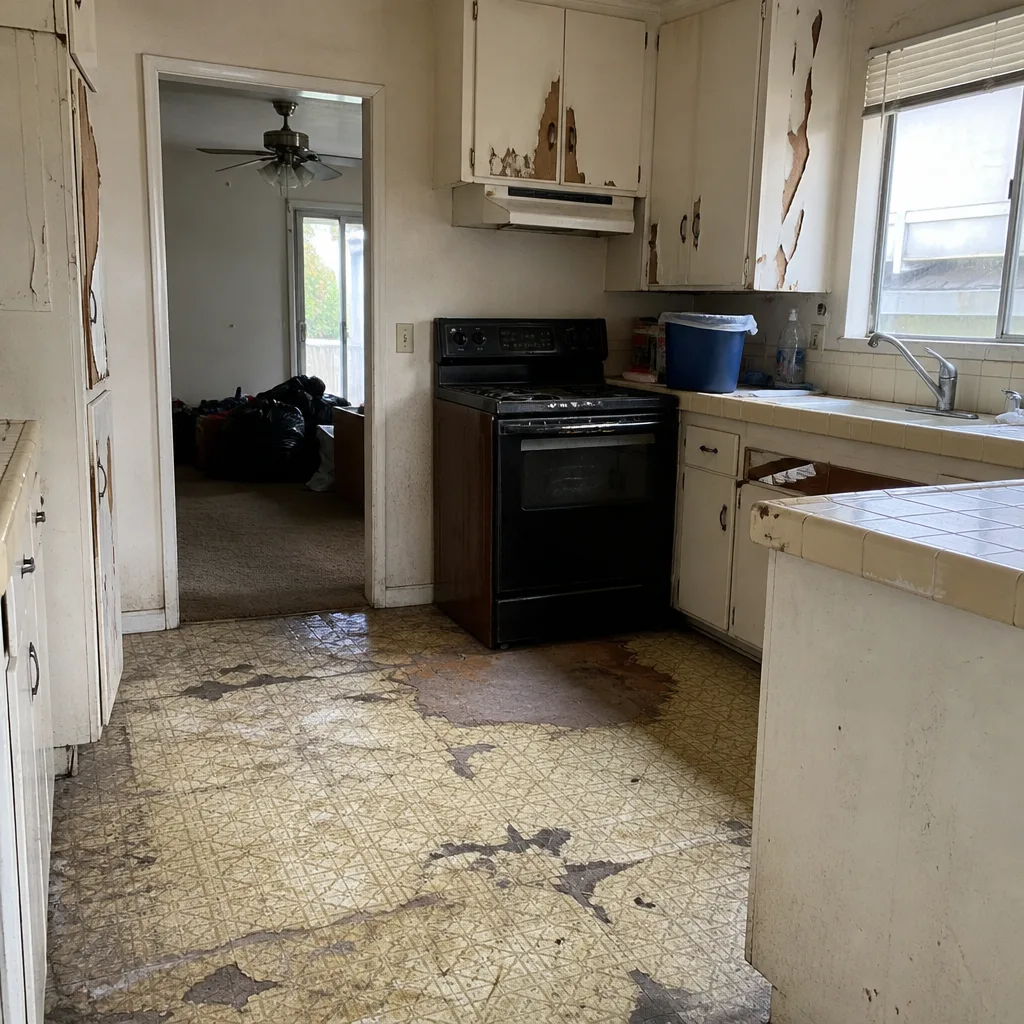 Before
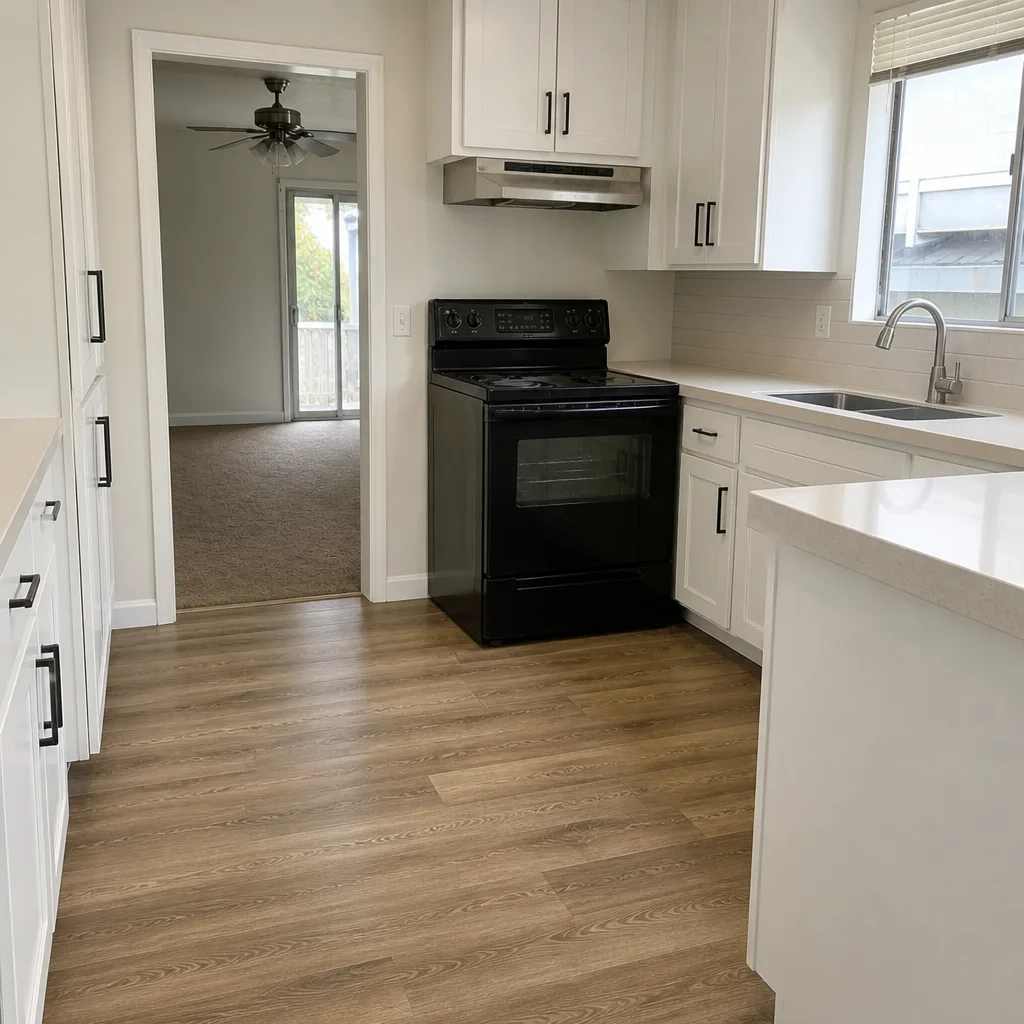 After
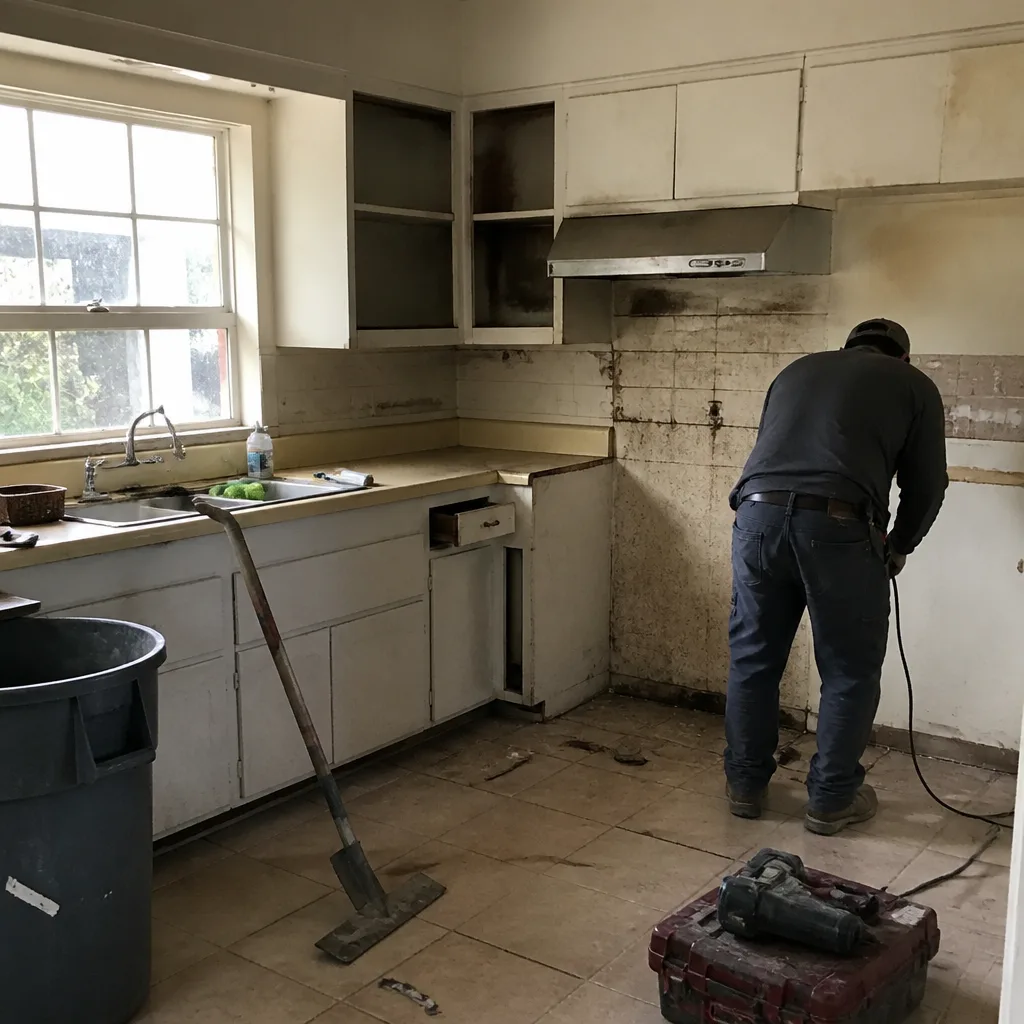 Before
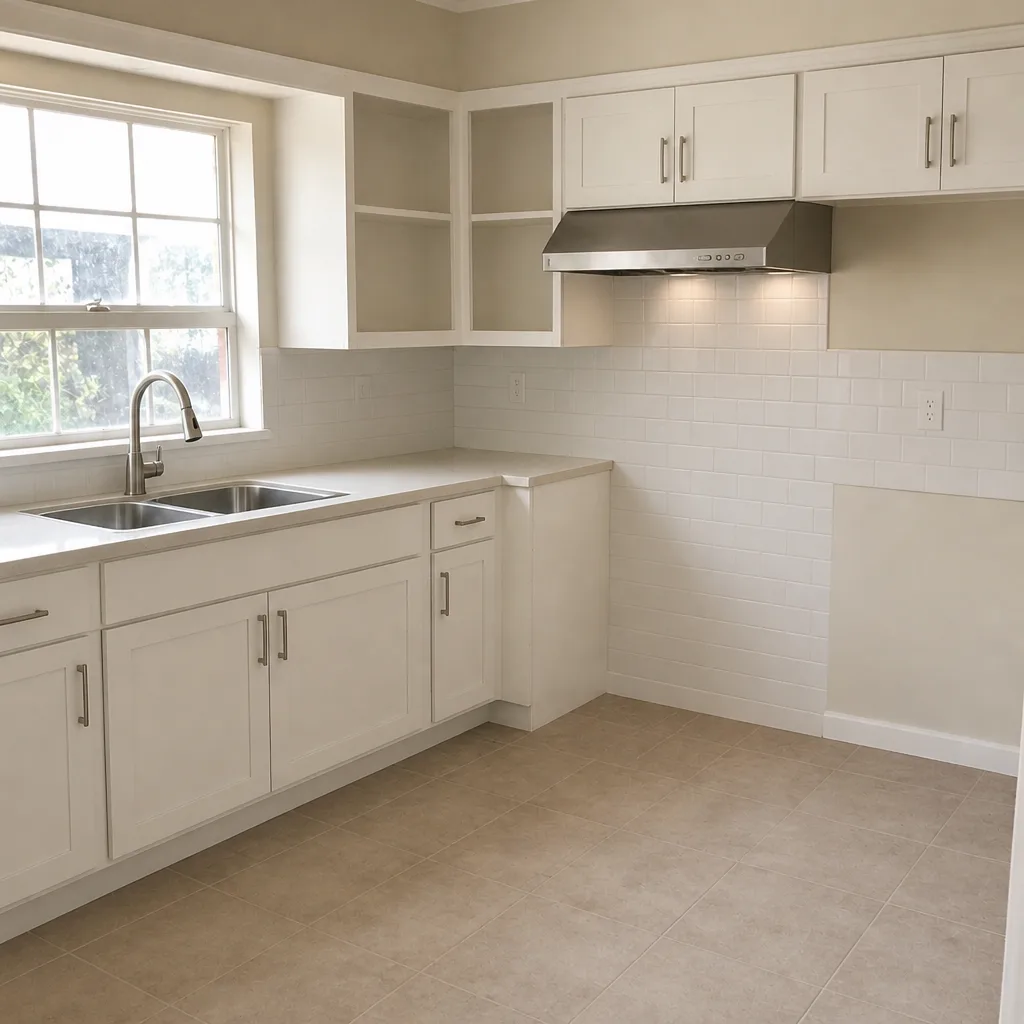 After
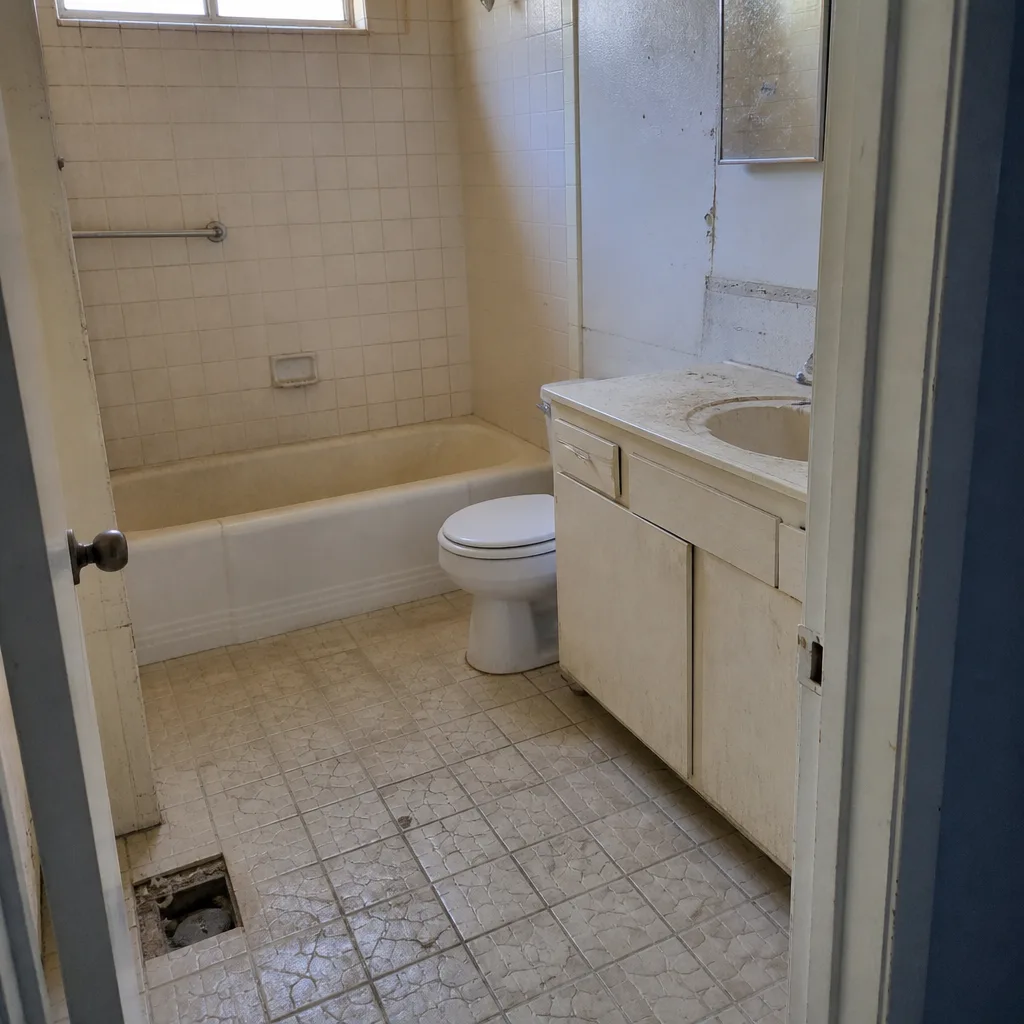 Before
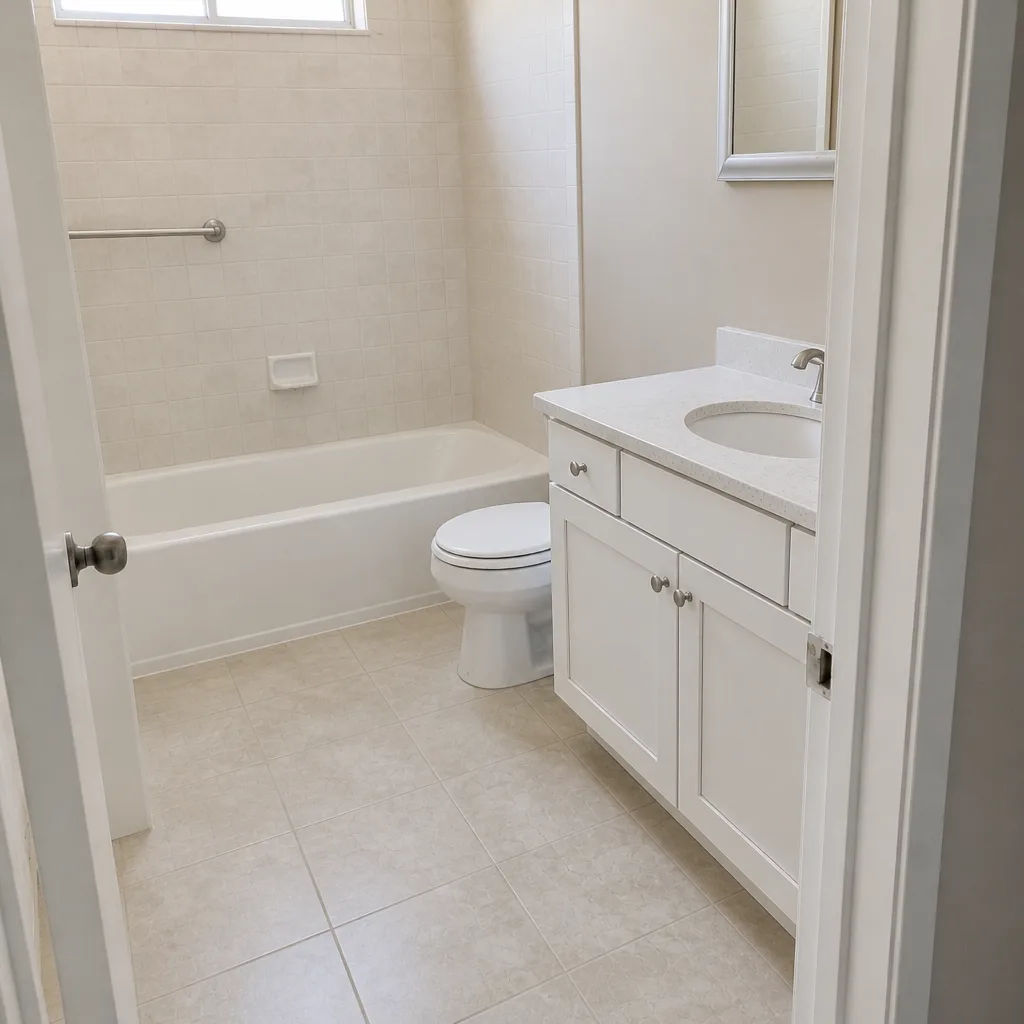 After
When to Call a Professional
Any remodel that touches plumbing, electrical, or structural framing needs a licensed contractor – not a handyman, and not a self-managed project where you act as the GC. That’s true for a kitchen or bath remodel in Costa Mesa, for a whole-home remodel, and for any addition that touches a load-bearing wall. The permit exposure alone (`unpermitted work follows the title`) is enough to make the case. Call a professional before the first hammer swings, not after the city inspector flags the framing.
If you’re already mid-project and worried about scope or payment terms, it’s also worth getting a second opinion on the contract before the next draw. Bradford Remodeling Co Costa Mesa offers free estimates in Costa Mesa – call (855) 659-2556 to schedule yours, and we’ll walk through the written price line by line before anything is scheduled.
Frequently Asked Questions

The most common warning sign is a request for a verbal agreement or a one-page “proposal” instead of a full written contract. In California, home improvement contracts over $500 in labor and materials are required to be in writing, so a contractor who skips the contract is skipping a legal requirement – and setting up a future dispute about scope. Call (855) 659-2556 if you want your proposal reviewed before you sign.
For most home improvement contracts in California, the down payment is capped at 10% of the contract price or $1,000, whichever is less. Some exceptions exist for specially fabricated materials or unique site conditions, but the default is the 10%/$1,000 rule. A contractor asking for 30% or 40% up front is outside the norm and worth pushing back on – a written payment schedule tied to milestones is the standard alternative.
Look at the class, not just the number. A Class B (General Building Contractor) license is correct for whole-home and multi-trade work and allows subcontracting the specialty trades. A Class B contractor performing their own HVAC work is out of class – that’s C-20 work. On a Costa Mesa remodel, ask the GC to list each specialty sub by license number in the contract. Any hesitation on that request is a real warning.
It means the scope isn’t defined, and any undefined scope gets sorted out through change orders later – usually at a time and price the contractor controls. The phrase has shown up in CSLB complaints precisely because it sounds collaborative and behaves like a scope vacuum. Ask for the details in writing before work begins, including allowance dollars, product lines, and change-order pricing.
No. In California, permits should be pulled before work starts, and the permit fee and scheduling belong in the written bid. Work performed without a permit can trigger re-inspection, demolition, and title complications at resale or refinance – and those complications land on the homeowner, not the contractor. A written price line item for permits is a sign of a disciplined contractor.
A written guarantee should name the term in months or years, state what’s covered (workmanship, materials, or both), and define the remedy. Bradford Remodeling’s 365-Day Done Right Promise is a full-year written guarantee on every completed project – if the work fails inside that window, we come back and correct it at no charge. Ask every contractor for their guarantee in writing and compare the terms side by side.
The Bottom Line
The warning signs that cost homeowners money aren’t the ones on a checklist at the front of a home show. They’re the contract and communication patterns that show up before the first tool comes out: a verbal agreement instead of a written contract, a down payment above California’s 10%/$1,000 cap, a vague scope that fills up with change orders, a license real enough to pass a quick look but wrong for the work, and a lowball bid that isn’t’ actually low once permits and site protection are added back in. Reading those signs takes an afternoon. It saves years of arguments. If your Costa Mesa bid passed the read-through and you’re ready to move, we’ve got the written price and the 365-Day Done Right Promise ready to hand over before the schedule locks.
Call (855) 659-2556 to schedule your free estimate with Bradford Remodeling Co Costa Mesa. We’ll bring a written price, a written guarantee term, and a documented roster of premium brands – KraftMaid, Cambria, Kohler, Moen, GAF, James Hardie, and Therma-Tru among them – so every spec is traceable and every promise is in the contract.
Written by the team at Bradford Remodeling Co Costa Mesa.