Last updated November 18, 2026





Free written scope consultation - allowances, timeline, and change-order rules on paper before a single trade is scheduled
Home Remodeling Warning Signs Every Homeowner Should Know
A contractor who asks for more than 10% down or $1,000, whichever is less, before work begins is violating California Business and Professions Code §7159. That’s not a yellow flag you have to interpret. It’s a legal violation you can act on before they touch your house. The worst remodelers don’t announce themselves with cracked tile and crooked cabinets. They announce themselves in the contract, the bid sheet, and the phone calls weeks before demo day. By the time the work looks bad, you’ve already paid a deposit. This guide walks through the patterns we’ve watched play out across Costa Mesa jobs, and how to spot them while you still have leverage.
Quick Answer
The biggest home remodeling warning signs are easy to verify before you sign: a deposit over the California legal cap, no CSLB license number on the contract, vague bid line items like “miscellaneous materials,” no written change-order process, and a contractor who won’t name their subcontractors or project supervisor. If any of these show up during the bid phase, walk. The work hasn’t started, and you’ve lost nothing but a phone call.
Styles & brands we work with
- Kitchen remodeling
- Bathroom remodeling
- Home additions & ADU
- Roofing
- Windows & doors
- Driveway & pavers
- Fence
Table of Contents
- The California Legal Checks You Can Run Before You Sign
- The “Scope Creep Setup”: How Vague Bids Become Big Change Orders
- Verbal Guarantees and Why They Fall Apart
- Communication Red Flags During the Bid Phase
- The Subcontractor Disclosure You’re Entitled To
- Costa Mesa-Specific Warning Signs
- How to Read a Contract Like a Contractor
The California Legal Checks You Can Run Before You Sign
Most homeowners never run these checks because they don’t know they exist. Every one of them takes under 15 minutes and costs nothing. Do them before you sign anything, and certainly before you hand over a check.
- Look up the license on the CSLB website. The Contractors State License Board has a free lookup at cslb.ca.gov. You want an active license, the correct classification (B for a general building contractor), and no history of disciplinary actions. A license number that doesn’t show up, or shows up suspended, ends the conversation.
- Verify the contractor’s bond. California requires licensed contractors to carry a $25,000 contractor’s bond. Ask for the bond company name and policy number. If they can’t produce it, they either aren’t licensed or aren’t current. Either way, you’re exposed.
- Ask for a workers’ compensation certificate. If the contractor has employees, they must carry workers’ comp. If they don’t, you can be held liable for injuries on your property. A legitimate general contractor in Costa Mesa will hand you the certificate without hesitation.
- Confirm the deposit rule. Under B&P Code §7159, a contractor can’t take more than 10% of the total job price or $1,000, whichever is less, as a down payment. Anyone asking for 30%, 50%, or “cash for materials” is telling you exactly how they run a job.
- Check for the written contract requirement. Any home improvement job over $500 in labor and materials requires a written contract with specific elements: the contractor’s license number, a description of the work, a schedule of payments, a start and completion date, and a three-day right to cancel.
These aren’t technicalities. They’re the floor. If a contractor can’t clear them, the rest of the relationship is downhill. When you work with our team through a general contractor in Costa Mesa, every one of these documents lands in your hand before a single tool comes out of a truck.
The “Scope Creep Setup”: How Vague Bids Become Big Change Orders
Here’s the pattern we see most often in bids homeowners bring us for a second opinion. The line items look clean on the surface. Then you find a number like “miscellaneous materials – $4,200” or “labor allowance – $6,800” buried halfway down the sheet. Those aren’t estimating shortcuts. They’re openings.
A vague line item exists for one purpose: to give the contractor a legal argument later that the original price didn’t cover something. You thought $4,200 covered the drywall screws, tape, mud, and trim. They say it covered the screws. The rest is a change order.
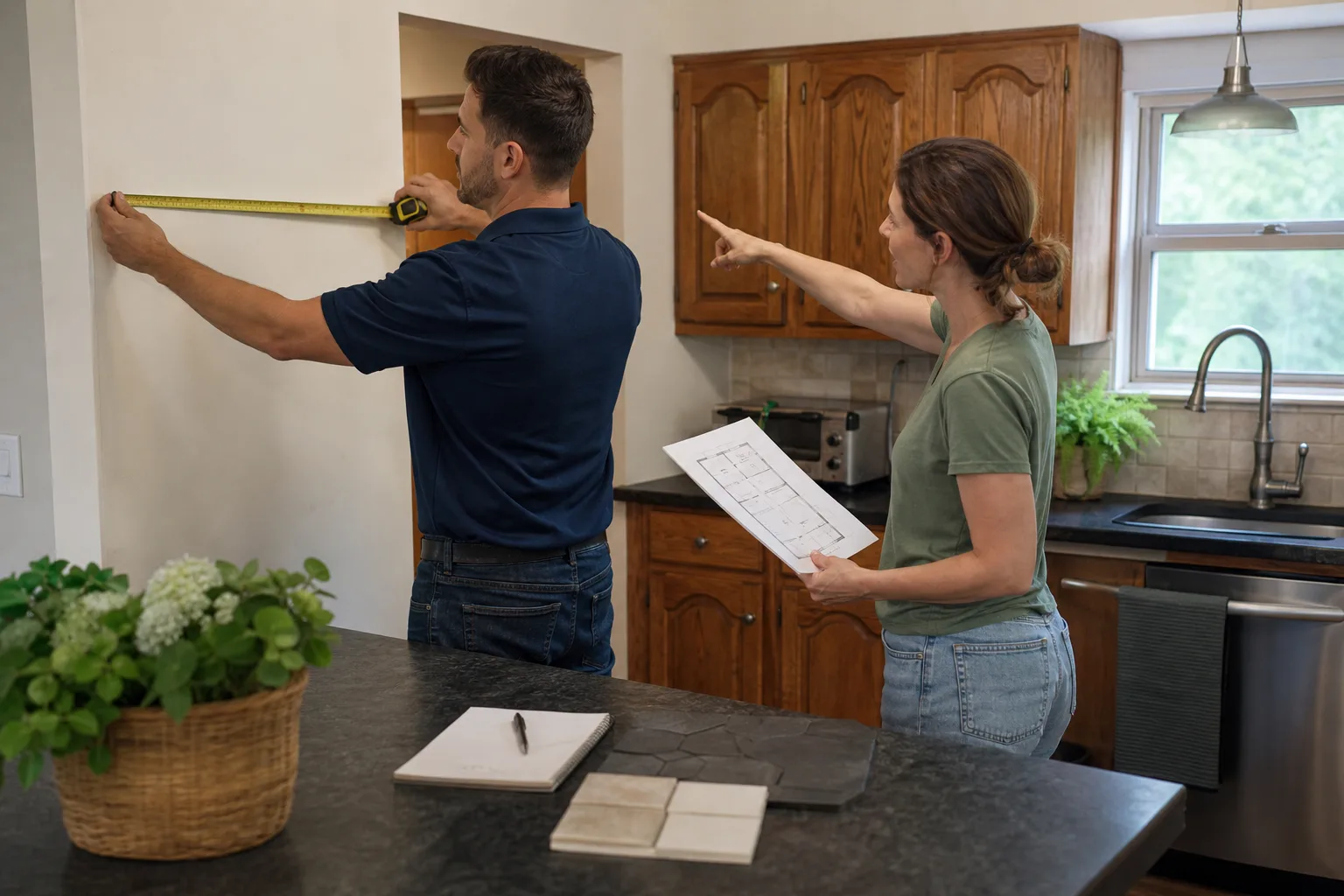
Real bids look different. A legitimate kitchen scope will break out cabinetry, countertop material and square footage, electrical rough-in, plumbing rough-in, tile, flooring, fixtures, labor, permits, and disposal as separate lines. Every line has a quantity. Every quantity has a unit price. The total is the total.
When you look at bids, ask this question directly: “Which line item does the trim and finish work fall under?” If the answer involves pointing at “miscellaneous,” you’ve found your problem. A written change-order process should also be defined in the contract before work starts, meaning no verbal changes, ever, and a signed form with a new price before anything is ripped out or added. Change orders on a legitimate job happen. What shouldn’t happen is 6 of them in the first month because the original bid was written in fog.
For a sense of what a written, line-item scope looks like in practice, take a look at how we structure kitchen remodeling in Costa Mesa. Same discipline applies to a full home remodel, a bathroom, or a single wall removal.
Verbal Guarantees and Why They Fall Apart
“We guarantee our work for a year, don’t worry.” A promise like that, said over the counter, is worth exactly as much as the paper it isn’t written on. In California, an enforceable workmanship warranty needs specific elements in writing to hold up when something fails.
At a minimum, a written warranty should state:
- The length of the guarantee period (12 months, 24 months, whatever it is), expressed as a start date and end date
- What’s covered: workmanship, materials, or both, and whether they’re separate
- What’s excluded: normal wear, homeowner damage, acts of God, or work done by other trades
- The remedy: does the contractor come back and fix it, or is it a dollar figure? Who decides?
- How to make a claim: in writing, by phone, through a portal, and by when
- Whether the warranty transfers if you sell the house
If a contractor won’t put their guarantee on paper with those elements, they haven’t made a guarantee. They’ve made a friendly noise. Our own 365-Day Done Right Promise is a written guarantee on every completed project; if the work fails inside that 12-month window, we come back and correct it at no charge. That’s what the phrase means. You hold the paper. We honor it.
This matters more in coastal Orange County than most places. Between the marine layer and the Santa Ana winds, exterior caulk, exterior paint, and hardscaping take a beating in the first year. A verbal “we’ll come back if there’s a problem” usually means you’ll be calling a number that no longer answers in month 14.
Communication Red Flags During the Bid Phase
The bid phase is a free preview of the job. If a contractor is slow, scattered, and evasive while trying to earn your money, they’ll be worse once they’ve got it. Watch for these specifically:
- Slow response that suddenly speeds up when you’re about to sign. Real busy is fine, and good contractors are busy. What you don’t want is someone who goes silent for 10 days and then calls twice in one afternoon once you’ve mentioned a deposit.
- No named project supervisor. Ask directly: “Who is my point of contact from day one through close?” If the answer is “me,” make sure “me” means the person actually on your job. If the answer is vague, or if they run a rotating crew with no assigned lead, your questions will find the wrong ears week two.
- No written change-order process described. A disciplined contractor will tell you how changes work before you ask. Written request, written price, sign here, then work happens. If they can’t describe that flow, they don’t have one.
- Pressure to bypass the three-day right to cancel. California gives you three business days after signing a home improvement contract to cancel. Anyone who asks you to waive that “to lock in the price” is telling you exactly how they anticipate you’ll feel on day two.
- Text-only communication with no written scope delivered. A quick text is fine. A relationship that lives entirely in texts, with no written bid, no written contract, and no written change orders, is a relationship you can’t prove in a dispute.
Good sign: answers come back fast, in writing, and the written bid includes all the same information you discussed verbally. That last piece is where most homeowners get burned, and it’s the easiest thing to check. Compare the verbal scope from the walk-through to the written bid line by line. Any gap is a future change order.
The Subcontractor Disclosure You’re Entitled To
Not every remodeler is going to swing a hammer. A general contractor hires electricians, plumbers, HVAC techs, tile setters, and cabinet installers. That’s normal and fine. What’s not normal is a GC who refuses to tell you who their subs will be.
Ask these questions, in writing:
- Which trades will you subcontract on this job?
- Which specific companies or individuals will you use?
- Are each of those subcontractors licensed, bonded, and carrying workers’ comp?
- Who on your side supervises the sub’s work and signs off before I see it?
A general contractor who can answer these without hesitation runs a disciplined job. One who can’t is either still finding subs, doesn’t track their licensing, or plans to cover a gap on your dime. In our experience, unlicensed subs are the most common cause of failed inspections on older Costa Mesa homes, because they miss city and county code details the licensed subs work with every day.
There’s also a legal disclosure layer. California’s Contractors State License Board requires a general contractor to disclose in the contract that they hold the license and are responsible for the subcontractors’ work. If a proposed contract reads like it’s passing that responsibility to the subs and away from the GC, that’s the wrong direction. The GC is the one you called. The GC is the one who carries the responsibility. Subcontractors are their business, not a chain of excuses.
Costa Mesa-Specific Warning Signs
Remodeling in Costa Mesa brings a set of local realities that out-of-town contractors routinely miss, and the signs of a contractor who hasn’t worked here show up early.
Familiarity with Costa Mesa permitting. The City of Costa Mesa has its own permitting process through the Community Development Department, and the timeline and documentation requirements for a kitchen, bathroom, or structural change don’t match any neighboring city. A contractor who needs to look up the permitting process on the fly, or who suggests skipping a permit for a wall removal or a bathroom reconfiguration because “you don’t really need it for a small job,” is a warning sign. Every permitted scope needs a permit, every inspection needs to pass, and the paperwork should be in your hand at close.
Understanding of the local housing stock. Costa Mesa has a wide mix: mid-century homes in neighborhoods like Mesa Verde and the Eastside, newer builds near South Coast Metro, and plenty of homes that have been through two or three previous remodels of varying quality. That matters. A GC who doesn’t automatically plan for old galvanized plumbing, aluminum wiring, or a previous owner’s “creative” tile job hasn’t worked here enough to know what they’re bidding on.
Coastal material knowledge. Salt air and humidity off the coast are hard on exterior surfaces. The contractors who work here often plan for it by specifying materials like James Hardie fiber cement siding and GAF roofing designed for coastal exposure, or by choosing interior finishes that hold up to humidity in kitchens and baths. We work with bathroom remodeling in Costa Mesa projects regularly where moisture management and substrate choice make the difference between a bathroom that looks good at year three and one that’s still dry. When you’re comparing bids, look for evidence a contractor is thinking about your specific Costa Mesa conditions, not just pasting the same plan they used in Riverside.
Pricing transparency in the local market. Costa Mesa bids have a wide legitimate range driven by finish level, permit complexity, and whether you’re touching structural elements. What shouldn’t vary is the structure of the price. Written, line-item, before work starts. Every time.
How to Read a Contract Like a Contractor
Most homeowners read the contract the way they read a lease: skimming for the number at the bottom. Read it the other way. Read the scope and the payment schedule first, then find the number.
Compare three things between the bid and the contract:
- The scope. The contract scope should be at least as detailed as the bid. If items have been merged or dropped, ask why in writing.
- The payment schedule. A disciplined schedule ties payments to milestones, not to dates. Framing complete: 20%. Rough-in passed inspection: 20%. Cabinets installed: 20%. Final walk-through and punch list closed: 20%. A schedule that asks for most of the money by week 2 is a schedule that removes their incentive to finish well. Every payment after the initial deposit should follow completed, verified work, not the calendar.
- The warranty language. The guarantee should be on the contract, not just the invoice. If it’s not on the contract, ask for it in writing, with the coverage period, the remedy, and the claim process all spelled out.
Three additional elements you want in every contract, or you should ask for them: a start date and a substantial completion date, both specific; a named supervisor; and a dispute-resolution clause that tells you in plain English what happens if you and the contractor disagree. All of it signed, all of it dated, one copy in your file, one in theirs. This is what “squared away” looks like at close: clean site, documented scope, signed written guarantee in your hand. Nothing verbal standing between you and the result. If you want to see how we carry that through a home remodeling relationship from first call to final walk-through, that’s the shape of it.
Common Mistakes to Avoid
- Choosing the lowest bid without reading the scope. A bid $20,000 under the others has $20,000 worth of work missing from the sheet. Find out which line items are missing before you sign, not when the drywall isn’t in the price.
- Paying the deposit before the contract is signed and the license is verified. Money rarely comes back. Verification takes 10 minutes on the CSLB site. Do it in that order.
- Accepting verbal change orders. Even for “small” changes, “we’ll sort it out at the end” almost always sorts out in the contractor’s favor. Written request, written price, signature, then work.
- Ignoring permit requirements on small-scope work. Removing a wall, moving a bathroom fixture, or reconfiguring electrical in a Costa Mesa home usually needs a permit even when it “feels small.” Permits pull, inspections pass, or the job is not done.
- Skipping the subcontractor list. Finding out on day one that an unlicensed sub is running your electrical rough-in is a conversation you don’t want to have with your inspector present.
- Not asking for the warranty in writing. A verbal “we’ll take care of you” is not enforceable after the final invoice clears. Get the coverage period, the remedy, and the claim process in the signed contract.
- Letting schedule changes happen without a written note. A sliding start date is a leading indicator of a sliding finish date. Log every change, even the “minor” ones.
See the difference
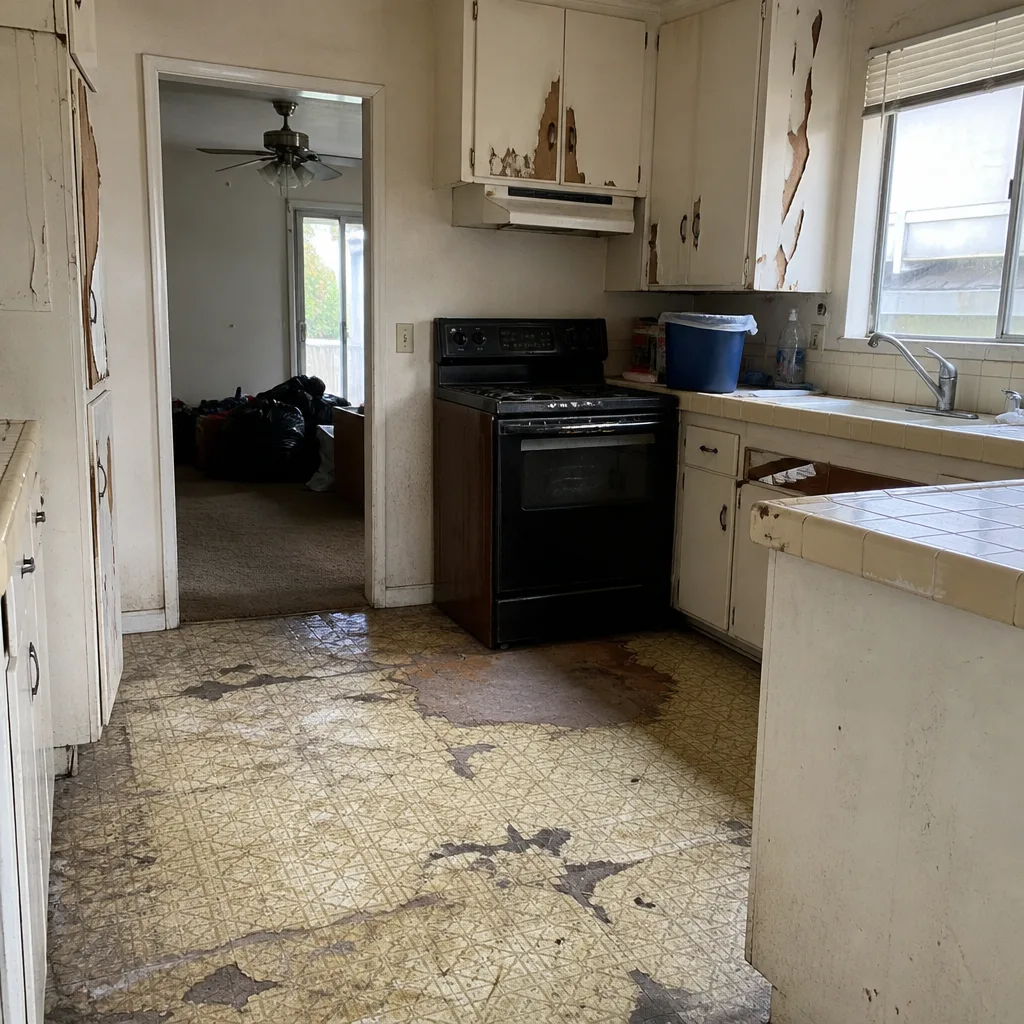 Before
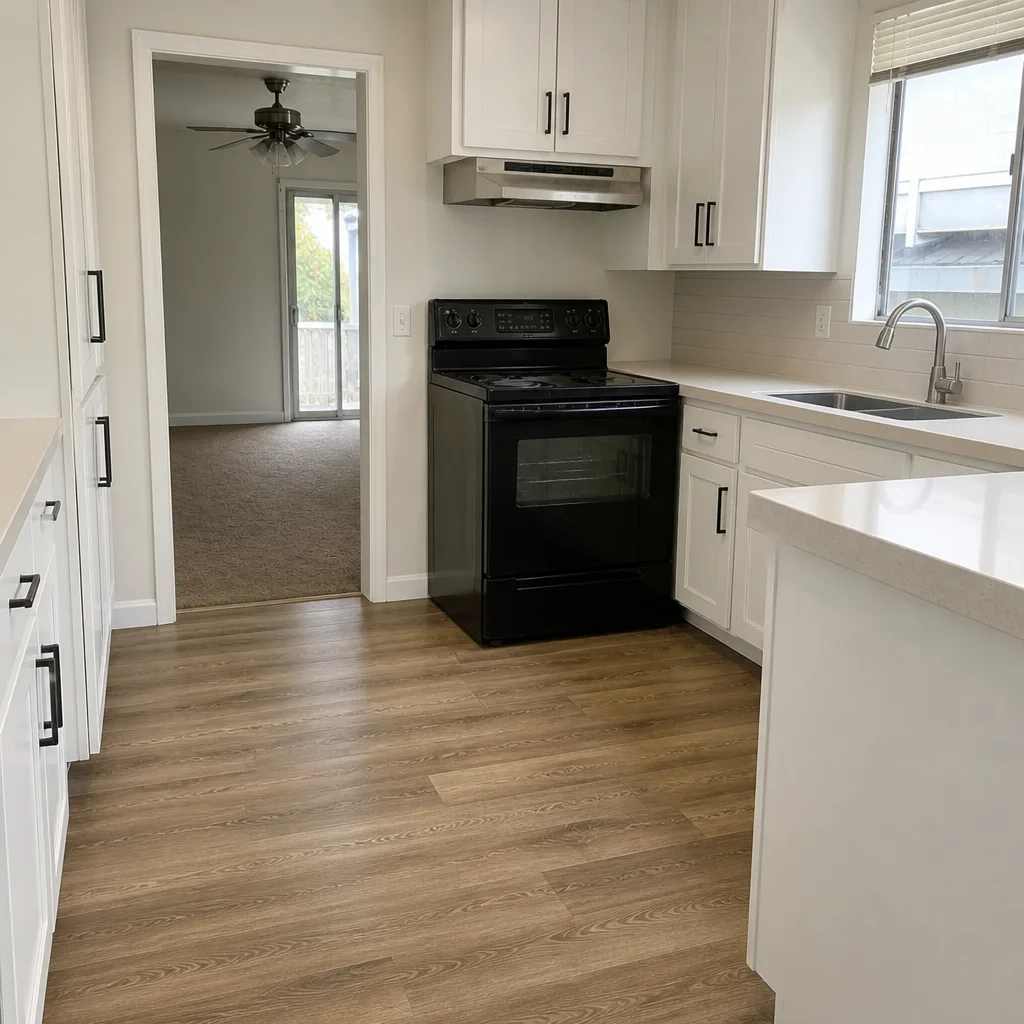 After
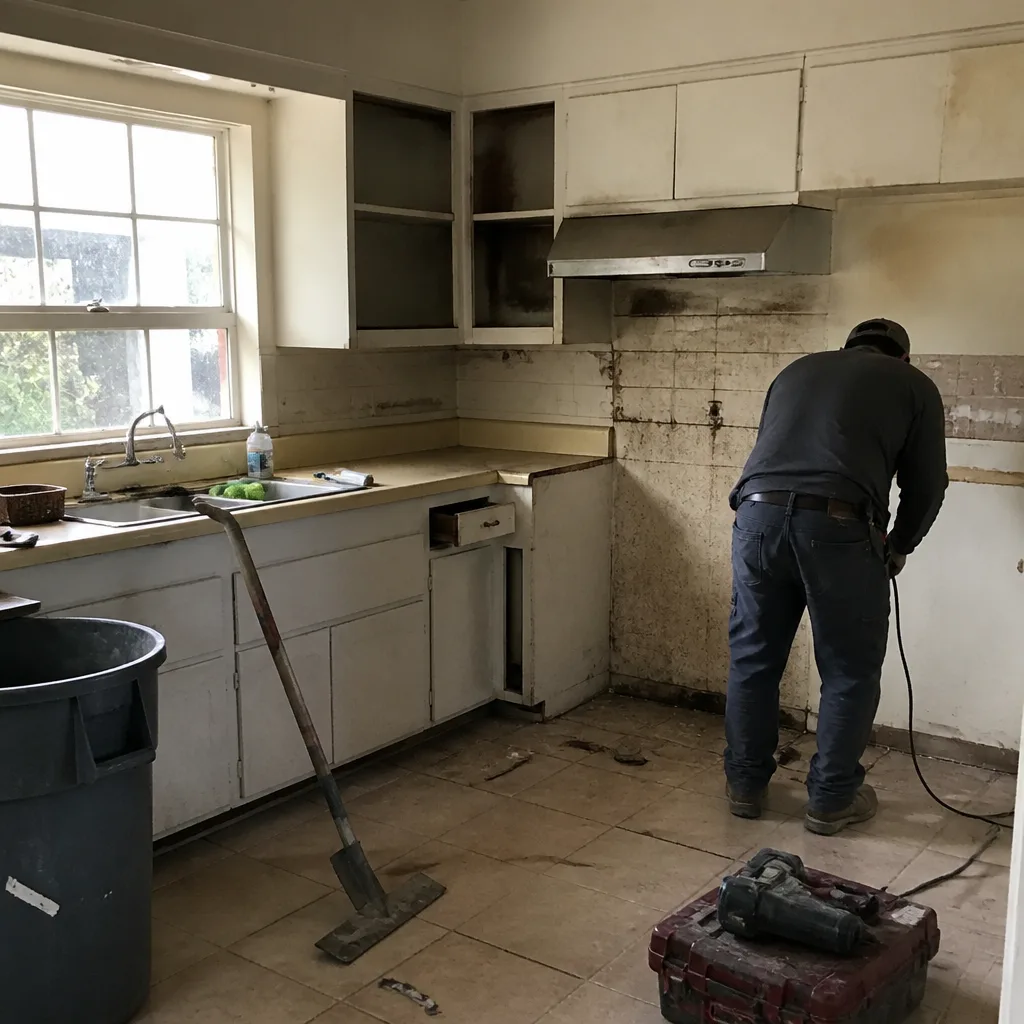 Before
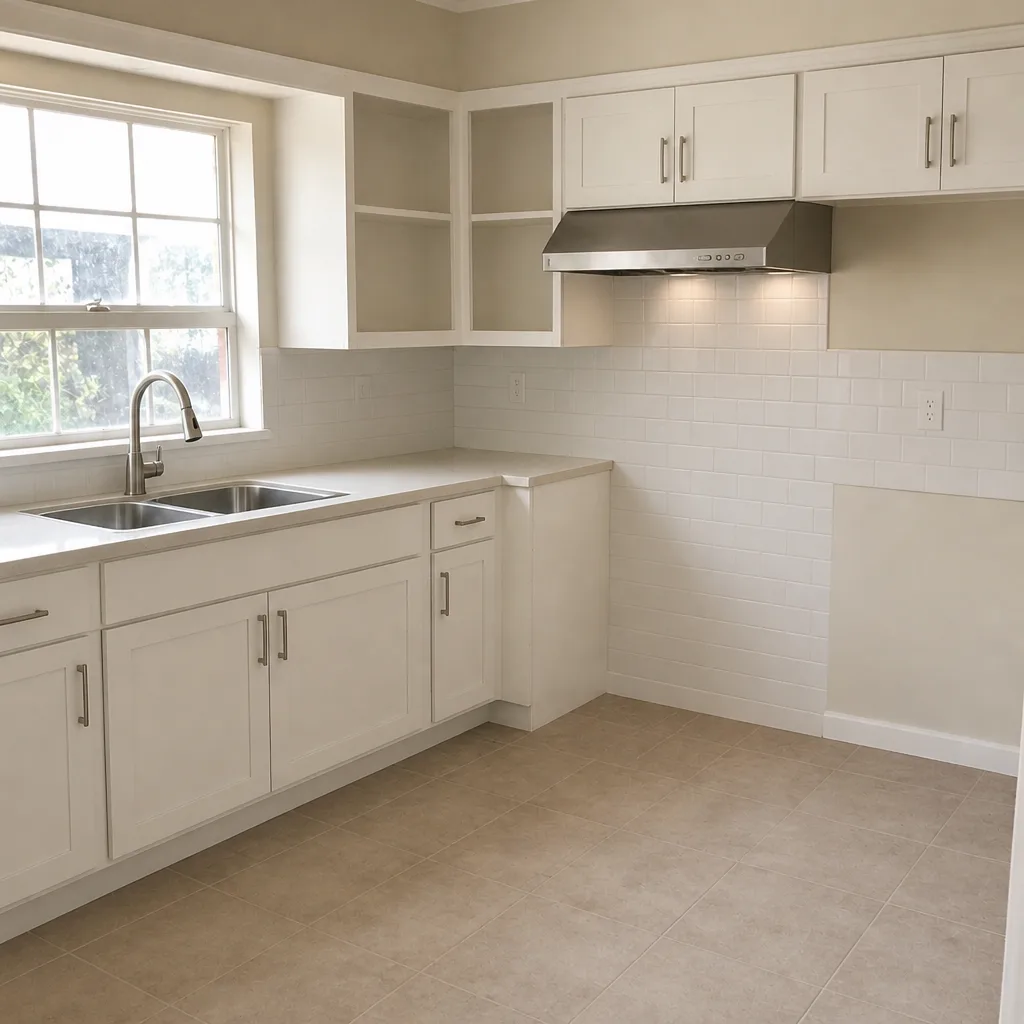 After
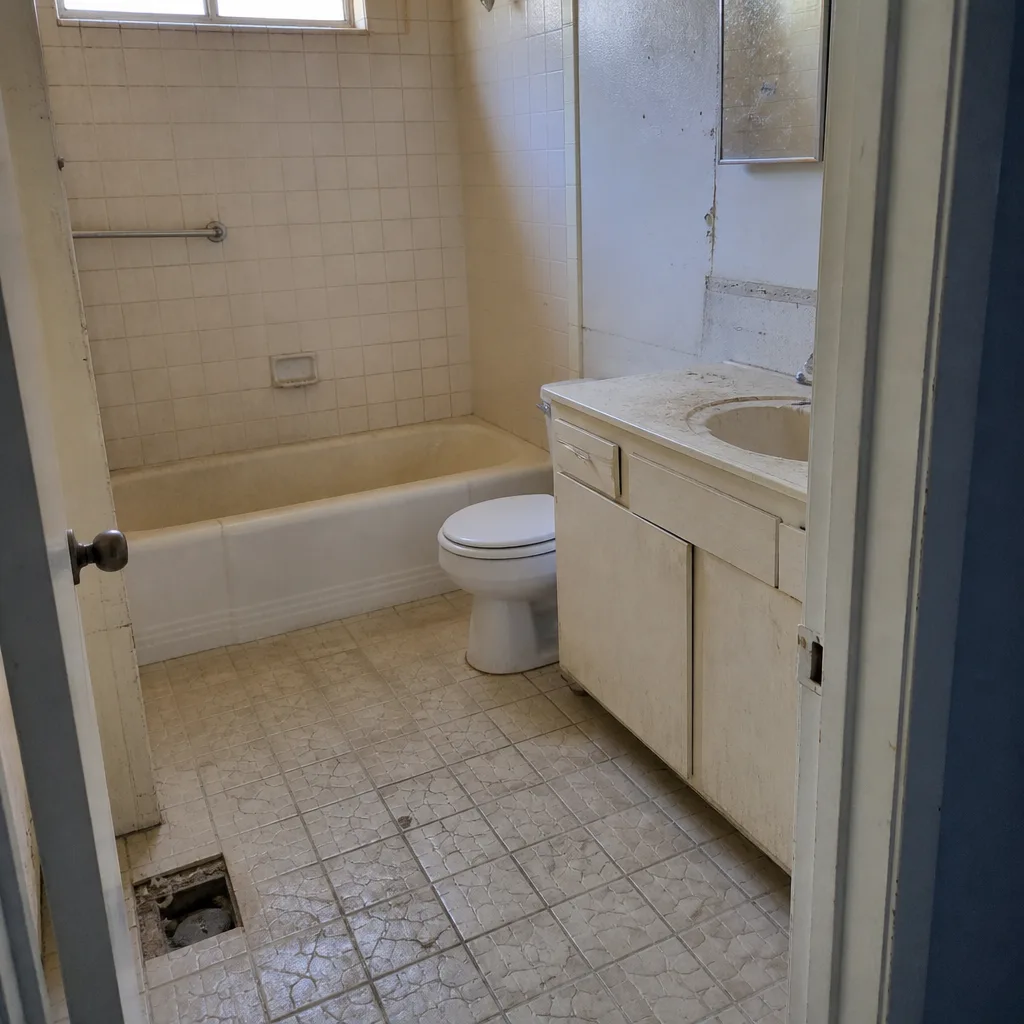 Before
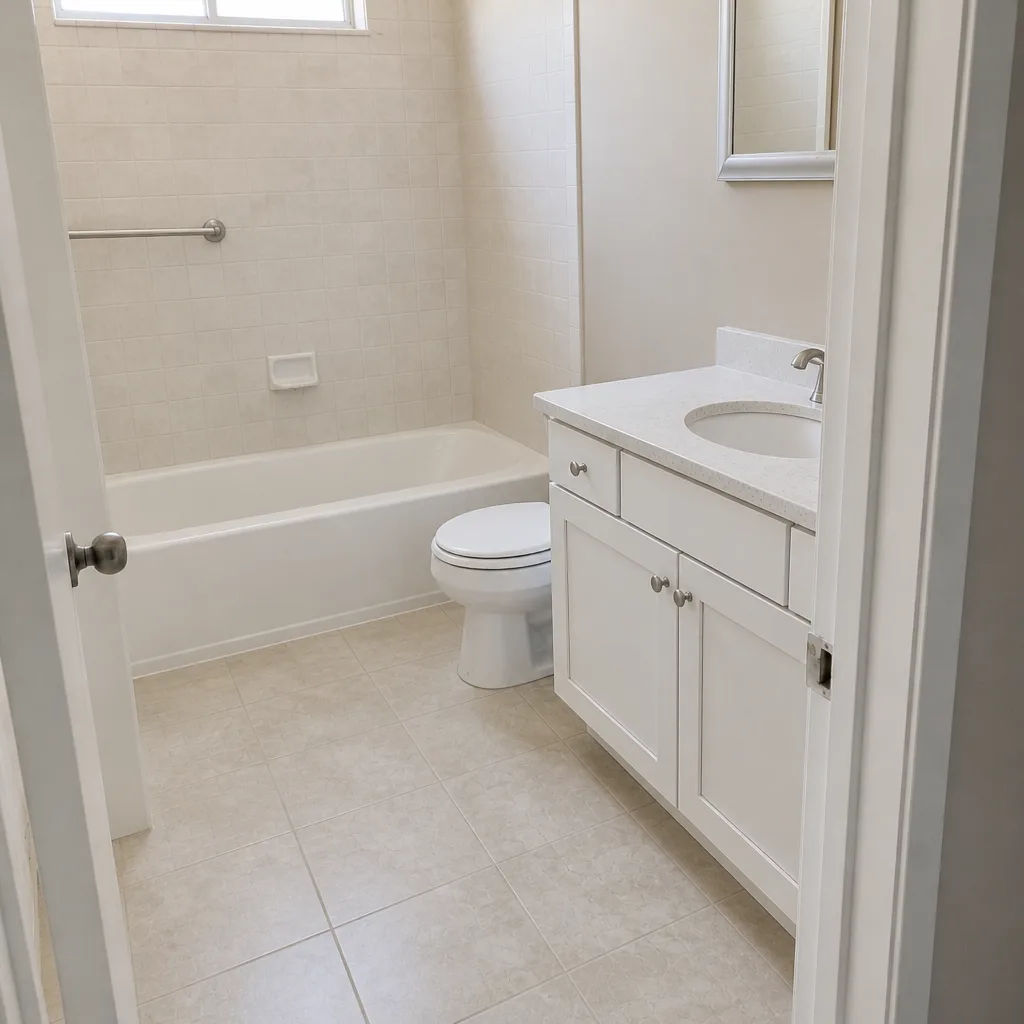 After
When to Call a Professional
Some warning signs you can read on paper before you sign. Others only show up after work begins: the site left open and unsecured overnight, materials sitting on the driveway uncovered for a week, subs showing up without a supervisor, the same permit question asked twice because the first answer got lost. If you’re three weeks in and the pattern is already forming, get a second opinion before the next progress payment. That’s not a lawsuit. It’s a professional assessment of what you’re actually getting for the money already spent.
Bradford Remodeling Co Costa Mesa offers free estimates in Costa Mesa, with a written price before any work starts and a signed written guarantee covering every completed project. Call (855) 659-2556 to schedule yours. Live person answers, 24 hours a day. A second opinion that costs nothing is the cheapest protection you can buy on a five-figure job.
Frequently Asked Questions

A contractor in California can ask for no more than 10% of the total job price or $1,000, whichever is less, as a down payment under Business and Professions Code §7159. Any request above that cap is a legal violation. If a contractor asks for 30% or 50% up front, that’s a warning sign you can act on before work starts. Call (855) 659-2556 for a written estimate with a compliant payment schedule.
Look up the contractor’s license number on the CSLB website at cslb.ca.gov. You can see license status, classification (you want a B classification for general building work), bond status, and any disciplinary history. The lookup is free, it takes about five minutes, and it should happen before you sign anything. Our technicians have up to 22 years of experience, and every project we take on is run through the same licensed, insured, bonded structure.
A valid workmanship warranty should name the coverage period with start and end dates, state what’s covered and what’s excluded, define the remedy when something fails, describe how to make a claim, and clarify whether the guarantee transfers if you sell the home. Verbal promises are not enforceable. Our 365-Day Done Right Promise is written into the contract on every completed project, with a specific remedy: if the work fails within the 12-month window, we return and correct it at no charge. Call (855) 659-2556 to see a sample before you commit.
Vague line items like “miscellaneous materials” or “labor allowance” usually exist to create a legal argument for a future change order. The contractor can claim later that the original price didn’t cover a material or task that fell under that line. A disciplined bid breaks out every material and every trade with a quantity and unit price. Compare any written bid against the verbal scope from your walk-through line by line, and ask which line any finish item falls under before you sign. Call (855) 659-2556 for a line-item written estimate you can compare.
Most kitchen and bathroom remodels in Costa Mesa that touch plumbing, electrical, walls, or structure require a permit from the City of Costa Mesa Community Development Department. A contractor who suggests skipping a permit on a real scope change is flagging that they either don’t understand local permitting or plan to cut corners. We pull permits and pass inspections on every job where they’re required. Call (855) 659-2556 to talk through what your specific project needs.
A verbal guarantee is unenforceable once the contractor’s phone stops being answered. A written guarantee names the coverage period, the scope of what’s covered, the specific remedy, and the claims process, and it’s tied to the signed contract. If you sell the home, a written guarantee can transfer to the new owner; a verbal one cannot. Every Bradford project carries the 365-Day Done Right Promise, signed and dated. Call (855) 659-2556 for a free estimate and a look at the paperwork before you decide.
The Bottom Line
The signs are in the paperwork, not the finished work. A deposit above the California legal cap. No license number on the contract. Vague line items that exist to justify future change orders. No named supervisor. No written change-order process. No disclosure of subcontractors. A verbal guarantee that disappears in month 14. All of these show up before the first nail is driven, and they’re all fixable before then. Verify the license on CSLB, verify the bond, verify the workers’ comp, read every line of the written scope, and get the warranty on paper. That’s the discipline. That’s what separates a remodel that holds up from one you’re still paying to fix two years later. And when a contractor puts every one of those pieces in writing before the first tool comes out, you’ve found the one worth hiring.
Written by the team at Bradford Remodeling Co Costa Mesa.