Last updated November 18, 2026


Free written scope consultation - allowances, timeline, and change-order rules on paper before a single trade is scheduled
How Long Does Home Remodeling Take? Timelines and What to Expect
A kitchen remodel in Costa Mesa might take 4 weeks of physical labor. But the full project clock, from signed contract to final inspection, commonly runs 10 to 14 weeks. The gap is mostly bureaucracy, not hammers. Homeowners get quoted labor days and then plan their lives around them, then get blindsided when the permit sits in a queue for three weeks and the cabinets are on a six-week backorder. This guide walks through the real timeline, phase by phase: permit submittal, material lead times, rough-in inspection scheduling, and how peak season in Orange County pushes approval windows by another week or two. By the end you’ll know what number to ask for before you sign anything.
Quick Answer
Most home remodeling projects take 8 to 16 weeks on the calendar from signed contract to final inspection, even when only 4 to 6 of those weeks involve active work on-site. The rest is permits, material lead times, and inspection holds. A cosmetic bathroom refresh can close in 5 to 7 weeks. A full kitchen in Costa Mesa averages 10 to 14 weeks. A whole-home remodel runs 5 to 8 months.
Styles & brands we work with
- Kitchen remodeling
- Bathroom remodeling
- Home additions & ADU
- Roofing
- Windows & doors
- Driveway & pavers
- Fence
Table of Contents
- Working Days vs. Calendar Days: The Number Most Quotes Leave Out
- The Phase-by-Phase Timeline
- Permit Submittal: Why It Takes 2 to 3 Weeks in Costa Mesa
- Material Lead Times: Where Projects Lose Weeks
- Subcontractor Sequencing and Mandatory Inspection Holds
- What Legitimate Schedule Buffers Look Like in a Contract
- Peak Season in Orange County: The Spring and Summer Slowdown
- How to Build a Realistic Timeline Before You Sign
Working Days vs. Calendar Days: The Number Most Quotes Leave Out
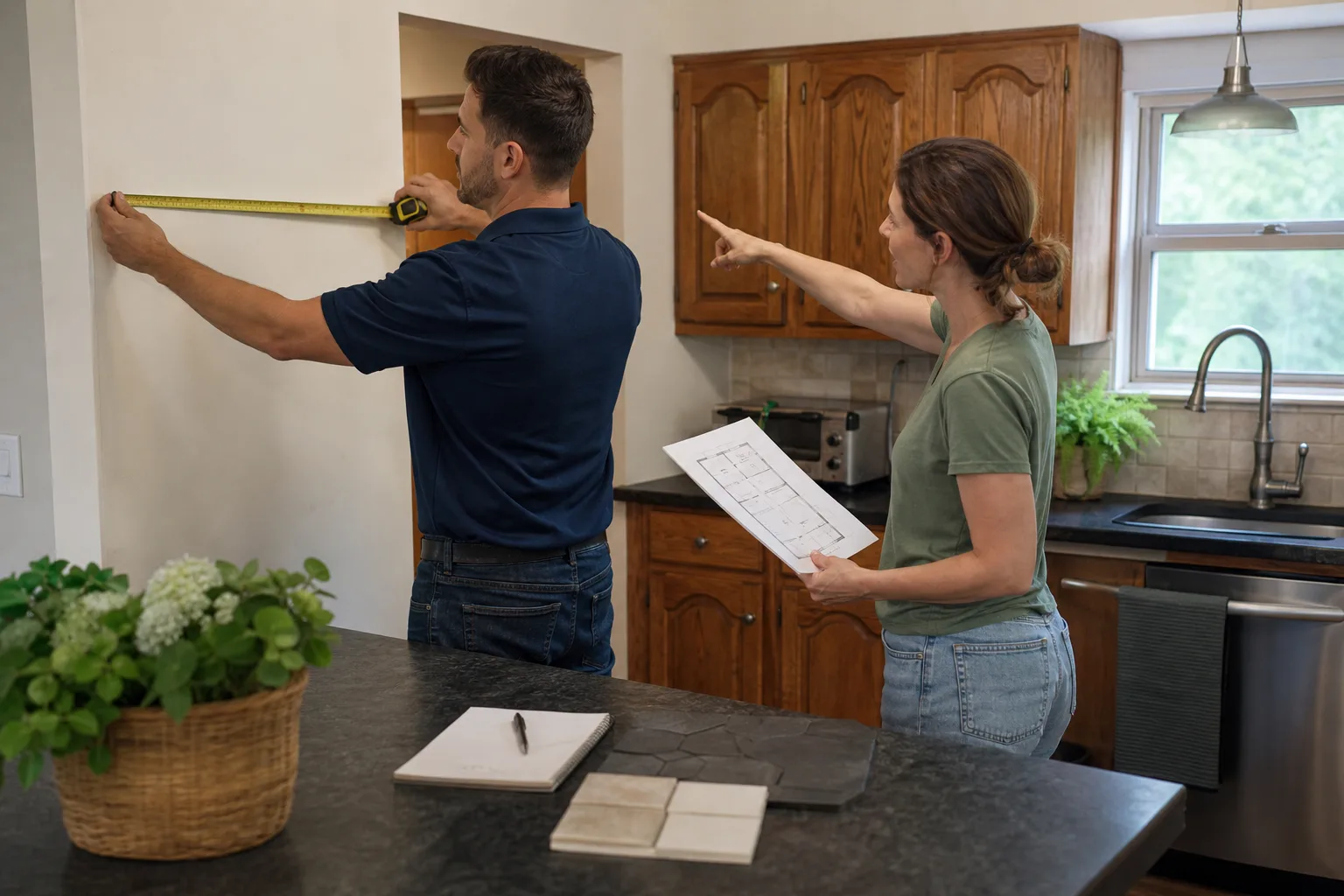
When a contractor tells you a kitchen takes “four weeks,” they usually mean four weeks of working days on-site. They are not counting the two to three weeks before demolition when the permit sits with the city, the four to eight weeks the cabinets are being built, or the inspection day that has to be scheduled and waited on before the drywall goes up. If you plan your move-out date around the working-day number, you will be wrong by roughly 60 percent.
In our experience across Costa Mesa jobs, homeowners who ask for both numbers up front – working days on-site and calendar days to final inspection – make better decisions about temporary kitchens, storage units, and rental extensions. The working-day figure is what runs the crew. The calendar-day figure is what runs your life. A written quote that only gives you the first number is incomplete, even when it is honest about everything else.
Here is how the two numbers typically stack up for common projects:
- Bathroom refresh (vanity, tile, fixtures, no layout change): 10 to 15 working days on-site, 5 to 7 calendar weeks total.
- Full kitchen remodel: 20 to 30 working days on-site, 10 to 14 calendar weeks total.
- Primary bath with layout change and frameless shower: 18 to 25 working days on-site, 8 to 11 calendar weeks total.
- Whole-home remodel: 60 to 120 working days on-site, 5 to 8 calendar months total.
- Room addition: 40 to 60 working days on-site, 16 to 24 calendar weeks total.
If somebody quotes you a remodel and gives you only the working-day figure without explaining the calendar timeline, ask the question directly: “How many calendar weeks from contract signature to final inspection?” If they cannot answer on the spot, they have not built a real schedule. Our team at Bradford Remodeling Co Costa Mesa as your general contractor writes both numbers into the scope before work begins, along with the assumptions behind them.
The Phase-by-Phase Timeline
A remodel is not one job, it’s a sequence of handoffs. Skip or compress a phase and the whole job bottleneck rises to the surface six weeks later. Here’s what the phases actually look like on a mid-size kitchen in Costa Mesa, with the average time each one takes:
- Design and selections (1 to 3 weeks): You finalize cabinet door style, finishes, layout, and fixture spec. This is when you choose KraftMaid or Wellborn cabinetry, Cambria or Caesarstone surfaces, and Kohler or Delta fixtures. Every material change after this phase adds schedule days.
- Contract and deposit (1 week): A written, line-item price with scope, inclusions, exclusions, and the guarantee language. Nothing moves until this is signed and returned.
- Permit submittal and approval (2 to 3 weeks average in Costa Mesa): Plans go to the city plan check. Some projects see over-the-counter approval in a week; many take three. This clock runs before any tool touches your house.
- Material ordering and lead time (4 to 8 weeks, overlapping with permits): Cabinets are built to order, not pulled off a shelf. Orders go out the same week the permit is filed so the two clocks run in parallel.
- Demolition (2 to 4 days): Once permits are in hand and materials are staged, demo is quick.
- Rough-in and rough-in inspection (1 to 2 weeks): Plumbing, electrical, and HVAC go in, then sit untouched until the inspector signs off. Nobody touches drywall until that signature is in the file.
- Drywall, finishes, and cabinet install (2 to 3 weeks): The visible transformation happens here.
- Punch list and final inspection (1 to 2 weeks): The city closes the permit; you and the crew walk the space with a written punch list; the guarantee is handed over.
Notice that the actual construction days are a fraction of the total. The window that most often causes overruns is not demolition or trimming out the space, it’s steps 3, 4, and 6. A general contractor who is not running those clocks in parallel – permits in one hand, materials in the other, inspection days pre-booked – will hand you a schedule that slips the moment one piece lags.
Permit Submittal: Why It Takes 2 to 3 Weeks in Costa Mesa
Costa Mesa permit submittals for a kitchen or bathroom remodel commonly take 2 to 3 weeks for plan review when there is no structural change involved. That is an average – some come back in 8 business days, some take 4 weeks if the plans come back with corrections. A structural change, a new footprint, or a window and door relocation pushes the review into a different track and extends the window further. The permit is not a formality, and it is not a rubber stamp. It is a review of engineered plans by the city, and the review time is set by the city’s own volume, not by the contractor.
What’s important to understand is that the permit clock runs on business days, not calendar days. A permit filed on the Thursday before a holiday weekend loses two days before anyone opens the envelope. Filed on a Monday, it may reach a plan checker by Tuesday morning. That one-week shift at the front of the job can move your whole remodel by five working days.
Legitimate contractors submit the permit as soon as the plans are drawn – not after they finish the current job and start thinking about yours. The written scope on a properly squared-away project will state the permit timeline as a separate line, and it will tell you what happens if the city comes back with corrections. It’s also worth knowing that any contractor who suggests skipping a permit for a remodel that requires one is telling you exactly how they handle the rest of the job. Pulled permits also protect you when you sell the home: unpermitted work can stall an appraisal or force a retrofit before closing.
Material Lead Times: Where Projects Lose Weeks
Cabinets, specialty tile, and stone surfaces drive the material clock on most remodels, and they don’t move at demo speed. A stock cabinet order runs 3 to 4 weeks. Semi-custom KraftMaid or Wellborn cabinetry runs 4 to 6 weeks. Custom slab doors or unusual finishes stretch to 8 to 10 weeks. Specialty tile that ships from overseas adds 4 to 8 weeks before it touches a truck. A Cambria or Caesarstone countertop template cannot happen until the base cabinets are installed, then fabrication adds another 1 to 2 weeks.
The countertop sequence catches a lot of homeowners off guard. The cabinets have to be set and level before the template can be made, and the countertop fabricator builds the slab to the exact as-built dimensions. That means you cannot order the counters until the boxes are in. Anyone who promises a finished kitchen six weeks after demo on a semi-custom cabinet job is either not counting the cabinet lead time, or has a shortcut that will show up later as a misfit.
Lead time numbers shift with manufacturer backlogs, so ask for them in writing at the time of your order. The brands we work with on a documented basis – KraftMaid, Wellborn, Cambria, Caesarstone, Kohler, Moen, Toto, American Standard, Blanco, Delta – all publish current lead times, and a written schedule should cite them. A material list with a copy of the manufacturer specification and warranty is what makes a timeline traceable later. It’s also what lets us honor the 365-Day Done Right Promise with certainty: if a cabinet door warps inside the first year, we know exactly what was installed and can pull the spec.
Subcontractor Sequencing and Mandatory Inspection Holds
A remodel is a relay race between trades, and the batons are inspections. The sequence is not negotiable: demolition, then framing, then plumbing and electrical rough-in, then the rough-in inspection, then insulation, then drywall. You cannot install drywall over unfinished electrical, and you cannot final that electrical without the rough-in sign-off. The rough-in inspection is a mandatory hold – the crew physically cannot proceed until the inspector has walked the job and signed the card. If the inspector is booked out 5 business days in Costa Mesa, that’s a 5-day pause in the schedule whether you like it or not.
Here’s what the sequence looks like when a general contractor runs it correctly:
- Framing inspection (1 to 2 days after framing is complete)
- Rough-in plumbing, electrical, and mechanical lined up to the same day so they can be inspected together (2 to 3 days of work)
- Rough-in inspection scheduled the moment the rough-in is complete (1 to 5 business days of wait, depending on the inspector’s availability)
- Drywall hung and finished (4 to 6 working days)
- Finish trades (tile, trim, paint, fixtures, countertop) sequenced so nothing finishes before the countertop dimensions are locked
- Final inspection once the punch list is clear (1 to 5 business days of wait)
In Costa Mesa, we schedule the rough-in inspection the day the rough-in trades finish, not the day the crew is ready for drywall. Getting on that calendar early can save a full week. We see the same pattern at bathroom remodel jobs where the plumbing changes trigger a separate inspection hold – the timeline risk is in the inspection scheduling, not the plumbing itself. That kind of sequencing discipline is the difference between the working-day number and the calendar-day number converging or drifting apart.
What Legitimate Schedule Buffers Look Like in a Contract
Every honest schedule has built-in slack for weather, inspection delays, and material hiccups. The question is not whether a buffer exists, it’s whether the buffer is written down and controlled. Contracts that say “subject to change” with no explanation of what triggers the change leave the buffer entirely in the contractor’s hands, and any homeowner who has been through a schedule slip knows how that ends.
A well-drafted contract makes the buffer visible and conditional. The clear version has these characteristics:
- Named milestones: “Substantial completion by [specific date]” rather than “approximately [X] weeks.”
- Defined triggers: A stated list of events – permit corrections, material backorders, homeowner selection changes, weather days – that legitimately extend the schedule, each with a stated number of days.
- Notification clause: A requirement that the contractor notify you in writing within a set number of days of any trigger event, with a revised date. No silent slips.
- Owner-driven change orders: Any change you request that moves the schedule states the day impact, in writing, before the change is authorized.
- Fixed pricing tied to the scope: “Subject to change” without scope protection is what turns into surprise invoices. A written, line-item price with a change-order process is what turns it into a straight answer.
Our version of this at Bradford Remodeling is straightforward: we put the timeline in writing before any tool comes out, we put the price there with it, and the only numbers that move are the ones you approve in writing. If a trigger event pushes the date, you get a written notice with the new date and the reason. The 365-Day Done Right Promise is a separate piece of written protection – it covers the work for a full year after substantial completion, and if anything we installed fails in that window, we come back and correct it at no charge.
Peak Season in Orange County: The Spring and Summer Slowdown
Orange County permit volume climbs in spring and summer. March through August is the busy window for Costa Mesa and the surrounding cities, and the plan check queue shows it: what takes 2 to 3 weeks in January often takes 3 to 4 weeks from April through July. That extra 1 to 2 weeks gets added to the front of the project, before any work begins. It is the single most overlooked seasonal factor in scheduling a Costa Mesa remodel.
There’s also a demand-side effect. Tile setters, cabinet installers, and licensed electricians are booked further out in late spring, and their availability can push rough-in dates by another 3 to 5 days. If you have flexibility on timing, filing permits in late fall or winter shortens the review window noticeably. If you must build in spring, budget the extra review week explicitly in your schedule and plan your temporary kitchen around it – not around the working-day quote.
For major remodels, we recommend signing and filing in the off-peak window even if construction will extend into spring. The permit review is the long pole in the tent; get it cleared while the city isn’t slammed. For a look at how these timelines break down specifically for bathroom remodeling in Costa Mesa, that page walks through the same phase logic for smaller, faster projects.
How to Build a Realistic Timeline Before You Sign
The number you need is not one number, it’s four. Ask any contractor you interview for all four in writing, and compare them across bids. If the bids disagree wildly on working days but agree on material lead times, the disagreement is about crew capacity, not scope. If the bids agree on working days but disagree on permit windows, one of them has not filed recently.
Here’s the walkthrough for building the timeline yourself:
- Get the working-day number on-site: “How many working days of crew time does this scope require?”
- Get the permit window separately: “What’s the average plan check time for this scope in Costa Mesa right now, and does it change in spring?”
- Get the material lead times per item: Not a total, but each major item – cabinets, countertops, tile, doors, fixtures – with the manufacturer and current estimate.
- Ask how the four phases overlap: Permits in parallel with materials is the way a disciplined contractor runs it. What you want to hear is that the two clocks start on the same week, not sequentially.
- Assign completion dates to milestones: Substantial completion, punch-list walk, final inspection, guarantee handoff.
- Read the buffer language: A written buffer with triggers and notice is a professional document. “Subject to change” is not.
If the contractor is willing to walk through these four numbers with you in a single 30-minute meeting, you are talking to someone who has run the schedule before. If they hand you a single number and change the subject, they have not. If permits, materials, and inspection scheduling are working in parallel, as they should be, the calendar-day number sits at about twice the working-day number for a mid-size kitchen in Costa Mesa.
Common Mistakes to Avoid
- Planning your move around the working-day number: Four weeks on-site usually means 10 to 14 weeks to full completion once permits and materials are counted. Build the schedule around the calendar-day number.
- Making selections after the contract is signed: A door style change on KraftMaid cabinetry at week three can add four weeks if the manufacturer has already started the order. Lock every finish and fixture before the contract date.
- Ignoring the countertop sequence: Nobody can build your Cambria slab before the base cabinets are set and level. Skipping the template step is impossible; pretending it happens faster than two weeks is fiction.
- Filing permits after demo starts: Some crews will start demo while the permit is pending, then hit a correction letter and have nothing to do for a week. File first, demo second.
- Scheduling inspections late: Rough-in inspections in Costa Mesa book 1 to 5 business days out. Waiting to schedule until the crew is ready for drywall adds a mandatory hold day.
- Comparing bids on total price only: A quote with a written price, written schedule, and a written one-year guarantee is not directly comparable to a verbal estimate with “subject to change.” Compare scope, dates, and guarantee term, not just the total.
- Building through spring because it’s when you have vacation: The permit queue in Orange County adds 1 to 2 weeks to approval from March through August. If spring construction is fixed, file the permit in winter.
See the difference
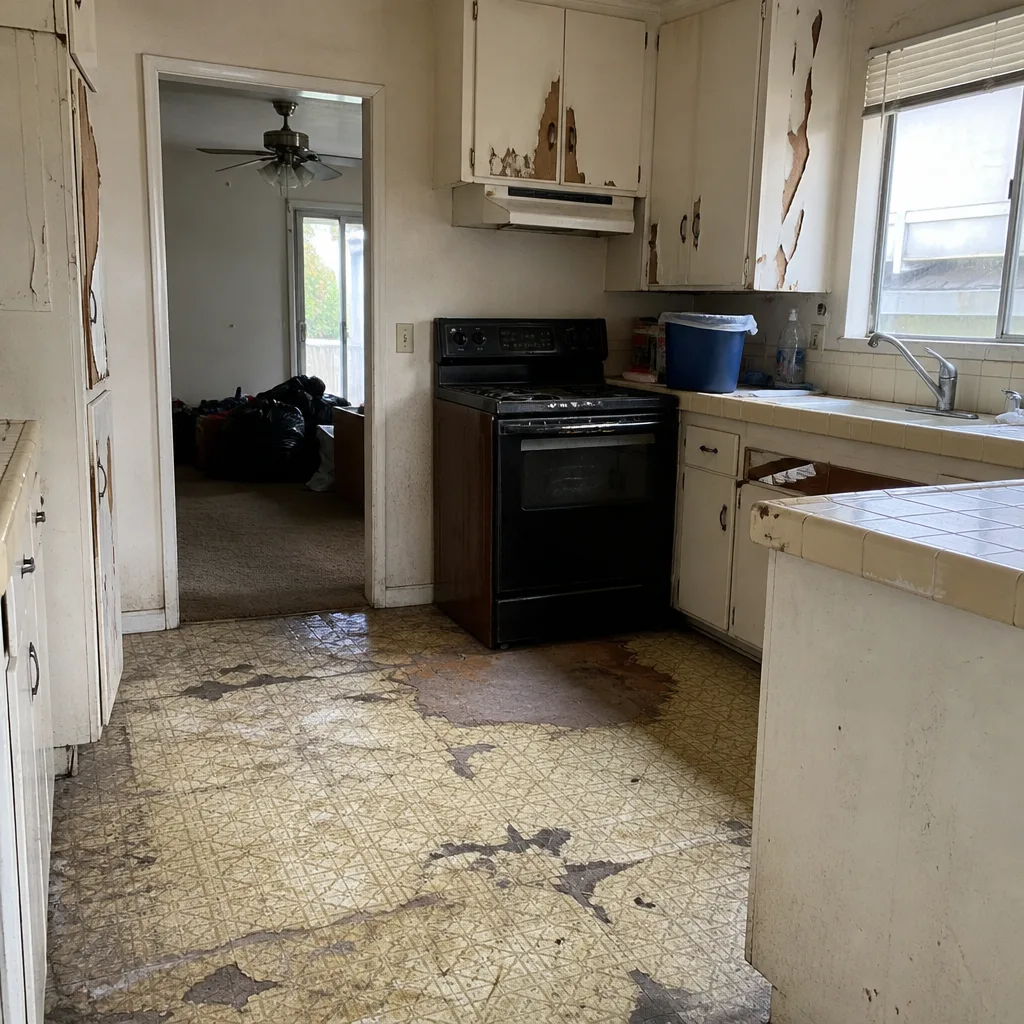 Before
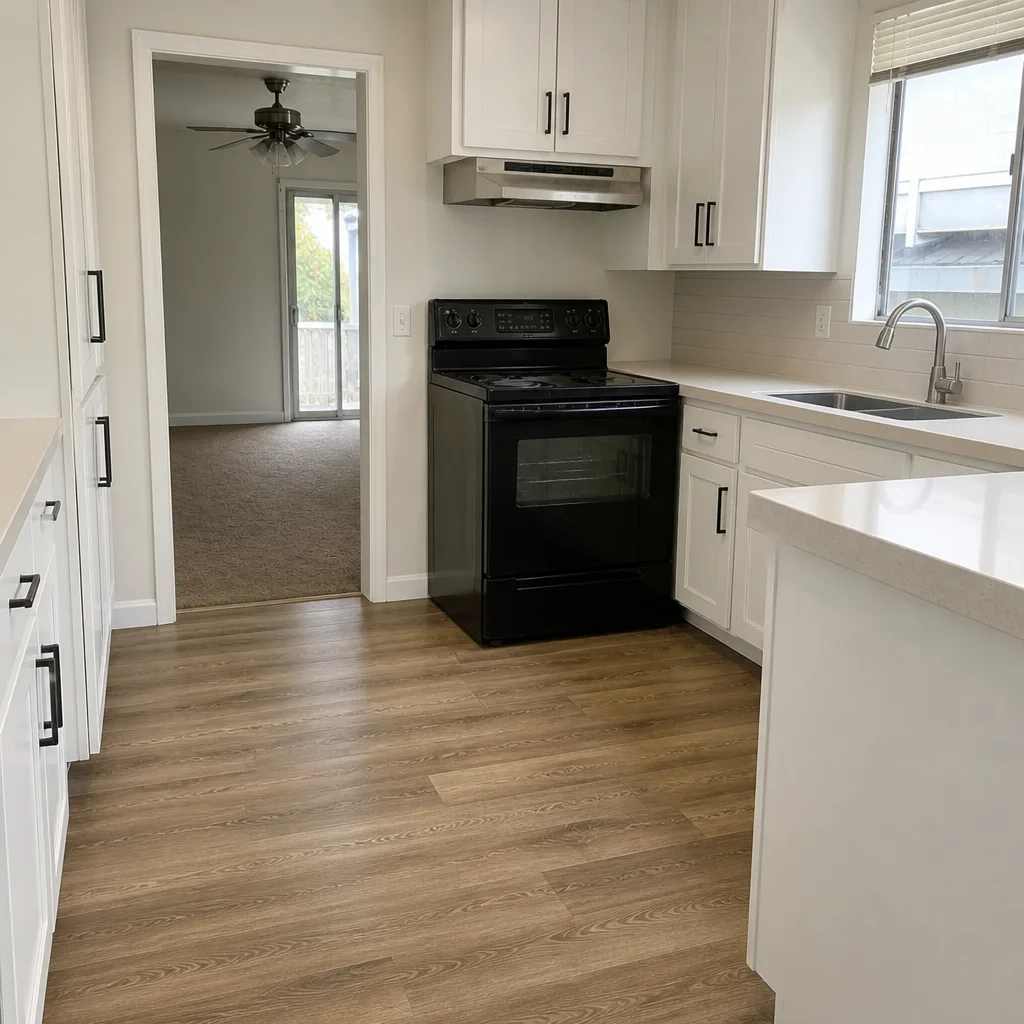 After
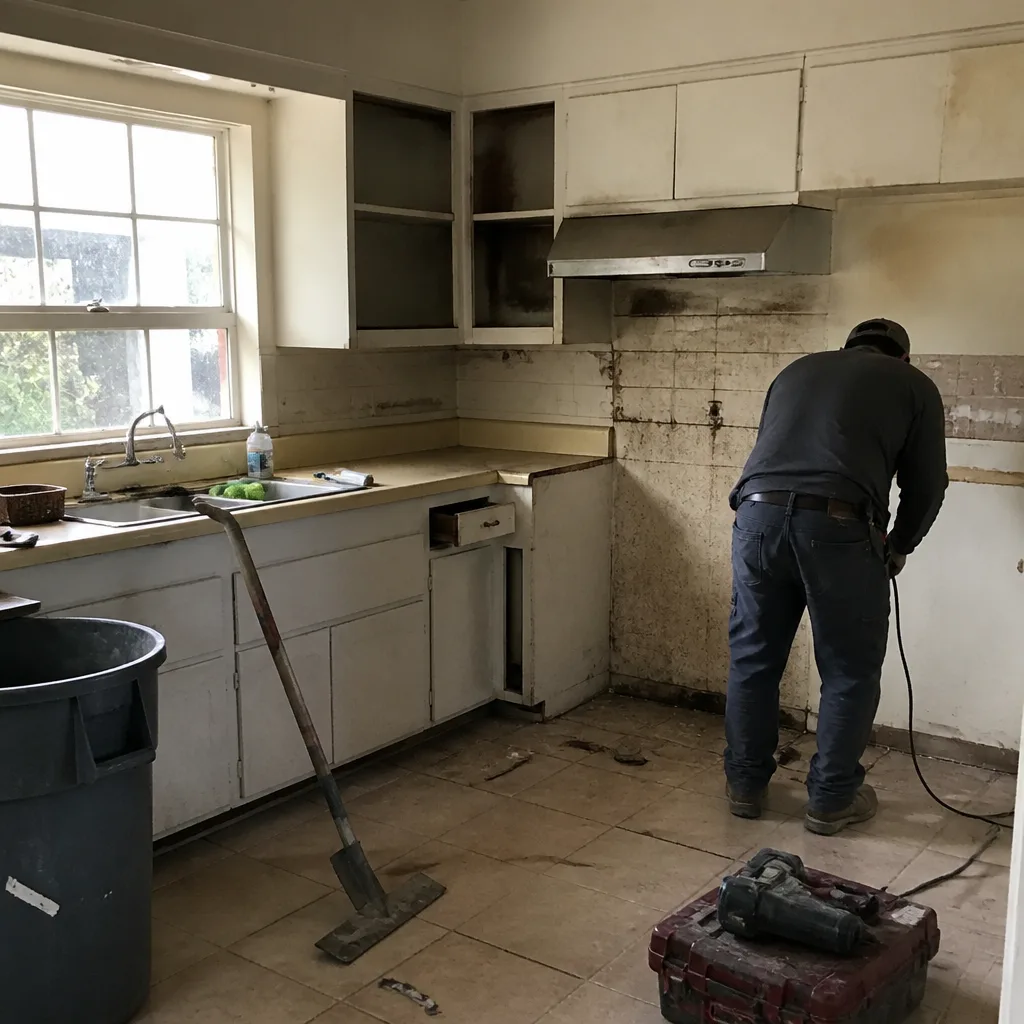 Before
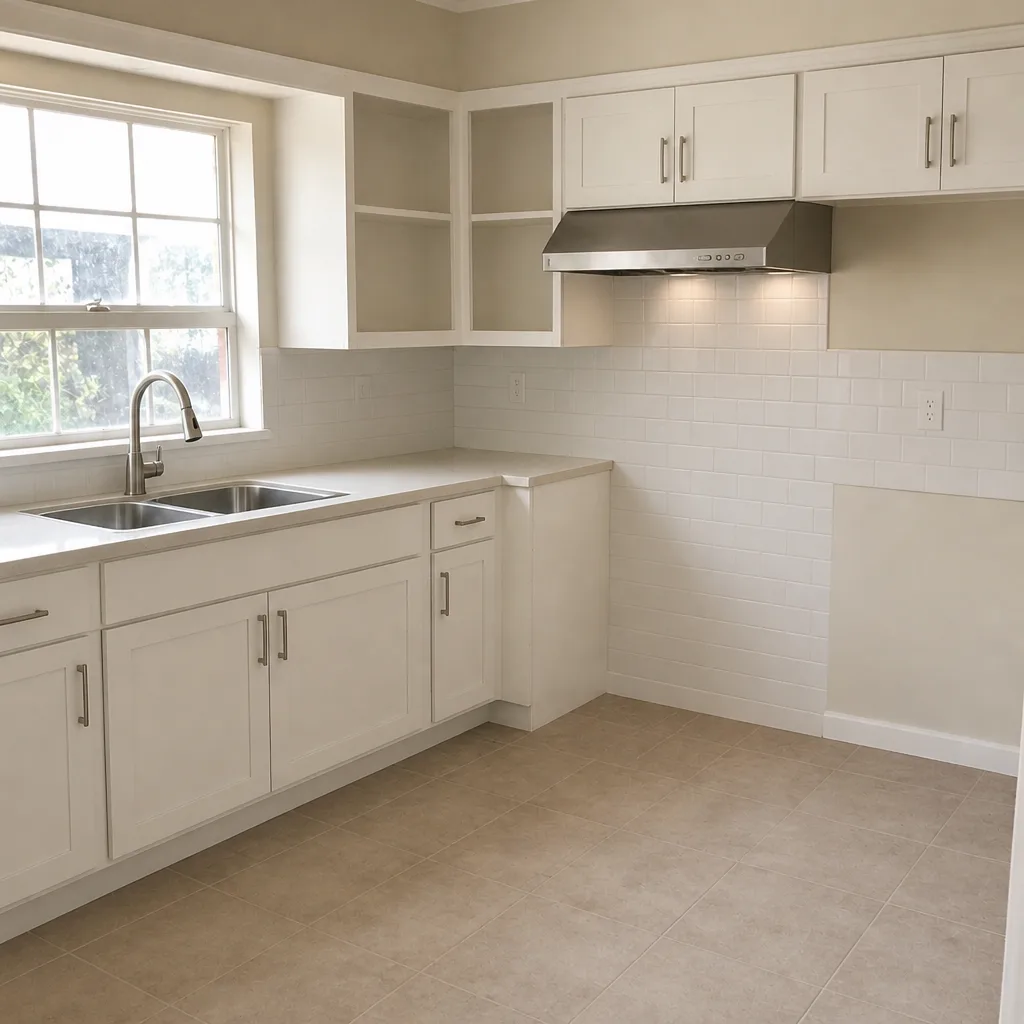 After
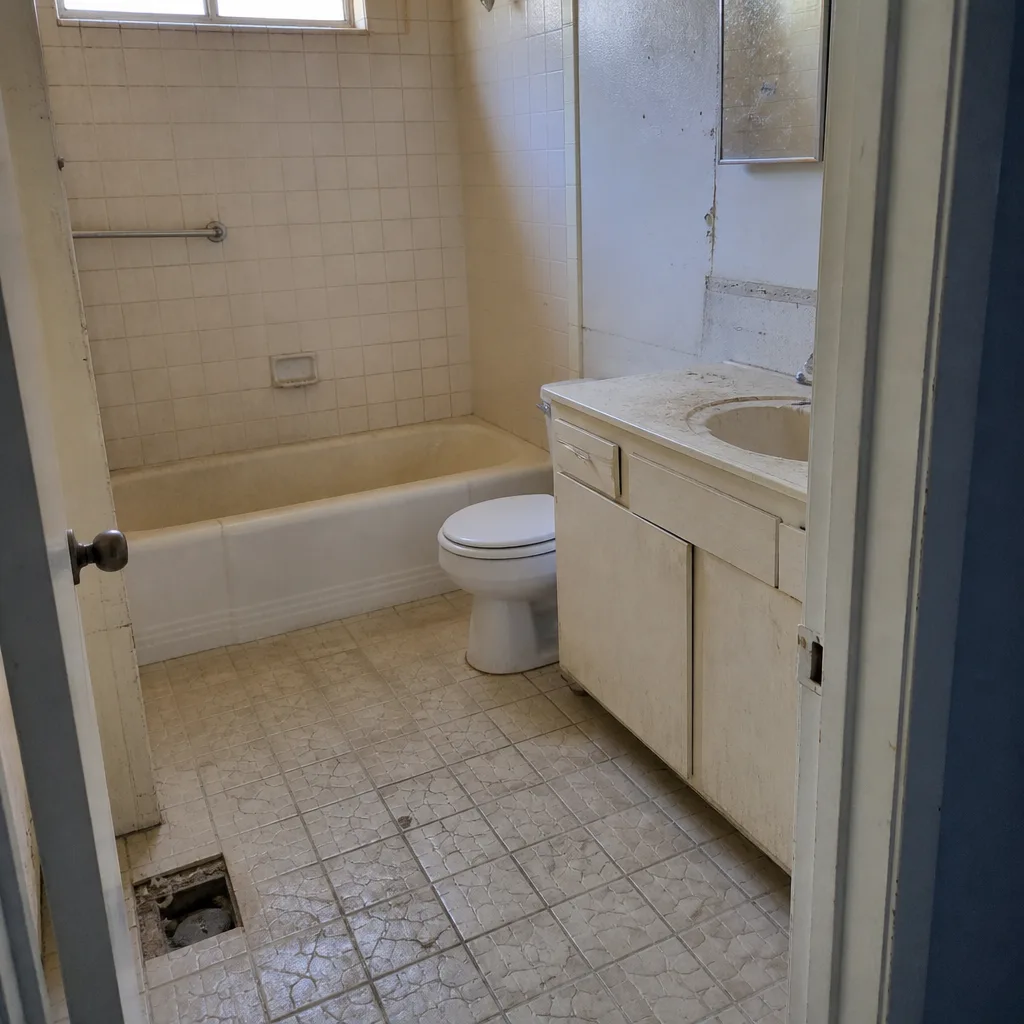 Before
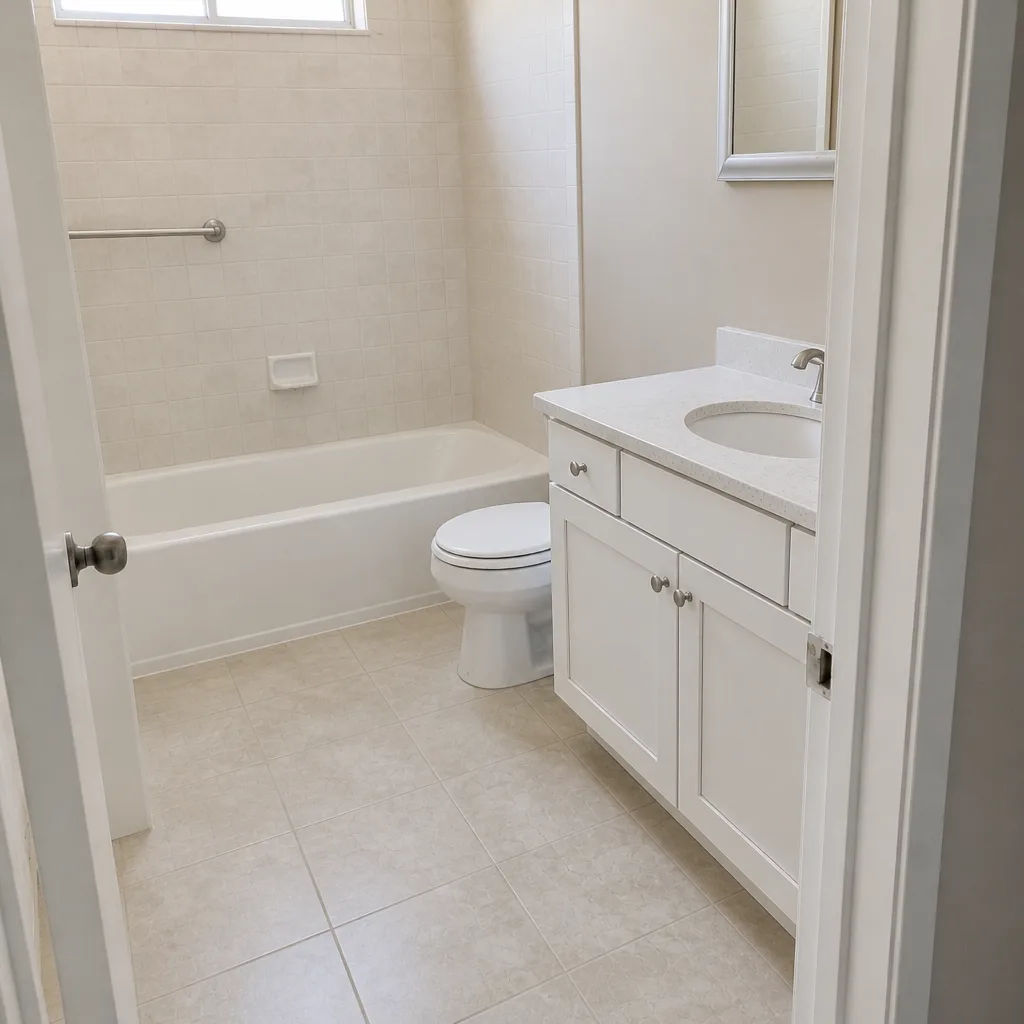 After
When to Call a Professional
Call a remodeling contractor when the scope crosses any of three lines: a permit is required, a wall or plumbing line moves, or you need to sequence three or more trades against inspections. Cosmetic swaps – paint, hardware, one vanity, one fixture – can be done without a contractor’s help. Anything that changes electrical, plumbing, framing, or natural gas falls squarely into professional territory, and DIY on those carries real risk: unpermitted work, water damage behind walls, or worse. If your timeline has already slipped and the current job is half-finished with the permit opened and nobody on-site, that is a call worth making too. Bradford Remodeling Co Costa Mesa offers free estimates in Costa Mesa – call (855) 659-2556.
Frequently Asked Questions
A full kitchen remodel in Costa Mesa commonly runs 10 to 14 calendar weeks from signed contract to final inspection, with 20 to 30 working days of active on-site work. The remaining weeks are permit plan check (usually 2 to 3 weeks), cabinet and countertop lead time (4 to 8 weeks overlapping with permits), and inspection scheduling. Call (855) 659-2556 for a written estimate with both the working-day and calendar-day numbers.
Most overruns come from permit delays, material backorders, or inspection holds – not from slow labor. If the original quote only stated working days on-site, the calendar timeline was never in the contract to begin with. A written timeline with named milestones and defined triggers is what prevents this on your next project.
Yes, bathroom remodels that relocate plumbing, change electrical circuits, or alter the footprint require a permit in Costa Mesa. A cosmetic refresh – new vanity, tile, paint, fixtures on existing rough-in – may not, depending on scope. Plan for 2 to 3 weeks of permit review when a permit is required. Call us at (855) 659-2556 and we’ll tell you honestly what your scope requires before you sign anything.
It’s possible but rarely practical on a full remodel, and generally not for the demo and rough-in window. A better approach is to phase the project and stay in a portion of the home that’s not under construction. We plan whole-home phases around the homeowner’s occupancy whenever the scope permits, with dates written in the schedule up front.
Pricing depends on scope, size, and materials, and a real number can only be quoted after the scope is walked. What we can tell you is that the number we give you is written, line-item, and fixed to the scope – not verbal and not subject to repricing at the door. Call (855) 659-2556 to schedule a free estimate and get a written price before any work starts.
A disciplined contract defines what triggers a schedule extension (permit corrections, material backorders, owner-driven changes, weather days) and requires written notice with a new date within a set number of days. Silent slips are a contract language problem, not a construction reality. We put dates and triggers in writing and notify on day one of any change.
The Bottom Line
Home remodeling timelines come down to one distinction: working days on-site versus calendar days to completion. The working-day number covers labor. The calendar-day number covers your life. Permits, material lead times, and inspection scheduling are what stretch a 4-week job into 10 to 14 weeks, and the contractors who hand you both numbers in writing are the ones running real schedules. Every price we quote is written before work begins, every project carries the 365-Day Done Right Promise, and every brand we install – KraftMaid, Cambria, Kohler, and the rest – has a traceable spec and warranty backing it. That’s what “squared away” means. It’s also what makes a schedule you can actually plan around.
If you’re planning a remodel in Costa Mesa and want a straight answer on timeline and price, call (855) 659-2556 to schedule your free estimate. A live person answers the phone around the clock, and you’ll leave the call with real numbers, not a callback promise. Bradford Remodeling Co Costa Mesa is part of the Garrison Partners family, held to The Garrison Standard, and every estimate comes with a written price, a written schedule, and a written guarantee before any tool comes out. You can also start at Bradford Remodeling Co Costa Mesa to see the full scope of what we do.
Written by the team at Bradford Remodeling Co Costa Mesa.