Last updated November 18, 2026

Free written scope consultation - allowances, timeline, and change-order rules on paper before a single trade is scheduled
How Long Does General Contractor Take? Timelines and What to Expect
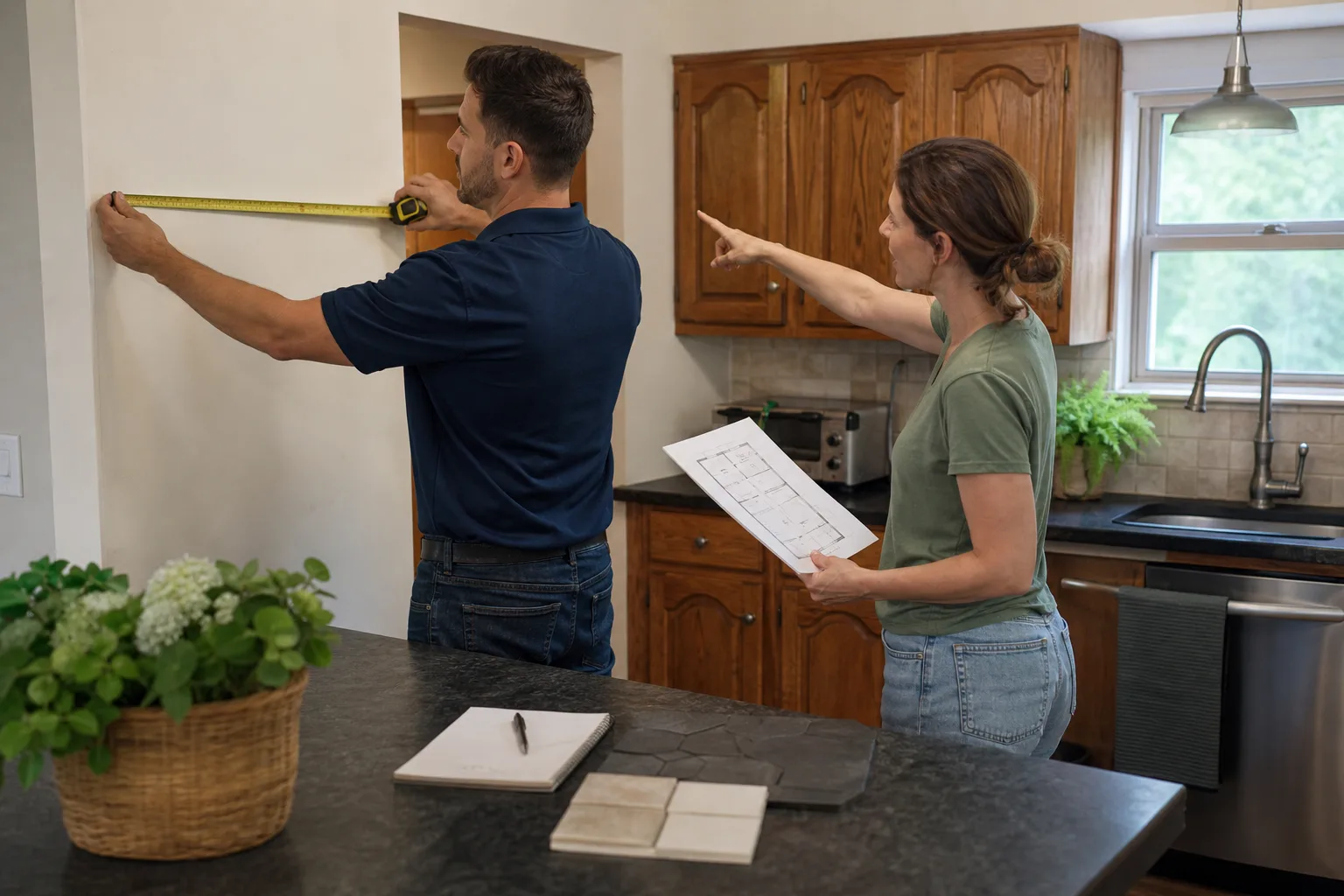
Costa Mesa’s building department permit processing averages 3 – 6 weeks for over-the-counter residential permits, and that’s before a single tool comes out. A general contractor who gives you a start date without accounting for that isn’t lying to you. They just haven’t run a permitted job here recently. The permit clock, the inspection queue at the county level, and the lead time on your cabinets, tile, and windows all run on their own schedule, and only one of those is your contractor’s fault when it slips. This guide breaks down what a kitchen, bathroom, addition, or ADU actually takes in Costa Mesa, how to read your contract so the dates mean something, and how a draw schedule keeps your money tied to completed work instead of promises.
Quick Answer
A general contractor takes 2 – 4 weeks for a bathroom, 6 – 10 weeks for a kitchen, 3 – 6 months for an addition, and 6 – 12 months for a permitted ADU in Costa Mesa, measured from mobilization to substantial completion. Add 3 – 6 weeks on the front end for city permit processing. The construction schedule itself is usually the shorter part of the wait.
Styles & brands we work with
- Kitchen remodeling
- Bathroom remodeling
- Home additions & ADU
- Roofing
- Windows & doors
- Driveway & pavers
- Fence
Table of Contents
- A Realistic Phase-by-Phase Timeline for Costa Mesa Projects
- The Permit Clock: Why Costa Mesa Processing Time Changes Everything
- Mobilization vs. Substantial Completion: Two Dates Your Contract Must Have
- Legitimate Delays vs. Contractor-Fault Delays
- The Inspection Sequence in Costa Mesa, Step by Step
- How to Structure a Draw Schedule So Your Money Tracks the Work
- Project-by-Project Breakdown: Kitchen, Bath, Addition, ADU
- What Your Contract Should Say About Time
A Realistic Phase-by-Phase Timeline for Costa Mesa Projects
Most homeowners think of a remodel as one long stretch of noise. It’s really a sequence of discrete phases, and each one has its own clock. If you know the phases, you can spot a schedule that’s padded or one that’s already behind before the first wall comes down.
- Design and selections (2 – 6 weeks). Layout, finish schedules, and material selections locked in writing. This is the phase most likely to stall a project silently, because it happens before permits are filed.
- Permit processing (3 – 6 weeks in Costa Mesa for over-the-counter residential). Longer for structural changes, additions, and ADUs that require plan review.
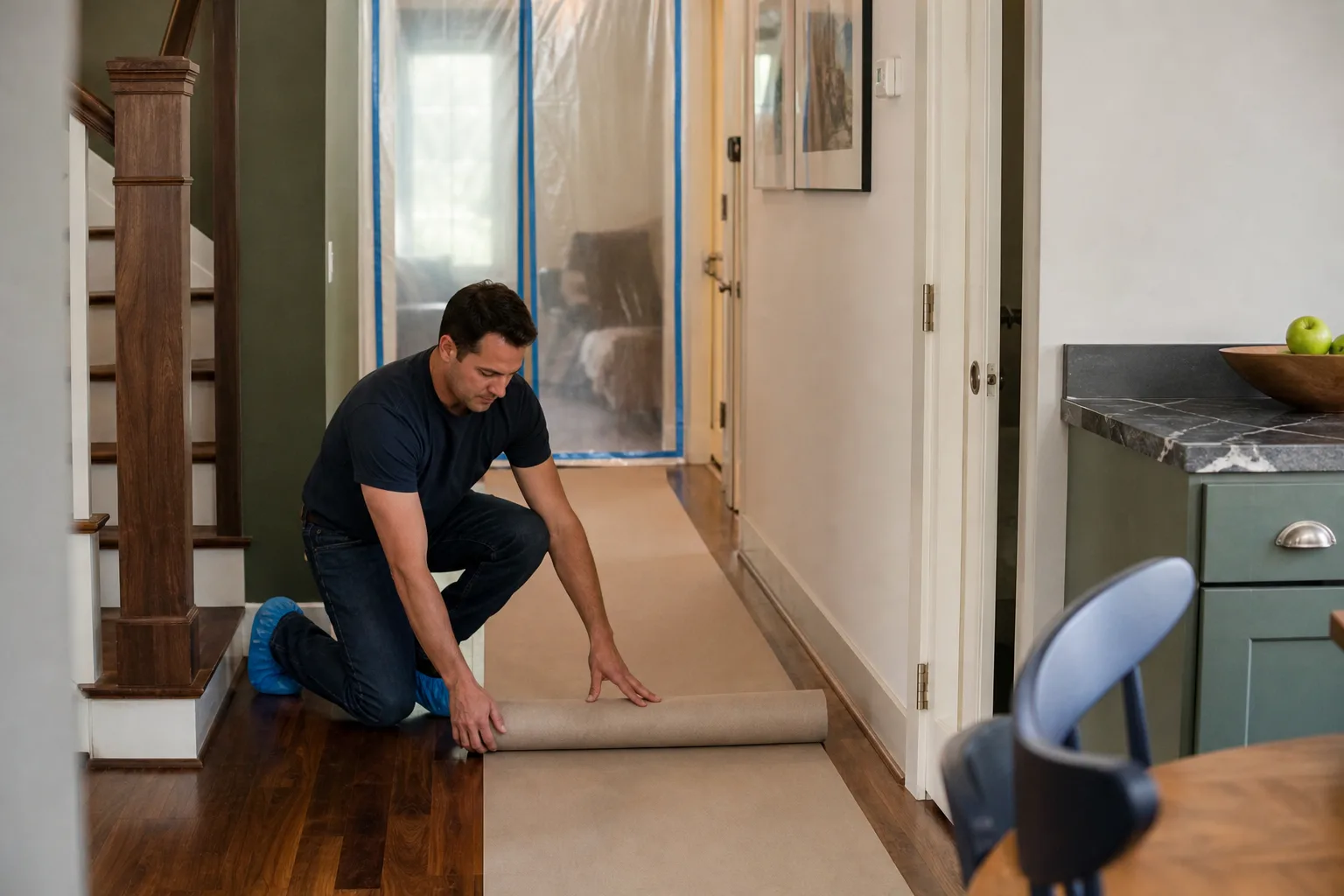
- Demolition and rough-in (1 – 2 weeks for a kitchen or bath). Tear-out, framing corrections, plumbing rough-in, electrical rough-in, and HVAC modifications. “Rough-in” means the pipe and wire in the walls before anything is closed up.
- Framing inspection (1 week, plus correction time if it fails). A city inspector checks the structural work before drywall goes on.
- Insulation and drywall (1 – 2 weeks). Insulation inspection fires, then hang, tape, texture, and cure.
- Finishes (2 – 4 weeks). Cabinets, counters, tile, fixtures, paint. This phase is where a KraftMaid cabinet order or a Cambria slab lead time can stretch the schedule if it wasn’t ordered in month one.
- Final inspection and close-out (1 – 2 weeks). The last city sign-off, punch list, and the written guarantee in your hand.
Add those up and a kitchen remodel lands in the 6 – 10 week range of actual construction, with 3 – 6 weeks of permit time ahead of it. A Costa Mesa homeowner planning a kitchen should mentally budget 10 – 16 weeks from design sign-off to final inspection. That’s the honest number, and it’s the one most contractors won’t say out loud until the job is already late.
The Permit Clock: Why Costa Mesa Processing Time Changes Everything
The single biggest variable in any Costa Mesa remodel is not labor. It’s the city’s permit queue. Costa Mesa’s building department processes straightforward over-the-counter residential permits in roughly 3 – 6 weeks, and projects that require plan review, structural engineering, or ADU-specific review take longer. This is not a Costa Mesa problem specifically. It’s what every Southern California city looks like after years of staffing shortages and rising permit volume. But it does mean a quoted “start date” without a permit-acknowledgment date behind it is a wish, not a commitment.
Here’s what to ask before signing anything:
- When will permits be filed? A real answer is a specific date, not “right after design.”
- What’s the current OTC processing window? If your contractor can’t state it for Costa Mesa this month, they’re guessing.
- Is my project OTC or does it require plan review? Additions and ADUs requiring structural review go into a different queue.
- Who is pulling the permit? If the answer isn’t the contractor or their licensed agent, ask why. Permits pulled by the homeowner can shift liability and inspection responsibility onto you.
We pull permits and pass inspections on every permitted project because the alternative is a homeowner holding the bag when the city catches unpermitted work at resale. And because the permit timeline is the one part of a remodel you cannot compress by working harder, the schedule you get from us in writing starts with the permit. When we quote a start date, the permit-application date is right above it on the same page.
Mobilization vs. Substantial Completion: Two Dates Your Contract Must Have
Most construction contracts list a “start date” and that’s it. That’s not enough. You need two dates, and you need both spelled out.
Mobilization date is when the crew, material, and equipment land on site and demolition begins. It’s the day the job physically starts. Substantial completion is when the work is complete enough that you can use the space for its intended purpose: kitchen operable, bathroom functional, addition weather-tight and signed off. Substantial completion usually precedes final punch-list closeout by one to two weeks, and both dates belong in your contract.
Why both? Because a mobilize-only contract leaves the finish line undefined. A contractor can mobilize on time and still stretch your job by three months in the middle, and technically they hit the one date they agreed to. A substantial completion date locks the end of the schedule. It also gives you a defined point to trigger what happens if the job isn’t substantially complete by that date, whether that’s a written explanation, a schedule recovery plan, or whatever your contract provides.
Ask for the dates as a line item on the written price sheet, not a verbal commitment. The best contractor practice is to put both dates, and the permit-application date above them, on one page you sign. That’s how we write ours. Bradford Remodeling Co Costa Mesa home lays out the pricing and scheduling format before the first site visit.
Legitimate Delays vs. Contractor-Fault Delays
Every remodel runs into delays. The question is whether the delay lands on your contractor’s side of the line or the universe’s side. Most contracts don’t distinguish. Yours should.
Legitimate delays (outside contractor control)
- City permit hold. The city requests additional documentation, revised plans, or a second review. Common on additions and any project touching structural.
- Material backorder. A specific cabinet door style, tile lot, or window unit goes on backorder. This is why selections must be locked before construction starts.
- Hidden conditions. Water damage behind tile, out-of-code wiring, or a non-structural wall that turns out to be load-bearing once opened up. A reputable contractor stops, documents, and quotes the correction in writing before proceeding.
- Inspection failure beyond the contractor’s reasonable control. Correlated with judgment calls, but sometimes the interpretation of code changes between inspectors.
Contractor-fault delays
- Understaffed or overbooked crews. Your GC started your job on time, then left the site dark for two weeks to spin up another project.
- Selections ordered late. The kitchen cabinet package was ordered after demolition, not before, so the job stalls waiting for delivery.
- Permit pulled late. The “start date” slipped because the permit application wasn’t filed until the week demolition was supposed to begin.
- Punch list creep. Work wasn’t finished and no one scheduled the return trip.
The clean distinction is: if the delay is a city or a manufacturer, the documentation exists and your contractor should show it to you. If the delay is a scheduling choice, the documentation doesn’t exist. Ask what the evidence looks like when a delay is reported. On every Bradford job, every change is documented in writing before it happens, and the schedule revision goes out with the cause attached.
The Inspection Sequence in Costa Mesa, Step by Step
A permitted remodel in Costa Mesa follows a standard inspection sequence. Each one is a checkpoint where work must pass before it can continue. Understanding the sequence tells you exactly where your job is in the schedule, every time you drive past the house.
- Rough-in inspection. Plumbing, electrical, and mechanical roughed into the walls before they’re closed. This is the one that determines whether your drywall can start next week.
- Framing inspection. Structural corrections, headers, shear, and connections checked against the approved plans.
- Insulation inspection. Wall, ceiling, and any fire-rated assemblies checked before drywall.
- Drywall inspection. Sometimes combined with insulation, sometimes separate. Nail pattern, moisture-resistant board in wet areas, and fire-rated assemblies all get looked at.
- Final inspection. Every system, every fixture, every sign-off. This is the inspection that lets the permit be closed.
A failed inspection costs real time. Most Costa Mesa re-inspections land within 3 – 10 business days of the correction, which means a single failed rough-in can push your schedule by 1 – 2 weeks. That’s not a small hit on a 10-week kitchen. It’s why a contractor who walks the rough-in before calling the inspector saves two weeks versus one who calls the inspector and hopes.
We walk every rough-in against the plans before the inspection call. That’s a job-cost decision, not a courtesy. Every re-inspection is a delay the homeowner pays for in calendar days, and the inspection-pass record is the thing that keeps your permit moving.
How to Structure a Draw Schedule So Your Money Tracks the Work
A draw schedule is the payment calendar. Every payment is tied to a phase of work, and the money should only release after that phase is complete. When a draw schedule is written properly, your payment never gets ahead of the actual work on-site. When it’s written poorly, you’re paying for a kitchen that’s still a pile of lumber.
Here’s the structure that keeps you protected:
- Deposit at signing or mobilization (typically 10 – 20%). Covers initial material orders and mobilization. In California, state law caps home improvement contract deposits for most projects; ask your contractor for the specific figure in writing.
- Rough-in complete draw. Released after rough-in inspection passes.
- Framing/drywall draw. Released after drywall inspection passes.
- Finish/cabinet draw. Released after finish material is delivered and installed, not just ordered.
- Substantial completion draw. Released at substantial completion, before final inspection.
- Final retainage (typically 5 – 10%). Withheld until final inspection passes and the punch list is closed.
Two things to watch. First, never pay for materials that haven’t arrived at your site. If your contractor asks for a cabinet draw before the KraftMaid delivery lands, ask why. Second, hold the final retainage. The last check is the only leverage you have over a punch list, and it’s standard practice in Costa Mesa to release it after the final inspection clears.
Every contract we write lists the draws as line items against the written price, in order, each tied to a named phase. No numbers move at the door, and no draw releases before the phase is complete.
Project-by-Project Breakdown: Kitchen, Bath, Addition, ADU
Generalizations are risky, but the ranges below are drawn from real Costa Mesa projects and account for the city’s permit timeline. Use them as a planning tool, not a guarantee, and ask your contractor for their number in writing.
- Bathroom remodel: 2 – 4 weeks construction, plus 3 – 6 weeks permit time. Total planning horizon: 6 – 10 weeks. Full gut jobs that relocate plumbing land at the high end.
- Kitchen remodel: 6 – 10 weeks construction, plus 3 – 6 weeks permit. Total planning horizon: 10 – 16 weeks. Cabinet and counter lead times drive half the variability here. KraftMaid and Wellborn cabinetry typically ship in 4 – 8 weeks after order, which is why selection lock-in happens before demolition.
- Addition (200 – 600 sq ft): 3 – 6 months construction, plus 6 – 10 weeks plan review. Total planning horizon: 5 – 8 months. Additions trigger structural review and often require an upgrade to the electrical panel.
- ADU: 6 – 12 months construction, plus 8 – 12 weeks plan review. Total planning horizon: 8 – 14 months. Costa Mesa ADUs often hit separate utility connection timelines and site-specific grading questions that no two properties share.
Keep an eye on the front end of each of these. A kitchen remodel in Costa Mesa with a 6-week permit cycle and a 4-week cabinet lead time already has 10 weeks of moving parts before the first tile goes down. The contractor who shows you that arithmetic before you sign is the one to work with. For more on how a kitchen schedule is built around selections, see our Kitchen Remodeling in Costa Mesa guide. Bathroom projects follow the same logic in our Bathroom Remodeling in Costa Mesa breakdown.
What Your Contract Should Say About Time
The contract is where a schedule either means something or turns into a story about how the world got in the way. Here’s what to require in writing before you sign:
- Mobilization date and substantial completion date, both present, both on the same page as the written price.
- Permit-application date. The date the permit is filed with Costa Mesa, not “soon after design.”
- Selections lock-in date. The date by which every finish, fixture, and appliance is ordered or specified.
- Draw schedule with named phases. Every payment line item tied to completion of a phase, not calendar dates.
- Delay-change protocol. The process for reporting a delay, documenting cause, and revising the schedule in writing before the impact hits.
- Change-order process. Every change to scope priced in writing and signed before it’s executed. No verbal approvals, no surprise invoices.
- Guarantee terms. Written, dated, and specific about what’s covered and for how long. The 365-Day Done Right Promise ships with every Bradford project: a full year of written coverage, and if the work fails inside that window, we come back and correct it at no charge.
If a contractor won’t put those on paper, the schedule isn’t real. It’s a sales tool. Our written price goes out before any work starts. That’s the Garrison Standard, and it exists because the homeowners who call us have already been burned by the other kind of contract once. See how it’s applied on our General Contractor in Costa Mesa page.
Common Mistakes to Avoid
- Signing a schedule that only has a start date. Without a substantial completion date, nothing in the contract compels a finish, and the middle of your job can stretch for months.
- Letting selections drift past the design phase. Every week a tile or cabinet decision floats is a week your final order slips. In Costa Mesa, a delayed cabinet order during a permit cycle can overlap the drywall phase and stall the job cold.
- Paying the deposit before you have a written price. A deposit against an unwritten scope is money with no attachment to work. On every Bradford project, the written price exists before the first tool comes out, and the deposit follows it, never the other way around.
- Missing the footing and grading notes on an ADU plan. ADUs in Costa Mesa run into site-specific grading and utility questions far more often than kitchen remodels do, and a plan set that skips those details adds weeks in plan review.
- Approving change orders verbally. Any good contractor prices changes in writing before execution. Verbal approvals turn into invoices that don’t match what you remember.
- Choosing the lowest bid without a scheduling conversation. The cheapest bid is often the one whose schedule was built without a permit timeline behind it. The first slip lands on your side of the line, not theirs.
- Skipping the punch-list walk. The final walk with the contractor, pen in hand, is where your punch list is signed off. No walk, no closure, no resolved items.
See the difference
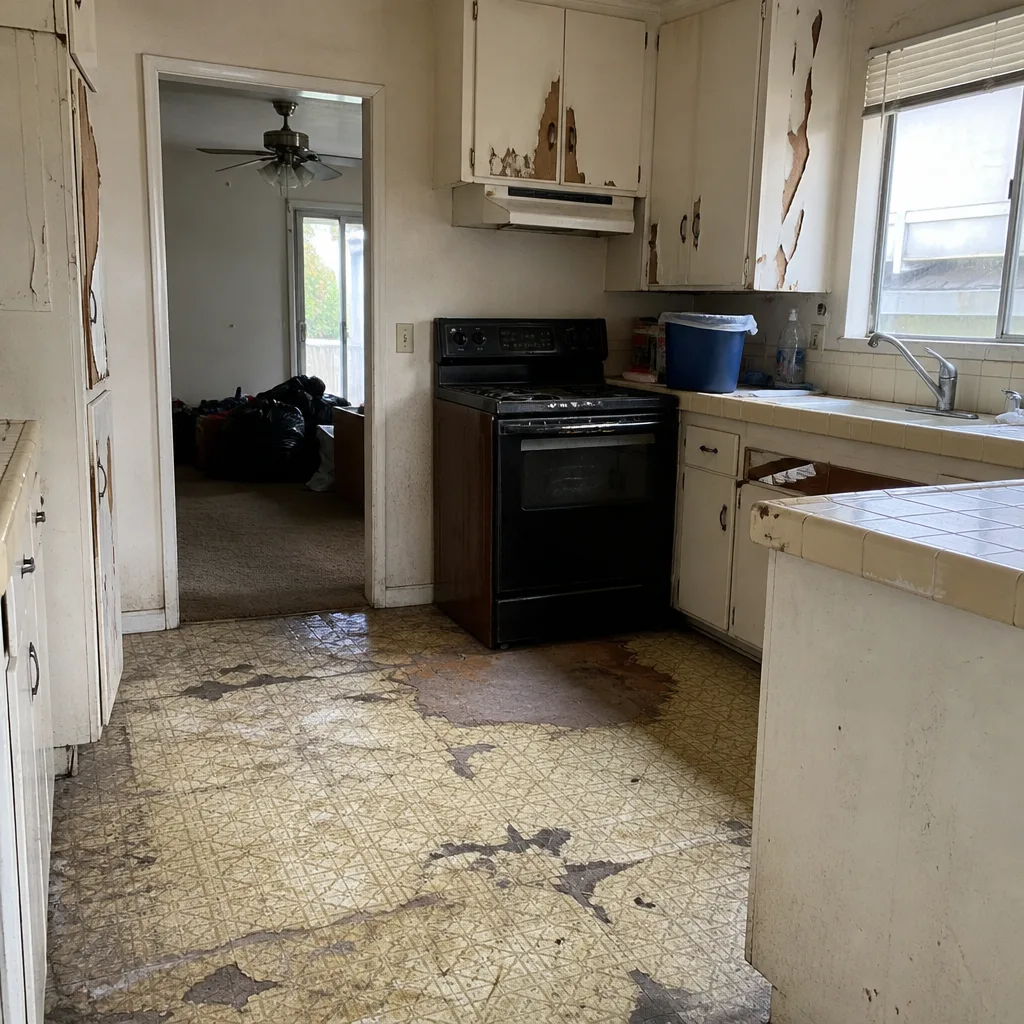 Before
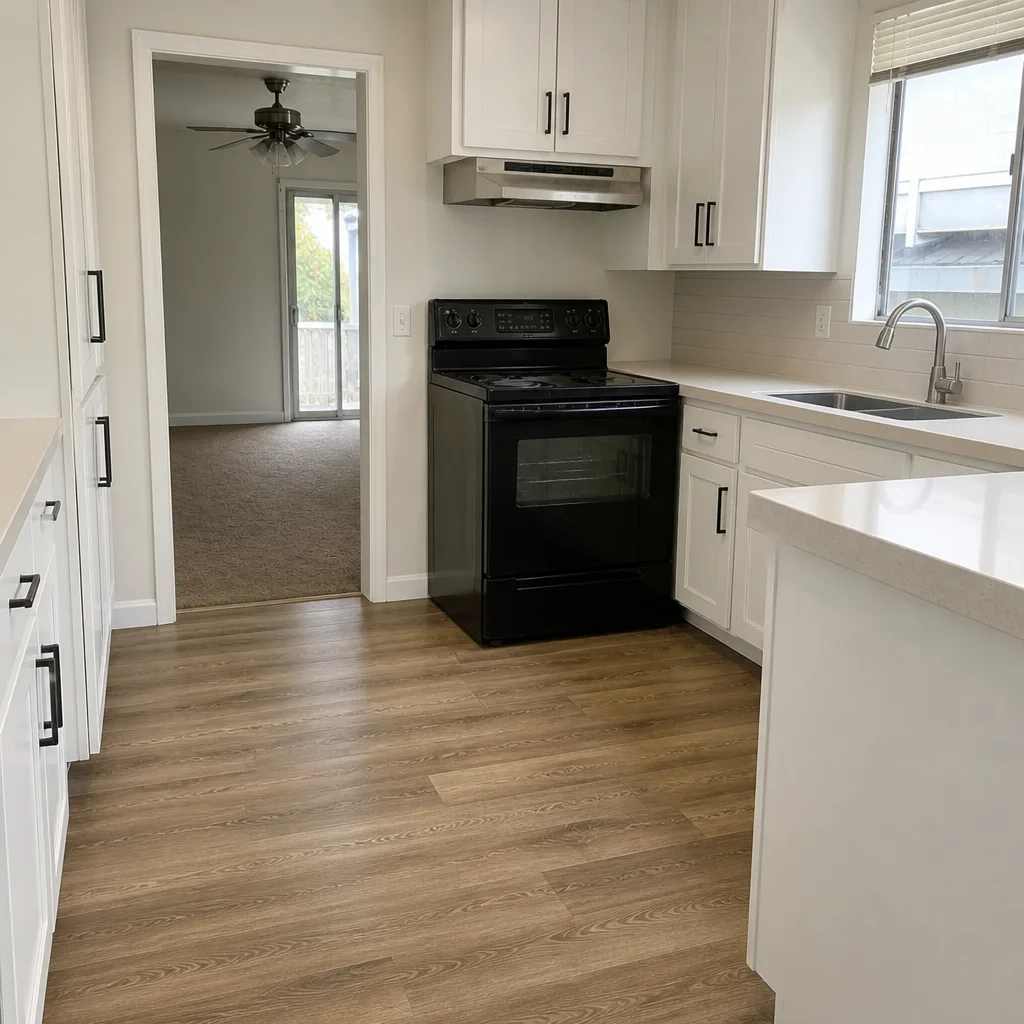 After
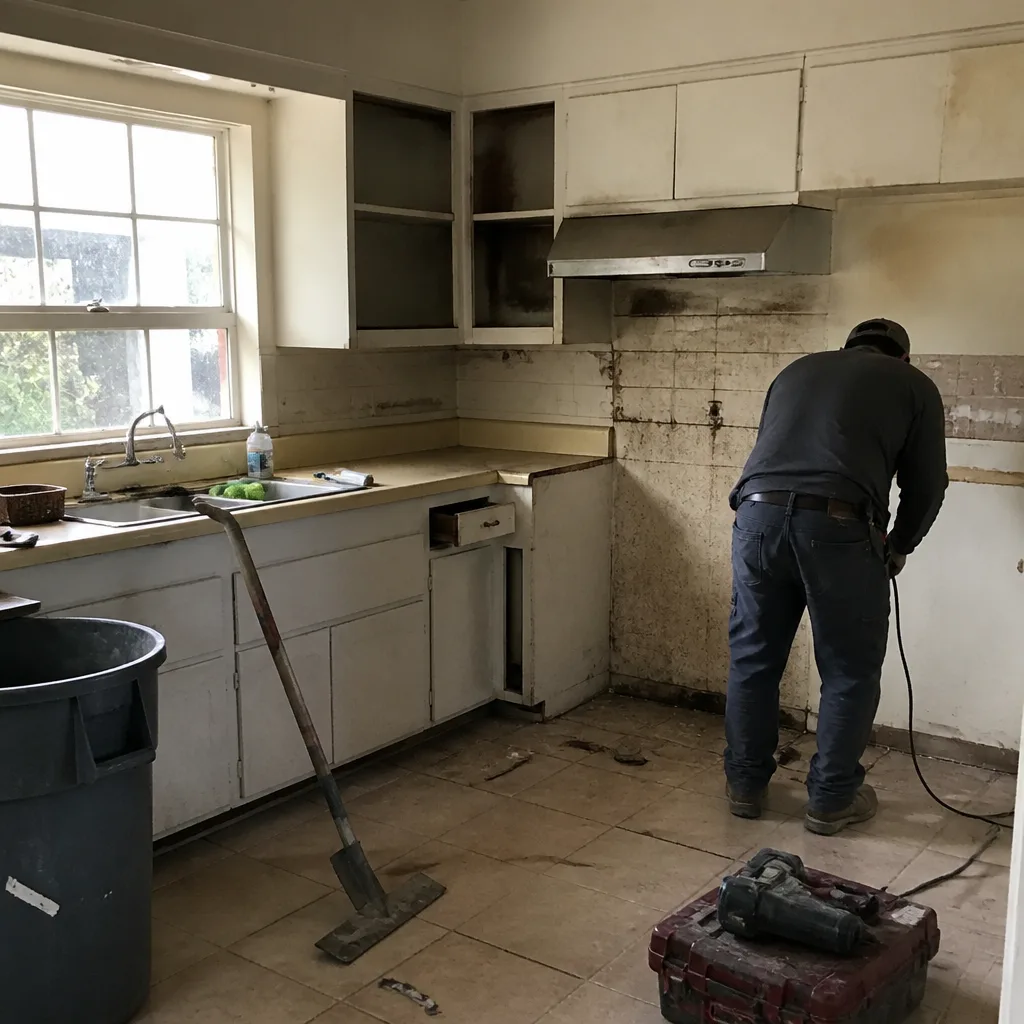 Before
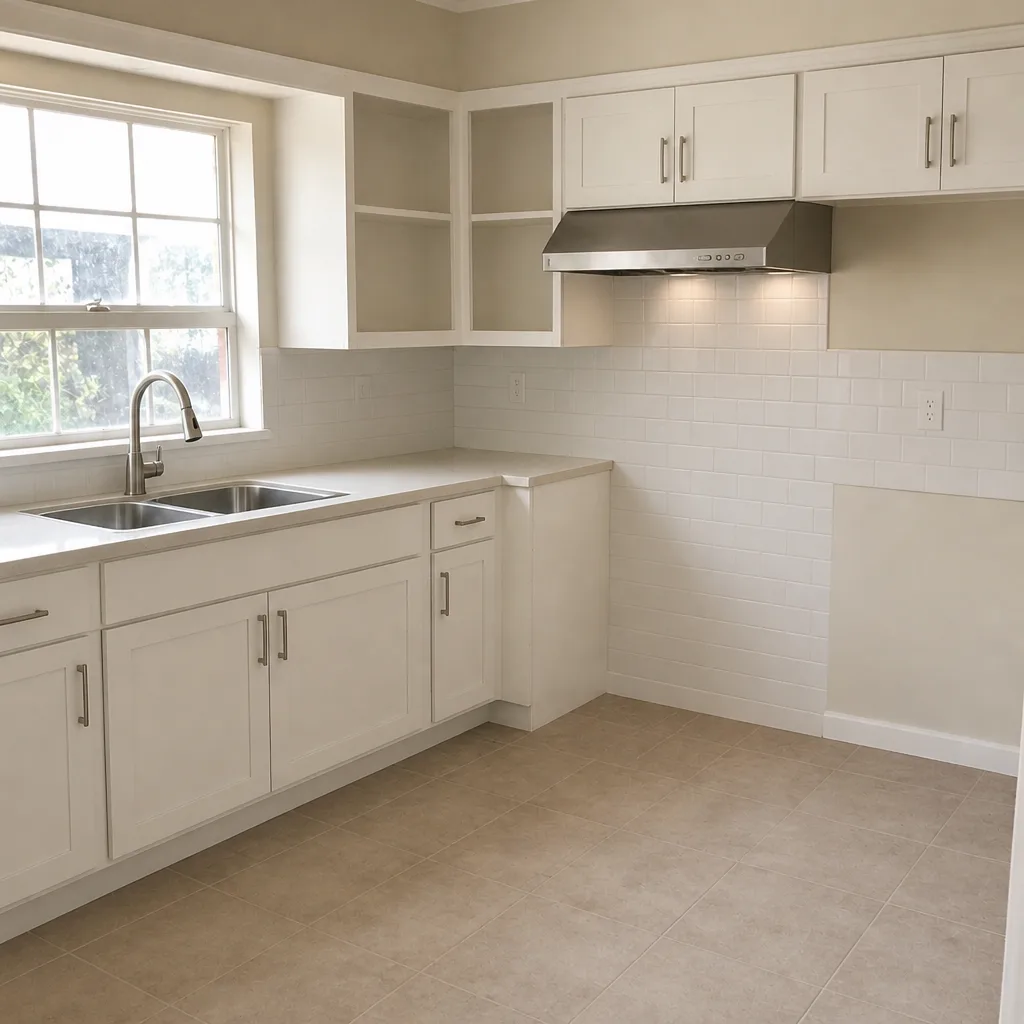 After
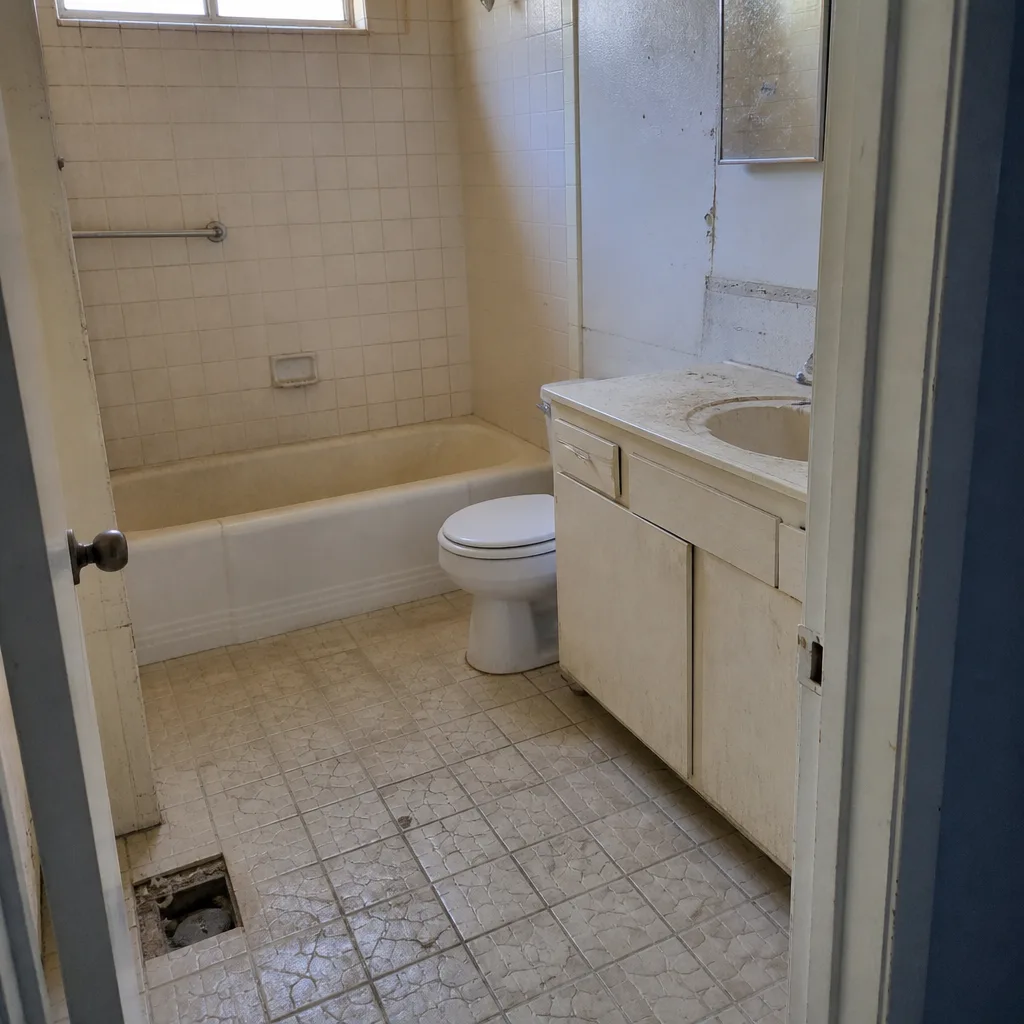 Before
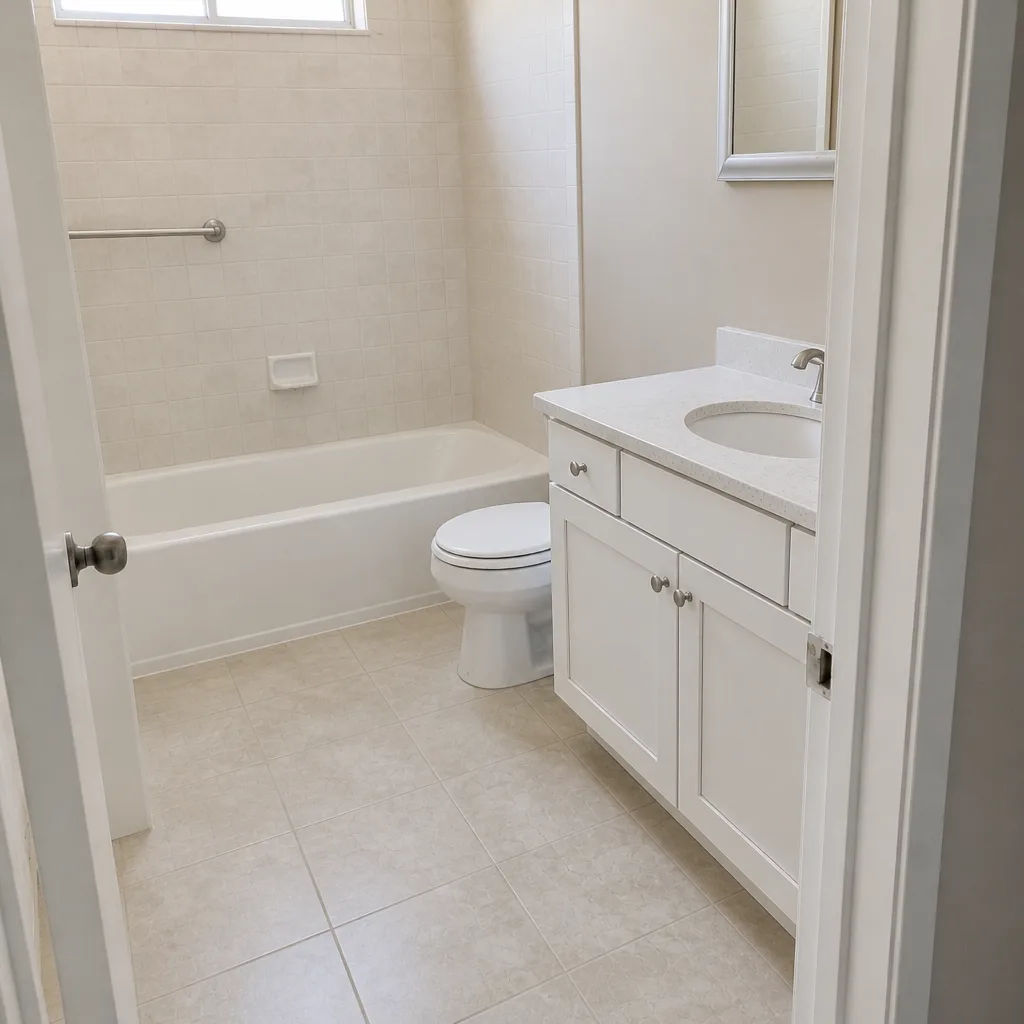 After
When to Call a Professional
Some jobs are worth taking on yourself. A general contractor is worth calling when the work requires a permit, touches structural framing, moves plumbing or gas, upgrades an electrical panel, or involves coordinating more than two trades on the same site. Any kitchen or bathroom where you’re relocating a fixture needs a licensed contractor to run the rough-in and pull the permit. Any addition or ADU needs one from the first plan sheet forward, because the permit review alone will sink a project that started as a weekend build. And any situation where you’re being asked to pay for work that hasn’t been completed, or sign a contract without a written price and completion date, is a signal to stop and call someone else.
Bradford Remodeling Co Costa Mesa offers free estimates in Costa Mesa. Call (855) 659-2556, or explore kitchen and bath scope planning on our Bathroom Remodeling in Costa Mesa page. Every estimate is a written price, every timeline has both dates on paper, and a live person answers the phone 24/7 to schedule the visit.
Frequently Asked Questions

A typical home remodel in California takes 2 – 4 weeks for a bathroom, 6 – 10 weeks for a kitchen, 3 – 6 months for an addition, and 6 – 12 months for an ADU. Those numbers count construction only. Add 3 – 6 weeks for city permit processing in Costa Mesa, and 6 – 12 weeks for plan review on additions and ADUs. Call (855) 659-2556 for a written timeline for your specific project; estimates are free.
Costa Mesa building permit processing averages 3 – 6 weeks for over-the-counter residential permits. Projects requiring plan review, structural engineering, or ADU-specific review run longer, typically 6 – 12 weeks. The permit clock starts on the day the application is filed, not the day the project was discussed. Ask your contractor for the filing date in writing. Call (855) 659-2556 for our current Costa Mesa processing window.
The start date (mobilization date) is when the crew begins work on-site. The substantial completion date is when the work is complete enough to be used for its intended purpose, with the punch list closeout following one to two weeks after. A contract needs both. A contract with only a start date doesn’t define when your job ends, which means nothing in it holds a contractor to a finish. We put both dates on the written price sheet.
No, not on the work that was priced. Every Bradford project is quoted at a fixed, written price before any work begins, and no numbers move at the door. Legitimate price changes come from one of two places: a documented hidden condition found after demolition, or a homeowner-requested scope change. Both are priced in writing and signed before the change is executed, so you see the new number before the work happens. Call (855) 659-2556 for a fixed written price.
Yes. Every Bradford project that requires a permit has that permit pulled by us and inspected by the city before the permit closes. Permits pulled by the homeowner shift inspection responsibility and liability onto the homeowner, and unpermitted work surfaces at resale. We don’t hand that risk to you.
Rough-in first, then framing, then insulation, then drywall, and finally the final sign-off. A failed inspection typically adds 3 – 10 business days to the schedule between correction and re-inspection, which is 1 – 2 weeks of lost time on a 10-week kitchen. Walking the rough-in against plans before the inspection call prevents most failures. Call (855) 659-2556 to schedule a free estimate that includes the inspection sequence for your project.
The Bottom Line
Project timelines in Costa Mesa are set by three clocks: the city permit queue (3 – 6 weeks for over-the-counter), the county inspection sequence (rough, framing, insulation, drywall, final), and subcontractor lead times on your selected materials. Only the third one is fully inside a contractor’s control, and only if selections are locked early. A real schedule names both the mobilization date and the substantial completion date, prices every draw against a completed phase, and handles every delay in writing with the cause attached. When someone gives you that on paper before a single tool comes out, they’ve done the job before. Bradford Remodeling Co Costa Mesa puts the written price first, the dates second, and the 365-Day Done Right Promise on every project. Call (855) 659-2556 to schedule your free estimate.
Written by the team at Bradford Remodeling Co Costa Mesa.