Last updated November 18, 2026
Free written scope consultation - allowances, timeline, and change-order rules on paper before a single trade is scheduled
The Complete Bathroom Remodeling Guide for Costa Mesa Homeowners
Most bathroom remodeling advice you’ll read online assumes a house built in 2015 with plastic plumbing and a clean electrical panel. That’s not Costa Mesa. A large share of the housing stock here went up between the 1950s and 1970s, which means when the demo starts, the odds are decent you’ll find galvanized drain lines that have been quietly narrowing since the Carter administration, ungrounded circuits feeding the vanity, or old vinyl floor mastic with asbestos in it. None of that shows up in a design mood board. All of it shows up in your budget. This guide covers the three things most remodeling content skips: what the Costa Mesa Building Division actually requires, how to scope for the surprises older homes hold, and how to read a California contractor license before you sign anything.
Quick Answer
A bathroom remodel in Costa Mesa requires a building permit any time you move plumbing, electrical, or structural elements, or change the room’s footprint; cosmetic-only work like paint, tile over existing substrate, and fixture swaps generally does not. Expect a fixed-price kitchen-and-bath contractor to give you a written, line-item scope before work begins, and budget extra for galvanized pipe or aluminum wiring remediation if your home was built before 1980. The permit and inspection process in Costa Mesa is straightforward when the scope is documented correctly from the start.
Styles & brands we work with
- Kitchen remodeling
- Bathroom remodeling
- Home additions & ADU
- Roofing
- Windows & doors
- Driveway & pavers
- Fence
Table of Contents
- What Costa Mesa Requires for a Bathroom Remodel Permit
- The Galvanized Pipe and Aluminum Wiring Reality in Pre-1980 Homes
- The Material Decision Chain: Why Sequencing Saves You Money
- How to Read a California Contractor License Before You Hire
- A Scope-of-Work Template for Comparing Bids on Equal Terms
- How Long Does a Costa Mesa Bathroom Remodel Take?
- What Does a Bathroom Remodel Cost in Costa Mesa?
- Common Mistakes to Avoid
What Costa Mesa Requires for a Bathroom Remodel Permit
The city of Costa Mesa issues building permits through its Building Division, and the rule of thumb is simple: if the work touches plumbing, electrical, mechanical, or structural systems, or changes the room’s footprint, you need a permit. That covers moving a toilet, relocating a shower drain, adding a circuit for a heated floor, or converting a tub to a walk-in shower with new rough-in. It does not cover repainting, re-grouting, or swapping a vanity top.
A permitted bathroom remodel typically involves three inspections:
- Rough-in inspection. This happens after framing, plumbing, and electrical are in place but before drywall or cement board goes up. The inspector checks drain slope, vent connections, GFCI protection near wet locations, and that framing meets code. Nothing gets covered until this passes.
- Waterproofing inspection (when required or requested). For a tiled shower, the inspector may want to see the waterproofing membrane and a flood test before tile goes down.
- Final inspection. Everything finished and functional. Fixtures installed, GFCI tested, ventilation working.
What homeowners in Costa Mesa often don’t realize: a contractor who skips the permit because “it’s just a bathroom” is pushing the risk onto you. Unpermitted work can surface during a future sale, and the correction cost lands on the owner. Pulling the permit and passing the inspections is part of a proper job, not an upsell. If you’re working with a General Contractor in Costa Mesa, ask for the permit number before demo day and confirm it’s visible in the city’s online portal.
The Galvanized Pipe and Aluminum Wiring Reality in Pre-1980 Homes
We’ve seen this play out hundreds of times in Costa Mesa neighborhoods like Mesa del Mar and the older streets off Baker and Victoria. The walls come open and there it is: a galvanized steel drain line with 60 years of mineral buildup narrowing the inside diameter to something closer to a drinking straw, or a branch circuit wired in aluminum that was standard in the 1960s and has since become a known fire risk at the connection points.
Here’s why this matters for how you bid the job:
- Galvanized drains corrode from the inside out. A slow-draining tub or recurring clog is a symptom. If the drain segment feeding your bathroom is galvanized, replacing it during the remodel is far cheaper than opening the wall again in two years. Partial replacement to the stack is common; a full re-pipe adds significant cost but solves it for good.
- Aluminum branch wiring needs a licensed electrician’s evaluation. Pig-tailing with approved connectors or a full rewire are the two accepted paths. This is not a job for a handyman. A GFCI outlet in a bathroom doesn’t fix an underlying aluminum branch circuit issue.
- Asbestos in floor mastic and old vinyl tile is common in pre-1980 homes. Testing before demo, not after, keeps the project legal and keeps remediation from becoming an emergency line item.
The fixed-price lesson: any bid that doesn’t explicitly state how it handles galvanized pipe and aluminum wiring is a bid that will change once the wall opens. A written scope that names remediation allowances up front is the only way to compare bids fairly. If the pipe or wiring isn’t found, good contractors credit or exclude it in writing. If it is, you’ve already priced the fix.
The Material Decision Chain: Why Sequencing Saves You Money
Most of the budget pain in a bathroom remodel comes from decisions made in the wrong order. Not bad materials, just bad sequencing. Here’s the order that actually works, and it’s the one we hold every job to.
- Waterproofing membrane before tile. The membrane (a rolled sheet or a liquid-applied coating) goes on the substrate before any tile touches it. Choosing tile first and membrane last is how shower failures happen. Tile is the visible layer; the membrane is what keeps the water out.
- Fixture rough-in before drywall. Shower valve, drain, and supply lines are set in the wall while the framing is open. If you pick the shower trim before the rough-in is confirmed, you can end up with a valve that doesn’t match the wall depth.
- Niche framing before cement board. A shower niche is framed into the wall cavity before cement board goes up. Adding a niche after the board is on means cutting it in, which compromises the waterproofing.
- Vanity and cabinet specs before electrical and plumbing rough-in. Where the outlets and drain land depends on where the vanity sits and its exact dimensions. Buying the vanity late means moving outlets or shimming around the mismatch.
Brand decisions land inside this chain too. A Bathroom Remodeling in Costa Mesa project that documents the shower door and exterior door brands up front (Therma-Tru for exterior, glass specialists for the shower enclosure) avoids the late change order that comes from discovering the trim doesn’t match. Every material in the chain should be specified before demo, with a manufacturer spec and warranty on file. That traceability is what makes a written guarantee worth something.
How to Read a California Contractor License Before You Hire
California has one of the most accessible contractor verification systems in the country, and almost no homeowner uses it. The Contractors State License Board (CSLB) lets you look up any license number, check its status, and see what classifications it holds. It takes about ninety seconds and it’s the single most important pre-hire step you can take.
Here’s how to read it:
- Go to the CSLB website and enter the license number in the “Check a License” search. You’ll see status (Active, Expired, Suspended, Revoked), the classifications the license holds, and the bond and workers’ comp status on file.
- Class B (General Building Contractor). This classification allows the holder to build or remodel any structure and to subcontract specialty work. A Class B license is what a bathroom remodel general contractor should hold when the project involves multiple trades.
- Class C-20 (HVAC). This license covers heating, ventilation, and air conditioning, including ductwork. Relevant to bathroom ventilation but not the primary license on your job.
- Class C-36 (Plumbing). Covers plumbing installation and repair. A C-36 contractor should be the one pulling the plumbing permit and performing the rough-in.
The subtlety most homeowners miss: a Class B contractor can legally subcontract the plumbing and electrical to licensed specialty trades. If the general contractor shows a Class B and intends to self-perform plumbing without a C-36, that’s worth questioning. On our jobs, the license holder on the permit is the one doing the work in that classification, and the permit is on the wall in the file. If you’re also planning a kitchen, the same rule applies to Kitchen Remodeling in Costa Mesa projects, which touch gas and electrical just as heavily.
A Scope-of-Work Template for Comparing Bids on Equal Terms
Bid comparisons go sideways when each contractor scopes the job differently. Two prices for “a bathroom remodel” can mean entirely different things. Here’s a template you can hand to any bidder so all quotes are apples to apples.
- Demo and disposal scope. Exactly what comes out, whether there’s a dumpster, and the disposal cost.
- Subfloor and substrate. What material, what thickness, and whether any subfloor repair is included or allowance-only.
- Plumbing rough-in. New drain, supply lines, valve, and vent. State whether the bidder will inspect for galvanized pipe and quote remediation separately with a named allowance.
- Electrical rough-in. Number of circuits, GFCI outlets, exhaust fan with timer, and whether aluminum wiring evaluation and remediation is included or excluded with an allowance.
- Waterproofing system. Brand and system type (rolled membrane, liquid-applied, foam board). Should be specified by name, not “waterproofing provided.”
- Tile scope. Wall and floor tile included, setting materials, and whether a niche is in scope.
- Fixtures and vanity. Specify brands and model numbers. Mr-Glass for shower enclosures, Kohler or Moen for fixtures, KraftMaid or Wellborn for cabinetry, chosen before work begins.
- Permit and inspection. Who pulls the permit, and who’s accountable for the final inspection passing.
- Schedule and change-order rules. Start date, completion window, and a written process for any change order. No verbal changes.
- Warranty terms. What’s covered after close, for how long, and what the correction process is if something fails.
Take that template and hand it to three bidders. The bids you get back will be readable side by side, and the low bid will show you exactly where the difference lives. Our Bradford Remodeling Co Costa Mesa home page explains how we structure the written price. Every completed job carries the 365-Day Done Right Promise: a full-year written guarantee, and if the work fails inside that window, we come back and correct it at no charge.
How Long Does a Costa Mesa Bathroom Remodel Take?
A full bathroom remodel in Costa Mesa typically runs four to seven weeks from demo to final inspection, with the variation coming from permit turnaround, material lead times, and anything the walls reveal. A cosmetic refresh might take a week. A layout change with new plumbing runs longer.
The realistic phase breakdown:
- Permit and design (1-3 weeks). Permit issuance timing depends on the city and the completeness of the submittal. Getting materials specified in writing first shortens this phase.
- Demo and substrate (2-4 days). This is where surprises surface. Old homes can pause here if galvanized pipe or wiring needs remediation.
- Rough-in and inspection (1 week plus inspection scheduling). Plumbing, electrical, and framing rough-in, then the inspection sign-off before anything gets closed up.
- Waterproofing, tile, and drywall finish (1-2 weeks). Tile setting and tile curing take time. Rushing this phase is how grout cracks later.
- Fixtures, trim, and paint (3-5 days). Vanity install, fixtures, shower enclosure, paint, and cleanup to close.
- Final inspection and walk-through (a few days). The inspector signs off, and you do the close-out walk with the contractor.
Any contractor who quotes a fixed start-to-finish date without noting material lead times or permit turnaround is guessing. Lead times on KraftMaid cabinetry and custom glass enclosures can each move by weeks depending on the model. A written schedule with the critical path shown beats a confident estimate.
What Does a Bathroom Remodel Cost in Costa Mesa?
A full bathroom remodel in Costa Mesa generally lands in the low five figures when the scope includes new plumbing and electrical rough-in, waterproofing, tile, fixtures, and cabinetry. A half-bath or powder room runs less. A primary bath with a layout change runs more. These are ranges to help you set expectations, not a quote for your job.
Line-item ranges to plan against:
| Scope item | Typical range |
|---|---|
| Cosmetic refresh (paint, tile over existing substrate, fixture swap) | A few thousand dollars |
| Full hall or guest bath remodel | Low-to-mid five figures |
| Primary bath with layout change | Mid-to-high five figures |
| Galvanized drain remediation (partial) | Added line item, variable by segment |
| Aluminum wiring evaluation and remediation | Added line item, by circuit count |
| Permit and inspection fees | Passed through, city-set |
The single most important cost protection you have is a written, line-item price before work begins. Every project we take on includes that as a non-negotiable: a fixed written price with no numbers that move at the door. Ask any bidder to do the same. If they won’t put it in writing, that’s your answer.
Common Mistakes to Avoid
- Hiring without checking CSLB. Ninety seconds on the state website tells you whether the license is active and what it covers. Skipping it is choosing to trust a business card over a state record.
- Accepting a verbal price. A price that changes at the door is the most common complaint we hear from Costa Mesa homeowners. Get the number in a signed scope before demo.
- Picking tile before waterproofing. The membrane is the system; tile is the finish. Choosing tile first invites a design that can’t be waterproofed properly.
- Buying the vanity before rough-in. The plumbing and electrical locations depend on the vanity dimensions. Buy the vanity first and pay to move the outlets later.
- Skipping the pre-1980 inspection scope. If the house is older than 1980, inspect for galvanized pipe, aluminum wiring, and asbestos-containing floor mastic before bidding. This is a line item, not a guess.
- Assuming “no permit needed” is a favor. An unpermitted bathroom remodel can surface at sale and cost more than the permit. The permit protects the owner.
- Letting the crew leave a mess. A proper close is a clean site, a documented scope, and a signed written guarantee in your hand. If the crew leaves debris and no paperwork, the job isn’t squared away.
See the difference
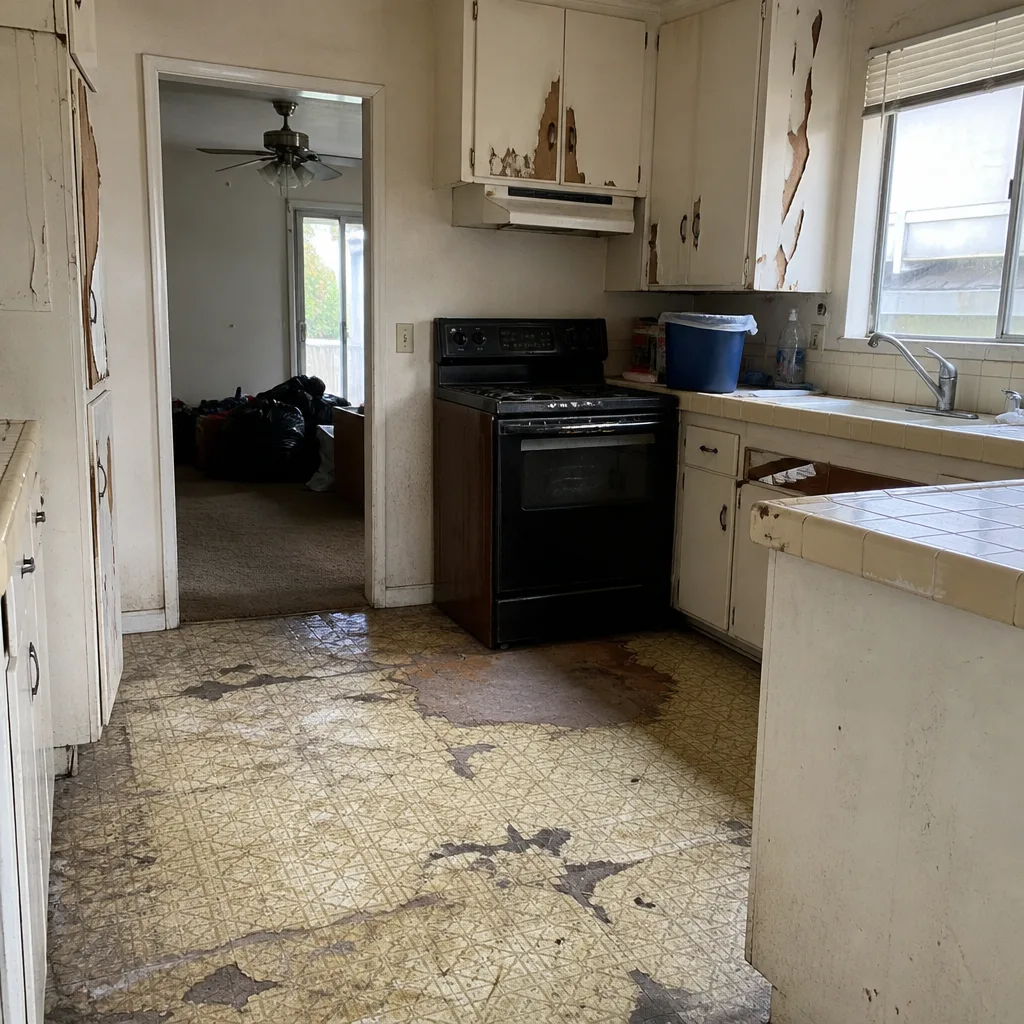 Before
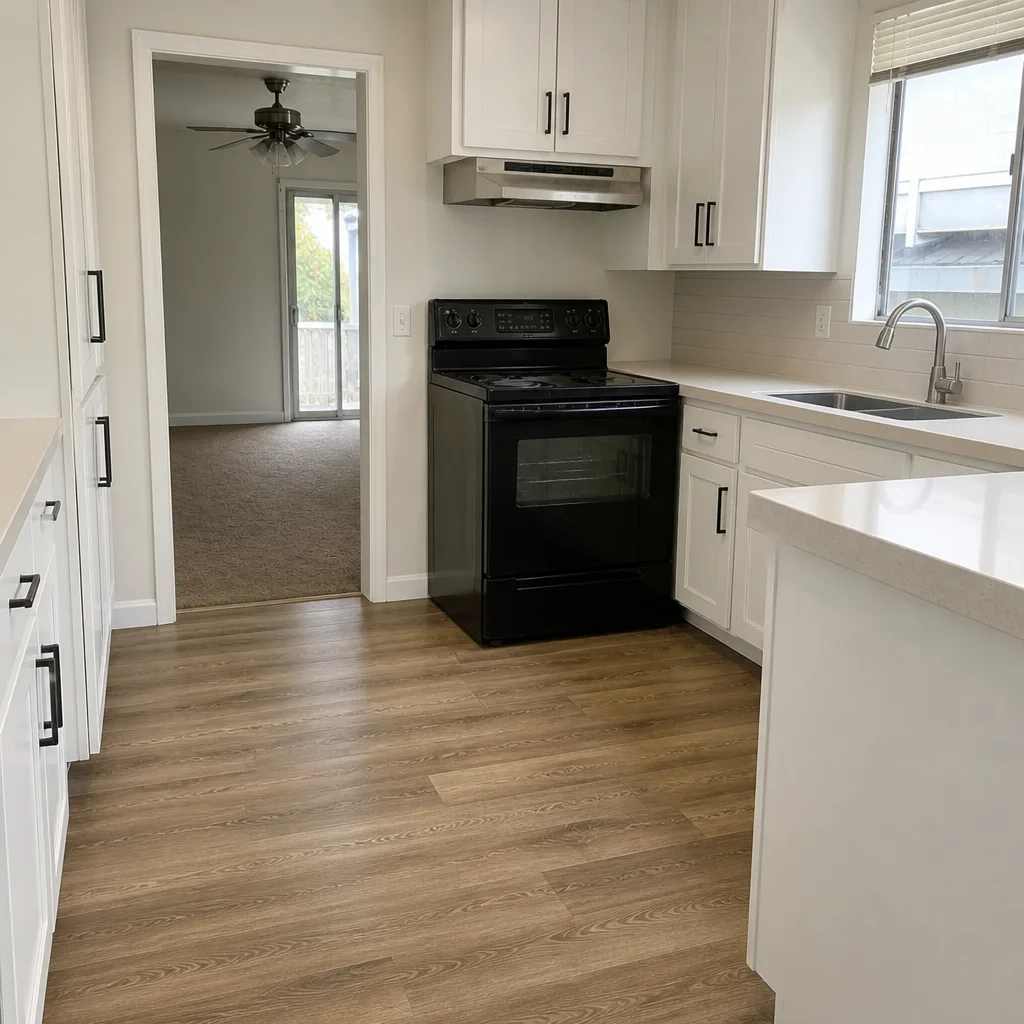 After
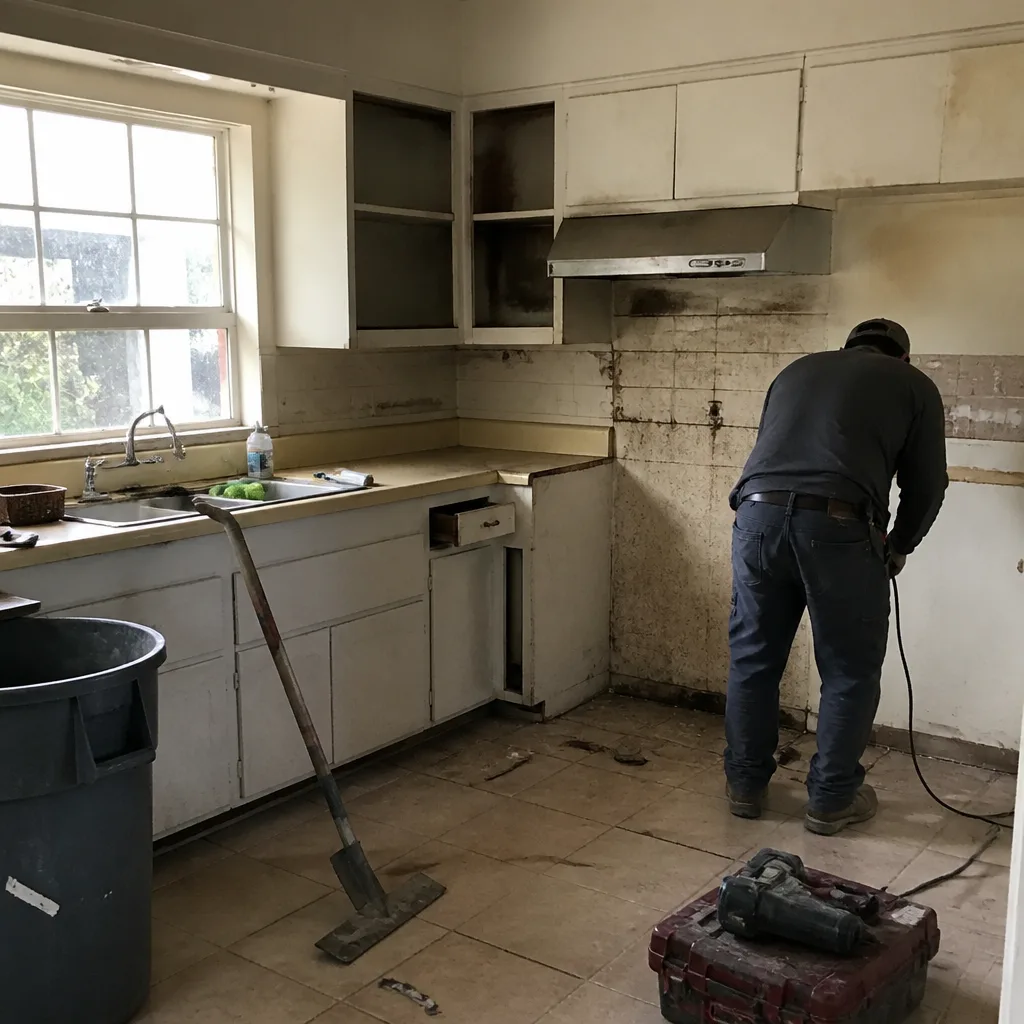 Before
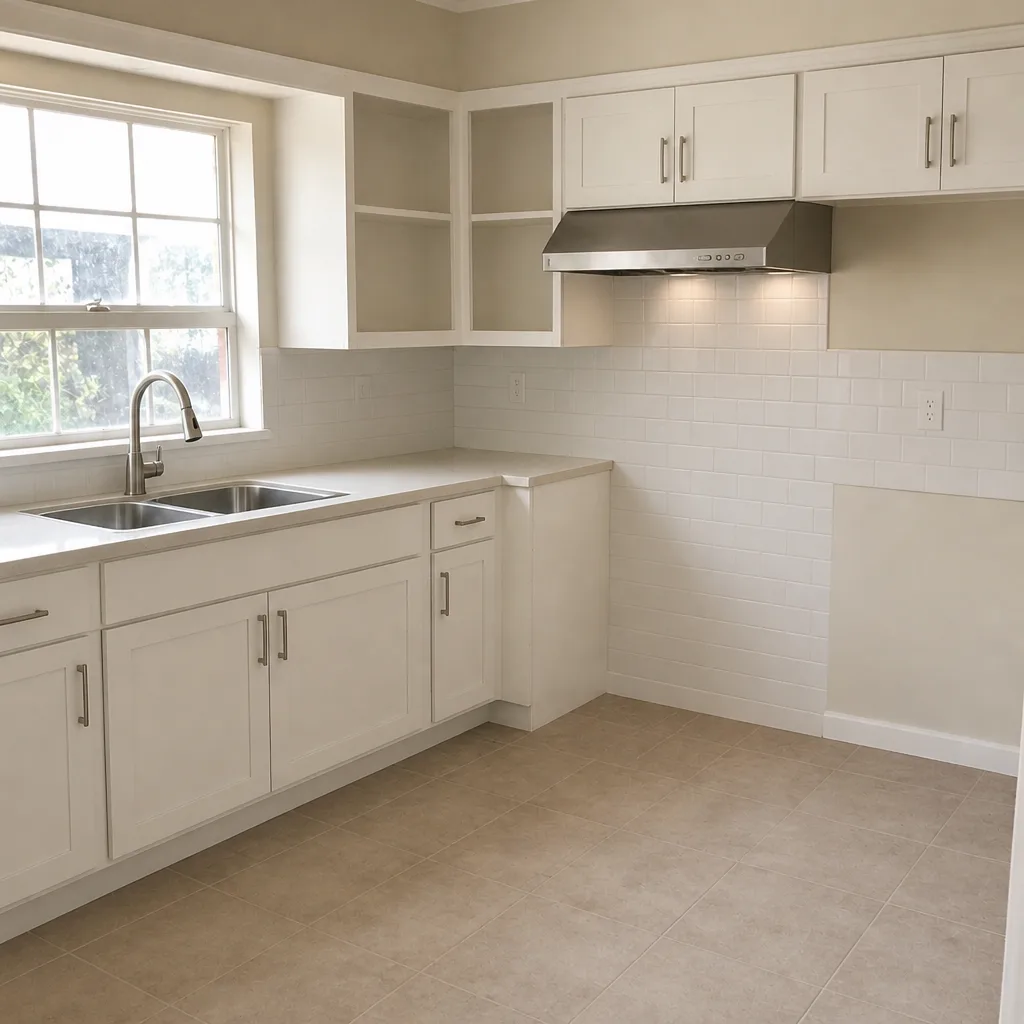 After
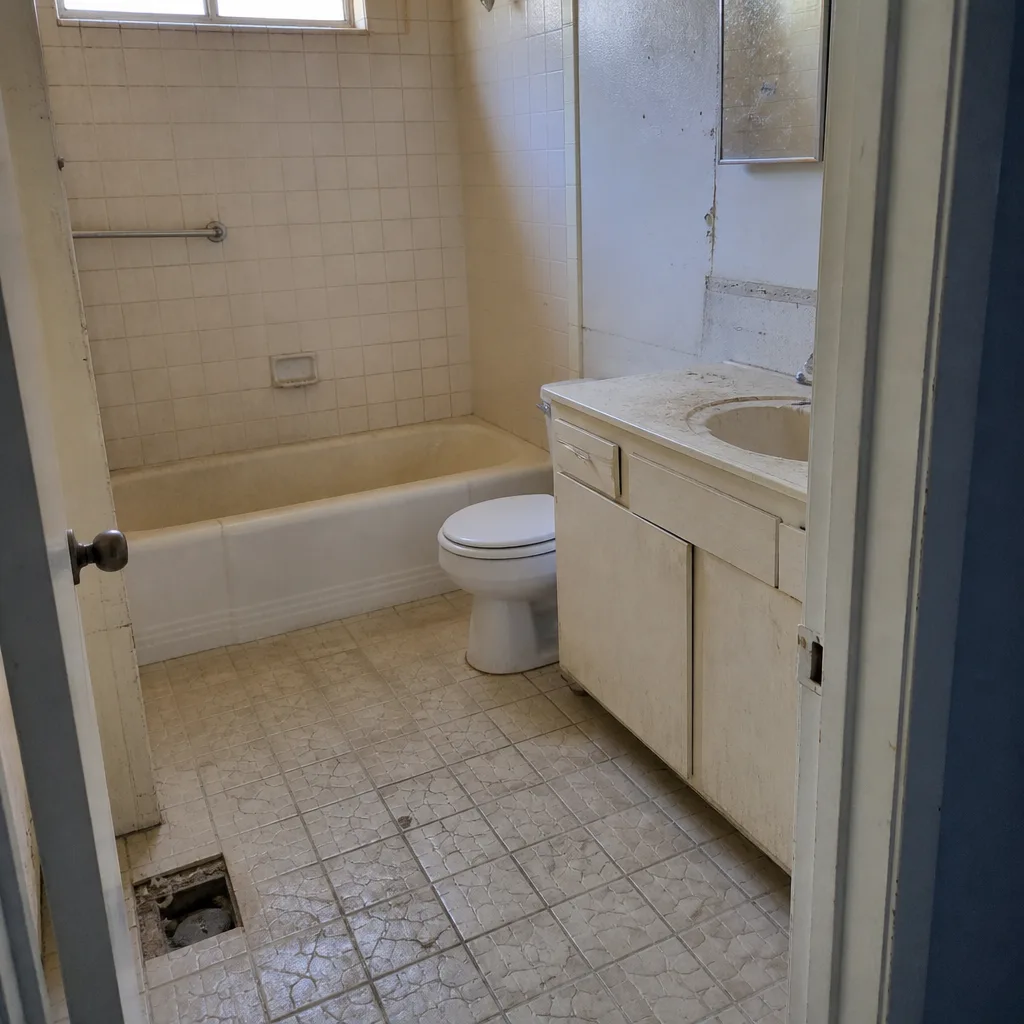 Before
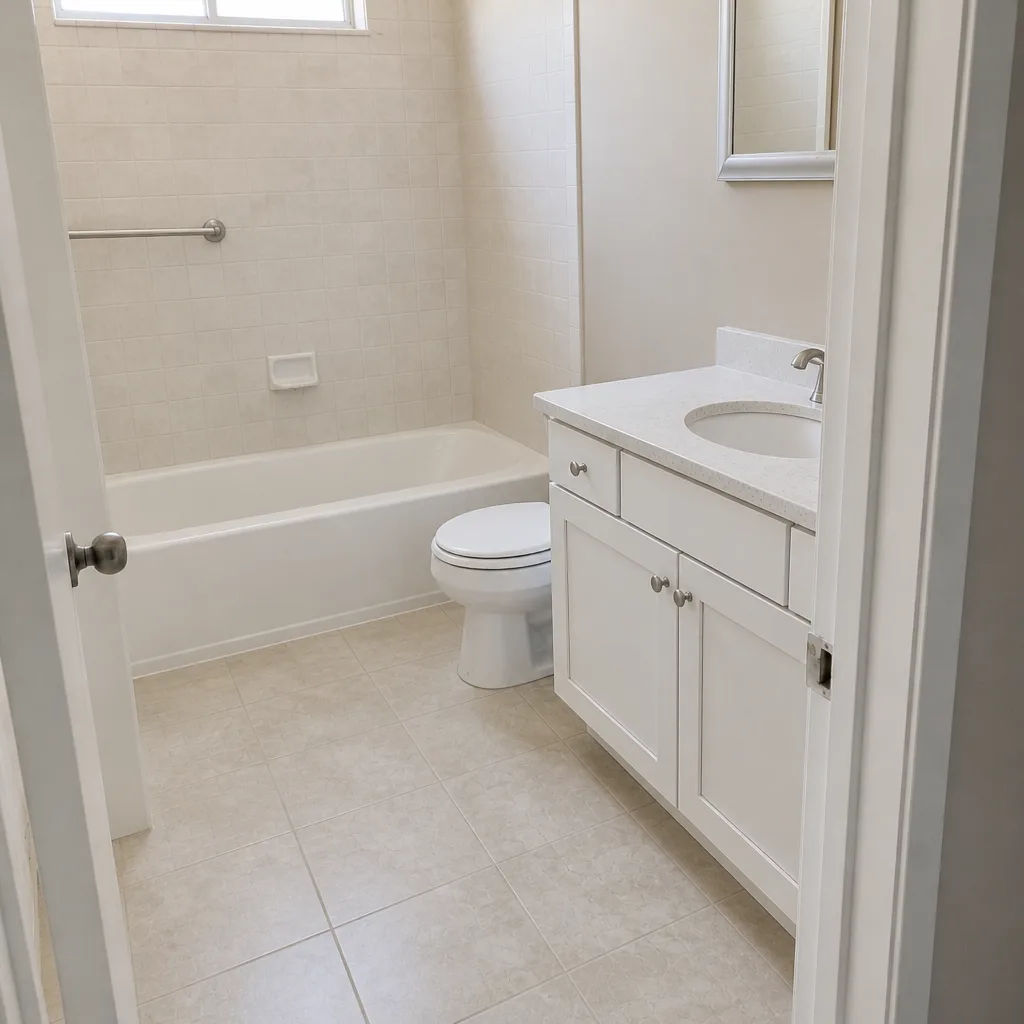 After
When to Call a Professional
Call a professional when the work touches plumbing, electrical, structural, or waterproofing systems, which is most of what a bathroom remodel involves once you go past paint and fixture swaps. Call immediately if you’re seeing a slow-draining tub that won’t clear, a GFCI that keeps tripping, or water stains appearing on the ceiling below the bath, all of which point to underlying plumbing or waterproofing failures that a cosmetic fix won’t solve. For older Costa Mesa homes, call before you demo. The pre-bid inspection is where you find the galvanized pipe and aluminum wiring that will otherwise upend the budget. Bradford Remodeling Co Costa Mesa offers free estimates in Costa Mesa, and every written price is documented before work starts. Call (855) 659-2556 to schedule your free estimate. A live person answers the phone 24 hours a day, seven days a week.
Frequently Asked Questions
You need a permit whenever the work touches plumbing, electrical, mechanical, or structural systems, or changes the room’s footprint. Cosmetic work like paint, regrouting, or swapping fixtures generally doesn’t require one. Call (855) 659-2556 for an exact read on your job’s scope.
Galvanized drain lines with heavy internal corrosion are the most common surprise, followed by aluminum branch wiring and asbestos-containing floor mastic. Homes built before 1980 carry the highest chance of all three. A written scope that names how each is handled keeps the budget from moving once the walls open.
A full hall or guest bath lands in the low-to-mid five figures; a primary bath with a layout change runs higher. Cosmetic refreshes are less. The only way to know your number is a written, line-item price after a walk-through. Call (855) 659-2556 to schedule your free estimate, and we’ll put the price in writing before any work begins.
Not on our jobs. The written price before work begins is our standard, and it doesn’t move at the door. If the pre-bid inspection flags galvanized pipe or aluminum wiring, that remediation is quoted as a line item before demo, not discovered mid-project. Call (855) 659-2556 for an exact written quote, and the number is the number.
Yes. When the job requires a permit, the contractor holding the appropriate CSLB classification pulls it, and it’s on file before demo. The final inspection passing is part of the close. Ask any bidder for the permit number in writing before work starts.
Four to seven weeks for a full remodel, with plumbing and electrical rough-in, waterproofing, tile, fixtures, and final inspection on the critical path. Cosmetic refreshes run about a week. Material lead times on cabinetry and custom shower glass can move the schedule, so ask for the critical path in writing.
The Bottom Line
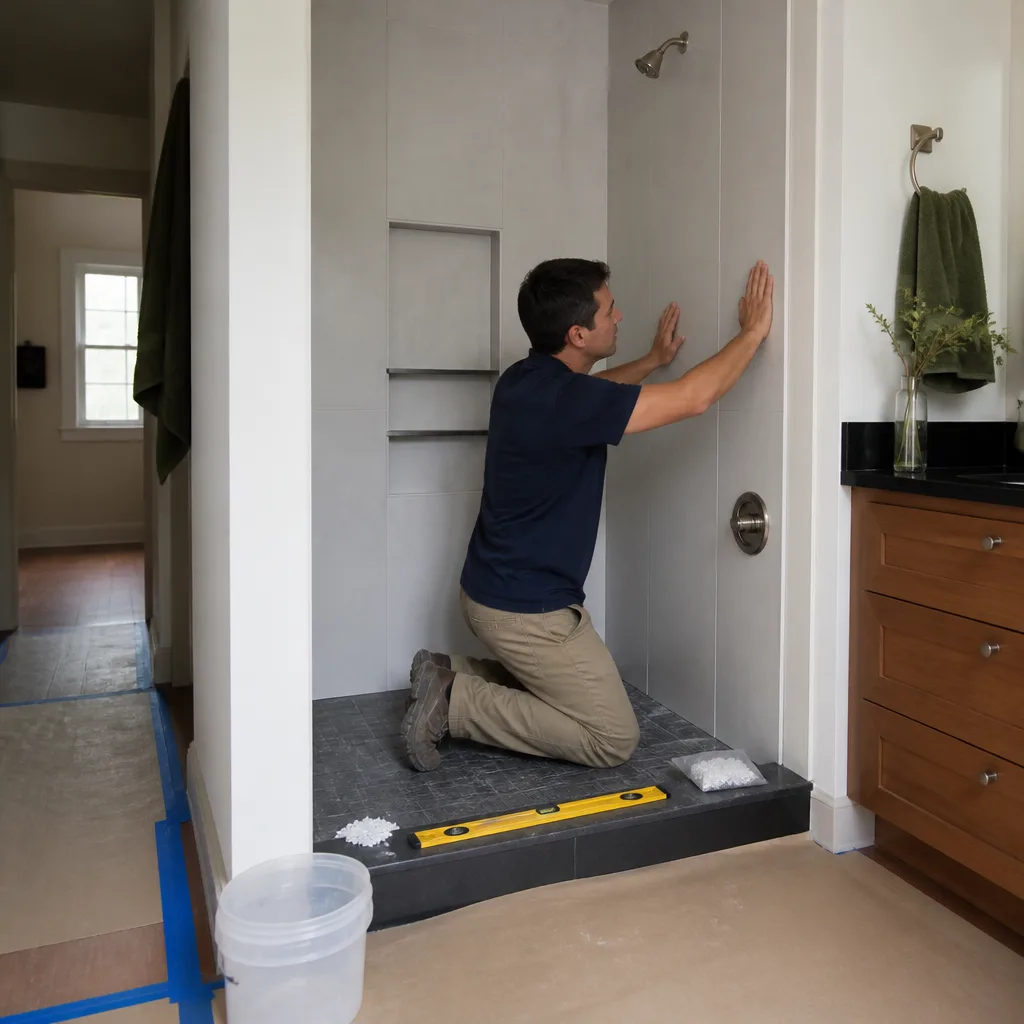
A Costa Mesa bathroom remodel that goes well has three things going for it: a permit pulled for the work that requires one, a written scope that anticipates what pre-1980 homes hide behind the drywall, and a license you verified on the CSLB site before signing. The design decisions matter, but they don’t cause the budgets that blow up. The unknowns under the tile do. If you walk into the job with a line-item written price, documented brand and material specifications, a schedule with the critical path shown, and a full-year written guarantee on the finished work, you’ve protected the parts of the project that matter most. That’s what squared away looks like. If you want to see it in practice, our team at Bradford Remodeling Co Costa Mesa can walk your bathroom with you and put the price in writing. Call (855) 659-2556 to schedule your free estimate today.
Written by the team at Bradford Remodeling Co Costa Mesa.