Last updated November 18, 2026



Free written scope consultation - allowances, timeline, and change-order rules on paper before a single trade is scheduled
The Complete General Contractor Guide for Costa Mesa Homeowners
Costa Mesa issued 847 residential building permits in a single recent year, and the city’s building department reports that a significant share of inspections fail on the first attempt. The cause is almost never bad carpentry. It’s a contractor who pulled the wrong permit class for the scope of work, or didn’t pull one at all. That single detail separates a remodel that closes clean from one that stalls for months and costs you money you never budgeted. This guide covers what your contract actually commits you to, how to verify a license and bond before you sign, how Costa Mesa’s permit jurisdiction works, and the notice that lands in your mailbox that most homeowners misunderstand.
Quick Answer
Hiring a general contractor in Costa Mesa means verifying three things before you sign anything: the contractor’s active CSLB license with the right classification, a current bond on file, and a workers’ compensation certificate that covers everyone who sets foot on your property. Then confirm who pulls the permit for your specific scope, and get the entire price in writing before a tool comes out. A legitimate Costa Mesa contractor will hand you all of it without being asked twice.
Styles & brands we work with
- Kitchen remodeling
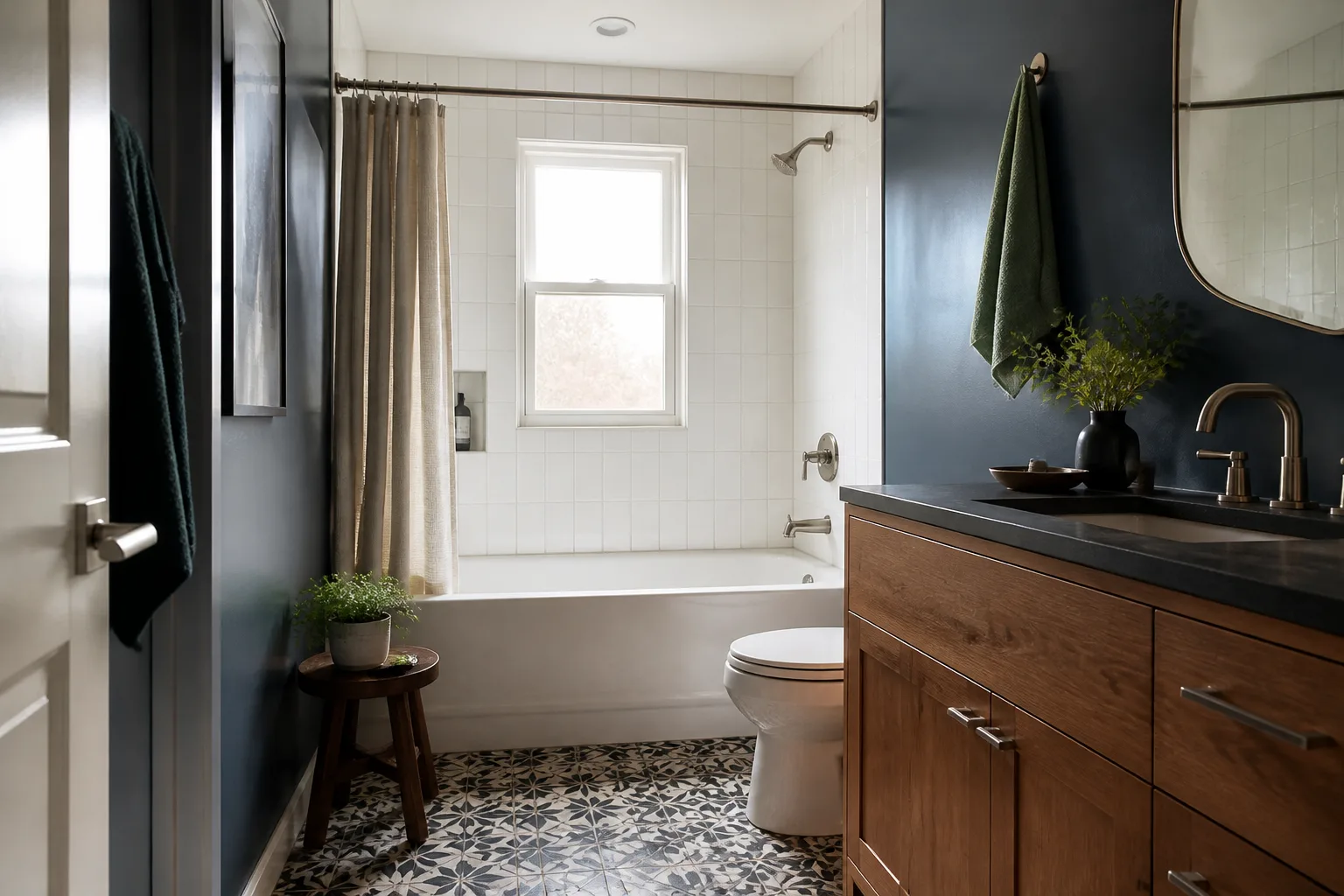
- Bathroom remodeling
- Home additions & ADU
- Roofing
- Windows & doors
- Driveway & pavers
- Fence
Table of Contents
- How Do You Verify a General Contractor’s License in Costa Mesa?
- Who Pulls the Permit in Costa Mesa: the City or Orange County?
- Lump-Sum vs. Cost-Plus Contracts: What Your Exposure Actually Is
- Subcontractor Management and Who Carries Liability
- How to Read a 20-Day Preliminary Notice
- What Does a General Contractor Cost in Costa Mesa?
- How Long Does a Costa Mesa Remodel Take?
- Costa Mesa Climate and What It Does to Your Remodel
How Do You Verify a General Contractor’s License in Costa Mesa?
You verify a general contractor by checking the California Contractors State License Board database for an active license, the correct classification, a current bond, and a workers’ compensation policy. Do it yourself, on the CSLB site, before you sign a single document. A license number on a business card means nothing until you’ve matched it to a live record.
Here’s what each piece actually protects:
- The license classification. A general building contractor holds a B classification. Specialty trades hold C classifications. A B license lets your contractor take a whole project and manage the trades under it. If someone shows you a C-39 roofing license and wants to run your whole kitchen remodel, the classification doesn’t match the job.
- The bond. California requires licensed contractors to carry a contractor’s bond. It’s not a warranty on your project. It’s a fund you can file a claim against if the contractor breaks the contract or fails to pay for permits and materials. It’s small relative to a full remodel, so treat it as a backstop, not a safety net.
- Workers’ compensation. This is the one homeowners skip and shouldn’t. If an uninsured worker gets hurt on your property, the liability can follow the property. Ask for the certificate and confirm the policy is current, not just that one exists.
In our experience across Costa Mesa, the contractors who resist this check are the same ones who resist written pricing. The paperwork discipline is the same discipline. A contractor who runs a squared-away job will hand you the license number, the bond, and the comp certificate in one packet.
Step-by-step verification
- Write down the license number from the contractor’s contract, not a flyer.
- Look it up on the CSLB website. Confirm status is Active and the classification matches your scope.
- Check the bond and workers’ compensation fields on the same record.
- Ask for the workers’ comp certificate directly and confirm the expiration date is in the future.
- Confirm the business name and address on the license match the entity on your contract.
Who Pulls the Permit in Costa Mesa: the City or Orange County?
Most residential work in Costa Mesa is permitted through the City of Costa Mesa’s building division. Orange County gets involved in specific situations tied to unincorporated areas and certain infrastructure or environmental review, not for the typical kitchen or bathroom remodel inside city limits. Get this wrong and your inspection timeline slips before the first nail goes in.
The reason it matters: a permit isn’t a formality. It’s the trigger that brings an inspector onto your job at specific milestones. In Costa Mesa, that inspection schedule is set by the city, and the city’s timeline is not the same as neighboring jurisdictions. A contractor who routinely works in, say, Huntington Beach may not know the Costa Mesa inspection sequencing.
Scopes that typically require a permit in Costa Mesa:
- Structural changes, including wall removal or beam installation.
- Electrical and plumbing rough-in, even when the finish work is minor.
- Adding or relocating a bathroom or kitchen.
- Window and door replacements that change the rough opening.
- Any work on the building envelope, including stucco and roofing.
A general contractor in Costa Mesa who knows the process will tell you which permit class applies before the contract is signed. See our General Contractor in Costa Mesa page for how we handle permit coordination. The short version: the permit is in the contractor’s name, and the inspections are the contractor’s problem, not yours.
Lump-Sum vs. Cost-Plus Contracts: What Your Exposure Actually Is
A lump-sum contract fixes your total price for a defined scope. A cost-plus contract pays the contractor their actual costs plus a markup percentage, which means your final number moves when materials move. In a market where lumber and cabinetry pricing swings, the difference is real money.
With a lump-sum contract, the contractor absorbs material price risk. If the cabinets cost more than they budgeted, that’s on them, assuming the scope and specifications are written tightly. With cost-plus, that risk passes to you. The contractor has no incentive to find the better price, because a higher cost means a higher markup.
That doesn’t make cost-plus wrong. It’s appropriate when the scope genuinely can’t be defined yet, like a remodel where you don’t know what’s behind the drywall until it’s open. But it requires guardrails:
- A written cap: a maximum total cost the project cannot exceed without a signed change order.
- A defined markup percentage, stated in writing.
- An open-book clause: you get copies of material invoices on request.
- A definition of what counts as a “cost” and what the markup applies to.
For most Costa Mesa homeowners doing a defined remodel, a lump-sum contract with a clearly written scope is the better protection. The reason is simple: the written price is the whole point. This is the anchor of The Garrison Standard we operate under, and it’s stated plainly on our Bradford Remodeling Co Costa Mesa home page. Call (855) 659-2556 to see what that looks like in a written quote.
Subcontractor Management and Who Carries Liability
Your general contractor carries liability for the subcontractors they bring onto your property, provided they have a system for verifying and managing them. Without that system, liability can migrate back to you as the property owner. Ask about it before work starts.
On a serious Costa Mesa remodel, the GC will typically bring in plumbing, electrical, drywall, tile, and cabinetry specialists. Each trade carries its own risk. The questions that matter:
- Who verifies each subcontractor’s license before they set foot on my property?
- Does the GC’s workers’ comp policy cover subcontractors, or do the subs carry their own?
- If a sub causes damage to my home, who files the claim and who pays the deductible?
- Who is my single point of contact for anything that goes wrong, and is that in writing?
- Is the GC responsible for cleanup and site security between sub visits?
Some contractors hand off the subcontractor relationship to you, which means you’re managing and indemnifying trades you never met. A disciplined GC keeps that responsibility on their side of the line. We work this through The Garrison Code, which sets identity and conduct standards at the Garrison Partners level. That means every technician on the job is background-checked and uniformed before they show up. You know who’s on your property.
How to Read a 20-Day Preliminary Notice
A 20-day preliminary notice is a standard notice a subcontractor or supplier sends to preserve their right to place a mechanic’s lien on your property if they don’t get paid. Receiving one does not mean something is wrong. Ignoring one can cost you.
The notice is a legal warning that the sub has the right to file a lien on the property. It’s sent to the property owner, the general contractor, and the construction lender. In California, if a subcontractor isn’t paid, they can file a lien against your home, and a lien can block a sale or refinance until it’s resolved. The preliminary notice gives you a heads-up so you know who is on the job and what they’re owed.
What to do when one arrives:
- Read the amount listed and the scope of work it covers.
- Confirm the contractor is paying that sub on schedule. Request proof of payment.
- Keep the notice on file with your contract and permit records.
- If you’re financing the project, forward a copy to your lender. They should get one too.
In our view, a notice from a sub on a well-run job is a sign the sub is protecting their own position, which is exactly what you want from a professional. A notice you didn’t expect, from a sub you never knew was on the job, is the warning sign. That’s the moment to call the contractor and ask who they authorized. Questions about a notice on a Bradford project? Call (855) 659-2556.
What Does a General Contractor Cost in Costa Mesa?
In Costa Mesa, general contractor fees typically run 15% to 25% of total project cost for full-scope management, and most kitchen remodels land between $45,000 and $95,000 for a mid-grade finish level, with whole-home remodels starting around $300,000. These are working ranges, not quotes. The exact number depends on the existing condition of the home, materials, permit scope, and how much structural work is involved.
Typical line-item ranges for a Costa Mesa kitchen remodel:
- Cabinetry: $8,000 – $22,000. Branded lines like KraftMaid or Wellborn land in the middle to upper part of that range.
- Countertops: $3,000 – $9,000. Cambria or Caesarstone surfaces push toward the high end; fabrication and install are part of the number.
- Appliances: $3,000 – $12,000. Brand choice moves this more than anything else.
- Plumbing fixtures: $800 – $3,500. Moen or Delta fixtures sit comfortably in this range.
- Tile and flooring: $2,500 – $8,000 depending on the material and square footage.
- Labor and GC fee: the largest line item. This is where the 15% to 25% figure comes in.
A written line-item quote is a different document from a lump-sum number. It tells you what’s included, so you can compare bids on the same scope. For the full breakdown on our kitchen work, see our Kitchen Remodeling in Costa Mesa page. Nothing moves at the door. Call (855) 659-2556 for a free estimate with every line written out.
How Long Does a Costa Mesa Remodel Take?
A Costa Mesa kitchen remodel typically takes 8 to 14 weeks from permit approval to final inspection. A full bathroom remodel runs 4 to 8 weeks. A whole-home remodel runs 5 to 9 months, and that range is determined more by permit and inspection scheduling than by crew speed.
Timeline drivers in Costa Mesa:
- Permit review. The city’s plan review staffing sets this. Complex structural work gets more review cycles.
- Inspection scheduling. Rough-in, framing, and final inspections each require a scheduled visit. Missed inspection days add up.
- Material lead times. Cabinetry and stone slabs are made-to-order. A branded cabinet can take several weeks to arrive.
- Trade sequencing. Plumber, electrician, and drywall crew can’t work simultaneously. A disciplined GC schedules them back-to-back so you’re not paying for empty days.
The inspection timeline is where corners get cut. A contactor who runs a job without permits can shave a few weeks, but a buyer or lender can force the tear-out later. For a bathroom-specific timeline breakdown, see our Bathroom Remodeling in Costa Mesa page.
Costa Mesa Climate and What It Does to Your Remodel
Costa Mesa sits close enough to the coast that marine layer and salt air affect exterior materials more than many inland Orange County cities. Windows, doors, stucco, and roofing take a beating from moisture and salt. Choosing the wrong exterior product means paying for it again five to seven years later.
In our experience, this is where documented brand specifications matter. Therma-Tru entry doors are engineered for coastal humidity. James Hardie fiber cement siding resists the moisture cycling that eats through wood siding. GAF roofing shingles are rated for the wind-driven moisture that comes off the ocean. These aren’t marketing points. They’re specifications with manufacturer warranties attached, and they mean the material’s warranty and the contractor’s guarantee line up.
Interior work is less affected, but moisture-sensitive areas still matter. Bathroom ventilation in a coastal climate needs to do real work. A cheap bath fan that doesn’t vent properly turns a remodel into a mold problem inside two years. We spec Kohler and American Standard fixtures and match the ventilation to the room size, not to the cheapest unit on the shelf.
The concrete answer: on a Costa Mesa exterior remodel, put your money into the envelope – windows, doors, siding, roofing. Those are the surfaces that absorb the climate. Interior finishes can be upgraded later. The envelope can’t be fixed cheaply once it fails.
Common Mistakes to Avoid
- Signing a contract without verifying the license yourself. A valid license number on paper is not the same as an active license verified on the CSLB site. Look it up before you sign, and confirm the classification matches the scope.
- Not confirming workers’ comp. Especially on a Costa Mesa job where subs rotate in and out, an uninsured worker injury can follow the property. Ask for the certificate, not just an assurance.
- Assuming every bid is comparable. One contractor’s lump sum and another’s cost-plus are not the same document. Compare written line items, not bottom-line totals.
- Ignoring a preliminary notice. The sub is protecting their lien right, and a lien can block refinancing. File it, verify payment, and forward it to your lender.
- Letting the contractor skip the permit to save time. Unpermitted work has to be torn out or retroactively permitted, and the buyer or lender will ask. Costa Mesa inspections fail on the first attempt often because the wrong permit class was pulled – not because the work was bad.
- Choosing a contractor on price alone. The cheapest bid typically gets there by cutting scope or using unverified materials. Branded cabinets and stone with manufacturer specs cost more because they’re traceable.
- Not putting the warranty in writing. If a contractor says “we stand behind it,” ask what that covers and for how many days. A guarantee that isn’t in writing isn’t a guarantee.
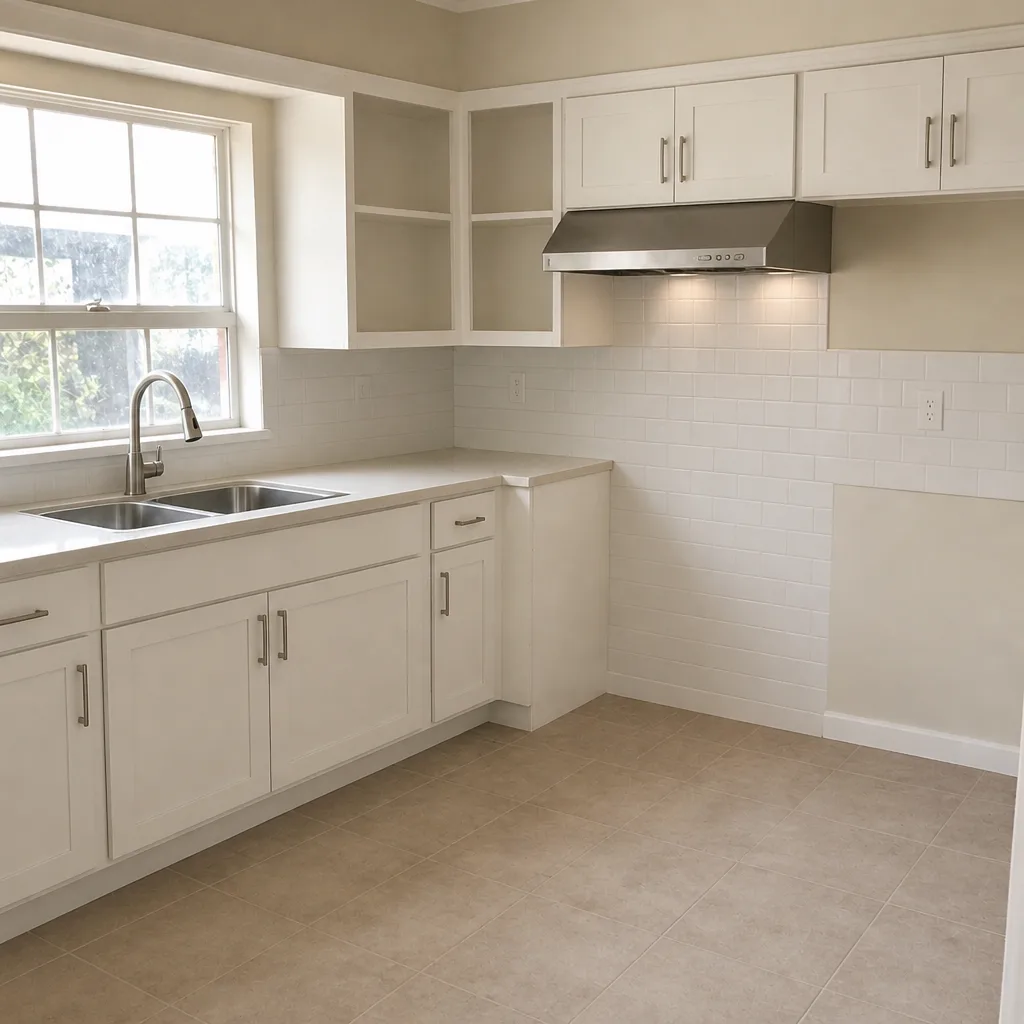
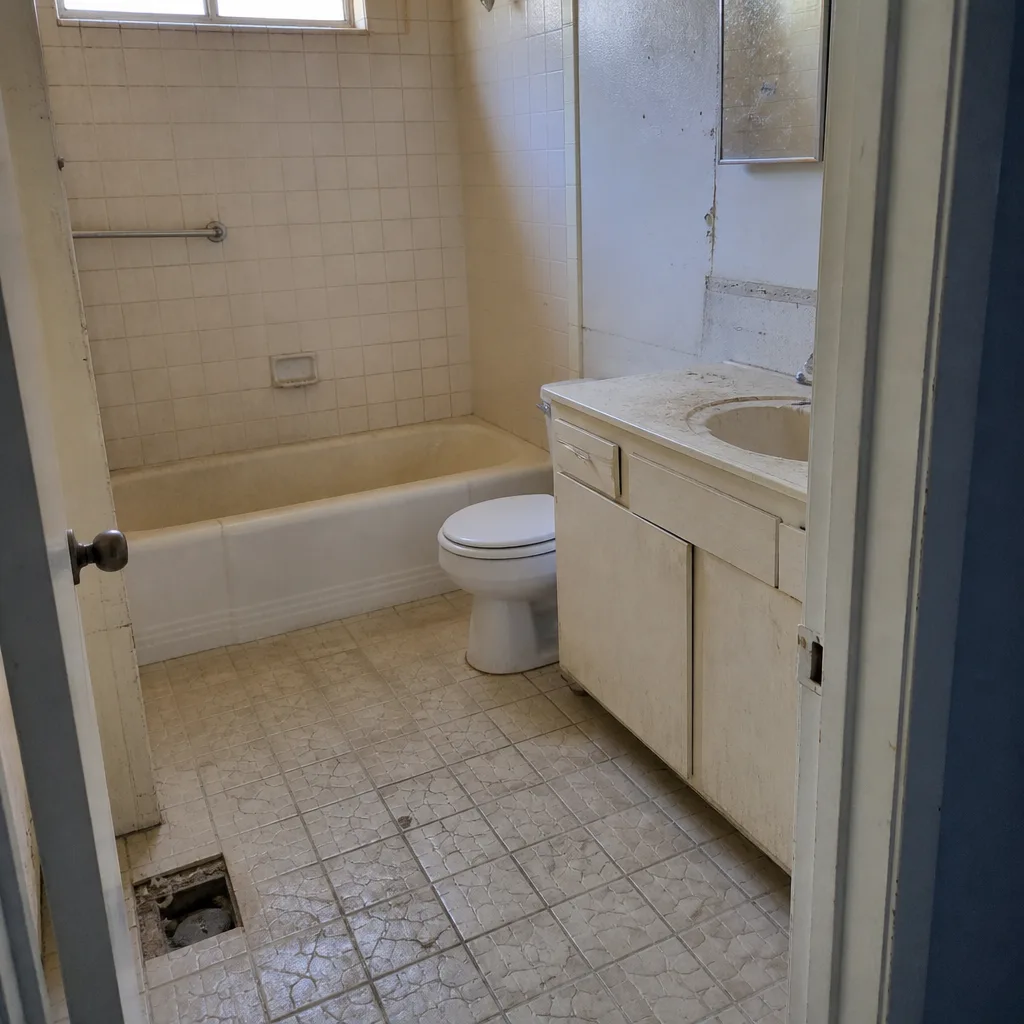
See the difference
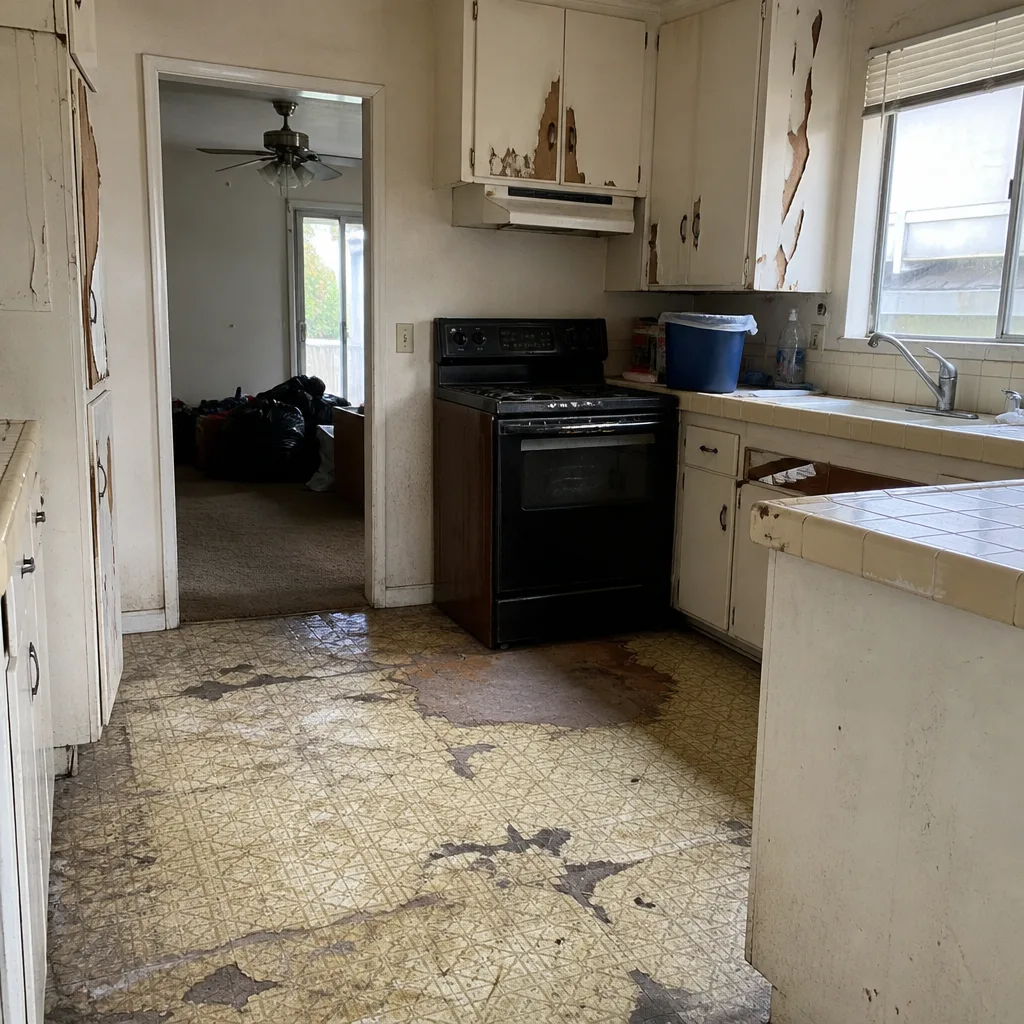 Before
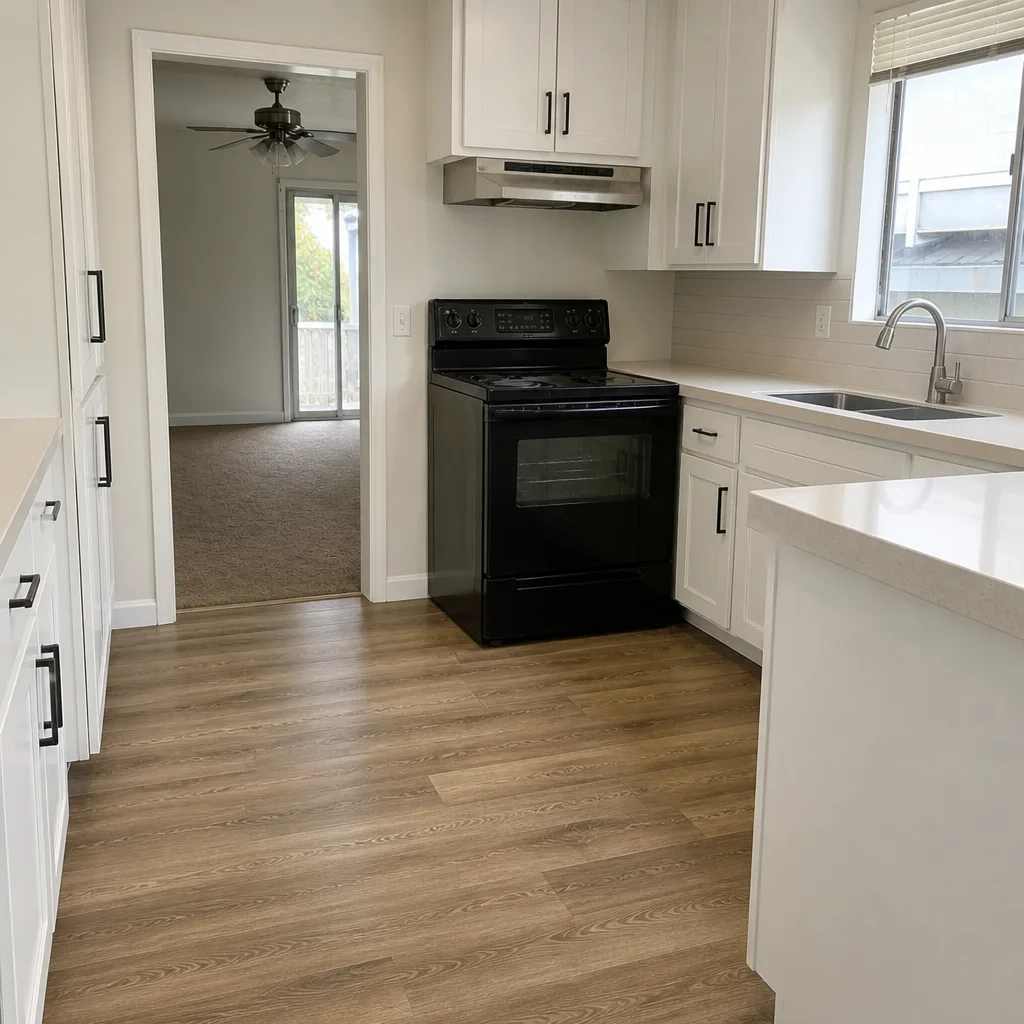 After
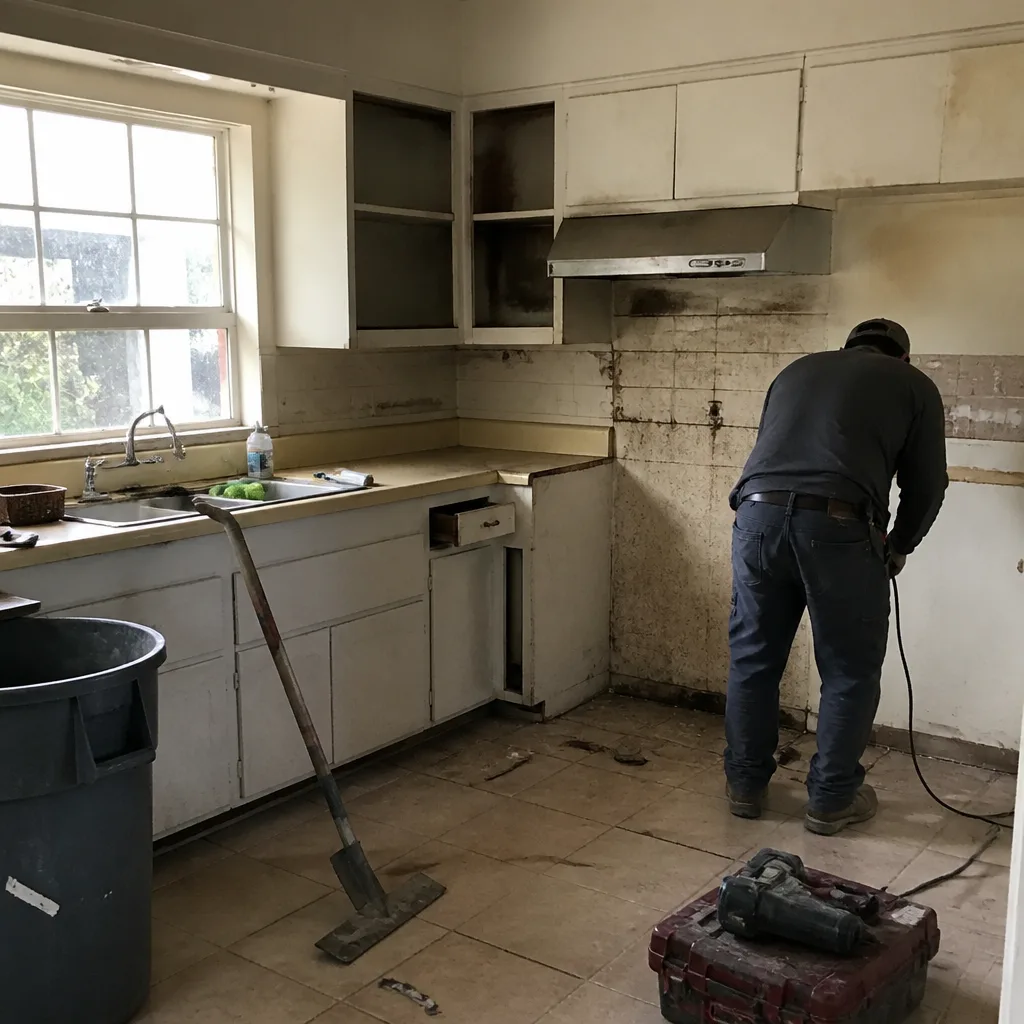 Before
 After
 Before
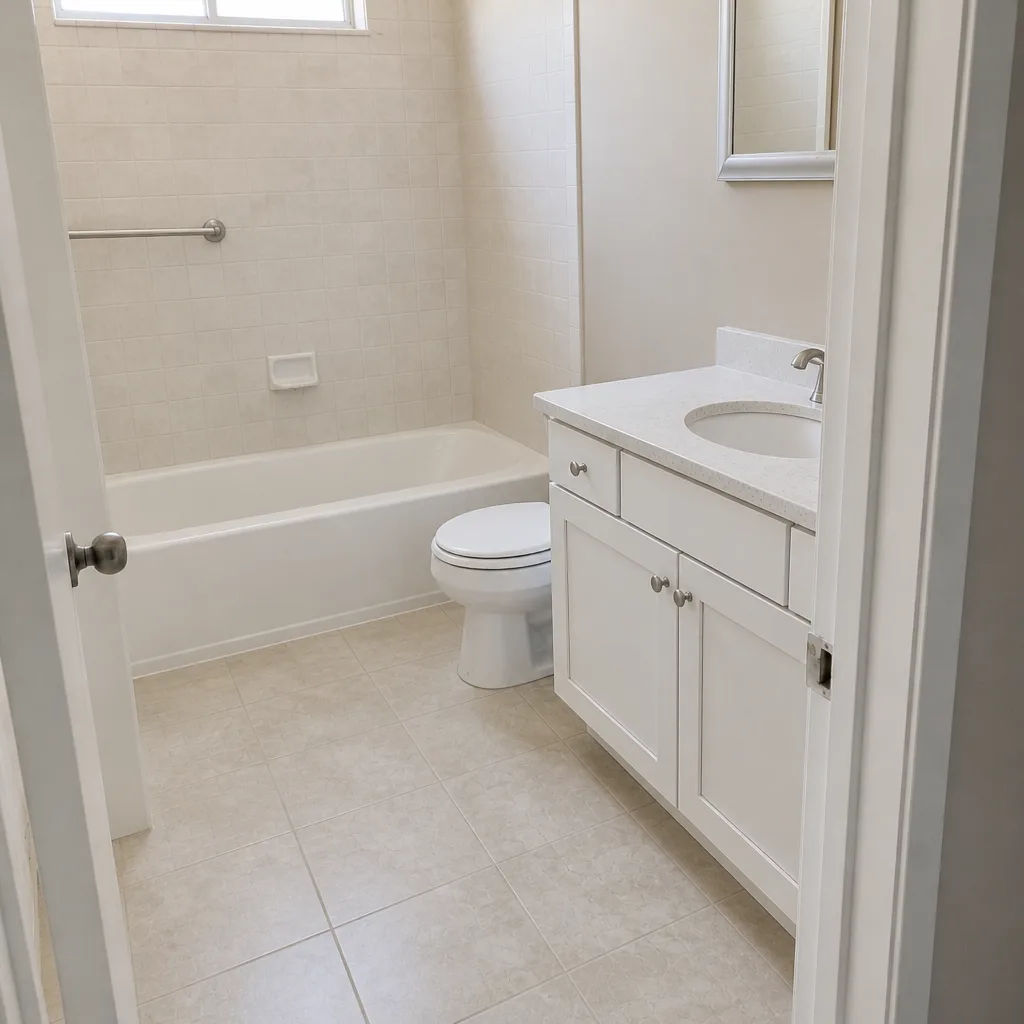 After
When to Call a Professional
Call a licensed general contractor when the work touches structure, electrical, plumbing, or the building envelope, and reach for the phone early rather than late. Call when a property is being bought or sold, because every jurisdiction will want the permit history, and gaps create problems at closing. Call when a prior remodel’s permit history is unknown, when water or structural damage shows up, or when you’re planning a project more than $15,000 – at that level, the paperwork genuinely matters. Bradford Remodeling Co Costa Mesa offers free estimates in Costa Mesa with a written line-item price and the 365-Day Done Right Promise in writing. Call (855) 659-2556 to schedule yours.
Frequently Asked Questions
You need one for any remodel that involves multiple trades, structure, electrical, or plumbing. A general contractor in Costa Mesa holds the B license, manages the subcontractors, and pulls the permits in their own name, which shifts inspection responsibility off you. For single-trade work like a fixture swap, you may only need a licensed specialist, but confirm the classification before you hire.
Our 365-Day Done Right Promise covers every completed Bradford project for a full year after completion; if the work fails inside that window, we return and correct it at no charge. It’s a written guarantee, not a verbal one, and you receive it in hand at job close along with the documented scope. That’s the difference between a promise and a piece of paper.
A preliminary notice reserves the sub’s right to file a lien; a lien is the actual claim against your property. The 20-day notice is routine and expected. A lien means the sub wasn’t paid and has escalated. Receiving the notice is not a problem. Receiving a lien is.
Yes, in almost every case. Costa Mesa permits electrical, plumbing, and structural changes, and a bathroom or kitchen remodel touches all three. The city’s building division handles most residential permits. Skipping the permit means the work has to be retroactively permitted or torn out later, which costs more than the permit.
Not on a properly written scope. If the scope is defined and the contract is lump-sum, the price holds unless you sign a written change order. If the contract is cost-plus, the price can move with material costs, but it should have a written cap. We don’t move the number at the door. Every project gets a written price before a single tool comes out.
Yes. We install a documented roster of brands, including KraftMaid and Wellborn cabinetry, Cambria and Caesarstone surfaces, and Kohler and Moen fixtures, among others. Brand specifications matter because they come with manufacturer warranties that back our own guarantee. For any brand question specific to a project, call (855) 659-2556.
The Bottom Line
A Costa Mesa remodel is a legal and financial commitment, and the paperwork is the project. Verify the license and classification yourself, confirm the bond and workers’ comp, know whether the city or the county pulls the permit for your scope, and read the contract to see whether it’s lump-sum or cost-plus. Keep every preliminary notice, and never let a guarantee stay verbal. The homeowner who does those five things rarely gets surprised at job close, and surprise is the entire problem. Every Bradford project gets a written price before work begins and a written 365-Day Done Right Promise at completion. Call (855) 659-2556 for a free estimate that puts the whole thing on paper.
Written by the team at Bradford Remodeling Co Costa Mesa.