Last updated November 18, 2026



Free written scope consultation - allowances, timeline, and change-order rules on paper before a single trade is scheduled
DIY vs Professional General Contractor: What’s Safe to Do Yourself
Here’s the part most DIY guides skip. A homeowner in California who performs structural work without a permit doesn’t just risk a fine from the city. They risk having their homeowner’s insurance deny a future claim on the grounds that the unpermitted work contributed to the loss. The adjuster finds the finished basement that was never inspected, the load-bearing wall that came out without a stamped plan, the electrical subpanel someone wired on a Saturday, and the claim gets flagged. That’s the real dividing line between a weekend project and a job that needs a general contractor in Costa Mesa. This guide walks through what California actually allows you to self-perform, what triggers a permit even when it looks harmless, how to read the exclusion buried in your policy, and the cost math nobody runs before picking up a pry bar.
Quick Answer
In California, a homeowner who occupies their own single-family home may legally pull permits and perform most work on that home themselves, but the work must still be permitted, inspected, and built to code. Anything involving gas, the electrical service panel, structural changes, or work on a home you don’t live in requires a licensed contractor. The DIY-or-hire call isn’t about your skill. It’s about permit exposure, insurance gaps, and how the work looks to a buyer’s inspector five years from now.
Styles & brands we work with
- Kitchen remodeling
- Bathroom remodeling
- Home additions & ADU
- Roofing
- Windows & doors
- Driveway & pavers
- Fence
Table of Contents
- The Real Dividing Line: Permit Exposure, Not Skill
- What California Actually Lets You Do Yourself
- The Insurance Clause Most Homeowners Never Read
- Projects That Look DIY-Safe but Trigger a Permit in Costa Mesa
- How to Document Owner-Performed Work So It Survives Resale
- The Real Cost Math: Permit Fees vs. GC Markup
- Common Mistakes to Avoid
- When to Call a Professional
The Real Dividing Line: Permit Exposure, Not Skill
A lot of homeowners think the decision comes down to whether they can swing a hammer. It doesn’t. Plenty of capable people can frame a wall. What they can’t do is absorb a denied insurance claim twenty years later because the wall was never inspected, or explain to a buyer’s inspector why the addition isn’t on the county record.
California’s Building Standards Code (Title 24, Part 2) works alongside the California Residential Code to define who may perform regulated work and under what conditions. The short version: a permit is required for most structural, electrical, plumbing, and mechanical work, and once a permit is pulled, the work must be inspected by the local building department. Whether you hold the hammer or hire a crew, the inspection is what makes the work legitimate. Skip it and you’ve built something the record doesn’t recognize.
That record matters more than most people realize. When you sell a home in Costa Mesa, the buyer’s inspector runs the address through the city’s permit history. A finished garage conversion with no permit on file shows up as a discrepancy, and discrepancies turn into negotiations, price reductions, or in the worst cases a retrofit order from the city. We’ve seen sellers in the Mesa del Mar and Halecrest neighborhoods lose weeks of escrow to a bathroom remodel that was done beautifully but never permitted.
So the honest framing is this: the question isn’t “can I do this?” It’s “will the work be permitted, inspected, and insurable when I’m done?” If the answer is no, the skill level is irrelevant.
What California Actually Lets You Do Yourself
California is more permissive than most states about owner-builder work, but only within specific boundaries. Here’s where the line sits.
What a homeowner-occupant may generally self-perform
- Cosmetic work with no permit required: interior paint, flooring over existing subfloor, cabinet refacing, trim, tile backsplash, light landscaping
- Permitted work you pull yourself on your own primary residence, including non-structural interior alterations like replacing a vanity or re-tiling a shower with a like-for-like configuration
- Fence repairs, minor concrete flatwork under the size threshold, and most painting and siding repairs that don’t alter the building envelope
- Replacing a faucet, toilet, or disposal (plumbing fixtures, not the lines feeding them)
What requires a licensed specialty contractor regardless of your skill
- Gas work. Any gas line modification, water heater replacement, or gas appliance connection requires a licensed plumber or the gas utility. The California State License Board (CSLB) treats unlicensed gas work as a serious violation.
- Electrical service work. Panel replacements, service upgrades, and new circuits need a licensed electrician (C-10). Even pulling a permit as owner-builder doesn’t let you do panel work in most jurisdictions without a licensed electrician signing on.
- Structural alterations. Removing a load-bearing wall, adding a beam, or altering the foundation requires engineered plans and, in practice, a licensed general contractor or structural specialty contractor.
- Any work on a property you don’t occupy. Owner-builder exemptions only apply to your primary residence. Rentals, flips, and second homes require licensed contractors.
- Roofing and exterior envelope work above a certain scope. Costa Mesa requires permits for roof replacements and exterior window/door replacements that alter the envelope (more on that below).
We’ve had homeowners call after buying a Costa Mesa house where the previous owner did their own subpanel work. The inspection went fine until the home was sold and the new buyer’s electrician found aluminum wiring spliced to copper in a junction box behind drywall. What looked like a $600 DIY savings turned into a $4,000 rewire.
The Insurance Clause Most Homeowners Never Read
Here’s what most DIY guides won’t tell you. Homeowner’s insurance policies carry language most people never read, and it usually lives in the exclusions section, not the declarations page.
The clause is called an owner-performed work exclusion, or sometimes a “faulty workmanship” exclusion. It reads something like this: “We do not cover loss or damage caused by faulty workmanship, including work performed by the insured or the insured’s family members.” What that means in practice is that if you install a shower pan that leaks into the subfloor, or wire a circuit that starts a fire, your policy may decline to cover the resulting damage because the defective work was your own.
Here’s how to find out where you stand:
- Open your policy and search for “workmanship.” Look in the exclusions section, usually Section I, Exclusions. Search too for “insured” and “faulty.”
- Call your agent and ask the direct question: “If I do permitted work on my own home and it fails and causes damage, is that covered?” Get the answer in writing, by email, so you have a record.
- Ask about the “permit” language. Some policies require that any work over a certain dollar amount be permitted and inspected. If the work wasn’t inspected, the claim may be denied on that ground alone.
- Document the answer. Save the email. If a claim comes years later, that email is your evidence the agent told you it was covered.
This applies in Costa Mesa as much as anywhere. The city sees plenty of claims after water damage from improperly installed shower pans, and insurers increasingly ask for the permit and inspection record before approving a claim. If the record doesn’t exist, the claim gets complicated.
Projects That Look DIY-Safe but Trigger a Permit in Costa Mesa
Costa Mesa punches above its weight on permit enforcement. The city’s Building Division is specific about what requires a permit, and several tasks that seem like glorified maintenance do trigger one. Here are the ones that catch people.
- Water heater replacement. Yes, even a like-for-like swap. The permit ensures the gas connection, venting, and seismic strapping meet current code. Doing this without a permit means the tank isn’t on record, and an unpermitted water heater is one of the first things an inspector flags.
- Electrical panel upgrades. Any service change requires a permit and inspection. The city won’t approve a panel swap without a licensed electrician pulling the permit in most cases.
- Adding a circuit. New outlets in a garage, a dedicated circuit for an EV charger, or a new circuit for a minisplit all require a permit. The electrical code requires arc-fault and ground-fault protection in specific locations, and pulling a wire without the permit is the most common way homeowners get caught.
- Window replacements in exterior walls. Replacing windows changes the envelope, and Costa Mesa requires a permit for the change. This is also where Title 24 energy compliance comes in: new windows must meet the energy code, and an unpermitted replacement can fail the energy check at inspection.
- Bathroom remodels that move a fixture. If you’re moving a drain or supply line, that’s plumbing work requiring a permit. Re-tiling a shower in the same location, without moving plumbing, may fall under a cosmetic repair classification in some cases, but specific configurations vary, so check with the city before you start.
We’ve seen this pattern in the Eastside Costa Mesa neighborhood specifically, where older homes have original panel and plumbing that have been touched up by multiple owners over the decades. Each unpermitted tweak makes the next one harder to sort out.
How to Document Owner-Performed Work So It Survives Resale
You can do permitted work yourself and have it count at resale. The key is documentation. A buyer’s inspector doesn’t just look at the work; they look at whether the work is on the record.
Here’s what to do, whether you’re doing the work or hiring it:
- Pull the permit yourself, in your name, as owner-builder. The permit will show on the property record with your name attached. That’s how you prove the work was legitimate.
- Keep every inspection card, signed and stamped. The final inspection sign-off is the single most important document. Photograph it and store it with the closing documents.
- Photograph the work in progress. Take pictures of framing, plumbing rough-in, and electrical before the drywall goes up. These are the photographs the buyer’s inspector will ask for, and without them, they can’t verify the work behind the wall.
- Keep the receipts for materials. Receipts show the date and source of the materials, which corroborates the timeline.
- Save the approved plans. If plans were required (for anything structural), keep the stamped set. The buyer’s inspector will ask for it.
- Log the work in a simple spreadsheet. Date, task, permit number, inspector name, final date. That log is the difference between “documented owner-performed work” and “suspicious upgrade with no record.”
If the previous owner’s work wasn’t documented, we’ve seen buyers in Costa Mesa request a credit or a retroactive permit as a condition of purchase. That’s a real cost, and it usually lands on the seller.
The Real Cost Math: Permit Fees vs. GC Markup
The mark-up you think you’re saving by DIYing is often smaller than the permit-and-inspection cost of the work itself. Here’s the math most people skip.
- Permit fees in Costa Mesa for a typical interior remodel are assessed on a valuation-based schedule. The permit itself is a few hundred to a couple thousand dollars depending on scope, plus inspection time (usually 2 to 4 visits).
- Plans and engineering for anything structural add several hundred to a couple thousand dollars, and in Costa Mesa, structural permits typically require stamped drawings.
- Re-do costs. If an inspection fails, you redo the work. Failure rates on first inspection for DIY work are high, and each redo adds material cost, time, and a reinspection fee.
- Your time. A mid-size bathroom remodel is a four-to-six week project for a single homeowner working evenings and weekends. A crew does it in two to three weeks. That time difference has a real value, especially if you’re moving out of the house.
- GC markup. A general contractor’s overhead and profit typically runs in the 15% to 25% range over the cost of the work. That markup buys coordination, scheduling, materials sourcing, and the 365-Day Done Right Promise, which Bradord backs with a written guarantee on every completed project.
Here’s the surprising part. If you’re comparing a full GC price to your own cost of materials plus your own time plus the permits plus a realistic redo budget, the gap is often smaller than the 20% people assume. And if the work involves wiring a kitchen or installing a new Kohler or Moen fixture system with warranted finishes, the material savings on brand-name product are minimal. Kohler and Moen publish manufacturer specs and warranties that only stay valid with correct installation.
For a Costa Mesa homeowner looking at a kitchen remodel, the honest comparison is: DIY cost of materials plus permits plus 4 to 6 weekends of your time plus a realistic contingency, versus the written GC price. When you run both numbers, the GC price often doesn’t look like the premium it did at the start.
Common Mistakes to Avoid
- Assuming cosmetic means permit-free. A window replacement is cosmetic on the surface and a permit item in reality. Costa Mesa treats envelope changes as permit work, and the energy compliance check catches unpermitted swaps.
- Letting a friend or family member with “experience” do the electrical. In California, unlicensed electrical work is a CSLB violation, and it voids most warranties on the equipment.
- Skipping the insurance call. A homeowner in Costa Mesa who assumes their policy covers owner-performed work is taking a real financial risk. Get the answer from the agent in writing before you lift a tool.
- Doing permitted work and not saving the final inspection card. The permit itself is meaningless at resale without the signed final inspection. Photograph it and store it with the deed.
- Hiding a non-permitted upgrade from the buyer. Full disclosure is required. The buyer’s inspector will find it, and the negotiation cost is worse than the original permit fee.
- Buying premium materials without a warranty path. Cambria or Caesarstone surfaces need to be installed to spec to maintain their warranty. A DIY install with a cut corner voids the surface warranty, and we’ve seen homeowners lose coverage on a $6,000 slab because of one bad seam.
- Assuming the city won’t notice. Costa Mesa’s building department runs permit history checks on every sale and takes complaint reports seriously. The city’s enforcement is complaint-driven, and a neighbor or a buyer’s inspector will trigger it.
When to Call a Professional
Call a professional when the work touches gas, the electrical service, structural elements, or the building envelope, and when the scope is large enough that a permit and inspection are required. That covers water heater replacement, panel upgrades, window replacements in exterior walls, load-bearing wall removal, and any bathroom or kitchen remodel that moves plumbing or wiring. It also covers anything you can’t be sure will pass inspection on the first try.
At that scale, the biggest risks aren’t the work itself. They’re the permit history, the insurance exposure, and the resale record. A written price before work begins and a 365-Day Done Right Promise, both backed by a documented roster of name-brand materials, take those risks off your plate.
For a full scope of what a remodeler can handle, see our General Contractor in Costa Mesa page. If you’re weighing a kitchen remodel, our Kitchen Remodeling in Costa Mesa page covers the process from permit to final inspection. For bath work, see Bathroom Remodeling in Costa Mesa.
Bradford Remodeling Co Costa Mesa offers free estimates in Costa Mesa. Call (855) 659-2556.
See the difference
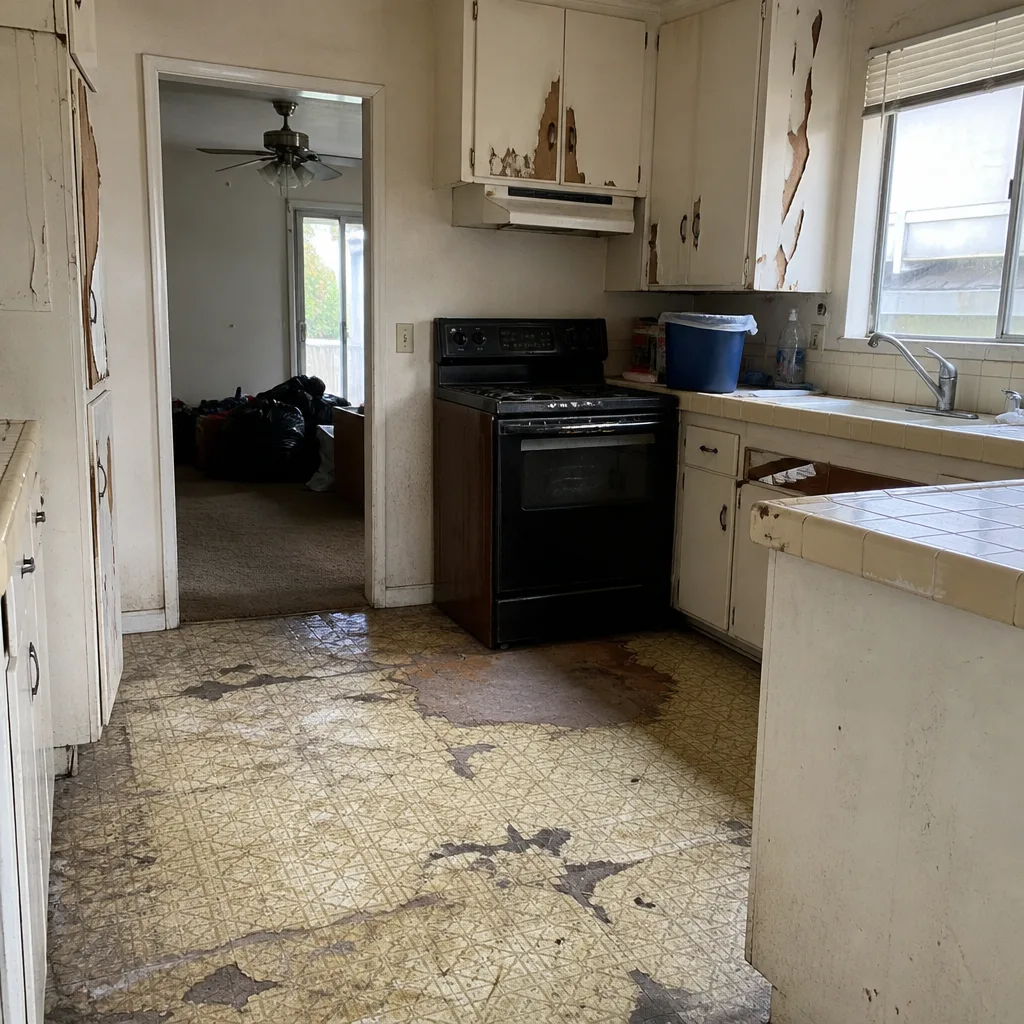 Before
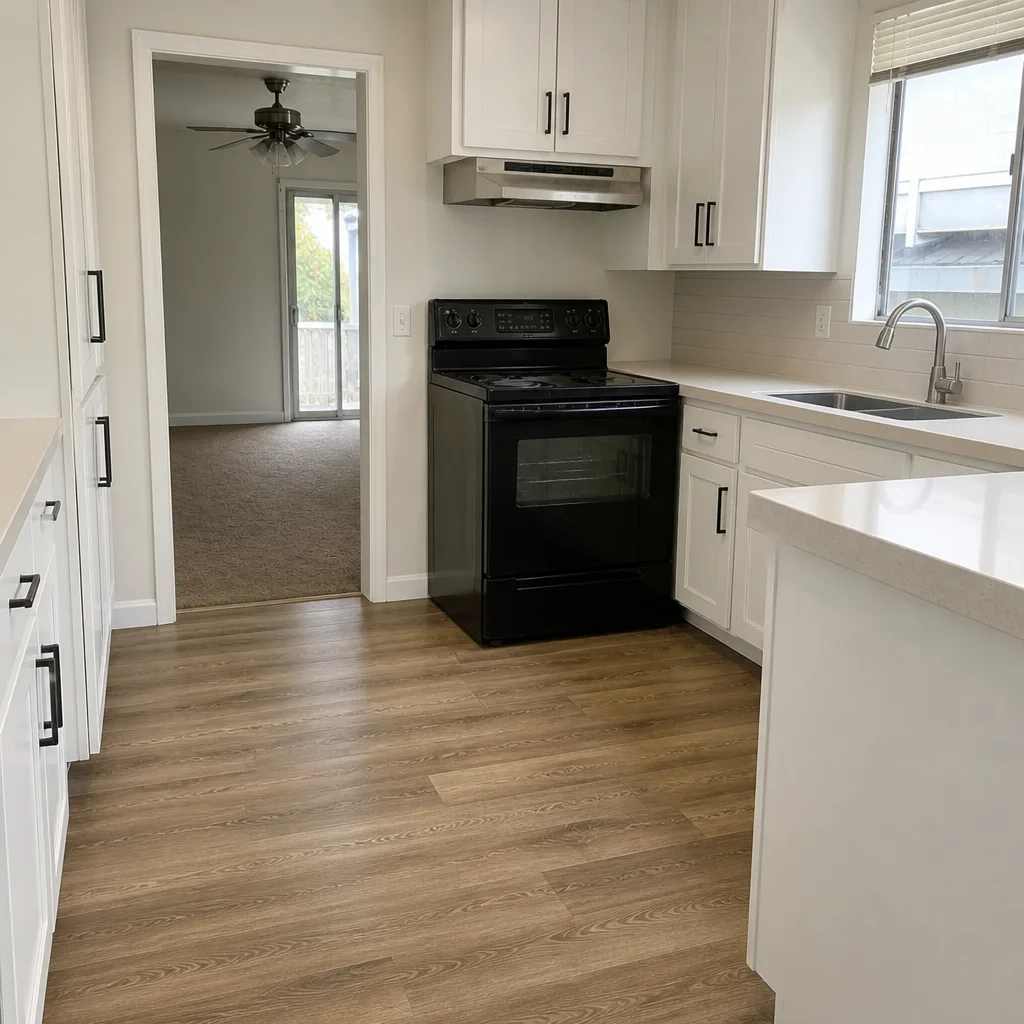 After
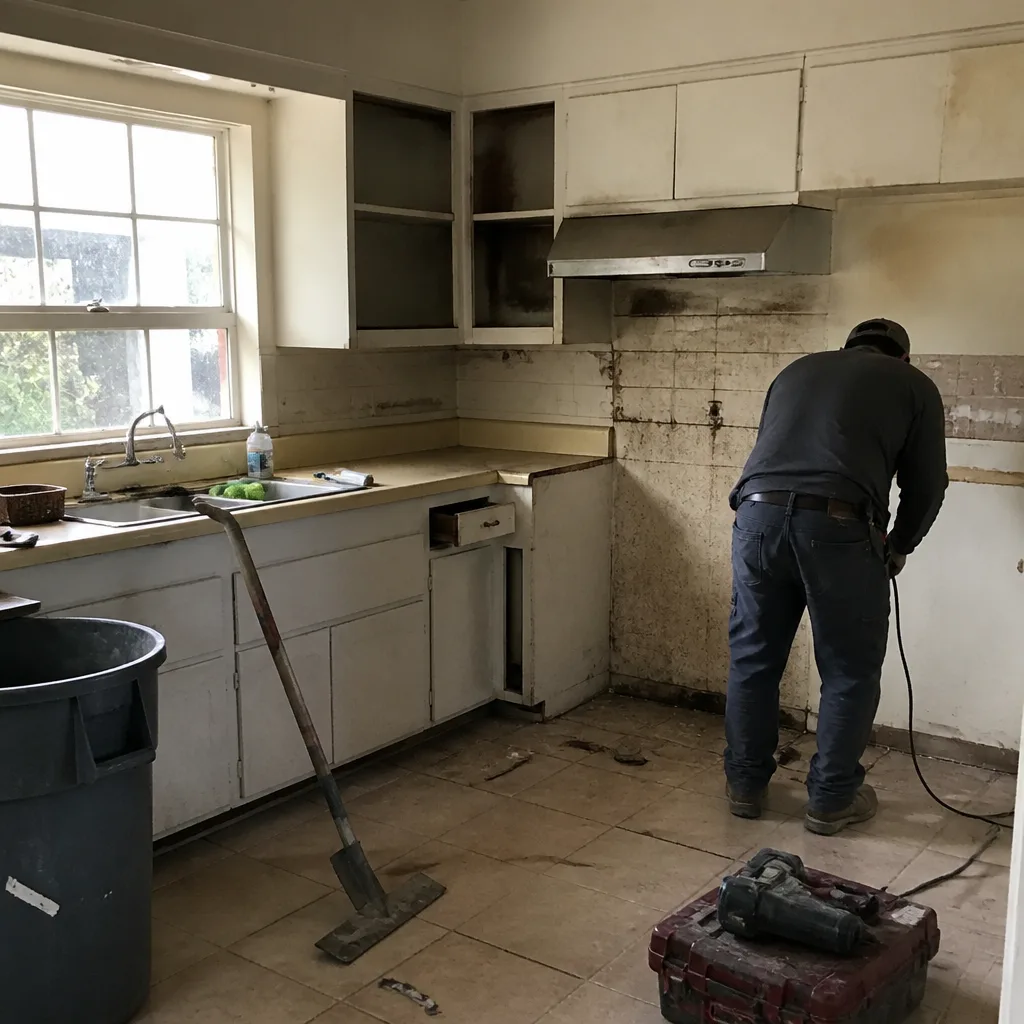 Before
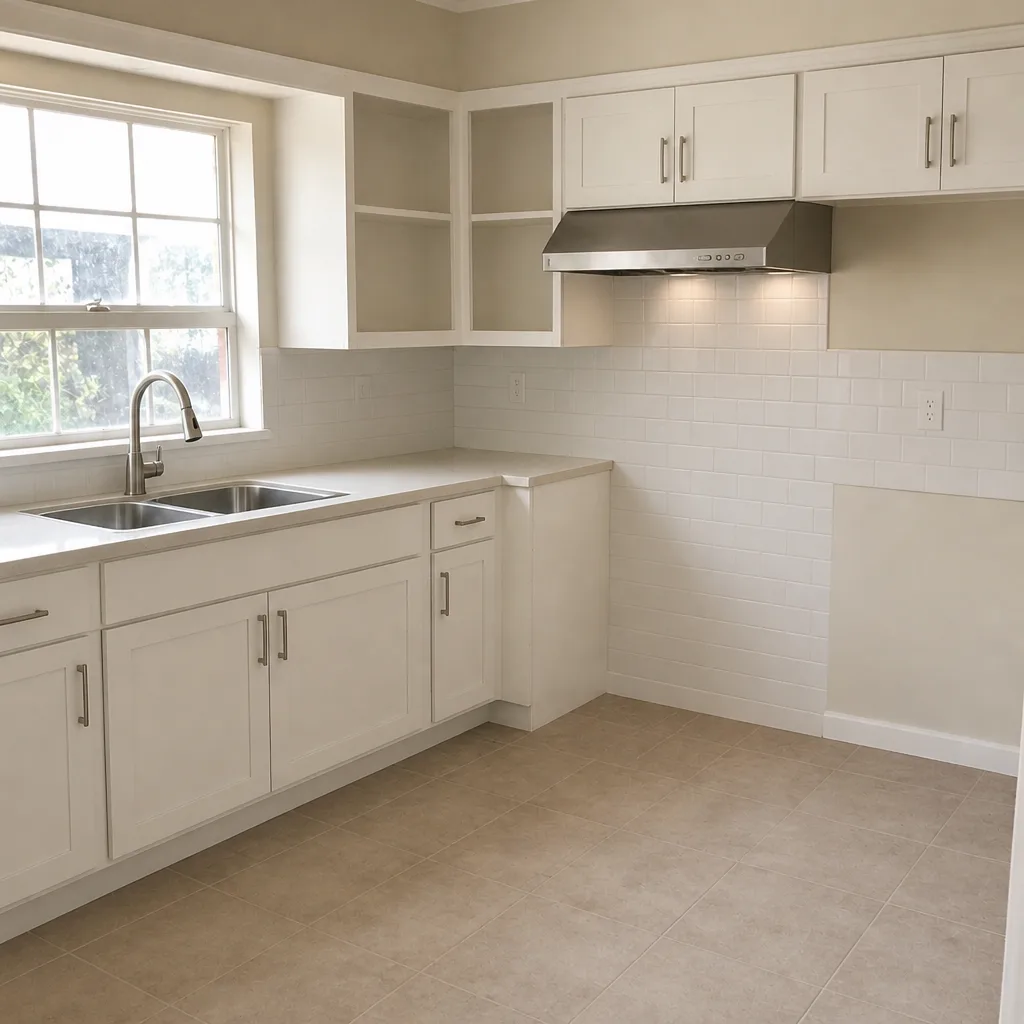 After
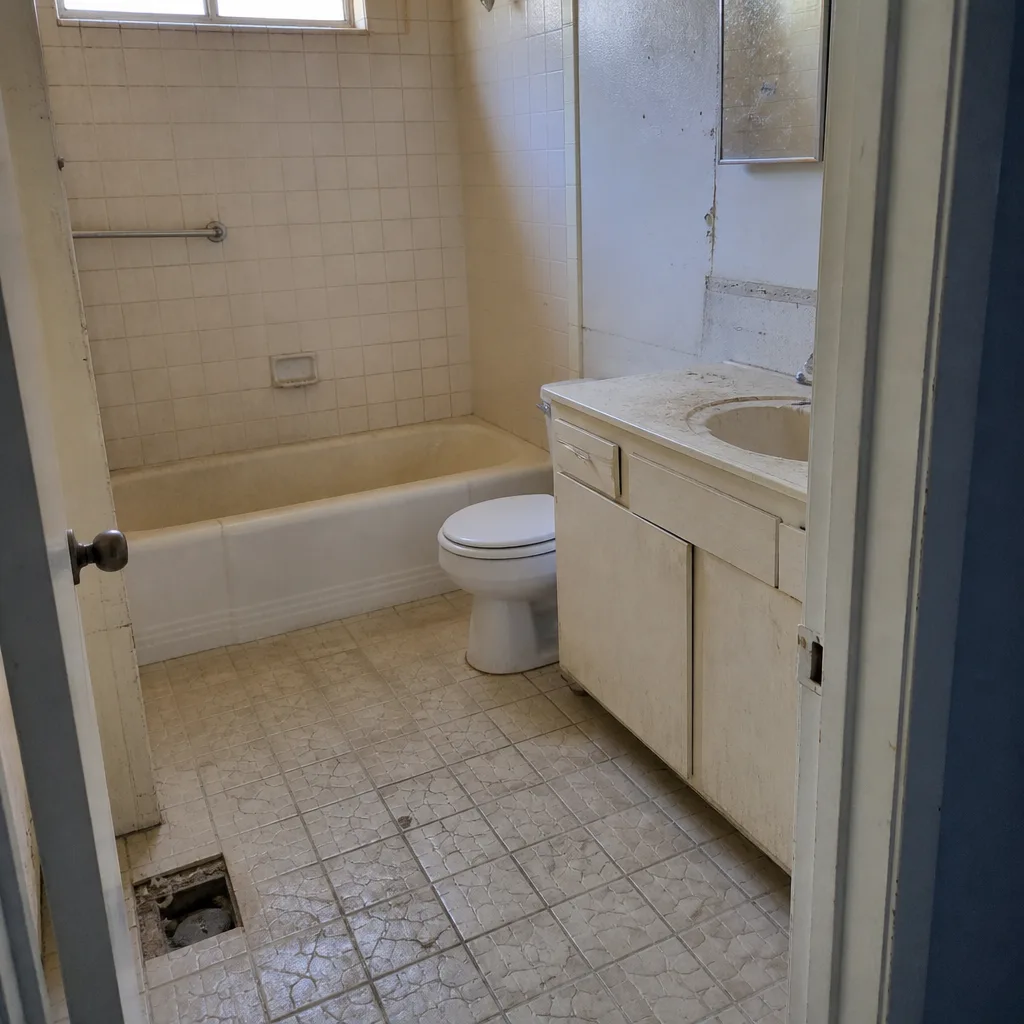 Before
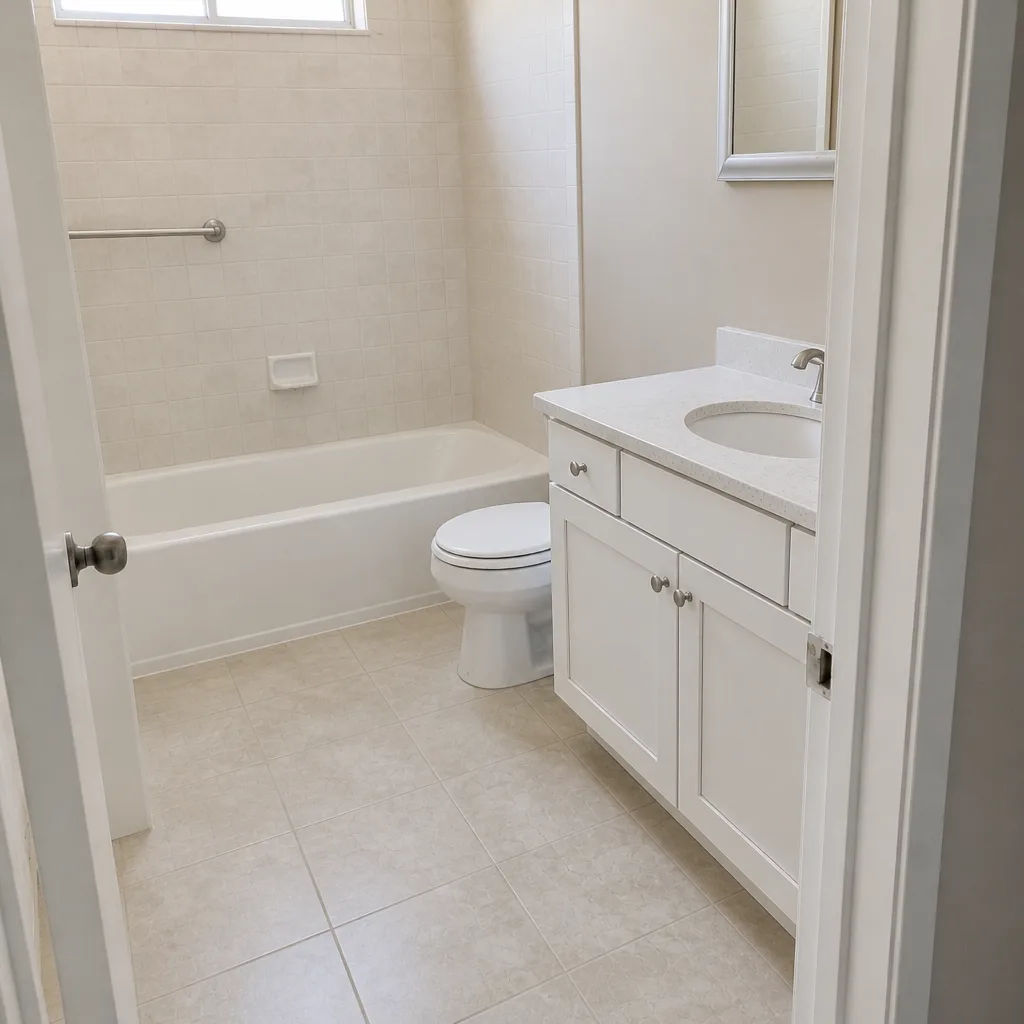 After
Frequently Asked Questions
A homeowner who occupies their own single-family residence may pull permits and perform most work on that home themselves, as long as the work meets code and is inspected. Gas work, electrical service panel work, structural changes, and any work on a property you don’t occupy require a licensed contractor. Any work on an apartment, rental, or second home is off-limits to owner-builder exemptions.
Yes. Costa Mesa requires a permit for water heater replacement, even a like-for-like swap, because the permit covers the gas connection, venting, seismic strapping, and final inspection. An unpermitted water heater is one of the first items flagged during a home inspection at resale. Call our Bradford Remodeling Co Costa Mesa home line at (855) 659-2556 if you’d rather have the work done and inspected properly.
No. Window replacements that alter the building envelope require a permit in Costa Mesa, and the new windows must meet Title 24 energy compliance. Unpermitted window work shows up as an open item during a buyer’s inspection, and the retroactive permit cost usually exceeds the original permit fee.
Often not. Many homeowners policies contain an owner-performed work exclusion or a faulty workmanship exclusion that limits or denies coverage when the damage is caused by the insured’s own work. The specific language varies by carrier, so call your agent and ask the direct question in writing before starting any permitted work on your own home.
The buyer’s inspector will flag the work as unpermitted, and the discrepancy becomes a negotiation point. In many cases the seller ends up paying to permit the work retroactively, or granting a credit. Some cities can also require corrective action on unpermitted work regardless of the sale.
For structural, electrical, plumbing, and envelope work, typically yes, because the GC brings the permit, the inspection, the scheduling, and the written guarantee. For the 365-Day Done Right Promise, Bradford returns and corrects any failed work at no charge inside the guarantee window. For pure cosmetic work like paint and trim, DIY can make sense. The deciding factor is whether the work touches a permit.
The Bottom Line
The DIY-or-hire call starts with permits, not skill. In California, owner-builder exemptions let you pull permits and do real work on your own primary residence, but the work must be inspected for it to hold up at resale and inside your insurance policy. Gas, service panels, structural changes, and exterior envelope work require licensed contractors regardless of your ability. In Costa Mesa, water heater swaps, window replacements in exterior walls, panel upgrades, and new circuits are the tasks most often mistaken for DIY-safe, and they’re the ones that trigger the most permit problems. Run the real cost math before you commit: permits, inspection time, realistic redo, and the GC markup. If the work touches a permit, the math often favors hiring.
Written by the team at Bradford Remodeling Co Costa Mesa.
Ready to get a written price?
If you’re weighing DIY against a professional remodel and want a straight number, a written price before any work starts, and a full-year guarantee in your hand at close, call Bradford Remodeling Co Costa Mesa at (855) 659-2556. Live person, 24/7. Free estimates, no pressure, no numbers that move at the door. When the work is done, you’ll have the documented scope, the signed 365-Day Done Right Promise, and a clean site squared away.