Last updated November 18, 2026








Free written scope consultation - allowances, timeline, and change-order rules on paper before a single trade is scheduled
General Contractor Troubleshooting: Common Problems and How to Fix Them
The single most common complaint filed with the California Contractors State License Board isn’t shoddy work. It’s abandonment. A contractor who stops showing up mid-project is a contract problem before it’s a construction problem, and the homeowners who recover fastest are the ones who understood that before the first hammer swung. We’ve watched this play out across Costa Mesa remodels for years, and the pattern rarely changes: a vague scope, a handshake change order, a deposit that ran ahead of the work, and by the time the problem surfaces, too much money is already out the door.
This guide walks through the real troubleshooting sequence for a project that’s gone sideways, with the specific timelines, notice requirements, and payment rules that decide whether you have leverage or just frustration. You’ll learn how to document defective or incomplete work correctly, the difference between a punch list item and a material breach, what to do about unsigned change orders and early payment demands, and when a certified cure notice beats a phone call. It’s written from Costa Mesa, where the housing stock and the coastal climate add their own wrinkles.
Quick Answer
When a general contractor stops performing, your first move is documentation, not confrontation: photograph and date every defect, put your concerns in writing, and check your contract for the draw schedule and completion definition before you withhold a dollar. Under California law you generally must give the contractor a written opportunity to cure before you can pursue a CSLB complaint or small claims case. If the contractor has abandoned the job or is demanding payment ahead of the written schedule, that written notice becomes your leverage, and it’s the difference between a fixable problem and an expensive one.
Styles & brands we work with
- Kitchen remodeling
- Bathroom remodeling
- Home additions & ADU
- Roofing
- Windows & doors
- Driveway & pavers
- Fence
Table of Contents
- Why the Contract Is the Whole Ballgame
- How to Document Incomplete or Defective Work
- Punch List vs. Material Breach: Why the Difference Matters
- When Your GC Claims the Scope Changed
- When a GC Demands Payment Ahead of the Draw Schedule
- Certified Cure Notice vs. CSLB vs. Small Claims
- How to Hire So You Never Need This Guide
Why the Contract Is the Whole Ballgame
Most remodeling disputes don’t start with bad workmanship. They start with a contract that never defined the word “complete.” When “complete” is ambiguous, every missed detail becomes an argument, and the homeowner usually discovers this at the worst possible moment: after the deposit is paid and the framing is up. A strong contract names the scope line by line, defines what finished looks like, sets a payment schedule tied to milestones, and puts the change-order process in writing before anyone picks up a tool. That’s the whole idea behind Bradford Remodeling Co Costa Mesa home running on The Garrison Standard: every price and every guarantee is in writing before work starts.
In Costa Mesa, we see this play out around older housing stock, much of it built between the 1950s and 1970s. A “simple” kitchen update in a mid-century Eastside home often uncovers galvanized plumbing or undersized electrical that wasn’t in anyone’s scope. Without a written contingency and change-order procedure, that surprise becomes a fight about money instead of a documented adjustment. The fix is upfront: a line-item scope, a stated draw schedule, and a signed change order before any added work begins.
What a well-built contract includes:
- A line-item scope that names materials and brands, not generic categories.
- A completion definition that says what “done” means, room by room.
- A draw schedule tied to milestones, not to a calendar date.
- A written change-order procedure with a signature requirement.
- Warranty terms spelled out, including what’s covered and for how long.
If your contract is missing any of these, get them added in writing before work continues. For larger scopes, a real General Contractor in Costa Mesa will expect that conversation, not resist it.
How to Document Incomplete or Defective Work
Documentation is what converts a complaint into a case. Judges, arbitrators, and CSLB investigators all respond to the same thing: a clean, dated, organized record. Photos taken from the same angle over time, written notices sent the same week a problem appears, and a log of every conversation carry far more weight than an angry email sent three months late. The discipline is simple and it works.
Follow this sequence:
- Photograph everything with a date stamp. Wide shots for context, close-ups for the defect, and the same framing each visit so progress (or lack of it) is visible.
- Put every concern in writing within days. Email is fine for the first notice; it creates a timeline. Keep it factual: what you saw, what you expected, what you want done.
- Log every conversation. Date, time, who said what. If a supervisor promised a fix verbally, note it and follow up by email so it’s in the record.
- Photograph the site condition separately. A crew that leaves debris, unprotected finishes, or open walls exposed to weather is a documented issue, not a personality clash.
- Preserve the contract, change orders, and every payment receipt. Assemble them in one folder. You’ll need them for a cure notice, a CSLB complaint, or small claims.
Costa Mesa’s marine layer matters here. We regularly document moisture problems in westside homes where fog-driven dampness reaches exposed drywall or unfinished cabinetry during a stalled project. If work stops for weeks with the envelope open, that’s a real defect risk, and photos with dates prove when the exposure started.
Punch List vs. Material Breach: Why the Difference Matters
This distinction decides whether you can legally withhold final payment, and most homeowners get it wrong. A punch list item is minor: a paint touch-up, a misaligned cabinet door, a missing outlet cover, a gap in caulk. These are normal at the end of a project, and withholding a large final draw over them is risky because a contractor can argue you’re in breach for non-payment. A material breach is different: work that’s missing entirely, work that fails code, a scope item never delivered, or abandonment. That’s what justifies withholding payment and escalating.
Think of it this way. Cosmetic leftovers are the finish carpenter’s last day of work. Structural, code, or scope failures are the reason the job isn’t done. Put the distinction in writing in your final walkthrough, and separate the two lists clearly.
- Punch list: paint dings, hardware alignment, caulk gaps, outlet plate covers, minor trim.
- Material breach: missing scope items, failed inspection, wrong materials installed, abandonment, work that doesn’t meet code.
If you have a legitimate punch list and everything else is squared away, pay the final draw and document the list. If you have material breach, get it in writing and don’t pay. A written line-item quote and a documented completion definition, which is how Bradford approaches every job, make this distinction obvious long before it becomes an argument.
When Your GC Claims the Scope Changed
An unsigned change order is not a change order. If your contractor says the scope changed and bills you for it after the fact, but you never signed anything, you have options and you should use them deliberately. Under California law, a written contract change requires agreement; a verbal “we talked about it” is much weaker ground for the contractor than for you, especially if the added work wasn’t described in writing before it was performed.
What to do:
- Request the change in writing. Ask for a written description of what was added, the price, and the date. If it wasn’t documented, that’s on the contractor.
- Don’t pay the disputed amount yet. Pay what’s undisputed and state in writing that the rest is under review.
- Reference the contract’s change-order clause. If it requires a signature before added work, quote it back. That’s your leverage.
- Offer to negotiate only with documentation. If the work is real and beneficial, a written change order now keeps the record clean going forward.
The other trap is the “field decision.” In Costa Mesa remodels we sometimes see a supervisor make an on-the-spot call, like switching a fixture brand or rerouting a drain, then bill it later. When the contract names a documented brand set, such as Moen or Kohler fixtures, a substitution without a signed change order is a scope issue you can push back on.
When a GC Demands Payment Ahead of the Draw Schedule
If a contractor demands money before the next written milestone, don’t pay it until you understand why. The draw schedule exists precisely to protect you: you pay for work completed, not work promised. A request to move money forward, especially mid-project, is a red flag worth taking seriously, and in the worst cases it’s the first sign a job is about to stall.
Handle it in this order:
- Ask for the milestone evidence in writing. Photos, inspection sign-off, materials on site.
- Reference the contract’s payment schedule. Point to the specific milestone not yet reached.
- Pay only for verified completed work. A partial payment for completed work is fine; an advance for future work is not.
- Document the request. A pattern of early demands is exactly what you’ll need for a cure notice later.
In our experience, homeowners who hold the line on a written draw schedule almost always get the job finished. The ones who pay ahead “to keep the crew moving” are the ones who end up filing complaints. If you’re mid-dispute and need a second set of eyes on the scope, a Kitchen Remodeling in Costa Mesa or Bathroom Remodeling in Costa Mesa specialist can usually tell you in an hour what’s actually been done and what’s still missing.
Certified Cure Notice vs. CSLB vs. Small Claims
A certified cure notice is the step most homeowners skip, and it’s the one that protects you legally. Before you can escalate a defect or abandonment complaint to the CSLB or small claims court, you generally need to have given the contractor written notice of the problem and a reasonable opportunity to fix it. That notice, sent certified mail with return receipt, creates the record that shows you tried to resolve it in good faith.
When to send a certified cure notice:
- The contractor performed work that’s defective or doesn’t meet code.
- The contractor abandoned the job or hasn’t shown up for a defined period.
- The contractor billed for work not completed or not in the scope.
When to go straight to the CSLB or small claims:
- You’ve sent a cure notice and the contractor hasn’t responded within the timeline it specified.
- The contractor is unlicensed (a CSLB matter on its own).
- The damages are clear, documented, and within small claims limits (typically up to $12,500 for individuals in California, but confirm current limits before filing).
The sequence matters. Cure notice first, then CSLB complaint or small claims. Skipping the notice weakens your position in both forums. For a project still in progress, a free estimate from a by-the-book contractor can tell you what the remaining work actually costs, which frames your case for damages accurately.
How to Hire So You Never Need This Guide
The best troubleshooting is prevention, and it’s mostly about what happens before the contract is signed. A contractor who answers questions in writing, produces a line-item scope, and hands you a schedule without being asked is a contractor who will be there at close. We tell Costa Mesa homeowners the same thing at every first visit: if the price moves at the door, walk. A written price before any work starts is non-negotiable, and any contractor who resists it is telling you how the project will go.
What to verify before signing:
- A line-item written price, with materials and brands named.
- A draw schedule tied to specific milestones.
- A written warranty, in writing, with terms you can read and hold.
- A change-order procedure that requires your signature.
- Confirmation the contractor will pull permits and pass inspections.
When you’re evaluating a contractor for a Costa Mesa project, ask them to put the guarantee in writing. Our 365-Day Done Right Promise means every completed project carries a full-year written guarantee, and if the work fails inside that window, we return and correct it at no charge. That’s the standard a homeowner should hold anyone to.
Common Mistakes to Avoid
- Paying a large deposit with no written draw schedule. Without milestones tied to payment, you lose leverage the moment the check clears. In Costa Mesa we’ve seen this stall projects for months.
- Accepting verbal change orders. A change without a signed document is a future argument. Require the paper every time.
- Withholding final payment over punch list items. That’s a cosmetic leftover, not a breach, and withholding a draw over it can flip the dispute against you.
- Skipping the cure notice. Going straight to the CSLB without written notice weakens your complaint and your small claims case.
- Not photographing defects the same day you see them. A week-old problem gets disputed; a same-day photo with a date stamp doesn’t.
- Hiring on the lowest bid with no scope document. The cheapest bid is usually the one that buried the most assumptions. Volume of paperwork, not price, tells you who’s serious.
- Ignoring moisture exposure in an open Costa Mesa wall. Westside marine layer dampness can turn a stalled project into a mold problem fast. Document and act quickly.
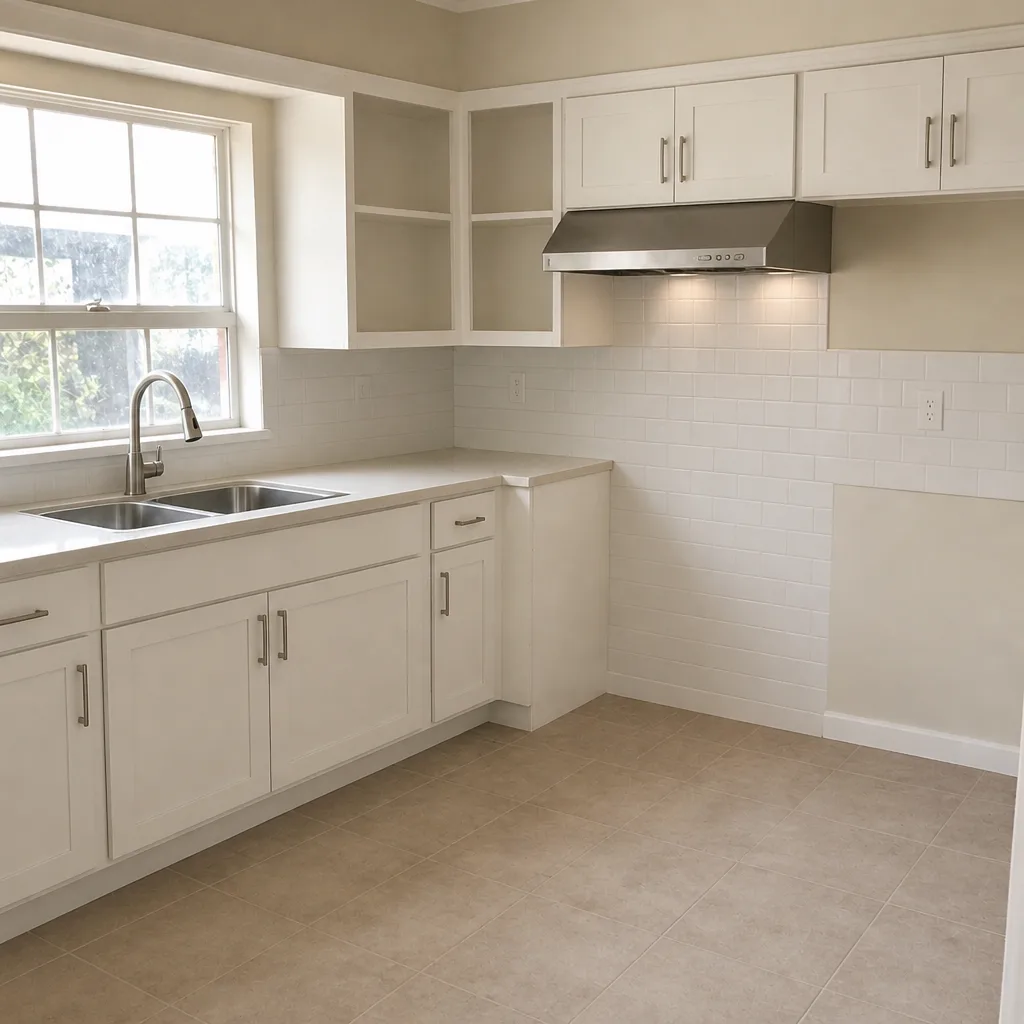
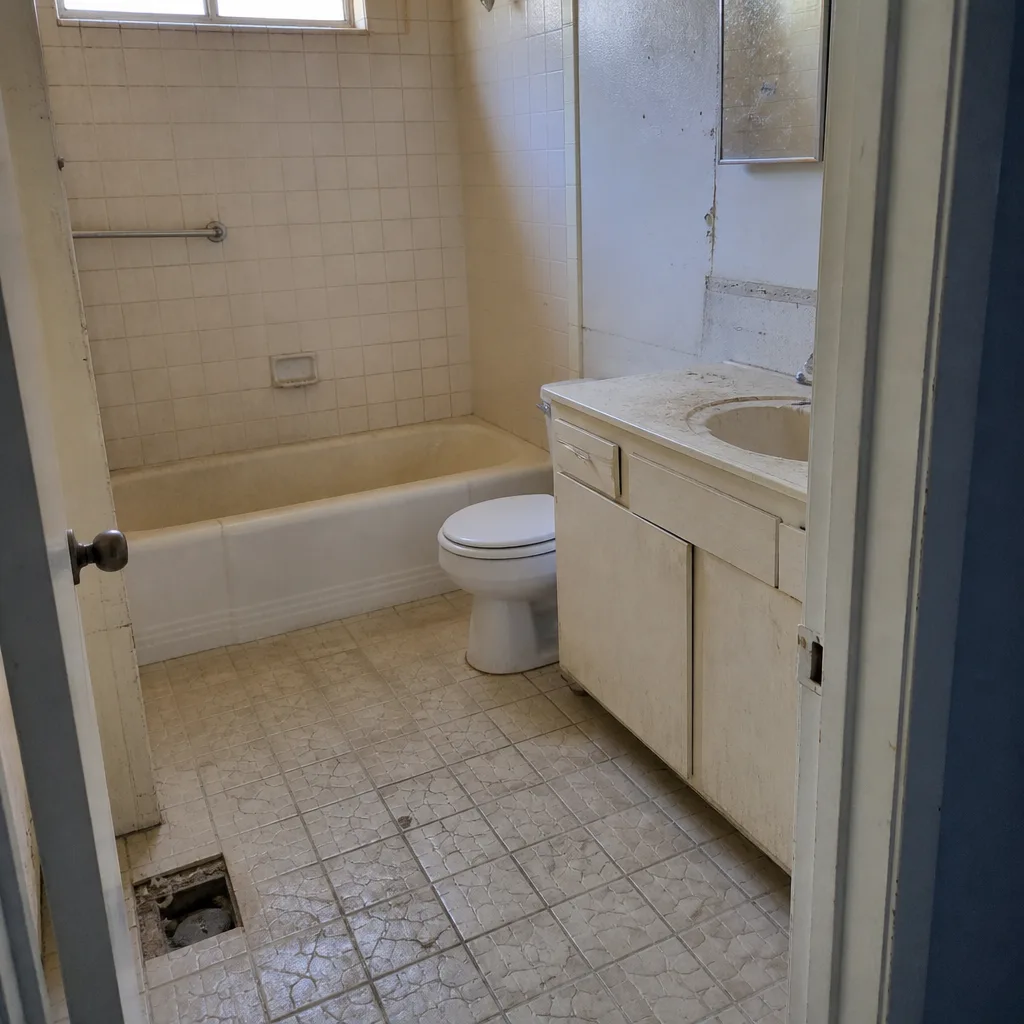
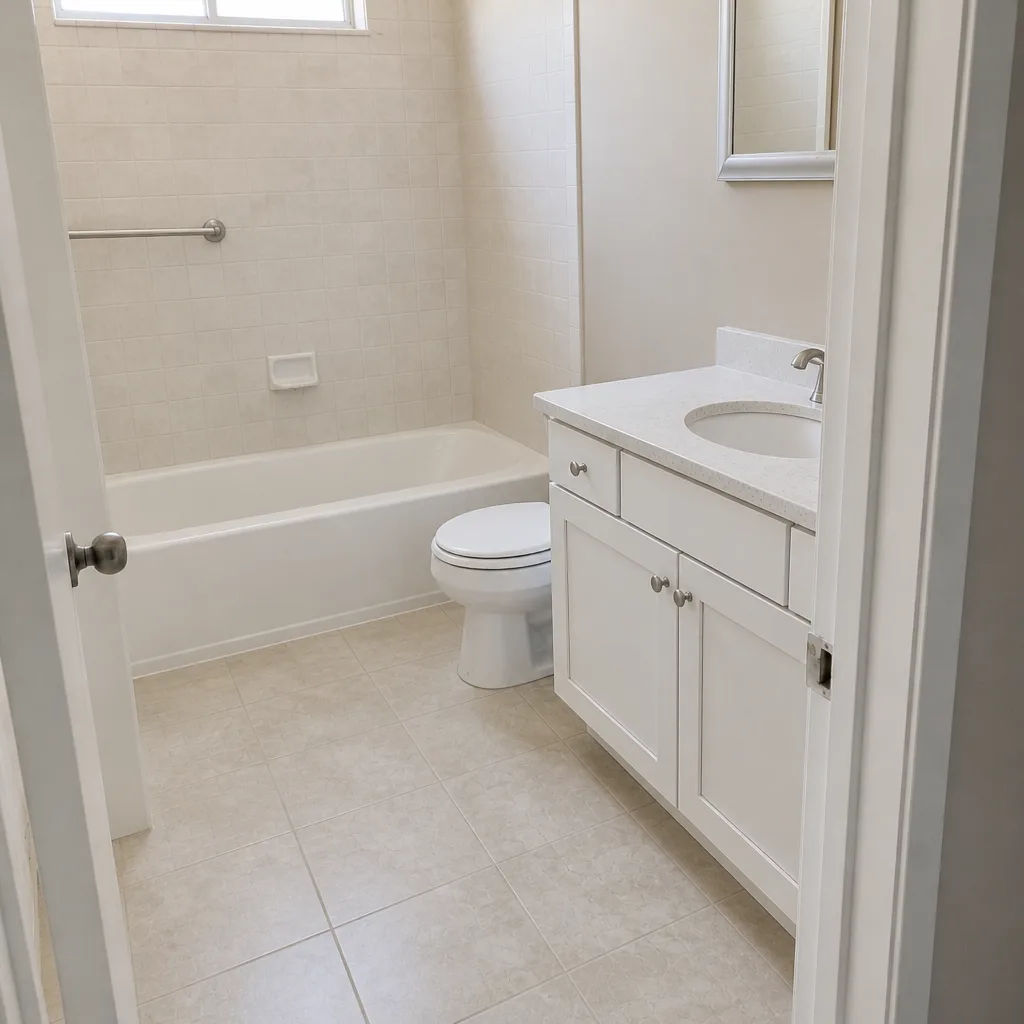
See the difference
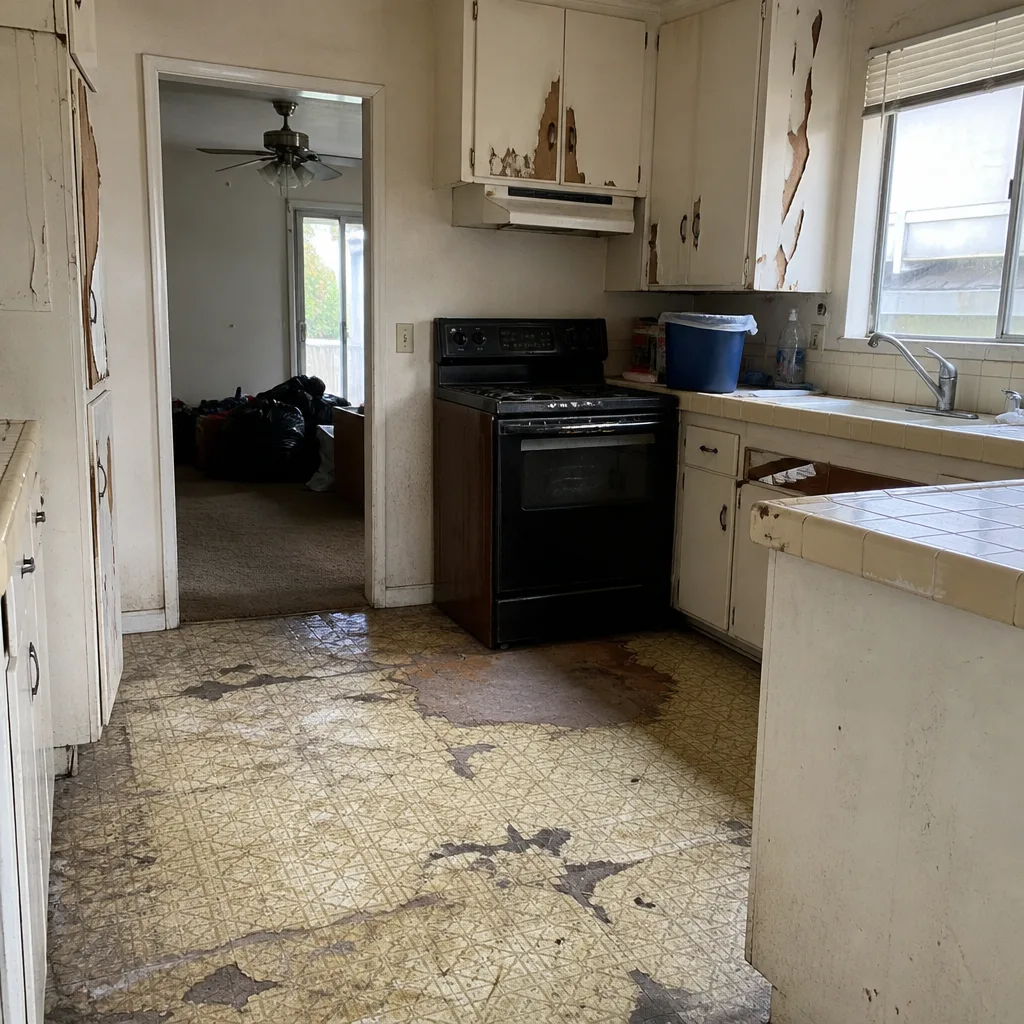 Before
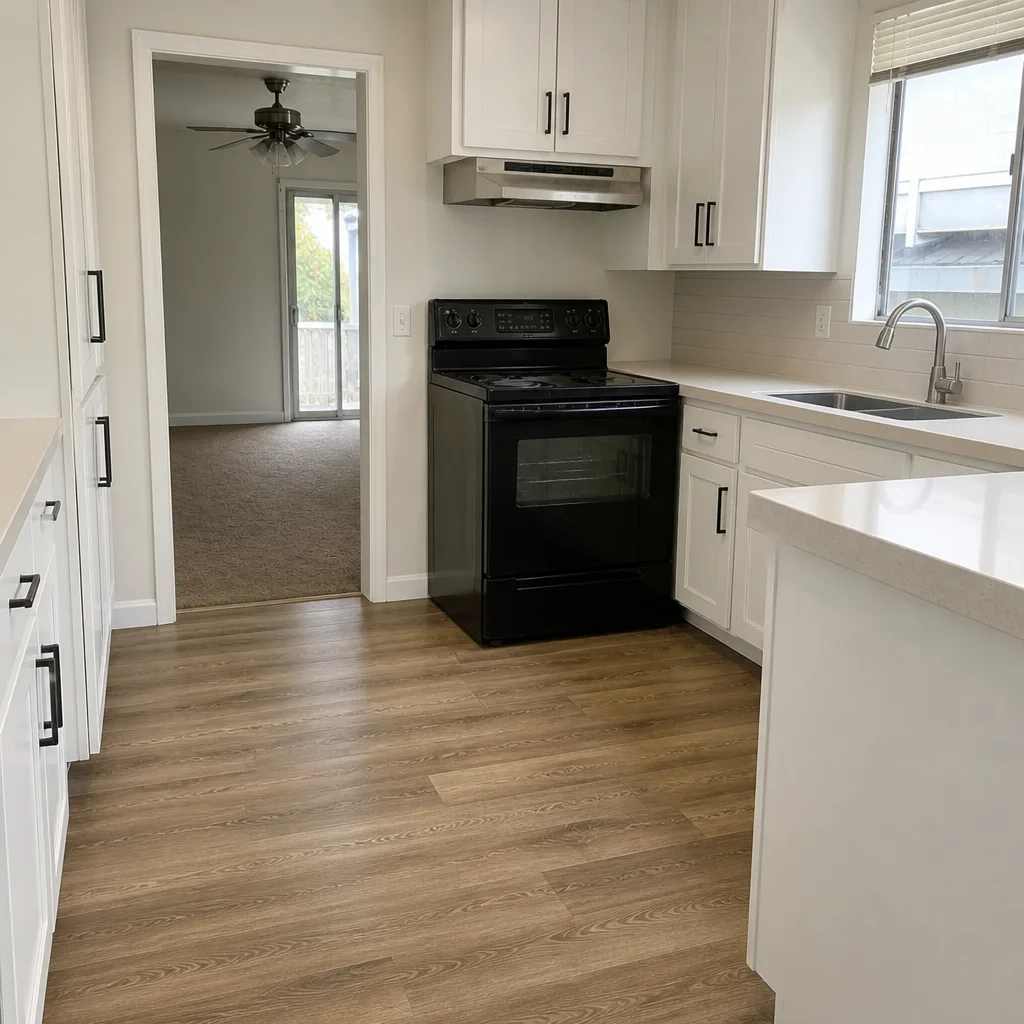 After
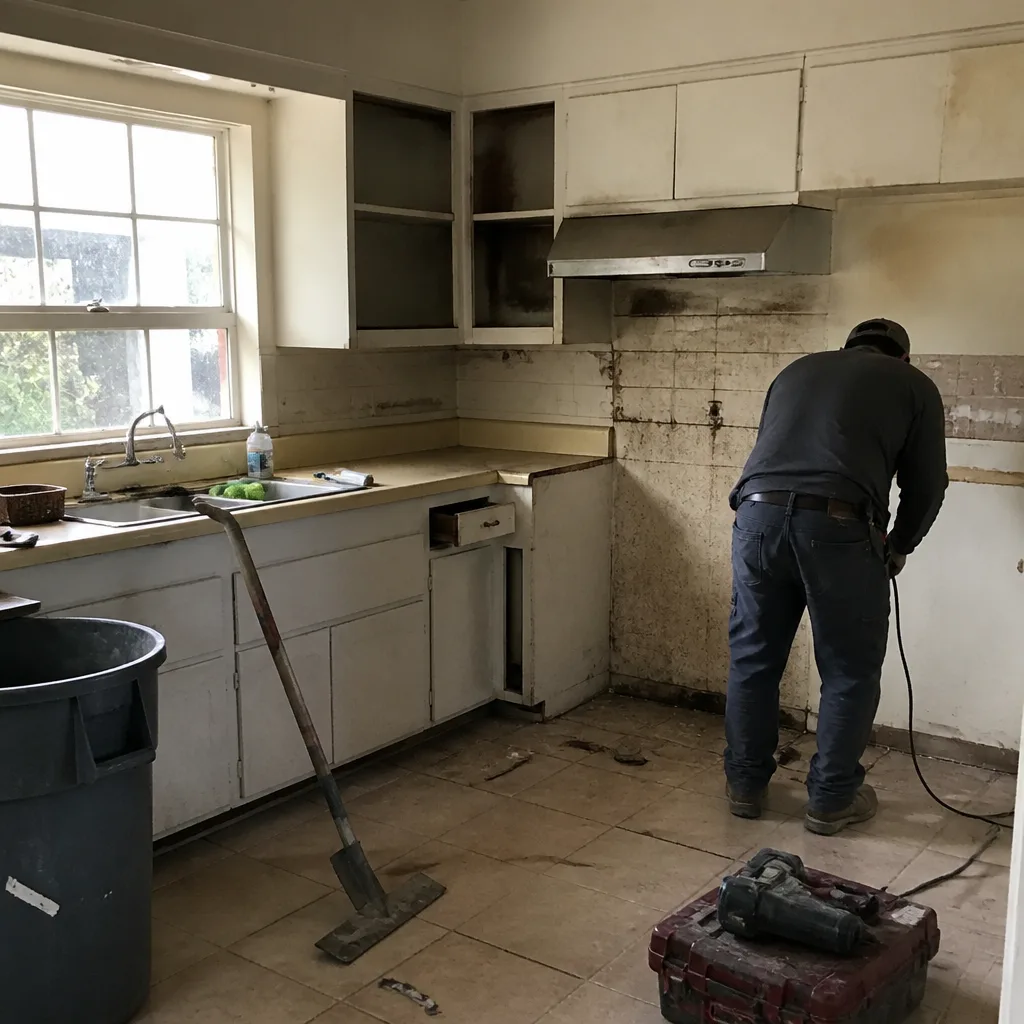 Before
 After
 Before
 After
When to Call a Professional
Call a professional contractor when your project has stalled, when a defect won’t resolve through the original crew, or when you’re facing an unsigned scope dispute and need an honest read on what remains. Also call if your contractor has abandoned the job, if an inspection fails, or if you’re unsure whether a defect is cosmetic or code-level. These are exactly the moments where a second written opinion protects your money. Bradford Remodeling Co Costa Mesa offers free estimates in Costa Mesa with a written price before any work starts, a documented scope, and a 365-Day Done Right Promise on completed work. Call (855) 659-2556. Background-checked, uniformed technicians arrive on every job, and a live person answers the phone 24/7.
Frequently Asked Questions

Send a written notice the same week, documenting the last date work was performed, what remains unfinished, and your request for a response. Certified mail with return receipt creates a record. Under California law, this cure notice is generally the first step before a CSLB complaint or small claims case. Call (855) 659-2556 if you want a written second opinion on the remaining scope.
You can withhold payment for material breach, not for cosmetic punch list items. Missing scope, failed inspection, or code failures justify withholding; paint touch-ups and hardware alignment don’t. Put the distinction in writing and separate the two lists. For Costa Mesa projects, a free estimate on the remaining work helps you price your damages. Call (855) 659-2556.
You generally have a set window to file, and you should send a written cure notice first and give the contractor a reasonable chance to respond. Keep your contract, change orders, payment records, and dated photos in one folder. CSLB investigators respond to organized records. Call (855) 659-2556 for a written scope review before you file.
Request the change in writing, decline to pay the disputed amount, and reference the contract’s change-order clause. Without a signed change order, your position is strong, especially if the work wasn’t described before it was performed. Pay only the undisputed balance. Call (855) 659-2556 for a free estimate and a written read on the scope dispute.
It’s weak on its own. Follow up every verbal promise with an email summarizing what was said and when, so it becomes part of the written record. In a CSLB or small claims proceeding, the dated email is what counts. Call (855) 659-2556 if you need a written assessment of the defect.
Ask for a line-item written price, a milestone-based draw schedule, and the warranty terms before signing. A by-the-book contractor produces these without being pushed. Bradford Remodeling Co Costa Mesa provides a written price before any work starts, and the 365-Day Done Right Promise carries on every completed project. Call (855) 659-2556 for a free estimate.
The Bottom Line
Most general contractor disputes are contract disputes wearing a construction hat. The homeowner who wins is the one with a written scope, a milestone draw schedule, dated photos, a certified cure notice in hand, and the discipline to separate a punch list scratch from a material breach. In Costa Mesa, the housing stock and the marine climate add their own risks, which makes the written record even more valuable. If you want a project built on those rules from the first day, Bradford Remodeling Co Costa Mesa puts every price and every guarantee in writing before a single tool comes out. Call (855) 659-2556 to schedule your free estimate.
Written by the team at Bradford Remodeling Co Costa Mesa.