Last updated November 18, 2026







Free written scope consultation - allowances, timeline, and change-order rules on paper before a single trade is scheduled
Home Remodeling Maintenance Schedule: What to Do and When
The grout sealer your tile contractor applied has a 12-month reapplication window. Miss it, and the lifetime warranty on the installation is often void – a clause buried in contracts most homeowners never read. That is the part nobody tells you when the crew pulls out of the driveway and hands you the keys. A maintenance schedule isn’t about keeping things pretty. It’s about protecting the warranty on work you already paid for. In this guide we’ll break the schedule down by trade instead of by season, mark which tasks are warranty-critical versus purely cosmetic, and hand you a sign-off log you can use if a claim ever comes up. We do this work across Costa Mesa, and the coastal climate here changes the timeline.
Quick Answer
A home remodeling maintenance schedule is a trade-by-trade calendar of the small recurring tasks that keep installed materials inside their manufacturer warranty windows. The critical ones run on fixed clocks: grout sealed every 12 months, exterior caulk inspected every 6 to 12 months, paint touched up before it fails, HVAC filters every 1 to 3 months. In coastal Costa Mesa, salt air shortens the caulk and exterior paint cycles by roughly a third compared with inland markets, so those tasks need to happen sooner, not later.
Styles & brands we work with
- Kitchen remodeling
- Bathroom remodeling
- Home additions & ADU
- Roofing
- Windows & doors
- Driveway & pavers
- Fence
Table of Contents
- Why a Maintenance Schedule Protects the Warranty on Work You Paid For
- Tile and Grout: The 12-Month Sealer Clock
- Caulk and Sealants: The Fastest-Failing Item in Coastal Costa Mesa
- Paint and Touch-Up: What the Contract Actually Means
- HVAC and Mechanical: Filters, Condensate, and the Annual Service
- Electrical: What a Homeowner Should and Shouldn’t Touch
- Storing Leftover Materials So They’re Usable in Year Two
- The Printable Maintenance Sign-Off Log
Why a Maintenance Schedule Protects the Warranty on Work You Paid For
Most remodeling warranties are written with maintenance conditions attached, and those conditions are rarely explained at handoff. A tile installation warranty assumes the grout stays sealed. A siding or exterior paint warranty assumes joints stay caulked and water stays out. Skip the task and the manufacturer – and often the installer – can decline the claim because the failure traces back to neglected upkeep, not defective work.
That distinction matters. A good contractor will correct work that fails on its own. The Bradford Remodeling Co Costa Mesa home page sets out the 365-Day Done Right Promise: every completed project carries a full-year written guarantee, and if the work fails inside that window we come back and correct it at no charge. But a warranty corrects failures in the work, not failures caused by a missed sealer window three years down the line. Getting the maintenance right is how you keep both warranties alive.
Here’s the framework we give every homeowner at project close:
- Warranty-critical tasks – anything that, if skipped, gives a manufacturer grounds to deny a claim. Grout sealing, caulk replacement, roof and flashing inspection, HVAC service.
- Cosmetic tasks – nail pops, scuffs, faded trim. Worth doing, but nothing gets voided if you’re late.
- Safety tasks – GFCI testing, smoke and CO detector checks, dryer vent cleaning. Not warranty items, but non-negotiable.
The schedule below walks each trade on its own clock, because a tile floor and an HVAC system don’t fail on the same timeline. If you’re planning a larger project and want the maintenance plan built in from day one, our General Contractor in Costa Mesa service is where that starts.
Tile and Grout: The 12-Month Sealer Clock
Cement-based grout is porous. The sealer applied at installation buys you protection, not permanence. Most penetrating sealers on the market carry a 12-to-24-month service life, and the manufacturer warranties on tile and setting materials assume the surface stays sealed. That makes reapplication one of the clearest warranty-critical tasks on the whole schedule.
What we see in Costa Mesa bathrooms and kitchens: shower floors and backsplashes need resealing every 12 months on the nose, while floor tile in low-traffic areas can stretch to 24 months if it’s been well maintained. Coastal humidity keeps grout lines slightly damper than inland, so we lean toward the shorter end.
How to run the annual check:
- Drip a few drops of water onto a grout line in a corner. If it beads up, the sealer is holding. If it soaks in and darkens the grout, it’s time to reseal.
- Clean the grout with a pH-neutral cleaner – never vinegar or an acid product, which eats cement-based grout.
- Let it dry 24 hours.
- Apply a penetrating sealer with a small foam brush, wipe the excess off tile faces within 10 minutes, and let it cure per the label.
- Log the date in your sign-off sheet.
If you’re remodeling a bathroom and want the initial sealing done right so the 12-month clock starts clean, our Bathroom Remodeling in Costa Mesa page covers how we handle substrate, waterproofing, and finish schedules. Grout cracks wider than a hairline – or any soft, crumbling grout – is not a sealer problem. That’s a call to a professional, because the cause is usually movement or moisture behind the tile.
Caulk and Sealants: The Fastest-Failing Item in Coastal Costa Mesa
Salt air is hard on sealants. The sodium chloride in coastal air attacks the polymer binders in caulk and breaks them down faster than the inland sun alone would. Around Costa Mesa, we see exterior caulk joints at window perimeters, door frames, and siding seams start to crack and pull away in 6 to 9 months on west- and south-facing walls, versus 12 to 18 months for the same product a few miles inland. Interior caulk at tub surrounds and backsplashes runs a bit slower, but a bathroom with daily shower use will still want a look every 12 months.
This is warranty-critical for a plain reason: water is the number one cause of the failures warranties exclude. A failed caulk joint lets water into a wall cavity behind siding or a shower surround, and by the time you see a stain, the damage is inside the assembly. When we install windows and doors from manufacturers like ES Windows and Mr-Glass, the perimeter seal is part of the system. Fail it and the warranty conversation gets complicated.
The annual caulk walk:
- Run a finger along every exterior joint. Any caulk that’s cracked, gapping, or peeling off cleanly needs to come out.
- Pull old caulk with a plastic scraper – a metal one gouges the substrate.
- Clean and dry the joint completely before anything goes back in.
- Use a paintable exterior-grade sealant for painted surfaces, and a mildew-resistant kitchen-and-bath product inside.
- Check again after the first fall rain. That’s when a bad joint shows itself.
Re-caulking a whole exterior elevation is a half-day job for most Costa Mesa homes. We’d rather see it on your calendar every year than in a repair estimate two years from now.
Paint and Touch-Up: What the Contract Actually Means
“Touch-up paint included” means different things depending on the contract, and it’s worth knowing which one you signed. In most cases it means the contractor returns once, usually within 30 to 90 days, to fix nail pops, hairline cracks at seams, and areas where the finish didn’t fully cure – the settling that happens after drywall and trim have lived through a season. It does not mean repainting your living room in year three because the color faded. Read the line item and ask before you sign, not after.
Touch-up also only works if you kept the paint. Custom colors are mixed to a batch, and a can of the same formula two years later can lay down a shade or two off. Keep a labeled quart of each color used – walls, ceilings, trim, doors – and store it somewhere that stays above 50°F and out of direct sun. Paint that freezes or bakes separates and never mixes back right.
Exterior paint in Costa Mesa runs a shorter cycle than most of the country. Salt air and UV combine to chalk and fade south- and west-facing paint faster; expect to inspect for cracking and chalking at the 5-to-7-year mark on those elevations, versus 8 to 10 years inland. James Hardie siding itself is engineered to hold color longer than that, but the paint film still needs eyeballing each spring. Cracks, blistering, and bare patches that let moisture in are the ones that matter for warranty.
Kitchen paint in particular takes a beating from steam and grease. If you’re planning a kitchen refresh and want the finish schedule squared away from the start, our Kitchen Remodeling in Costa Mesa service lays out cabinet and wall finish options with the manufacturer specs attached.
HVAC and Mechanical: Filters, Condensate, and the Annual Service
An HVAC system installed during a remodel carries a manufacturer warranty, and that warranty almost always requires documented annual service by a qualified technician. Skip the service and the compressor failure in year four becomes your bill. This is one of the most commonly voided warranties we see, because nobody explains it at handoff.
The homeowner-side tasks are simple and frequent:
- Change or wash the air filter every 1 to 3 months. In Costa Mesa, a home near the coast with windows open often needs it on the shorter end.
- Clear debris from the outdoor condenser unit and keep a foot of clearance around it. Salt air corrodes condenser coils from the outside in – rinse the coil gently with a hose a couple times a year.
- Check the condensate drain line monthly during cooling season. A clogged line shuts the system down and can overflow into the ceiling below the air handler.
- Schedule professional service once a year. Keep the invoice – that’s your warranty paperwork.
Tankless water heaters and gas appliances have their own manufacturer service intervals – usually annual. Gas lines and gas appliance connections are not a homeowner maintenance item. A qualified technician handles any gas-side inspection or repair; that’s a hard line, and we don’t blur it.
Electrical: What a Homeowner Should and Shouldn’t Touch
Electrical maintenance for a homeowner is a short list, and it’s about testing, not tinkering. Press the TEST button on each GFCI outlet (kitchen, bathrooms, garage, exterior) once a month and reset it. Test smoke and CO detectors monthly and replace batteries yearly. That’s it for hands-on work.
Everything else belongs to a licensed electrician. Flickering lights, warm outlet covers, breakers that trip repeatedly, a panel that buzzes, or any burning smell near a switch – those are calls, not DIY projects. We say this plainly because a homeowner with a screwdriver inside a live panel is how people get hurt. When we finish a whole-home remodel, panel capacity is one of the first things we spec, and if the panel needs replacing, that’s an electrician’s job done to code with a permit.
One maintenance item coastal homeowners miss: exterior outlets and fixtures. Salt air corrodes the contacts and the cover gaskets, so check them each year for corrosion and replace any cover that’s cracked and letting water in. A $6 cover is cheaper than a GFCI replacement and a lot cheaper than a shock.
Storing Leftover Materials So They’re Usable in Year Two
The single biggest reason a touch-up goes wrong is bad storage of leftover materials. When we close a project, we hand the homeowner a labeled box – and the way they store it decides whether it’s usable at the 12-month mark.
- Paint: Seal the lid with plastic wrap under the rim, store indoors above 50°F, upside down if you want a better seal. Label with color name, finish sheen, and room.
- Grout: Keep dry grout in its original bag, inside a sealed bucket. Humidity from a garage or a coastal crawl space will harden it. One year is a realistic shelf life.
- Caulk: Keep tubes sealed in a zip-top bag. Most last 12 to 24 months if kept cool and out of the sun.
- Tile: Keep a full spare box if the install had 10% overage. Saves a whole color-match hunt if a tile cracks later.
- Trim and cabinet touch-up: Keep factory touch-up pens and sticks for KraftMaid and Wellborn cabinetry with the box. They don’t age out the way paint does.
The Printable Maintenance Sign-Off Log
A one-page log is what turns a schedule into proof. If a warranty claim ever comes up, having a dated record of the tasks you performed moves the conversation from “you must have neglected it” to “here’s the receipt.” This is the same discipline we apply to our own work: the 365-Day Done Right Promise is a written guarantee in your hand at job close, and the maintenance log is the other half of that record-keeping.
Copy this format into a notebook or a spreadsheet, one row per task:
- Task – grout reseal, exterior caulk inspection, HVAC service, filter change, etc.
- Date performed
- Product used – brand and product name, when you reseal or re-caulk
- Warranty window – the interval the manufacturer specifies
- Next due date
- Invoice or receipt attached – for any work done by a professional
Keep the log with the original project file – the contract, the spec sheet, and the signed guarantee. When we hand over a completed project, everything a homeowner needs to maintain the warranty lives in one folder, and that’s deliberate. A contractor who won’t give you the paper trail isn’t doing the job the way the Bathroom Remodeling in Costa Mesa page describes – squared away, with the specs documented.
Common Mistakes to Avoid
- Skipping the grout reseal because the floor looks fine. Sealer fails invisibly. By the time grout stains or darkens, moisture has already had a year to work in. The water-drop test takes 30 seconds.
- Using vinegar to clean grout. It’s the most common advice online and it’s wrong. Acid eats cement-based grout and strips sealer. pH-neutral cleaner, every time.
- Caulking over old caulk. New sealant won’t bond to old, cracked sealant – it peels within months. Remove the old layer completely first, especially on coastal-facing joints in Costa Mesa.
- Storing paint in the garage or shed. A Costa Mesa garage can swing hot enough to cook a paint can’s contents in a summer. Store indoors.
- Letting the HVAC service lapse because “it’s running fine.” The manufacturer warranty on the equipment requires documented annual service. A working unit is not the same as a covered unit.
- DIY electrical beyond testing GFCI and smoke detectors. Panels, wiring runs, and any gas appliance connection are professional work. This is a safety rule, not a suggestion.
- Losing the written guarantee and the spec sheet. A warranty claim needs the paperwork. Keep it with the maintenance log, not in a file cabinet somewhere.
See the difference
 Before
 After
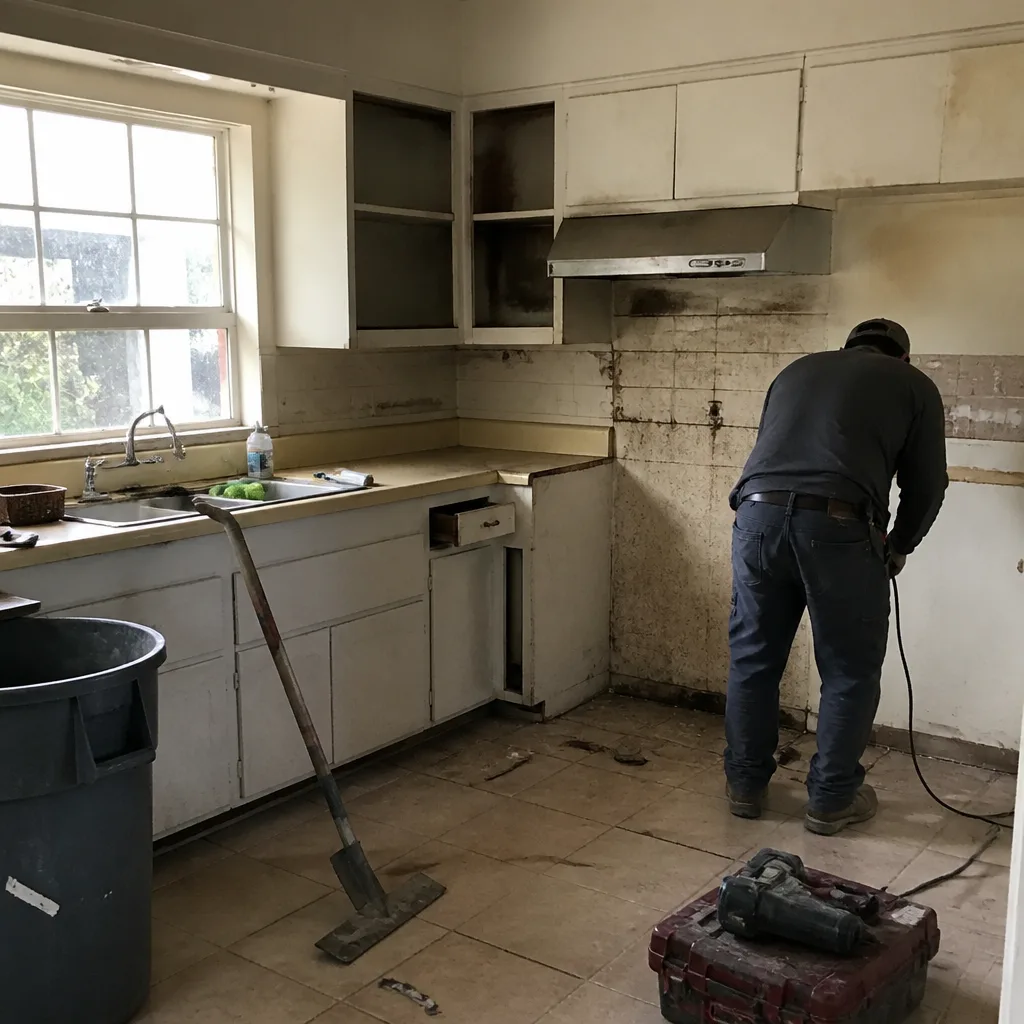 Before
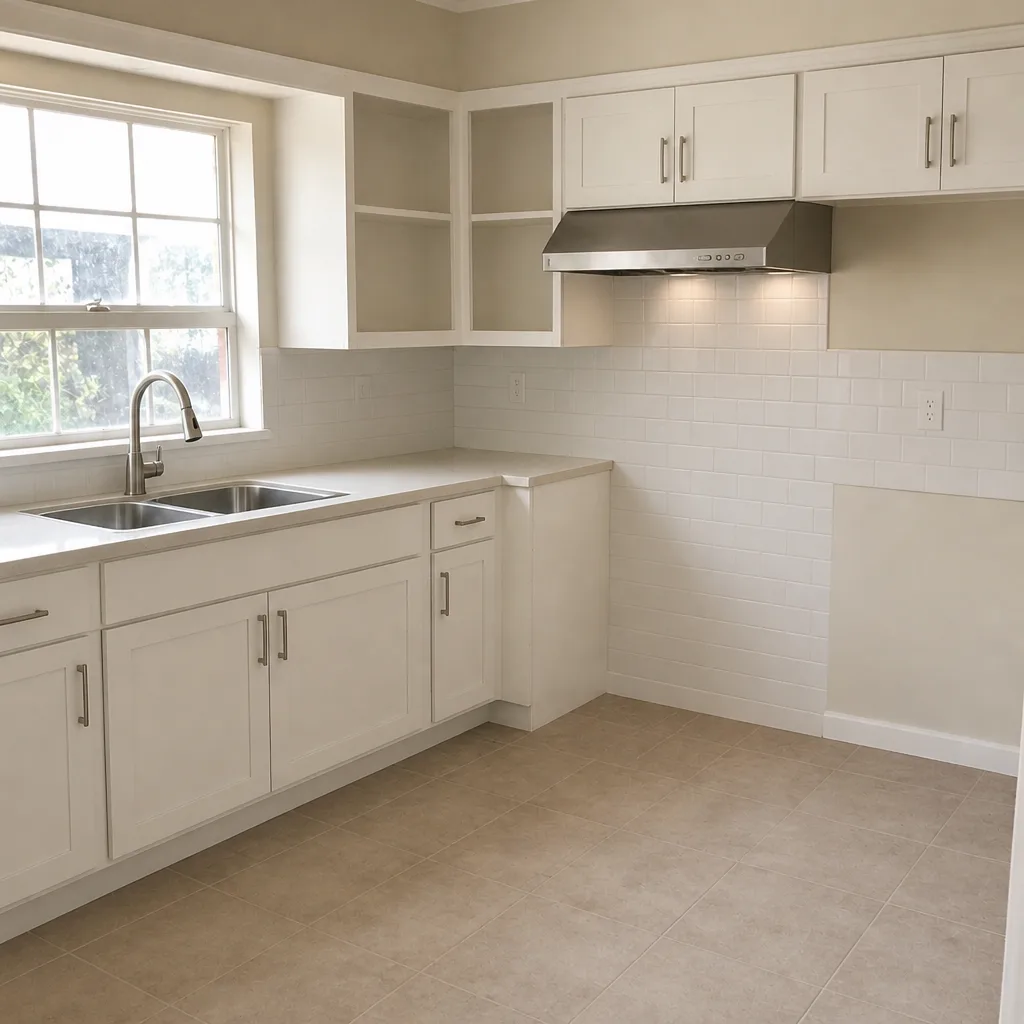 After
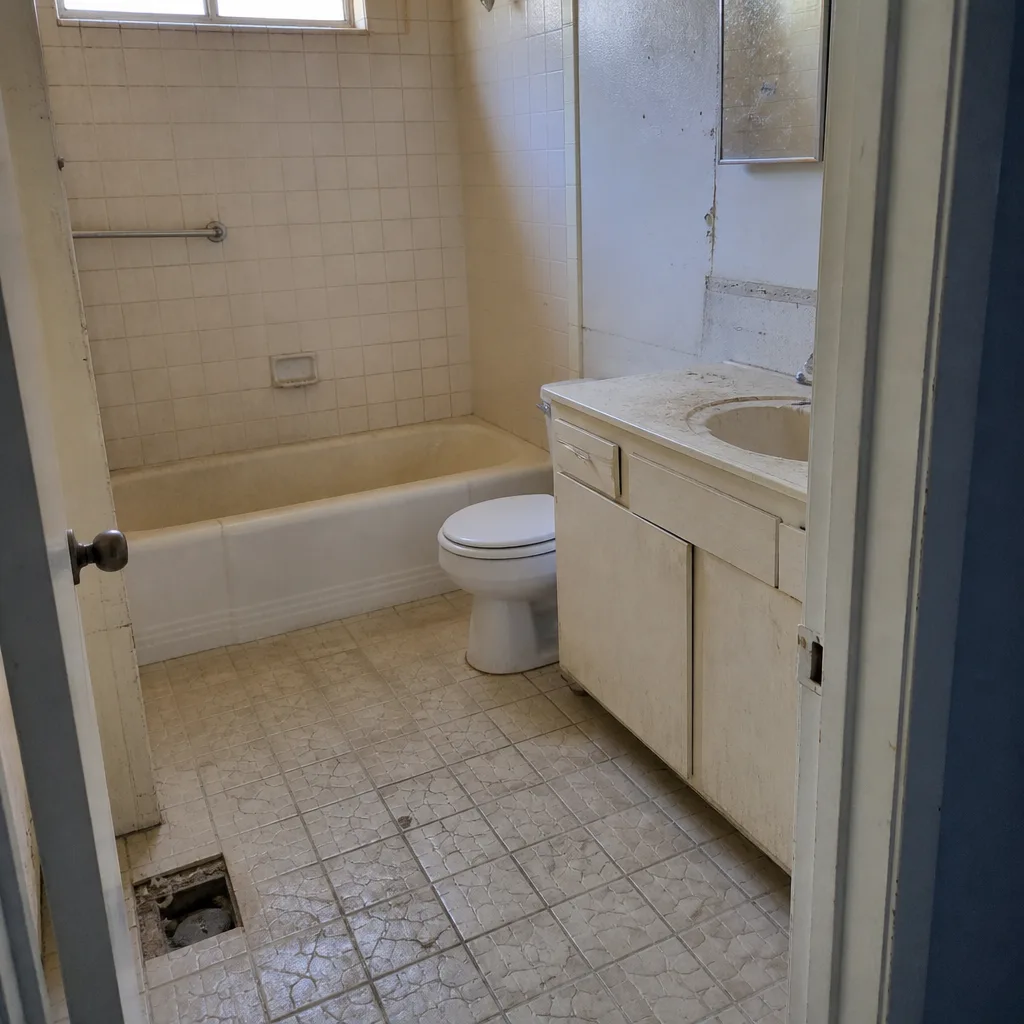 Before
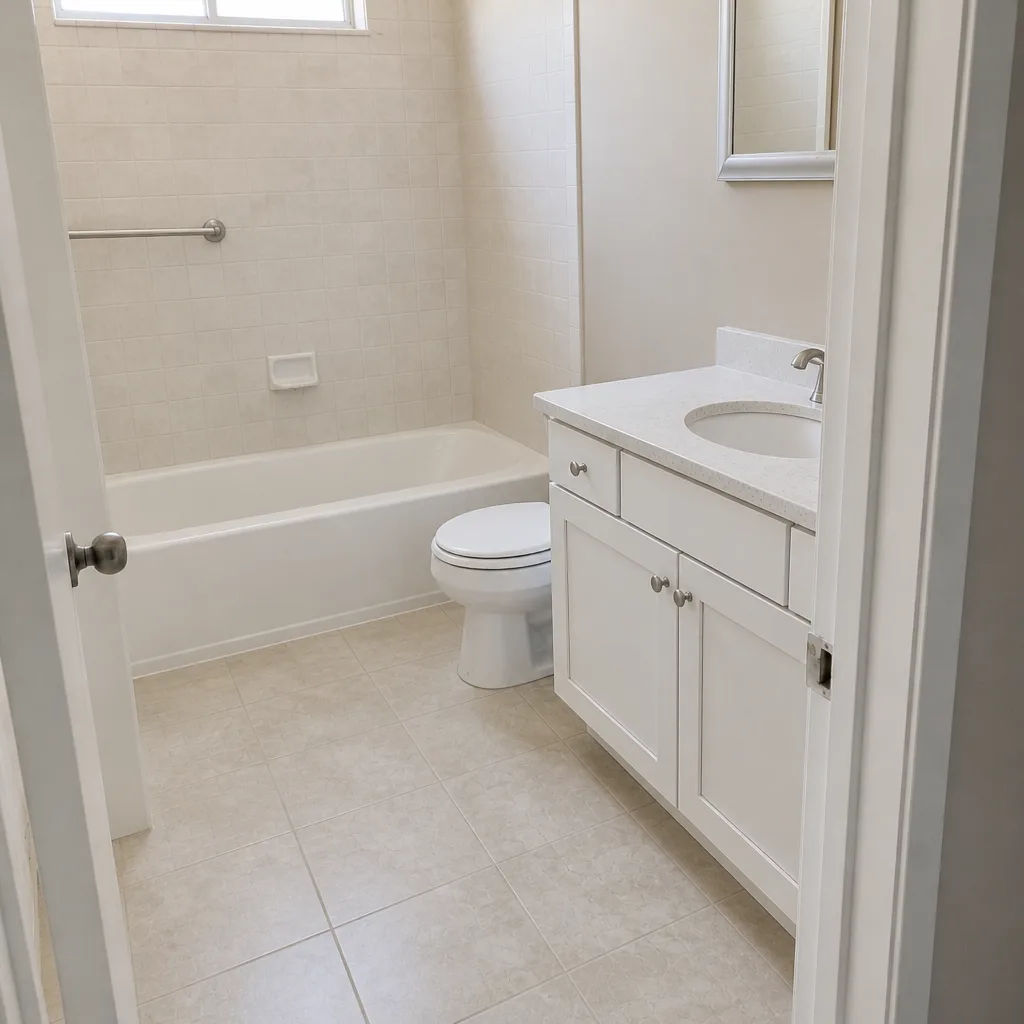 After
When to Call a Professional
Some maintenance is a homeowner’s job. Some of it is a call. Call a professional if grout is crumbling and soft, if a tile is loose or rocking underfoot, or if you see water staining on a ceiling or floor near a bathroom or window. Call for any caulk failure where you can see daylight, wood, or moisture behind the joint. Call for HVAC service (the annual service is a manufacturer requirement, and it’s not a homeowner task), for any gas appliance or line work, and for any electrical issue beyond testing a GFCI outlet. Call a roofer for flashing or roof-penetration problems – that’s height work and it’s not something we’d talk a homeowner through.
Bradford Remodeling Co Costa Mesa offers free estimates in Costa Mesa. If something on your list looks bigger than maintenance, call (855) 659-2556 and we’ll give you a written price range before any work starts.
Frequently Asked Questions

Every 12 months for shower floors, backsplashes, and high-use areas; every 18 to 24 months for floor tile in low-traffic rooms. Coastal humidity and daily shower use push toward the 12-month end. The manufacturer warranty on the tile and setting materials typically assumes this maintenance is performed, so it’s worth logging the date. Call (855) 659-2556 for a free estimate if the grout has already cracked.
Every 6 to 12 months, with the shorter interval on west- and south-facing walls. Salt air in coastal Costa Mesa breaks down sealant faster than the inland sun alone – we see exterior caulk joints fail in 6 to 9 months on the coast versus 12 to 18 miles inland. Check after the first fall rain as well; that’s when gapping shows up. If a whole elevation needs re-caulking, call (855) 659-2556 for a free estimate.
It can, yes. Most manufacturer warranties for tile, paint, caulk, and HVAC equipment run on the condition that specified maintenance is performed. The 365-Day Done Right Promise covers failures in the work for a full year regardless – if the work itself fails, we return and correct it at no charge. But maintenance tasks protect the manufacturer warranty that runs long after our year is up. Call (855) 659-2556 with any warranty question.
It means the contractor returns once – usually within 30 to 90 days – to fix nail pops, hairline cracks at seams, and areas where the finish didn’t fully cure. It does not mean repainting later for fading or wear. Read the specific line item before signing. If it’s unclear in your current project, call (855) 659-2556 and we’ll walk you through what our written scope includes.
Store paint indoors above 50°F with plastic wrap under the lid, labeled with color and room. Keep dry grout in a sealed bucket away from humidity – it has about a one-year shelf life. Caulk tubes last 12 to 24 months if kept cool and out of sun. Keep a spare box of tile. Call (855) 659-2556 if a color or product has been discontinued and you need a match.
Test GFCI outlets monthly and smoke/CO detectors monthly – replace detector batteries yearly. Everything else, including flickering lights, warm outlet covers, repeated breaker trips, and any panel work, is licensed electrician work. Never open a panel yourself. Call (855) 659-2556 if an electrical issue is tied to work we completed and we’ll help sort out next steps.
The Bottom Line
A maintenance schedule isn’t cosmetic upkeep. It’s the mechanism that keeps the warranties on your remodel alive long after the crew leaves. The warranty-critical tasks come down to four: grout resealed every 12 months, exterior caulk inspected every 6 to 12 months (sooner on the coast), exterior paint checked at the 5-to-7-year mark on sun- and salt-facing walls, and HVAC serviced annually with the invoice kept. Store leftover materials correctly, log every task with a date and product name, and file it with your written guarantee. That’s what squared away looks like – clean site, documented scope, a signed guarantee, and a record that backs it up.
If you’re planning a remodel in Costa Mesa and want a contractor who hands off a full maintenance file at job close, Bradford Remodeling Co Costa Mesa is a member of the Garrison Partners family, held to The Garrison Standard. Every project has a written price before any work starts, background-checked and uniformed technicians, and a live person answering the phone 24/7. Call (855) 659-2556 for a free estimate.
Written by the team at Bradford Remodeling Co Costa Mesa.