Last updated November 18, 2026




Free written scope consultation - allowances, timeline, and change-order rules on paper before a single trade is scheduled
How to Hire a Construction Contractor in Costa Mesa: A Step-by-Step Guide
California Business and Professions Code Section 7159 requires a written contract with specific mandatory elements for any home improvement job over $500. In our experience walking Costa Mesa homeowners through bids, fewer than one in five can name a single one of those required elements. That gap is exactly how surprise charges get buried in plain sight, and how a job that looked like an $18,000 kitchen remodel turns into a $31,000 argument. This guide isn’t about gut feeling or chemistry with a salesperson. It’s about paper: how to verify a license at the CSLB, what a compliant contract must say, and how to schedule payments so the contractor is never ahead of the work. Read it before you sign anything in Costa Mesa.
Quick Answer
Hiring a construction contractor in Costa Mesa means verifying the CSLB license, reading the bond and workers’ comp records rather than just the status badge, demanding a written contract that meets B&P Code 7159, and paying on a draw schedule tied to inspected milestones. The rule that protects you most: no money changes hands until the work it pays for is finished and inspected. Everything else in this guide supports that one principle.
Styles & brands we work with
- Kitchen remodeling
- Bathroom remodeling
- Home additions & ADU
- Roofing
- Windows & doors
- Driveway & pavers
- Fence
Table of Contents
- Step 1: Verify the License Beyond the Status Check
- Step 2: Read the Contract for B&P Code 7159 Compliance
- Step 3: Structure a Draw Schedule That Tracks the Work
- Step 4: Collect Lien Waivers at Every Payment
- Step 5: Three Walkthrough Questions That Reveal Real Experience
- What’s Different About Building in Costa Mesa
- Red Flags in a Bid
Step 1: Verify the CSLB License Beyond the Status Check
Almost every homeowner checks whether a contractor’s license is active and stops there. That’s the minimum, not the verification. A CSLB license lookup gives you three layers of information you need to read in full, and each one catches a different problem.
The license itself. Confirm the license class. A general building contractor holds a B license; a specialty license (C-10 electrical, C-36 plumbing, C-33 painting) covers only that trade. Installing a new kitchen circuit or running gas to a range under a B license alone is a problem worth a question. During your CSLB lookup, also check for any disciplinary actions and open or past complaints. The list can be short. Read it anyway.
The bond. California requires a $25,000 contractor’s bond for licensed contractors working on home improvement projects. That bond is the fund you can claim against if a licensed contractor takes your deposit and disappears. Under the CSLB’s requirements, the bond amount and the surety company are listed in the license record. If a contractor tells you they’re “bonded” but the record shows no active bond, walk away. A bond is not insurance, and it won’t pay for defective work, but it’s a critical layer of protection.
Workers’ comp. Any contractor with employees must carry workers’ compensation insurance, and their certificate appears in the CSLB record. If a crew member gets hurt on your property and the contractor isn’t insured, you could face a claim against your homeowner policy. Ask for a certificate of insurance dated within the last 30 days, naming you as the insured’s client, and confirm the policy is active before the first crew member shows up.
What to Ask for Before You Sign
- The CSLB license number, so you can look it up yourself (never take a screenshot as proof)
- A current certificate of general liability insurance with policy limits visible
- A current workers’ compensation certificate or a valid exemption on file
- The bond number and surety, confirmed against the CSLB record, not a business card
If any of those four items is missing or “on the way,” you don’t have a contractor yet. You have a quote from someone who hasn’t been screened. For a broader look at how we screen crews for jobs of all sizes, see our General Contractor in Costa Mesa page.
Step 2: Read the Contract for B&P Code 7159 Compliance
A compliant home improvement contract in California must include, at a minimum, a written description of the work, the materials and equipment, a start date and completion date, the total contract price, a payment schedule, the name and address of the contractor, and a notice of the right to cancel within three business days, among other terms. If a contractor hands you a one-page “proposal” with a total number and a signature line, that document is missing the legal machinery that protects you. The practical result: you have no written remedy when the job spirals.
Read the scope paragraph first and look for vagueness you can’t measure. “Replace kitchen cabinets” is not a scope. “Remove existing upper and lower cabinets, install KraftMaid birch cabinetry with soft-close hardware, 42-inch uppers, under-cabinet lighting tied to a dedicated switch” is a scope. The difference is enforceable. Here’s what we see good contracts deliver, and what a homeowner should demand:
- Itemized materials – brand names and model numbers, not “premium finishes.” A Kohler or Grohe fixture is a spec. “Designer faucet” is not.
- Start and substantial completion dates – not “TBD pending permit.”
- Draw schedule in dollars – we’ll cover this next.
- The change order process in writing – who signs, in what form, and by when. A change order signed on a hood of a truck is still a contract change; make sure yours has a form and a signed copy policy.
- Three-day right to cancel – a dated, separate notice for jobs above $500.
- The contractor’s name, address, and license number – the “DBA” that doesn’t match the license holder is a question, not a detail.
- Notice of lien exposure – a warning to the homeowner that materials suppliers can pursue them if the contractor doesn’t pay.
If a clause is missing, ask. If the contractor resists adding it, that resistance is the answer. A team that runs disciplined work will welcome the paper, because the paper protects them too. The Garrison Standard is built on this principle: a written price before any work begins, every time, with no numbers that move at the door.
Step 3: Structure a Draw Schedule That Tracks the Work
The single most effective protection against a bad contractor is a draw schedule where each payment is released only after a specific, verifiable milestone is complete and inspected by you. Not a calendar date. Not a week in the schedule. Completion of a scope item you can see. If the kitchen cabinets are in and level, that draw releases. If they’re stacked in the garage, it doesn’t.
Here’s a sample schedule for a mid-size Costa Mesa kitchen remodel, based on typical projects homeowners bring us in the $28,000-$65,000 range:
- Design and permit phase – $0 to 10% before demolition starts. Permit fees are paid directly to the city by you or reimbursed with a receipt, not run through the contractor’s account.
- Demolition and rough-in complete – 15% to 20%, released after rough plumbing and electrical pass inspection, not when the walls are open.
- Drywall, cabinetry, and surfaces complete – 25% to 35% at a defined point in installation.
- Fixtures, trim, and final punch list – 20% to 25% after you walk the punch list and sign off.
- Retainage – 10% held until the project is complete, the site is clean, and the written guarantee is in your hand.
The old California “10% down + progress payments” formula that contractors still quote is a floor in the law, not a target. Paying nothing for demolition complicates scheduling, but paying 50% up front for a job that may not start for six weeks is the risk you shouldn’t take. The right answer is a smaller, staged deposit with milestone draws behind it. If a contractor asks for more than 10% before work begins, hold firm or find the next bid. For how this plays out across a full-home scope, our Bathroom Remodeling in Costa Mesa page walks through the same structure on smaller jobs.
Step 4: Collect Lien Waivers at Every Payment
A mechanic’s lien is a legal claim against your property filed by a contractor or a supplier who hasn’t been paid for labor or materials on your job. The owner of record can end up facing a lien even after the contractor has been paid in full, if the contractor didn’t pass that money down to a lumberyard or a cabinetry fabricator. That’s how a homeowner who paid every invoice on time finds a lien on their title when they go to sell a Costa Mesa property.
The fix is a documented lien waiver at each draw. There are two kinds, and the difference matters:
- Conditional waiver – releases lien rights only after a specific payment clears. Use this at each draw, in the amount of the payment you’re about to make, signed before the check or wire goes out.
- Unconditional waiver – releases lien rights on payment already received. Use this at close-out and only after all payments are truly reconciled.
Ask your contractor to provide waiver forms that match the actual payees on the job, including any subcontractors or suppliers with a contract over $5,000. When you receive an unconditional waiver, it should list the payment amount and date in the body of the document; a blank form signed and handed over in advance is worthless. File every signed waiver in the same folder as the contract. That folder is what you show a buyer’s title company if a supplier ever files a claim, and it’s what dissolves the claim quietly.
Step 5: Three Walkthrough Questions That Reveal Real Experience
During a walkthrough, ask three specific questions and listen for the specificity of the answer. A contractor who has pulled permits in Costa Mesa before will answer without hesitation. A contractor guessing at the process will give you a general shape and a nervous glance. Here they are.
- “What submittals will the City of Costa Mesa require for this scope, and who prepares them?” A real answer names the specific drawings, the energy compliance forms (Title 24 on many remodels), and who signs them. A vague answer (“the city will tell us”) means they haven’t run this process many times.
- “How long does the plan check at City Hall typically take for a job this size, and what’s the timeline to first inspection?” An experienced contractor gives you a range tied to recent jobs, not a guess. In Costa Mesa, remodels that don’t require zoning relief often move through plan check faster than additions, and a contractor who’s run both should know the difference.
- “What’s the inspection sequence after rough-in, and who schedules them?” The correct answer names the trades (rough framing, rough electrical, rough plumbing, then drywall), the sequencing of those inspections, and the policy on who calls them in. A contractor who says “it’s all automatic” has never fought an inspection that failed.
None of these are trick questions. They’re the questions a job captain asks a subcontractor. The answers reveal whether your contractor has actually driven the permit process in Costa Mesa or is about to learn on your dime. See our Kitchen Remodeling in Costa Mesa page for the permit sequence on a typical kitchen scope.
What’s Different About Building in Costa Mesa
Costa Mesa is not a generic Southern California suburb, and a contractor who treats it like one will miss the details. The coastal marine layer pushes humidity into wall cavities along the west and southwest parts of town, which means vapor management and substrate selection matter more than they would ten miles inland. Homes near the bluffs and in the older neighborhoods off 19th Street run into salt air, which shortens the life of standard galvanized fasteners and pushes exterior hardware toward stainless or coated options. Farther inland, near South Coast Metro, sun exposure on west-facing walls drives up cooling load for upstairs rooms.
The city’s building division enforces the California Building Standards Code with local amendments, and Costa Mesa’s permitting portal runs through an online submittal system most established contractors navigate without friction. If a contractor says permits “aren’t really required” for a job that clearly touches structure, plumbing, or electrical, that’s your signal to move on. Pulling permits is not paperwork theater. It’s the mechanism by which the city inspects the work at the rough and final stages, and it’s the mechanism that lets you sell the home later without a buyer’s inspector flagging unpermitted work.
The other thing that’s different here: subcontractor availability. Costa Mesa’s remodel market is active, and a contractor who didn’t lock in your crew three weeks before your start date is at the mercy of the next job’s schedule. Ask yours how many active jobs they’re running and what happens when one falls behind. A clear answer is what a squared-away operation sounds like. For a broader view of what we deliver on full-home projects in this part of Orange County, see our Bradford Remodeling Co Costa Mesa home page.
Red Flags in a Bid
A bid that looks good on paper can still be a red flag. Here are the patterns we see most often in jobs homeowners ask us to salvage:
- Lump-sum bids with no breakout – you can’t check whether the number is fair, and you can’t audit a change order against it. A written price range on each line item gives the number teeth.
- A payment schedule tied to calendar dates, not milestones – “Due on 6/15” has no relationship to what’s actually been built. Tie everything to completed and inspected work.
- A bid that excludes permits “for now” – permits are the work. An excluded permit is an excluded inspection.
- No brand names on cabinetry or fixtures – if the contract says “premium finishes,” you’re accepting whatever arrives. A documented roster (KraftMaid, Wellborn, Cambria, Kohler, Moen, and similar) means the spec matches what gets installed.
- No written guarantee term – what happens if the tile fails in month six? If the contract is silent on that, you’re on your own.
- “We can start Monday” with nothing in writing – a start date is easy to say and hard to hold. Get it as a contract term with a substantial completion date behind it.
Common Mistakes to Avoid
- Paying the full deposit up front. A deposit over 10% before work starts is a warning sign, and a 50% deposit is a business loan you didn’t agree to make. Pay in milestone draws behind completed work.
- Hiring on the CSLB status page alone. An active license is the starting line. Read the bond, the insurance, and the complaints list, then ask for active certificates dated this month. The extra ten minutes saves months.
- Signing a proposal that doesn’t meet B&P Code 7159. A one-page quote with a number and a signature line is not a contract. If the document is missing the required elements, you have no written remedy when something goes wrong.
- Skipping lien waivers. A supplier can file a lien on your Costa Mesa property even after you’ve paid your contractor in full. Collect a conditional waiver at every draw, and an unconditional waiver at close-out.
- Assuming the permit is “handled.” Ask for the permit number, the project description as filed, and the inspection sequence. Unpermitted work in Costa Mesa is a title problem at resale, not just an inspection problem today.
- Hiring the lowest bid without a written scope to compare. Two bids are only comparable if they cover the same materials, the same square footage, the same fixture list. A lower number against a shorter scope is not a lower price.
- Choosing a contractor who won’t commit to a written guarantee. The 365-Day Done Right Promise is a written commitment. Ask your contractor what their guarantee covers, for how long, and what happens when the work fails inside that window.
See the difference
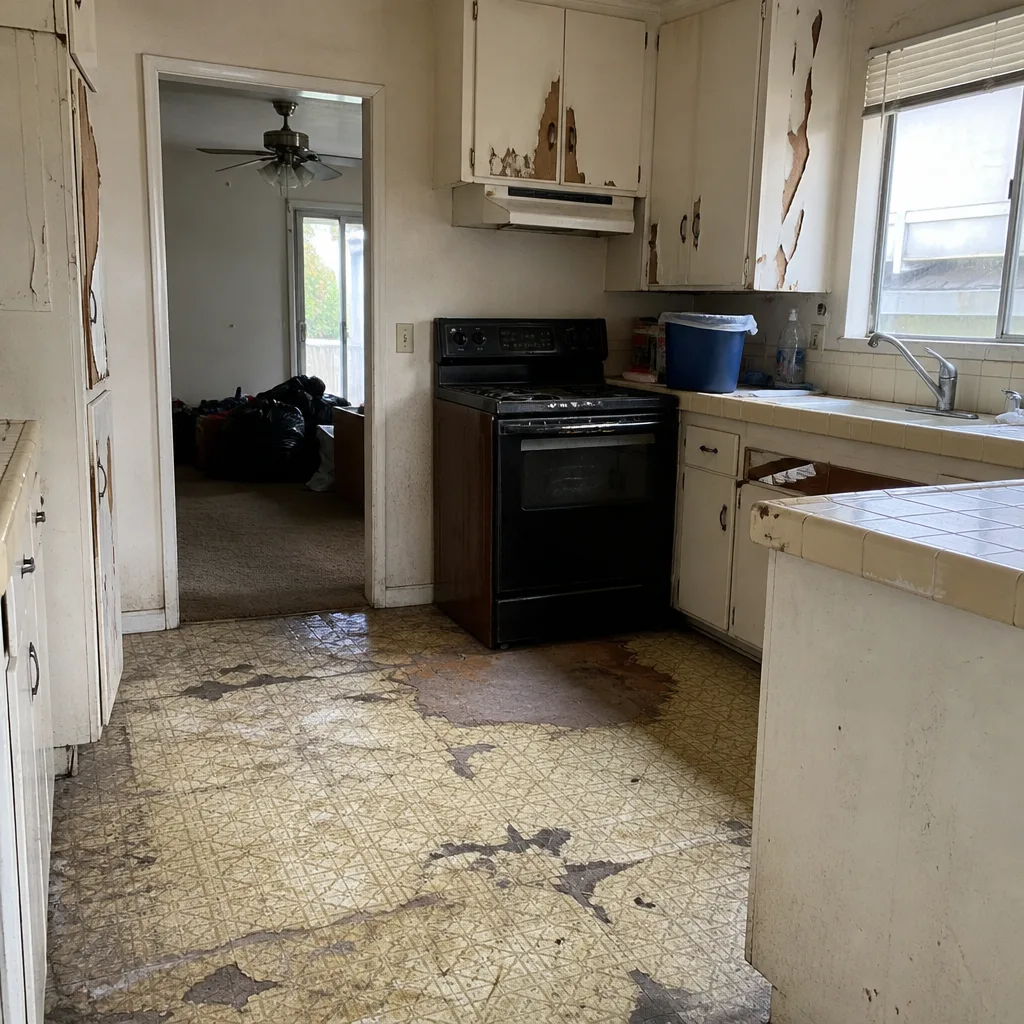 Before
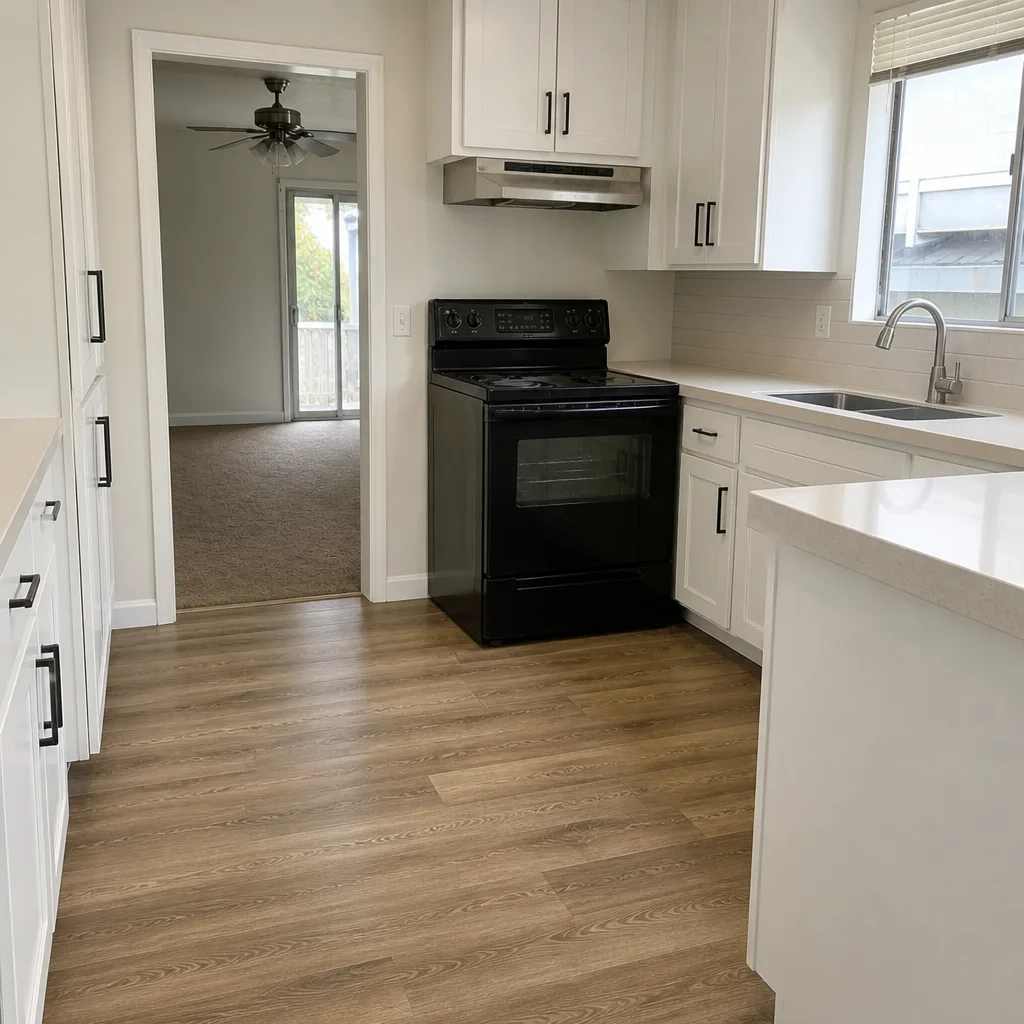 After
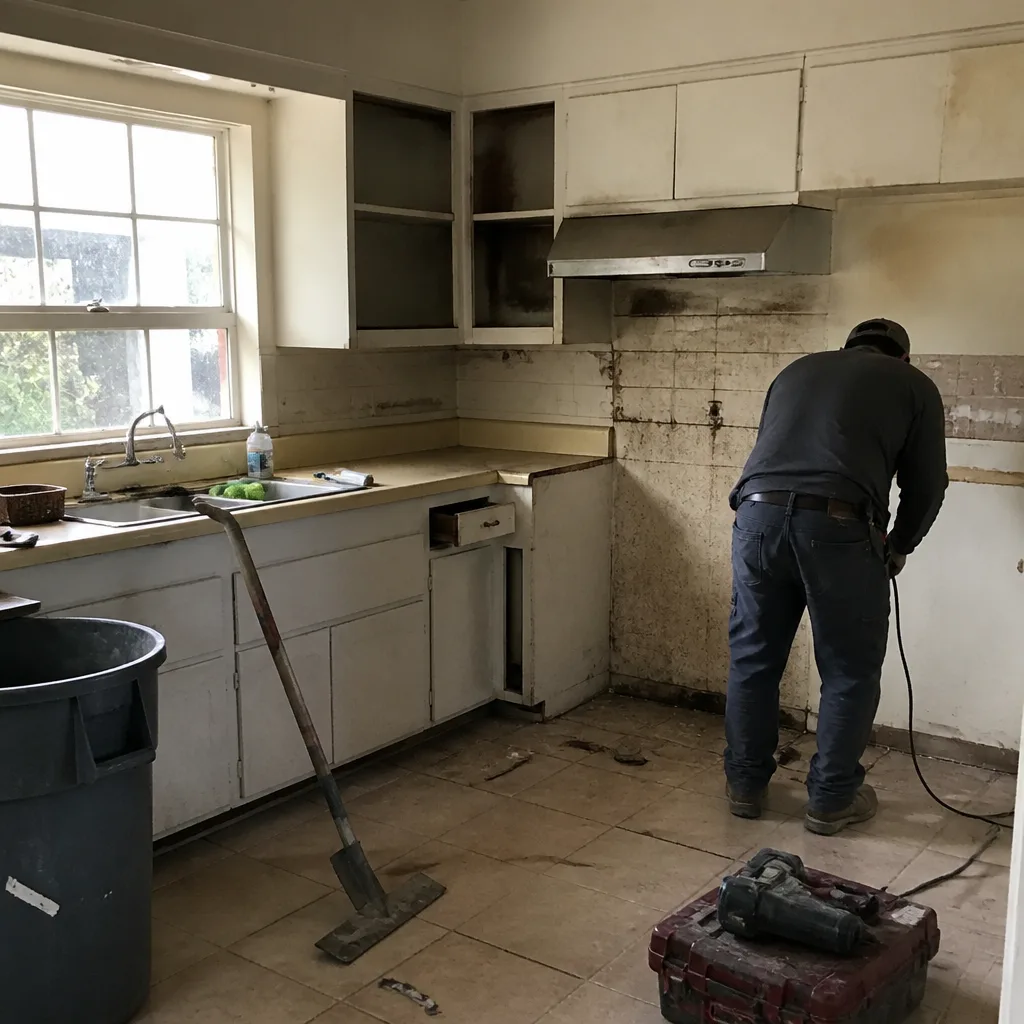 Before
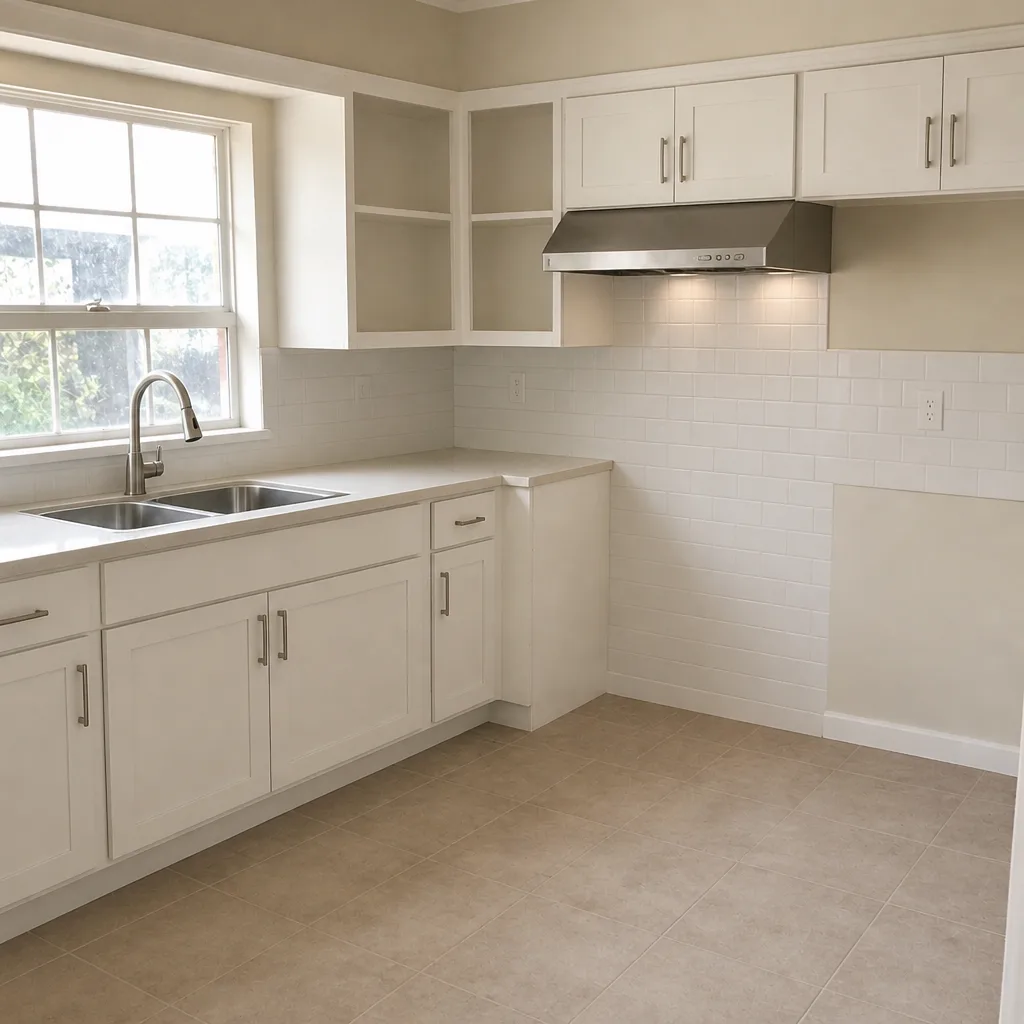 After
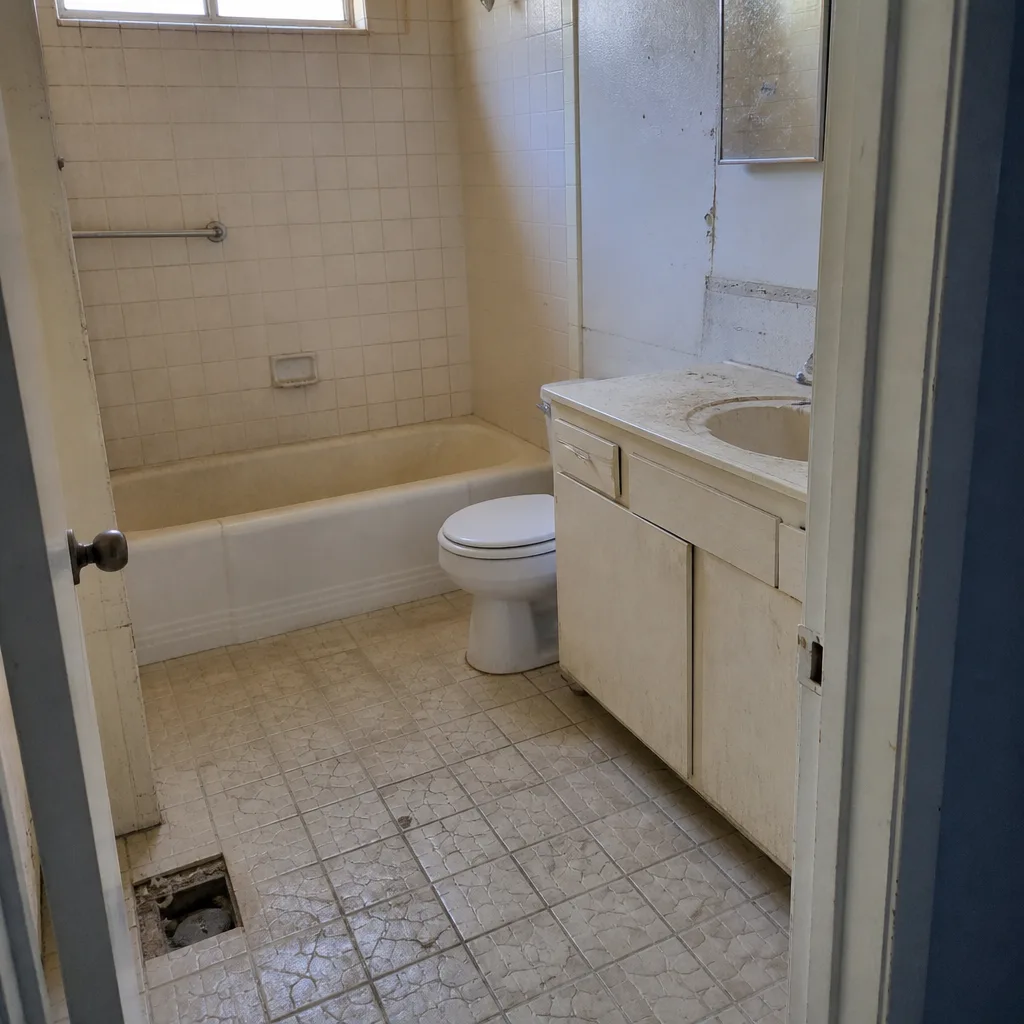 Before
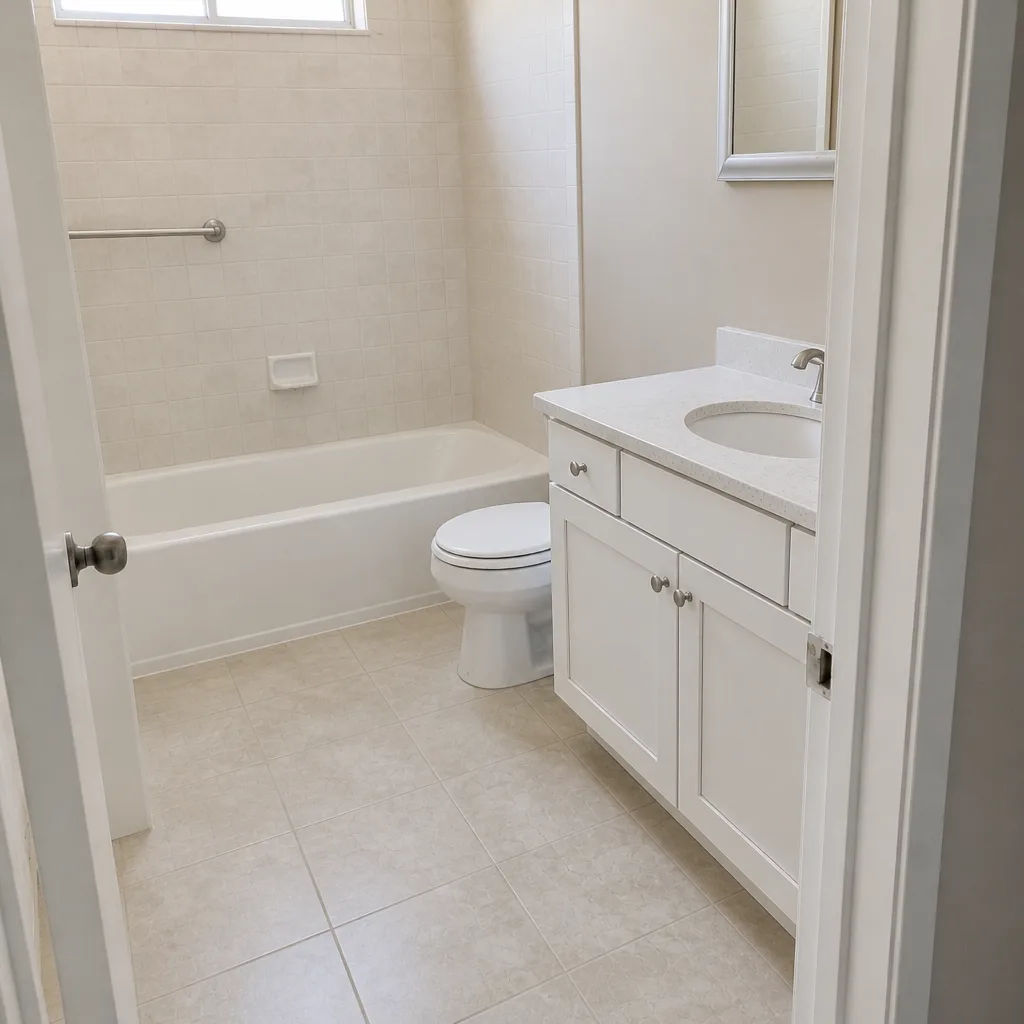 After
When to Call a Professional
Not every project requires a contractor, but some do, and calling attention to that line protects you. If the work touches gas lines, electrical panels, plumbing supply or drain lines behind walls, load-bearing structure, or any exterior envelope opening, the job is a licensed contractor’s job. Kitchen and bath remodels, additions, foundation work, and any scope touching the roof are all in that category. Cosmetic painting or hanging a shelf is not. When a job involves a gas cooktop relocation, an electrical subpanel, or new plumbing in a Costa Mesa home, structural risk is real and there are no shortcuts. Bradford Remodeling Co Costa Mesa offers free estimates in Costa Mesa and works from a written price before any tool comes out. Call (855) 659-2556 to schedule yours.
Frequently Asked Questions

Go to the CSLB website (cslb.ca.gov) and search by license number or business name, and don’t stop at the status page. Read three additional items: the license class (B for general building, or a specialty class), the bond amount and surety company, and the workers’ compensation insurance certificate. Pay particular attention to any open or past complaints. A status that says “active” is the starting line, not the finish. Call (855) 659-2556 for a free estimate from a contractor who’s happy to show you all of that.
Business and Professions Code Section 7159 requires a written contract for jobs over $500 that includes, among other items: a description of the work and materials, the contract price, a payment schedule, a start date and substantial completion date, the contractor’s name and address, the license number, a three-day right to cancel notice, and a notice of lien exposure. If any element is missing, ask for it to be added before you sign. A compliant contract protects you more than any handshake.
Pay in milestone-based draws, not calendar dates. A typical structure is a small deposit tied to the design and permit phase, then 15% to 20% when rough-in passes inspection, then 25% to 35% at cabinetry and surface installation, then 20% to 25% at final punch list, with 10% held as retainage until the project is complete and you have a signed written guarantee in hand. For projects in the $28,000-$65,000 range we see in Costa Mesa, that schedule keeps the contractor roughly even with completed work at all times. Call (855) 659-2556 for an exact quote; estimates are free.
A lien waiver is a document signed by a contractor or supplier releasing their right to file a mechanic’s lien on your property for a specific payment. Require a conditional waiver at every draw (it becomes effective only when that payment clears), and an unconditional waiver for payments already received at close-out. A blank unconditional waiver signed in advance is worthless. File every signed waiver alongside your contract.
Usually, yes. Any work that touches structure, plumbing, electrical, gas, or the building envelope in Costa Mesa requires a permit and city inspection at rough and final stages. Cosmetic work (paint, flooring over existing subfloor, trim) typically doesn’t. The permit is not paperwork; it’s the mechanism that produces inspected work you can stand behind at resale. If a contractor tells you a permit “isn’t really needed,” ask for the code section that supports that claim. If they can’t produce one, ask why.
It shouldn’t, if the scope is fully written and the materials are specified by brand and model. A written price before any work begins is the standard we work to, and it doesn’t move at the door. Real change occurs only through a signed change order, which is a scope change, not a price adjustment. If your contractor’s bid is vague enough that a change order is inevitable, ask for a revised written scope before signing. Call (855) 659-2556 for a free estimate and a written price you can compare against your other bids.
The Bottom Line
Hiring a contractor in Costa Mesa is a document review, not a trust exercise. Verify the license beyond the status check, read the contract for B&P Code 7159 compliance, structure draws behind completed and inspected work, collect lien waivers at every payment, and ask the three walkthrough questions that separate a contractor with local permit experience from one who’s guessing. The 365-Day Done Right Promise is what we put in writing to hold that standard on every project: if the work fails inside a year, we come back and correct it at no charge. If you’re ready to compare written scopes and prices, call (855) 659-2556 for a free estimate. A real person answers, day or night.
Written by the team at Bradford Remodeling Co Costa Mesa.