Last updated November 18, 2026







Free written scope consultation - allowances, timeline, and change-order rules on paper before a single trade is scheduled
Kitchen Remodeling Warning Signs Every Homeowner Should Know
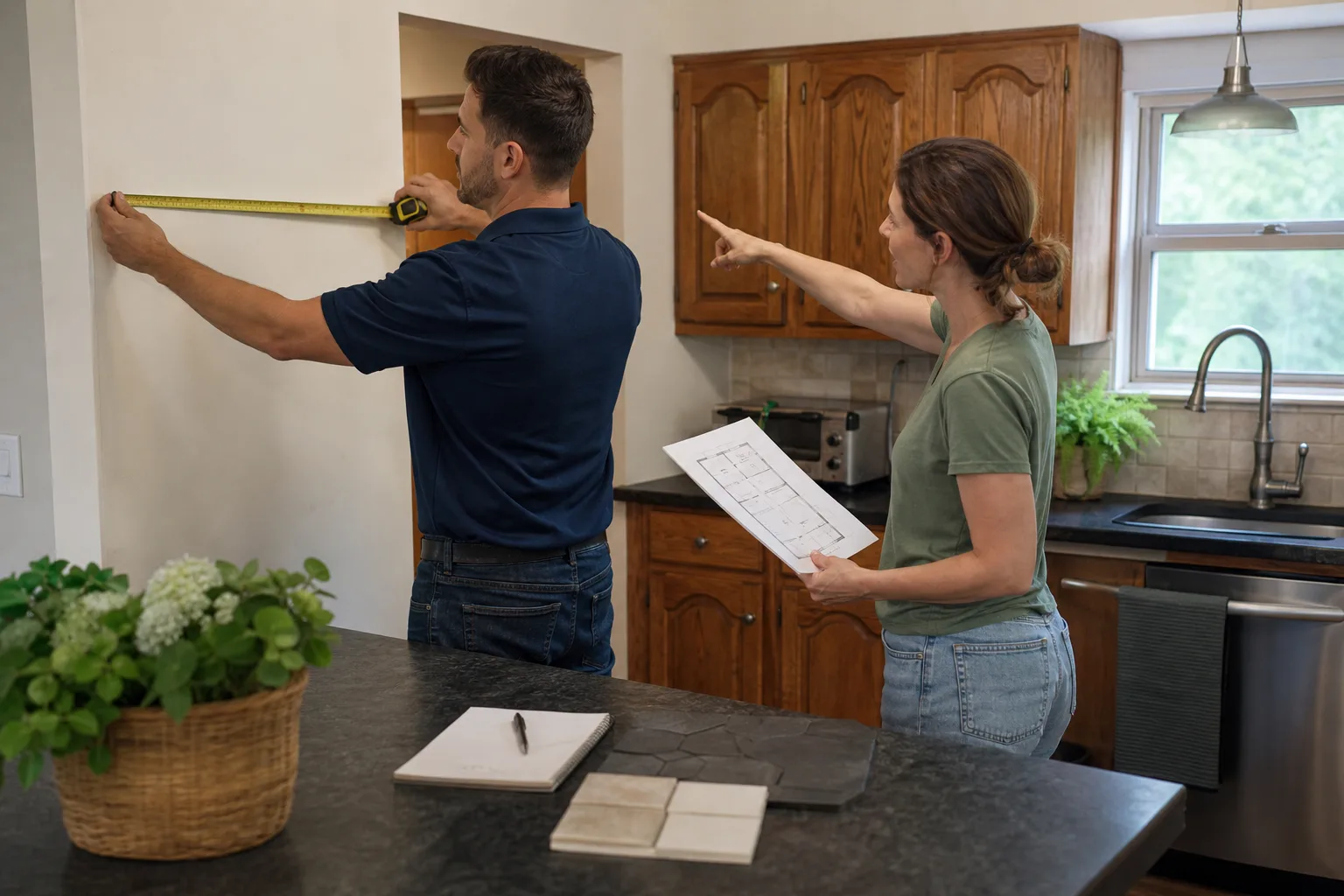
The most expensive kitchen remodeling warning sign isn’t a shoddy tile job or a crooked cabinet box. It’s a contractor who can’t tell you what permit number is on file before demo starts. We’ve watched homeowners in Costa Mesa hand over a deposit while the person across the table dodged a simple question about permits, and that single hesitation predicted everything that came after. This guide breaks down the specific warning signs that show up in the first 72 hours of a kitchen project, the exact contract language to watch for, and the week-by-week pattern that tells you a job is about to stall out. You’ll leave knowing how to test a bid before you sign it.
Quick Answer
The clearest warning signs of a bad kitchen remodeling contractor are a permit that can’t be produced on demand, a contract with undefined “allowances,” change-order clauses that don’t require your written approval, and a payment schedule that front-loads cash before milestones are met. On-site, watch for demo starting before a permit is posted and crews arriving with no staged materials list. These failures show up early, usually inside the first three days, and they’re the difference between catching a problem while it’s cheap and funding one to the end.
Styles & brands we work with
- Kitchen remodeling
- Bathroom remodeling
- Home additions & ADU
- Roofing
- Windows & doors
- Driveway & pavers
- Fence
Table of Contents
- The Permit Answer That Predicts Everything
- Contract Language That Should Stop You Cold
- What an Unlicensed Subcontractor Really Costs You in California
- On-Site Behavior in the First 72 Hours
- The Slow Disappear: How Overextended Contractors Fade Out
- What a Real Written Scope of Work Must Include
- How a Fair Payment Schedule Is Built
- When to Call a Professional
The Permit Answer That Predicts Everything
In California, a kitchen remodel that touches electrical, plumbing, or structural walls needs a permit. Full stop. When we ask a homeowner what permit number is on file for a project, the blank look tells the story. A contractor who runs a disciplined job knows that number the way they know their own name, because pulling the permit is step one, not an afterthought you get to in week two.
Here’s the test. Before you sign anything, ask: “What’s the permit status, and who’s pulling it?” You want a name, an application date, and eventually the posted card. If the answer is “we’ll handle it” or “it’s not really needed for what we’re doing,” you’ve just learned how the whole project will run. Permits aren’t paperwork theater in Costa Mesa. The city’s Building Division reviews plans against current code, and kitchen scope that adds a hood vent, moves a gas line, or reconfigures a load-bearing wall between rooms will pull in electrical, mechanical, and plumbing review.
Unpermitted work is the kind of problem that surfaces at resale, when a buyer’s inspector opens a wall and finds a junction box with no record behind it. Then you’re the one paying to legalize work someone else installed. That’s not a contractor warning sign anymore. It’s a title-and-appraisal problem with your name on it.
- Green flag: Permit number in hand, application filed, posted on the wall before demo day.
- Yellow flag: “We’ll pull it once we get started.” Fine for the first site visit, a problem by demo morning.
- Red flag: “You don’t need a permit for a cosmetic remodel.” Sometimes true, often a dodge that shifts liability to you.
For the full picture of how a properly sequenced kitchen job runs from plans through final inspection, our kitchen remodeling in Costa Mesa page walks through the stages in order.
Contract Language That Should Stop You Cold
Most of the trouble in a kitchen remodel is written into the contract before anyone picks up a hammer. The phrases below are common, but certain versions of them put you on the hook for money you never agreed to. Read the language twice.
“Allowances” Without Line-Item Specs
An allowance is a placeholder dollar figure for something not yet chosen, like tile or a faucet. The problem is a single number with no spec behind it. “$2,000 tile allowance” means nothing until it says what tile, from what line, at what square footage. Without that, you walk into a showroom and every option you actually like costs three times the number in the contract. Before signing, insist every allowance names a brand, product line, and quantity. Our own written-price commitment exists because a real range beats a mystery number every time.
Change-Order Clauses Without Written Homeowner Approval
A change order is how the scope legally grows mid-project, and it should require your signature, period. Watch for clauses that let the contractor bill “additional work as needed” or authorize verbal changes. That language is how a fixed price quietly becomes a moving target. The rule: no signature, no charge.
Payment Schedules Front-Loaded Before Milestone Completions
This is the biggest one. A schedule that asks for 50% down and another 25% at demolition is asking you to bankroll the project before it’s produced anything you can see. Money in front of work is money you can’t claw back. A fair schedule ties each payment to a completed, inspected milestone: demo done, rough-in signed off, cabinets set, countertops templated, final walkthrough passed.
If a bid asks you to wire a large deposit to start, ask what it’s buying. New cabinets in California run weeks out, and a contractor needs deposit money to order them, so some front money is normal. A deposit that swallows the labor budget before demo isn’t.
What an Unlicensed Subcontractor Really Costs You in California
Here’s the part most homeowners don’t know: when an unlicensed worker gets hurt on your property, your homeowner’s insurance may not cover the injury, and workers’ compensation coverage can fall back on the property owner. A licensed general contractor’s job should carry workers’ comp for the crew, and that protection doesn’t automatically reach an unlicensed helper someone brought in on the side.
California takes this seriously. The Contractors State License Board exists to pull licenses for exactly this kind of bait-and-switch, where a licensed GC bids the job and then hands the actual work to unlicensed subs. If you’re the owner and the injury happens on your site, you can end up in the middle of a dispute you never signed up for.
What to ask, in plain language:
- “Will every person on my job be covered by your workers’ comp policy?”
- “Who are your regular subcontractors for electrical and plumbing?” Licensed trades usually have their own license numbers. Ask for them.
- “Can I see your workers’ comp certificate?” A real operation produces it without a fuss.
Background-checked, uniformed technicians are how a disciplined outfit handles this. You know who’s walking through your door before they arrive, and every person on site should be someone the company can vouch for. That standard isn’t a sales pitch. It’s the difference between a jobsite and a liability.
On-Site Behavior in the First 72 Hours
The hands-on signs of a going-wrong job show up in the first three days, long before you’ve spent the money. Demo is the loud part, so it’s easy to miss the quiet failures happening around it.
- No staged materials list. A squared-away crew has the sequence written down: what arrives when, where it’s stored, what gets installed after what. A crew that shows up with nothing but a demo hammer and a truck full of hope is winging it.
- Demo before the permit is posted. The permit card goes on the wall before the first cabinet comes out. No card, no demo. This one rule catches a lot.
- No site protection. In a kitchen remodel, most of your house still has to live around the work. Adjacent cabinets, flooring, doorways, and furniture should be covered and taped before demo. Dust barriers go up. If the crew starts swinging before that, they don’t respect the rest of your house, and it doesn’t get better later.
- No daily communication routine. Ask who your point of contact is and when you’ll hear from them. A crew that can’t answer that on day one will go radio-silent by week three.
We’ve watched demos in Costa Mesa start with a crew that couldn’t produce a materials list for the next two weeks. That’s a scheduling failure wearing a hard hat. The install stalls because cabinets, countertops, or tile weren’t ordered on time, and the delay gets blamed on the supplier. A documented brand roster helps here. When the cabinet line is KraftMaid or Wellborn and the surfaces are Cambria or Caesarstone, order lead times are known quantities rather than guesses, and the schedule reflects that from day one.
The Slow Disappear: How Overextended Contractors Fade Out
Contractors rarely stop showing up all at once. They fade. The pattern is predictable, and it happens when a contractor has taken on more jobs than they can staff, so every site gets a sliver of attention instead of a full crew. Here’s what the weeks look like.
- Week 1: Full crew, fast progress, lots of communication. This is the honeymoon.
- Week 2-3: The crew shrinks to one or two people. Start time slides from 7 a.m. to 9 or 10. Someone’s “picking up materials” half the day.
- Week 4-5: Work stops on your kitchen and reappears on another job. Your contact answers texts slower. Callbacks go from same-day to next-day to “I’ll get back to you.”
- Week 6+: The crew shows up one day a week, then one day every two weeks, then not at all. The “we’re waiting on materials” story arrives right around the time the phone goes to voicemail.
The signal to watch isn’t the slowdown itself. It’s the excuse pattern. Legitimate delays get named suppliers and dates. “The countertop template is scheduled for the 14th and the install is four weeks after” is a real sentence. “It’s coming” is not. If you can’t get a specific date, you’re in the slow disappear.
By the time the contractor stops answering, most of the money has usually moved. That’s why the payment schedule matters so much. When payments follow milestones instead of calendar dates, a contractor who fades out doesn’t get to walk with your cash.
What a Real Written Scope of Work Must Include
“Kitchen remodel” is not a scope. It’s a category. A bid you can actually test needs to name what’s being torn out, what’s being added, and what standard the work gets held to. Here’s what belongs in it.
- Demolition and disposal: What comes out, who hauls it, and whether dumpster cost is included.
- Electrical and plumbing rough-in: How many outlets, whether the range hood vents outside, what gets relocated, and who pulls the permit for each trade.
- Cabinetry: Brand, door style, finish, and box construction. A spec without a brand is a guess.
- Countertops and surfacing: Material, edge profile, template and install dates, and seam locations.
- Fixtures: Faucet, sink, and disposal models named, not “builder grade.”
- Flooring and walls: Substrate prep, tile or plank spec, paint brand and sheen.
- Schedule: Milestone dates, not just a start date.
- Closeout: Final inspection, punch list, and what warranty document you hold at the end.
The closeout is where a lot of contractors get vague, and it’s the part that matters most a year later. At Bradford Remodeling, every completed project carries the 365-Day Done Right Promise: if the work fails within a full year, we come back and correct it at no charge, and the guarantee is in writing in your hand at the walkthrough. A scope that doesn’t say what happens if something fails isn’t finished. It’s just a start date with a price attached. You can see how that written-price commitment shapes a bid on our general contractor in Costa Mesa page.
How a Fair Payment Schedule Is Built
The payment schedule is where you have the most leverage, and it’s the section people skim. Read it like you’re the bank, because you are.
A schedule tied to completed milestones looks like this: a modest deposit to order long-lead materials like cabinets, a draw at demo and rough-in sign-off, a draw at cabinet install, a draw at countertop and finish completion, and a final payment held until the punch list and inspection pass. Every draw has a date and a verifiable completion behind it. Not “week three.” Rough-in signed off by the inspector.
Front-loading is the warning sign. A schedule that wants the bulk of the money before the rough-in is inspected is betting you won’t read to the next page. On a Costa Mesa kitchen, plumbing and electrical rough-in are the points where a bad plan becomes expensive to correct, and you want your remaining payments doing the correcting, not sitting in someone else’s account.
Two more financial signs worth naming: no change-order clause that requires your written signature, and a bid with no line-item pricing at all. A single lump-sum figure with no breakdown is a number you can’t check. A line-item written price is a number you can hold next to the finished work.
Common Mistakes to Avoid
- Signing before the permit is confirmed. Never let a crew start demo without a permit number and a posting plan in writing. In Costa Mesa, unpermitted structural or electrical work becomes your problem at resale.
- Accepting a lump-sum bid. A single number with no breakdown is impossible to check. Insist on line-item pricing, and compare line items across bids, not bottom lines.
- Paying ahead of milestones. Money paid before work is done is money you can’t recover. Tie every draw to a completed, inspected stage.
- Trusting a verbal change order. If the scope grows, get it in writing with your signature before the work happens. Verbal additions are how a fixed price quietly reopens.
- Ignoring the materials spec. Ask for brand and product line on cabinets, counters, and fixtures. Kohler and Moen fixtures are named products with warranties. “Builder grade” is a moving target.
- Overlooking site protection. Ask how the rest of your house gets protected during demo. If the answer is vague, you’ll be cleaning up construction dust from the far end of the house.
- Not asking what happens after the last payment. A final walkthrough with a written guarantee in your hand is the finish line. A handshake and “call us if anything comes up” is not.
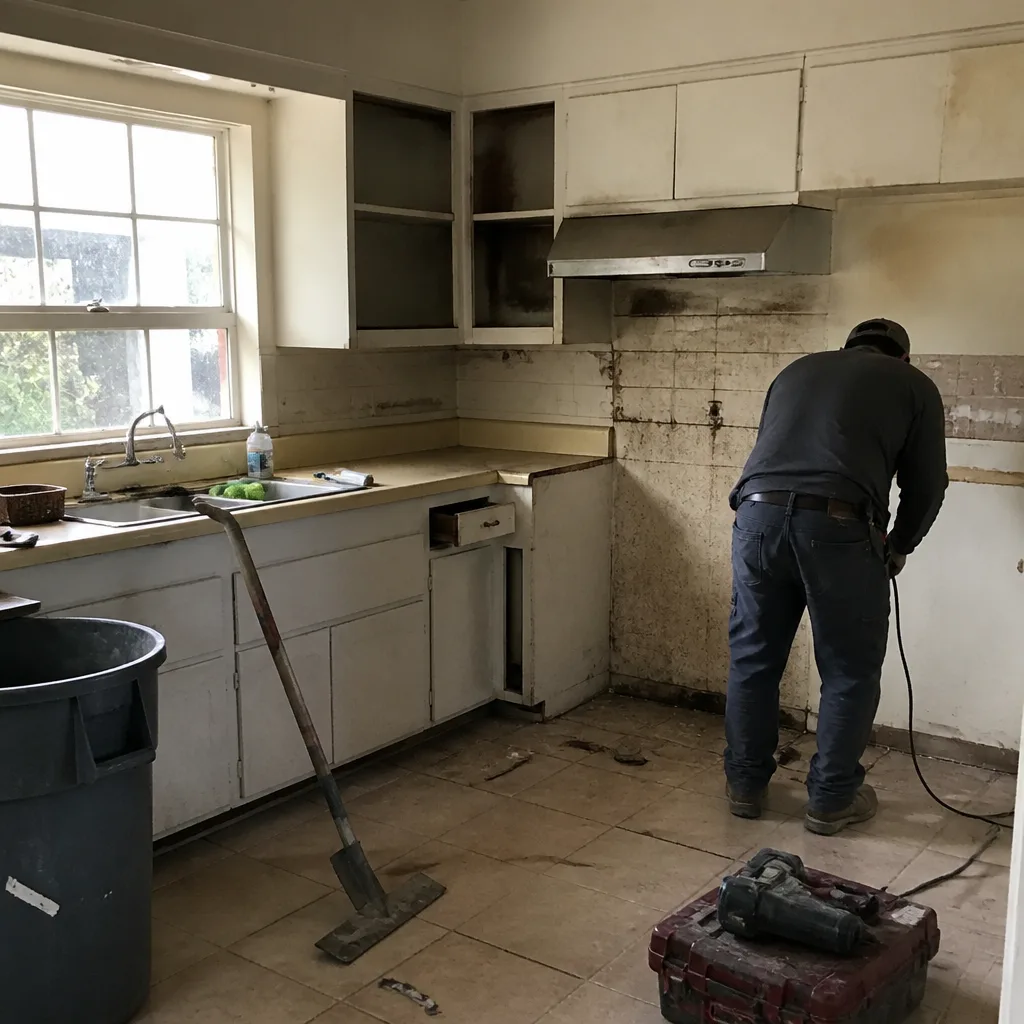
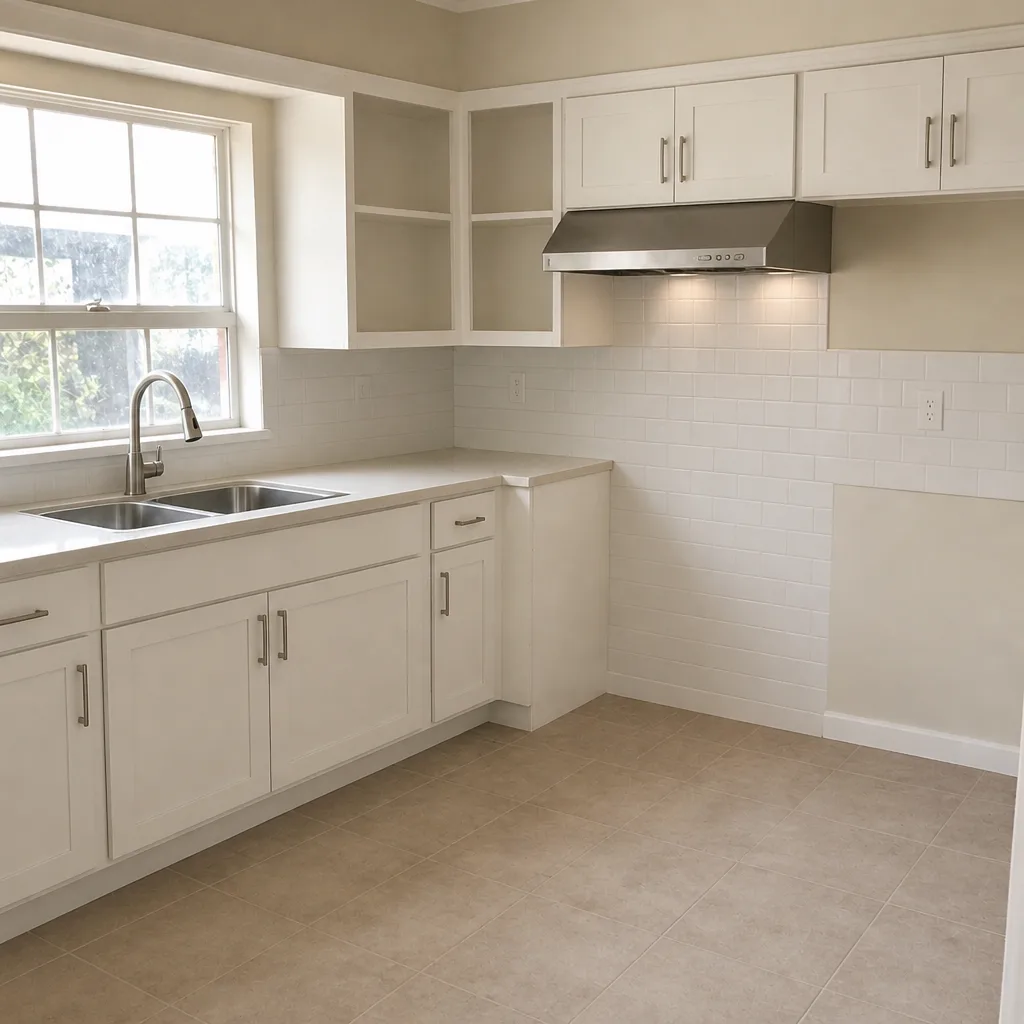
See the difference
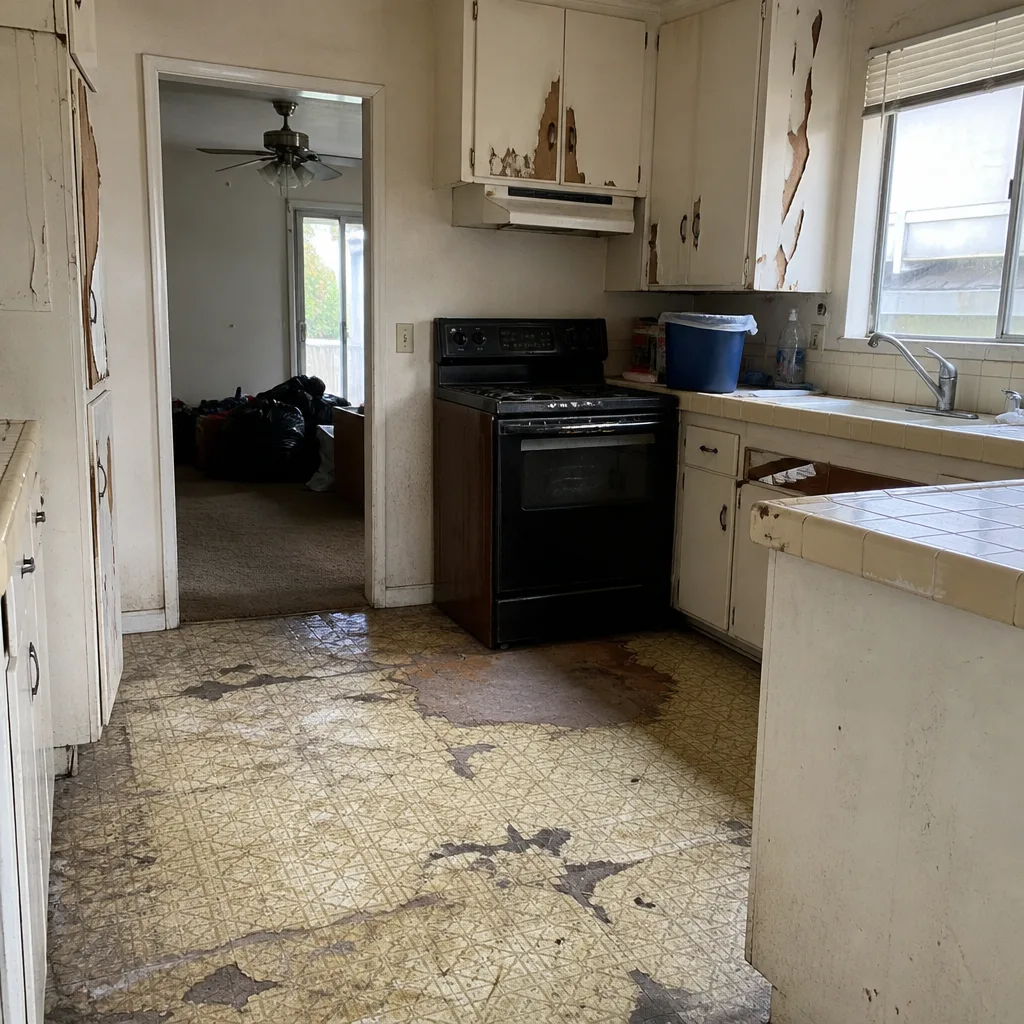 Before
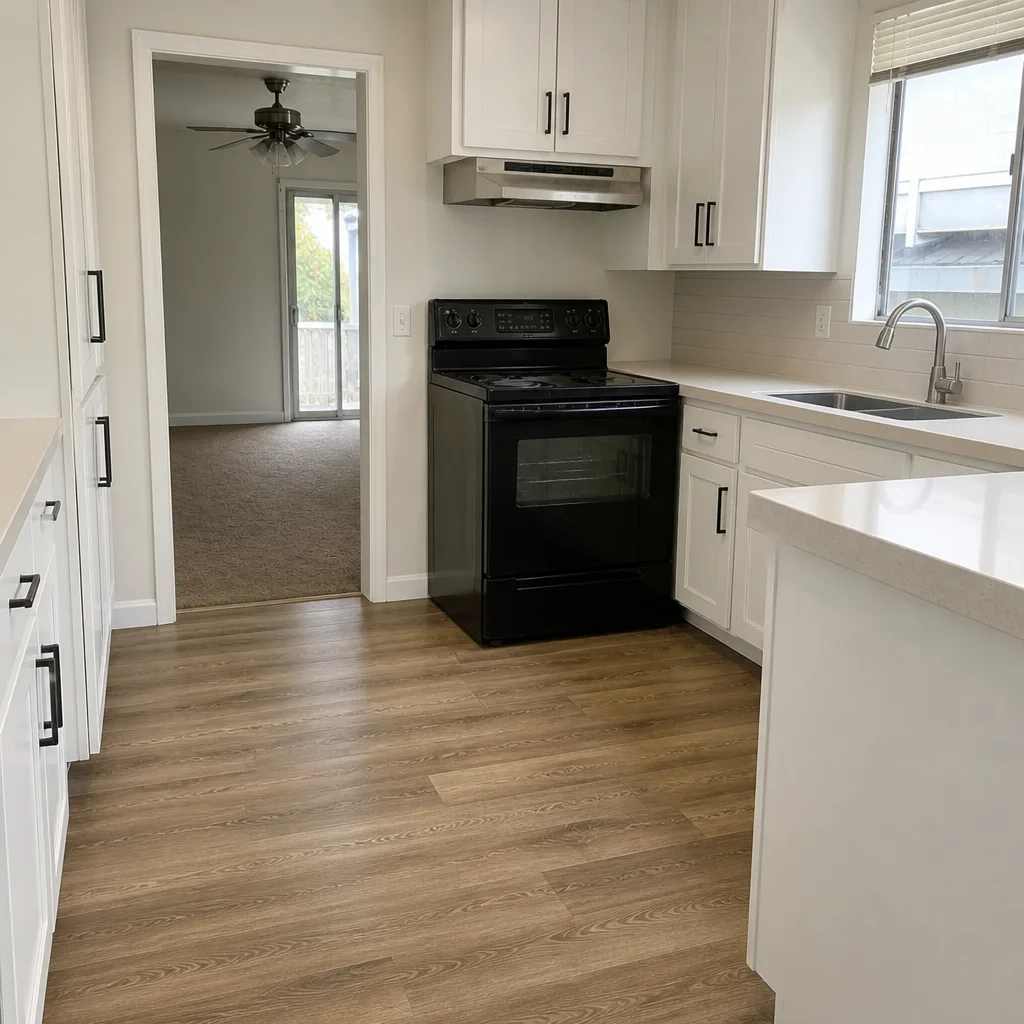 After
 Before
 After
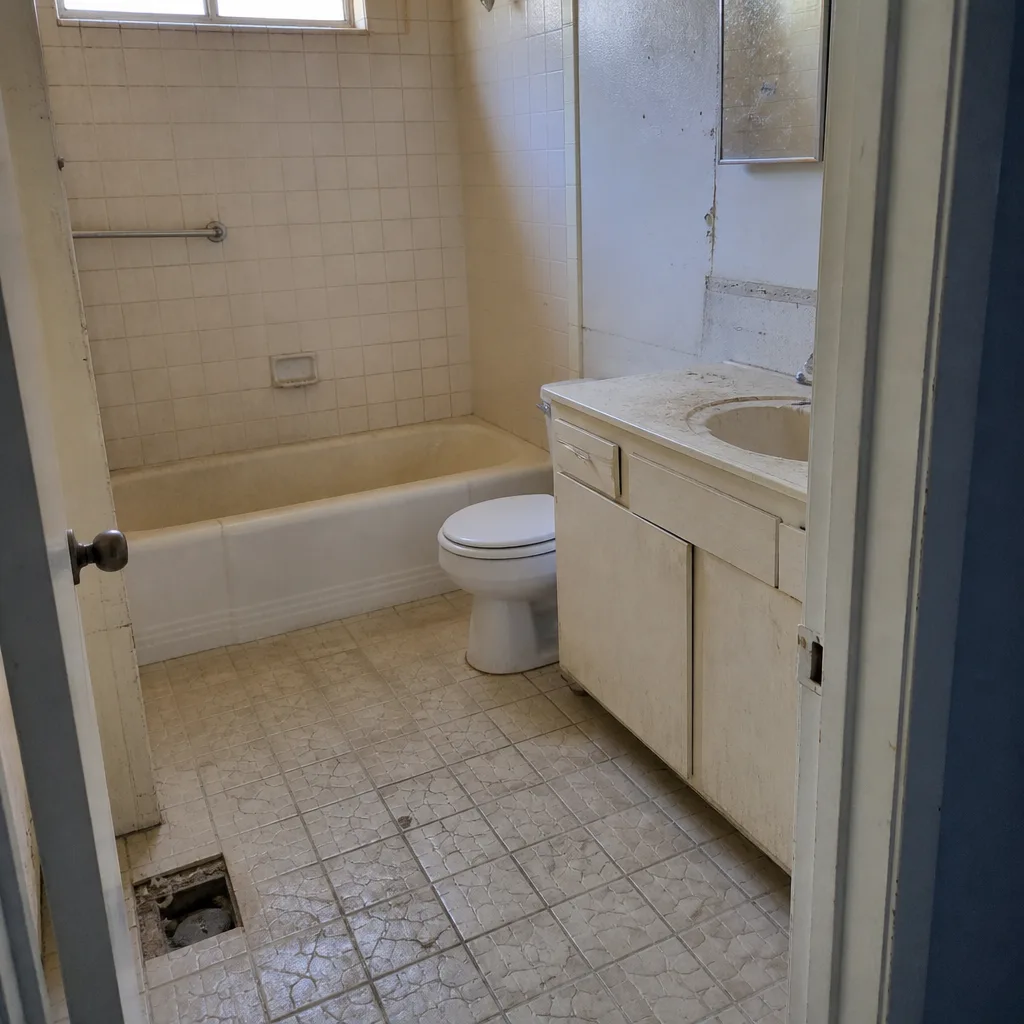 Before
 After
When to Call a Professional
Get a second set of eyes on the project when any of these land on your kitchen: a contractor who won’t name the permit number, a contract with undefined allowances or a front-loaded payment schedule, a crew that starts demo before the permit is posted, or a schedule that’s already slipping in week three. Those are the moments when a professional review costs less than the repair. Electrical rough-in, gas-line work, and load-bearing wall changes are trades you should never scope out of a bid to save money. They’re code-driven, inspection-driven, and safety-driven. Bradford Remodeling Co Costa Mesa offers free estimates in Costa Mesa with a written price before any work starts. Call (855) 659-2556 and we’ll look at what you’ve got.
Frequently Asked Questions

The biggest warning sign is a contractor who can’t tell you the permit number on file before demo starts. In California, kitchen work that touches electrical, plumbing, or structure needs a permit, and a disciplined contractor has that number in hand from day one. A dodge on the permit question usually predicts dodges on the payment schedule, the scope, and the change orders too. Get a permit number before anyone picks up a tool.
A Costa Mesa kitchen remodeling contract should include a line-item scope of work, named materials and brands, milestone-based payment schedule, a change-order clause requiring your written signature, and a clear closeout and warranty term. It should name who pulls each trade permit and how inspections are handled. If any of those are missing, ask for them in writing before you sign. The city’s Building Division reviews plans, so the contract should reflect that process.
The early signal is a shrinking crew and a sliding start time combined with vague excuses for delays. When a contractor goes from a full crew to one person, blames suppliers without naming specific dates, and starts pushing your job back for other sites, the fade is starting. Legitimate delays come with named suppliers and dates. “It’s coming” is the language of the slow disappear.
Yes, it can be. In California, a licensed general contractor can still lose their license if a job is handed to unlicensed workers, and if an unlicensed worker gets hurt on your property, your homeowner’s insurance may not cover the injury. Ask every contractor whether all workers on your job are covered by workers’ comp, and request the certificate. That’s the difference between a job with a clear chain of responsibility and one that threatens to land on you.
Test a bid by checking four things: does the scope name brands and products instead of lumping “kitchen remodel” together, are allowances tied to specific lines and square footage, does the payment schedule follow completed milestones, and does the contract require your written signature on every change order. If any of those answers are missing, the bid isn’t done. A written price before work starts is the baseline, not the upgrade. For related work, our bathroom remodeling in Costa Mesa page shows how we scope a project of similar complexity.
A good first 72 hours looks like this: site protection up, permit posted, a written materials list and schedule reviewed with you, and your point of contact named and reachable. Demo starts only after those are in place. The crew is uniformed, background-checked, and can tell you what arrives when. It’s not glamorous, but it’s the part that tells you the whole job will be squared away.
The Bottom Line
Kitchen remodeling warning signs aren’t mysterious. They’re specific, they show up in the first 72 hours, and most of them are written into the contract before a tool comes out. A contractor who can’t name the permit number, a bid with undefined allowances, a payment schedule that front-loads your money, and a crew that starts demo before the permit is posted, these are the signs that predict a stalled job and an empty account. Read the contract, tie every draw to a completed milestone, and check who’s actually on your site. Start with an estimate from Bradford Remodeling Co Costa Mesa at our Bradford Remodeling Co Costa Mesa home page, and let the paperwork do the talking.
If you’re in Costa Mesa and you want a written price before any work starts, call Bradford Remodeling Co Costa Mesa at (855) 659-2556 for a free estimate. Every project gets a written scope, a milestone payment schedule, and the 365-Day Done Right Promise behind the finished work. A live person answers the phone 24 hours a day, seven days a week.
Written by the team at Bradford Remodeling Co Costa Mesa.