Last updated November 18, 2026


Free written scope consultation - allowances, timeline, and change-order rules on paper before a single trade is scheduled
The Complete Guide to Construction in Costa Mesa
Costa Mesa issued 1,847 residential building permits in a recent 12-month period. Fewer than 40% of submitted applications cleared on the first pass, and the single biggest reason wasn’t bad plans. It was homeowners and their contractors not knowing the city’s submittal checklist before the first form was filed. If you’re planning a renovation, an addition or a structural change here, the paperwork and the terrain matter as much as the build quality. This guide maps the actual landscape: zoning overlays, aging housing stock, airport noise zones, air quality rules, and what a realistic timeline looks like when permit queues and inspections are factored in.
Quick Answer
Construction in Costa Mesa is governed by three things most guides ignore: the city’s R1/R2 zoning and specific-plan overlays, SCAQMD Rule 1403 asbestos rules that apply to almost every home built between 1955 and 1975, and John Wayne Airport noise-impact zones that trigger extra window and insulation requirements on certain replacements. Getting the permit pathway right (over-the-counter versus plan-check) before you start is what separates a four-week approval from a four-month one.
Styles & brands we work with
- Kitchen remodeling
- Bathroom remodeling
- Home additions & ADU
- Roofing
- Windows & doors
- Driveway & pavers
- Fence
Table of Contents
- How Costa Mesa zoning and overlays affect what you can build
- Aging housing stock and the asbestos/lead question
- Over-the-counter versus plan-check: which projects land where
- John Wayne Airport noise zones and your window permits
- SCAQMD Rule 1403 and the demo-day trap
- What a realistic timeline looks like in Costa Mesa
- What projects actually cost here
- Neighborhood-by-neighborhood patterns
How Costa Mesa Zoning and Overlays Affect What You Can Build
Costa Mesa’s residential zoning splits primarily into R1 (single-family) and R2 (duplex and low-density multi-family), and those two designations alone change your setback, lot coverage and height limits. But the zoning label on your property is only the first gate. The city also applies specific-plan overlays to several areas, and those overlays can be stricter than the base zone. A second-story addition that’s fine on paper in a standard R1 lot can hit a wall if you’re inside an overlay with a lower height cap or a view-preservation clause.
Here’s what catches people in our experience:
- Setbacks move by zone and by overlay. Front and side setbacks in R1 are not the same as in R2, and a specific plan can tighten them further. Confirm your parcel’s exact limits before you draw anything.
- Lot coverage caps are real. The percentage of your lot that can be covered by structures is capped, and an addition or a new patio cover can push you over. Coverage calculations include some hardscape and detached structures depending on the zone.
- Deed restrictions can supersede city code. Some Costa Mesa subdivisions carry recorded deed restrictions that limit what you can build regardless of what the city would approve. The city permit office won’t enforce private covenants, but a neighbor or HOA can, so read your title documents.
- Variances and minor exceptions are separate processes. If your plan doesn’t fit the base zoning, you’re looking at a variance or a minor exception, each with its own application, fee and public-notice timeline.
The practical move is to pull your parcel’s zoning and overlay status from the city before you commit to a design. That one step is where most over-budget additions go wrong. Our experience with Costa Mesa permits runs through the General Contractor in Costa Mesa side of our work, and the zoning check is always the first task.
Aging Housing Stock and the Asbestos and Lead Question
Large swaths of Costa Mesa were built as tract housing between 1955 and 1975. That window matters. Homes from that era commonly contain asbestos in floor tile and mastic, drywall joint compound, popcorn ceiling texture, duct wrap, and certain siding and roofing materials. Lead-based paint was in wide use through the late 1970s. Any structural work, demolition, or significant remodel on a home built in that range will almost certainly trigger an assessment requirement before the first hammer swings.
The requirement is not a formality. Federal rules require an accredited inspector to assess asbestos-containing materials before renovation or demolition disturbs them, and California rules layer on top through the air quality district. If you skip the assessment and your crew opens a wall with friable asbestos, work stops, the site may need to be secured, and you’re now paying for abatement you could have planned and priced from the beginning.
What we walk homeowners through on a pre-1975 Costa Mesa home:
- Get a licensed asbestos and lead assessment before finalizing scope. This is the step that determines whether your budget is realistic.
- Build abatement cost into the bid, not the change order. Removing asbestos-containing material is a line item. It should be on the written price before work starts, not discovered mid-demo.
- Confirm the abatement contractor’s credentials. California requires certification for asbestos work, and the air quality district has its own notification and handling rules.
- Plan the sequencing. Abatement happens before structural framing and finish work, and it adds days to the front end of the schedule.
This is not a scare tactic. It’s the most common source of surprise cost on older Costa Mesa remodels, and the answer is to price it in early. If you’re remodeling a kitchen, the same assessment applies to cabinet tear-out and flooring, which is one reason we fold it into the planning on every Kitchen Remodeling in Costa Mesa project that touches an older shell.
Over-the-Counter Versus Plan-Check: Which Projects Land Where
Costa Mesa’s building department runs two basic permit pathways, and knowing which one your project falls into is the difference between a quick approval and a queue. Over-the-counter permits cover work that’s simple enough to review at the counter without a full plan review. Plan-check permits require a formal review cycle, and those reviews can come back with comments that need a resubmittal.
Broadly, here’s how it splits:
- Over-the-counter: like-for-like replacements that don’t change structure, such as swapping a water heater to a comparable unit, re-roofing with the same or approved materials without structural changes, minor electrical or plumbing fixtures, and simple repair work that matches existing conditions.
- Plan-check: additions, structural alterations, new square footage, major remodels that move walls or change the building envelope, and anything affecting structural, energy or accessibility compliance.
The single most common reason a submittal gets bounced is an incomplete package. The city’s submittal checklist is specific, and missing items like a current site plan, structural calculations, or energy compliance documentation will send you back to the end of the line. In our experience, the projects that clear fastest are the ones where the contractor filled out the checklist item by item before filing. A Costa Mesa plan-check review that comes back clean moves quickly. One that goes out incomplete can lose weeks.
Permits matter beyond the paperwork. Unpermitted work becomes a disclosure problem when you sell, and it can complicate insurance. Pulling the permit and passing the inspection is a real part of a project’s value, and it’s something we build into the written scope from day one.
John Wayne Airport Noise Zones and Your Window Permits
John Wayne Airport sits on the city’s southern edge, and its noise-impact zones reach into several Costa Mesa neighborhoods. If your property falls inside a noise contour, replacing windows or doors can trigger additional requirements aimed at reducing interior noise transmission. That can mean specific window assemblies, upgraded glazing, or documented sound ratings for the products you install, depending on the contour and the scope of the work.
This affects more projects than people expect. A whole-home window replacement, a sliding door swap, or even some exterior door upgrades can fall under these requirements if the property is in a mapped noise zone. The manufacturer spec sheet and the sound rating become part of the permit package, not an afterthought. We’ve seen homeowners buy windows off the shelf and then discover the assembly doesn’t meet the requirement for their parcel, which means buying them twice.
The fix is straightforward: confirm your parcel’s noise-zone status before you order product, and make sure the assembly you choose meets the documented rating. Therma-Tru doors and window assemblies with published sound ratings make this a specification question rather than a guessing game. On exterior work, this is where we lean on documented brands with traceable specs, which is why the products we install come with manufacturer data rather than a verbal promise.
SCAQMD Rule 1403 and the Demo-Day Trap
SCAQMD Rule 1403 governs how asbestos-containing materials are disturbed, handled and removed in the South Coast Air Quality Management District, which includes Costa Mesa. The rule requires that regulated asbestos-containing material be identified before demolition or renovation, that the district receive notification before certain regulated work, and that handling and removal follow specific procedures. It’s a rule most contractors know about and skip, and skipping it can halt a project mid-demo.
Here’s how it goes wrong. A crew starts interior demo, opens a ceiling or a wall, and finds friable material. Work stops. The district gets involved, the site may need to be secured, and now you’re looking at a shutdown, potential penalties, and a re-sequence that pushes finishing trades out by weeks. The project didn’t fail because of the asbestos. It failed because the assessment step was skipped.
The disciplined sequence is:
- Assess before you demo. An accredited inspector identifies what’s present and where.
- Notify per the rule. Regulated work requires advance notification to the district.
- Abate with a certified contractor. Handling and removal follow the district’s procedures.
- Document and proceed. Once the material is cleared, structural and finish work moves forward on a schedule that hasn’t been blown up.
In our experience, this step is where a careful contractor earns their keep. A written scope that includes the assessment and the abatement line item is not paperwork theater; it’s the difference between a project that stays on its timeline and one that stalls in the driveway.
What a Realistic Timeline Looks Like in Costa Mesa
Timelines in Costa Mesa run longer than a generic national estimate, and the reasons are specific to the city. Permit review queues, the required assessments on older homes, and inspection scheduling all add days that don’t appear on a contractor’s optimistic calendar. Here’s a realistic sequence for a mid-size remodel on a pre-1975 home:
- Design and scope freeze: 2 – 4 weeks. Decisions made here are decisions you don’t revisit mid-build.
- Asbestos and lead assessment: 1 – 2 weeks to schedule and complete on a pre-1975 home.
- Permit submittal and review: over-the-counter projects clear in days; plan-check projects commonly run 4 – 10 weeks depending on completeness and reviewer comments.
- Abatement (if triggered): a few days, sequenced before structural work.
- Construction: varies widely by scope, but a kitchen typically runs 4 – 8 weeks and a whole-home remodel multi-month. Poorly scoped projects run far longer.
- Inspections and close-out: scheduled as work passes milestones, with final inspection before you sign off.
The Mesa West and Mesa Del Mar areas see the same queue as the rest of the city, and the projects that stay on schedule are the ones where the submittal went in complete and the assessment happened early. We build the waiting periods into the plan rather than promising a date that assumes a perfect approval. A realistic timeline you can hold beats an optimistic one you can’t.
What Projects Actually Cost Here
Real numbers, with the caveat that every scope is different. These are ranges we work from in Costa Mesa:
| Project | Typical range |
|---|---|
| Asbestos assessment (pre-1975 home) | $400 – $1,200 |
| Asbestos abatement, limited scope | $1,500 – $5,000 |
| Over-the-counter permit fees | A few hundred dollars, varies |
| Plan-check permit fees | Often $1,000 – $4,000+ by scope |
| Kitchen remodel, mid-range | $40,000 – $80,000 |
| Bathroom remodel, mid-range | $20,000 – $45,000 |
| Window replacement, whole home | $12,000 – $35,000 |
Two things move these numbers more than anything else: whether the home is pre-1975 and needs assessment and possible abatement, and whether your project lands in plan-check. The right way to hold a budget is to get the assessment and the permit pathway settled before you sign a construction contract. We put the price in writing before any work starts so the number you plan around is the number you pay, with no repricing at the door. Finishes come next, and documented brands like Cambria and Silestone surfaces let you price selections against real manufacturer specs instead of guesswork. For a closer look at how far your budget stretches on a bathroom, see Bathroom Remodeling in Costa Mesa.
Neighborhood-by-Neighborhood Patterns
The city isn’t uniform, and the friction points change block to block. What we see across Costa Mesa:
- Mesa West and Mesa Del Mar: heavy concentrations of 1950s – 1970s tract homes, so the assessment and abatement question comes up on almost every structural project, and the permit queue is the same citywide cycle.
- Eastside and the older core: a mix of vintage shells and newer infill, with more variety in what’s been remodeled and what hasn’t. Inspecting before you scope is critical here.
- South Coast area: parcels closer to John Wayne Airport’s noise contours, where window and door replacements carry the sound-rating documentation question.
- Newer subdivisions: deed restrictions and HOA covenants often matter more than city zoning, and some carry recorded limits the permit office won’t flag.
This is the terrain. It’s not the same terrain as a generic construction guide, and a plan that ignores it is a plan that stalls.
Common Mistakes to Avoid
- Filing an incomplete permit package. The city’s checklist is specific, and a missing site plan or energy document sends you back to the end of the line. Read the checklist item by item before you submit.
- Skipping the asbestos assessment on a pre-1975 home. Demo-day discoveries stop work and blow up budgets. Assess before you scope, not after.
- Assuming the zoning label is the whole story. Specific-plan overlays, deed restrictions and HOA covenants can all be stricter than the base zone. Check all of them.
- Ordering windows before confirming the noise-zone requirement. In John Wayne Airport contours, a window without the documented sound rating can mean buying twice.
- Letting abatement land on a change order. Price it into the bid. A surprise line item mid-demo is how projects go over budget.
- Accepting a verbal price. A number that isn’t written down is a number that can move at the door. Get it in writing before any work starts.
- Ignoring unpermitted prior work. It becomes a disclosure problem when you sell and can complicate insurance. Have it inspected and corrected in your scope.
See the difference
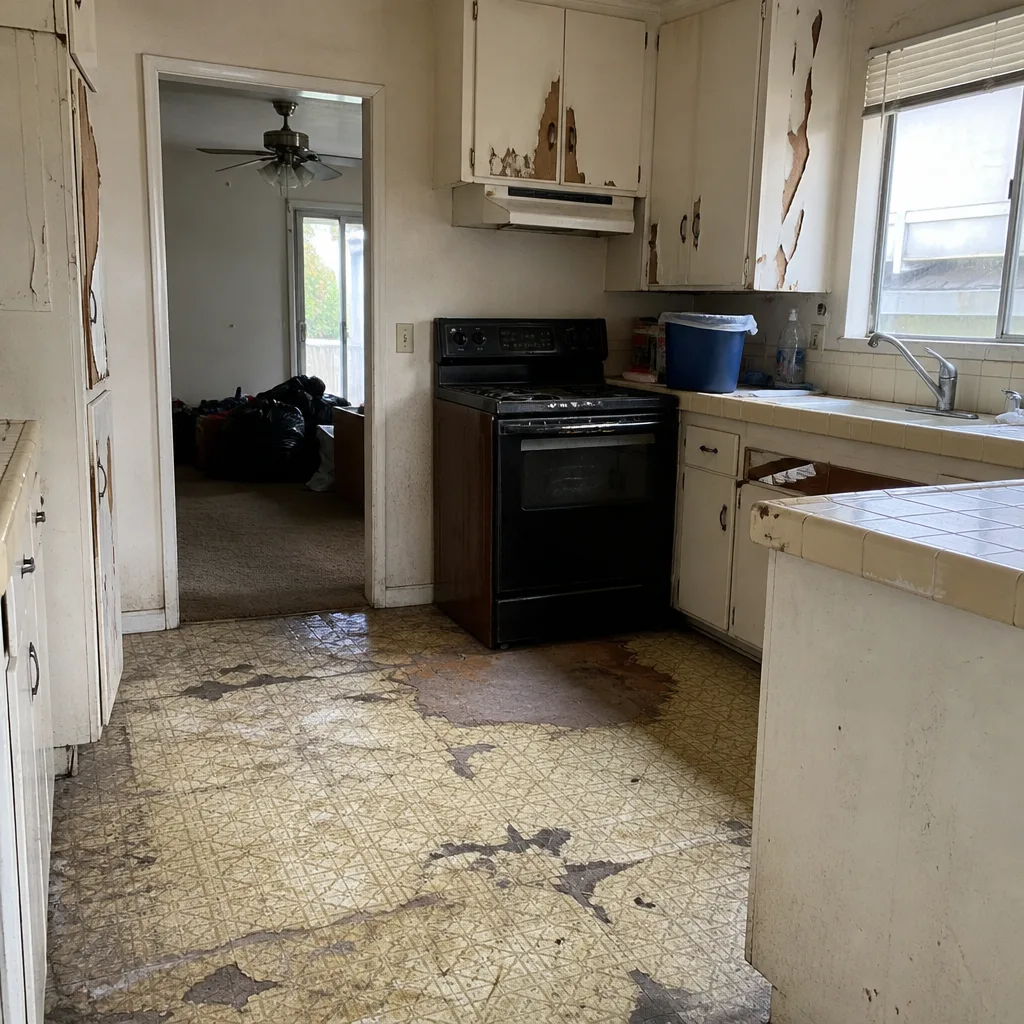 Before
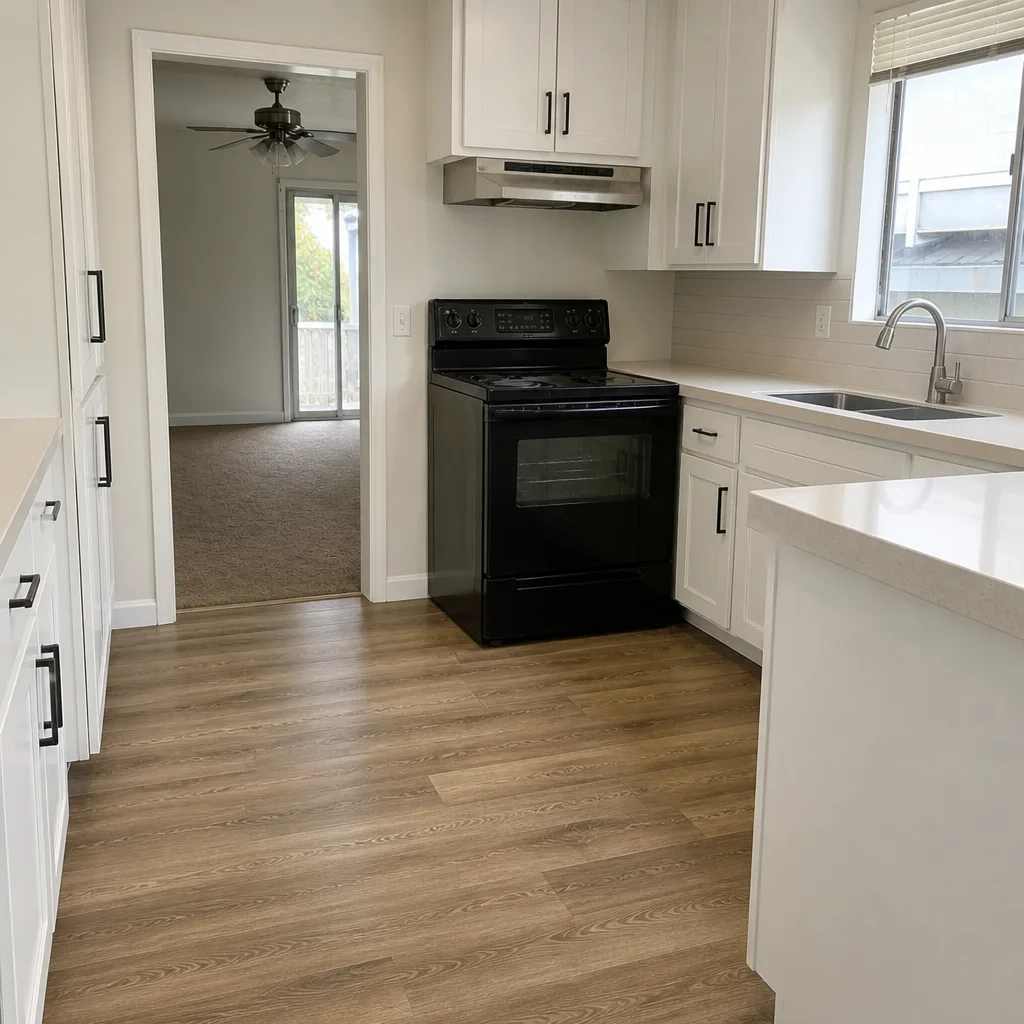 After
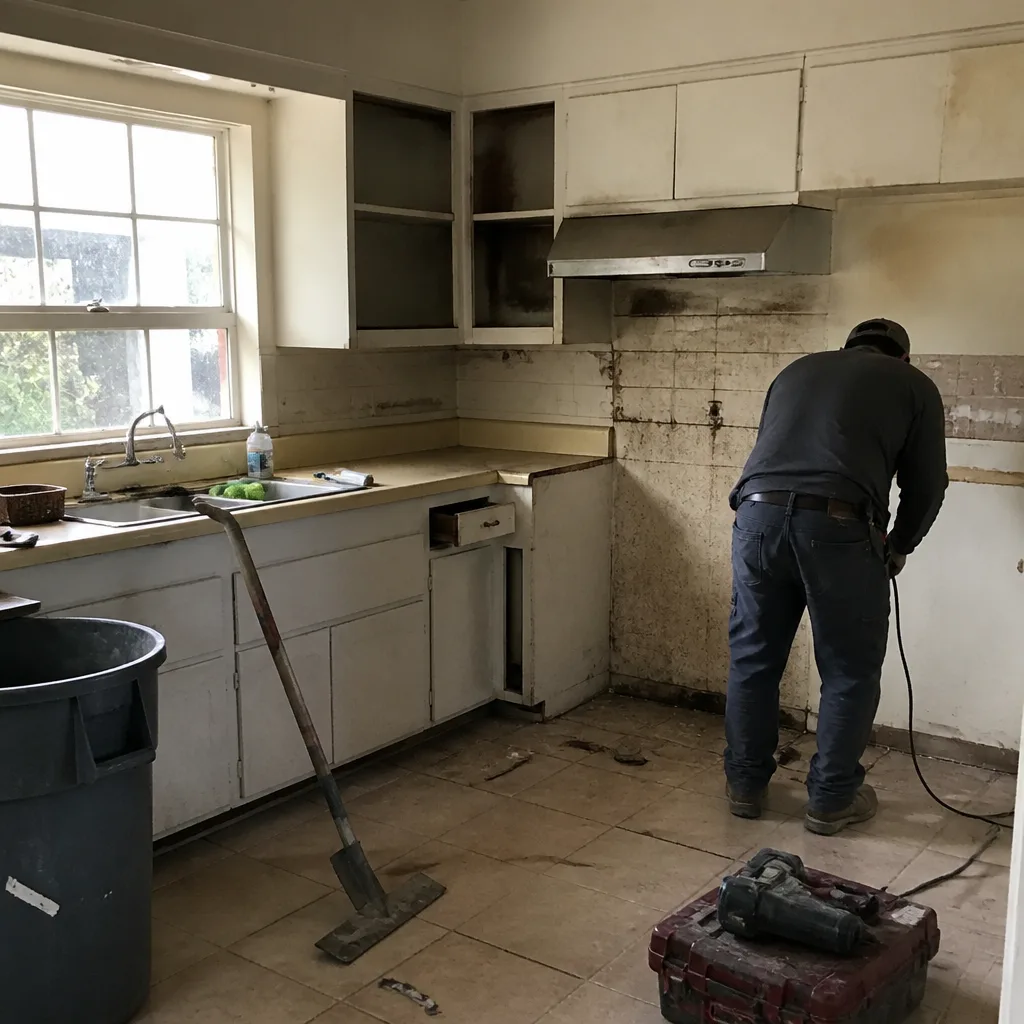 Before
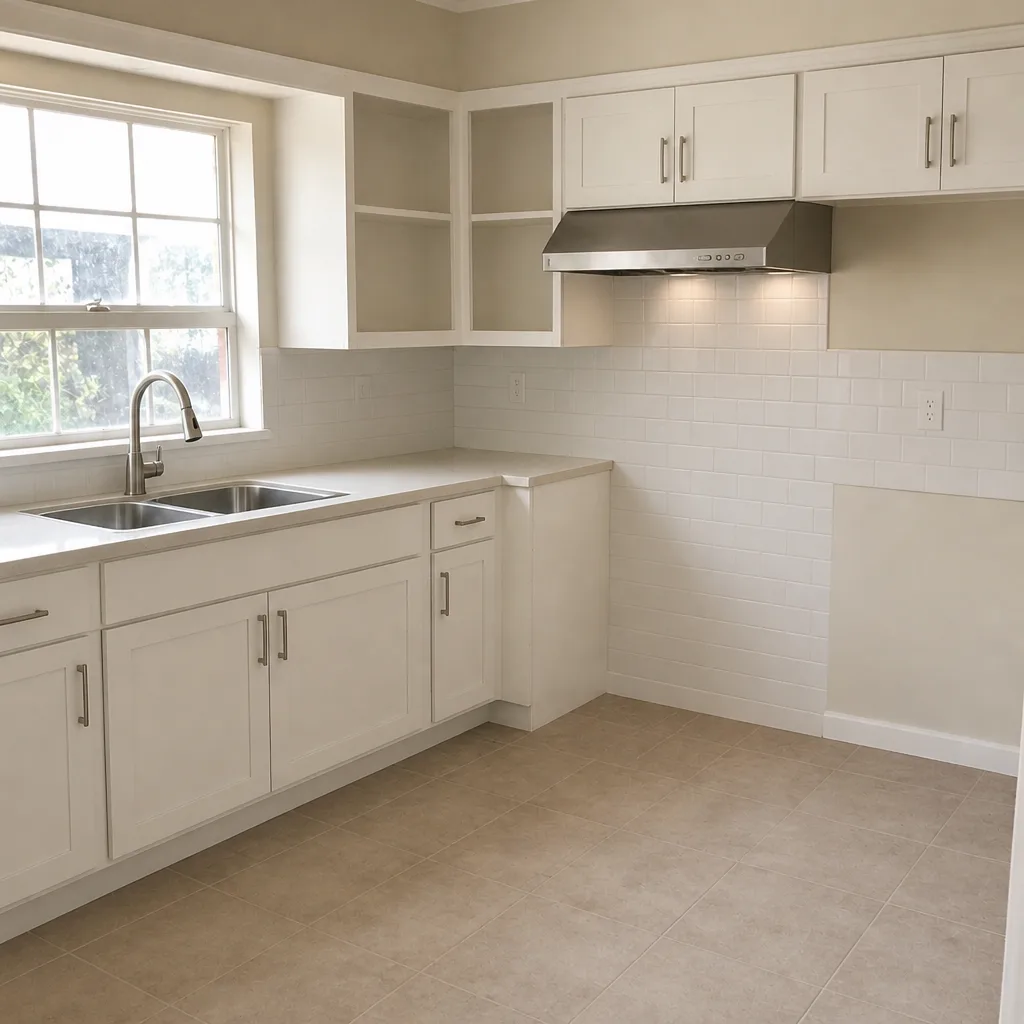 After
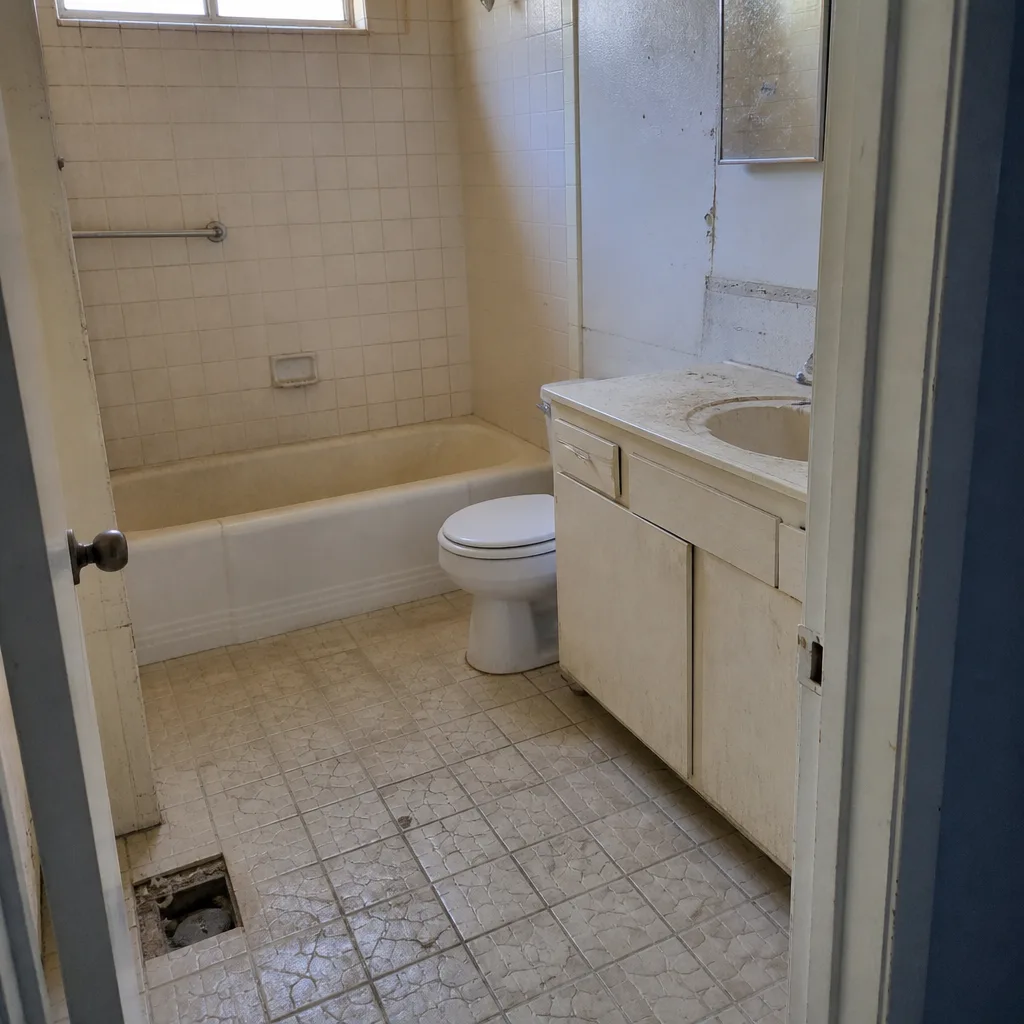 Before
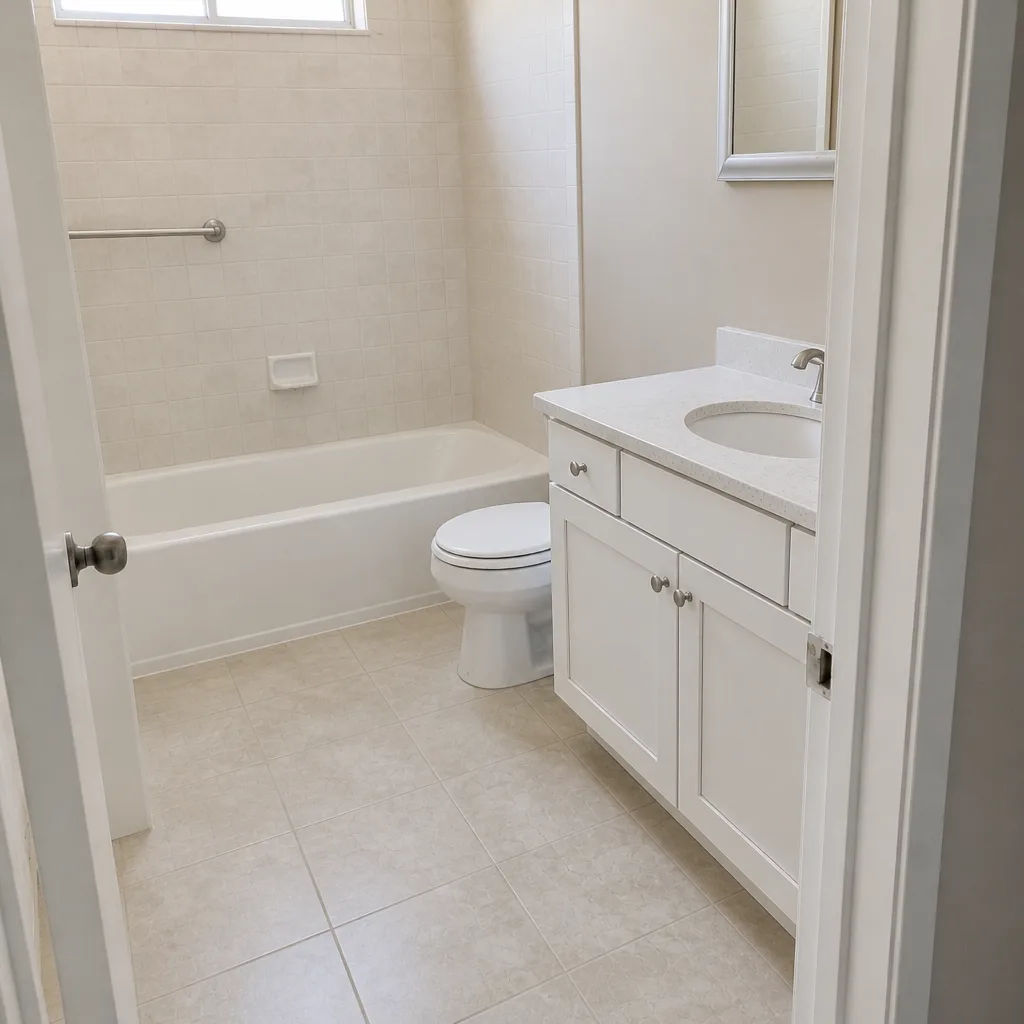 After
When to Call a Professional
Call a professional before you touch anything structural, before any demo on a pre-1975 home, and any time a project moves walls, adds square footage or changes the building envelope. Those are the projects that trigger plan-check, assessments and inspections, and getting the sequence wrong is where budgets go sideways. Also call if your property sits in a noise contour and you’re replacing windows, or if you suspect prior unpermitted work. Bradford Remodeling Co Costa Mesa offers free estimates in Costa Mesa with a written price before any work starts and a 365-Day Done Right Promise on every completed project. Call (855) 659-2556 to schedule yours.
If you’re confirming the overall scope first, our Bradford Remodeling Co Costa Mesa home page is the place to start.
Frequently Asked Questions
A mid-range kitchen remodel in Costa Mesa typically runs $40,000 – $80,000, with the number driven by whether the home is pre-1975 (assessment and possible abatement) and whether the project lands in plan-check. Selections like Cambria or Silestone surfaces move the top of the range. Call (855) 659-2556 for an exact quote; estimates are free.
Almost certainly, if it changes structure, adds square footage or touches the building envelope. Simple like-for-like replacements often qualify for over-the-counter permits, while additions and structural work go through plan-check. Confirm with the city before you start. Call (855) 659-2556 and we’ll walk you through the pathway for your project.
Not when it’s written down. We put the price in writing before any work begins, with abatement and permit items priced upfront rather than added mid-demo. Change orders only happen when the scope genuinely changes and you approve it. Call (855) 659-2556 for a free written estimate.
Yes. Pulling the permit and passing the required inspections is part of a project’s value, and it’s built into the written scope. Unpermitted work creates real problems at resale and with insurance. Call (855) 659-2556 to start the process.
In nearly all cases, yes, before any structural work or significant demolition. Homes built between 1955 and 1975 commonly contain asbestos in tile, joint compound, ceiling texture and duct wrap, and SCAQMD Rule 1403 requires assessment before disturbing it. We fold the assessment into the plan and the written price. Call (855) 659-2556 to schedule an estimate.
Plan realistically: two to four weeks for design and scope, one to two weeks for assessment on a pre-1975 home, four to ten weeks for plan-check review, then construction. A kitchen typically runs four to eight weeks; a whole-home remodel runs multi-month. We plan for the real timeline, not an optimistic one. Call (855) 659-2556 for a schedule built for your scope.
Every completed project carries a full-year written guarantee. If the work fails within that window, we return and correct it at no charge to you. The terms are documented, and you get them in writing before work starts. Call (855) 659-2556 to learn more about the estimate process.
The Bottom Line
Construction in Costa Mesa runs on specifics: R1/R2 zoning and specific-plan overlays that shape what you can build, an aging housing stock that triggers assessment and abatement requirements, a permit office with an over-the-counter and plan-check split, John Wayne Airport noise contours that affect window and door permits, and SCAQMD Rule 1403, which can stop a job mid-demo if it’s skipped. Get the assessments and the permit pathway settled before you sign a contract, price abatement into the bid, and hold your contractor to a written number. That’s the sequence that keeps a project on schedule and on budget in this city.
Bradford Remodeling Co Costa Mesa connects homeowners with independent local professionals, holds every job to The Garrison Standard, and puts the price and the guarantee in writing before a single tool comes out. Our technicians have up to 22 years of experience, and a live person answers the phone around the clock. Call (855) 659-2556 for your free estimate.
Written by the team at Bradford Remodeling Co Costa Mesa.