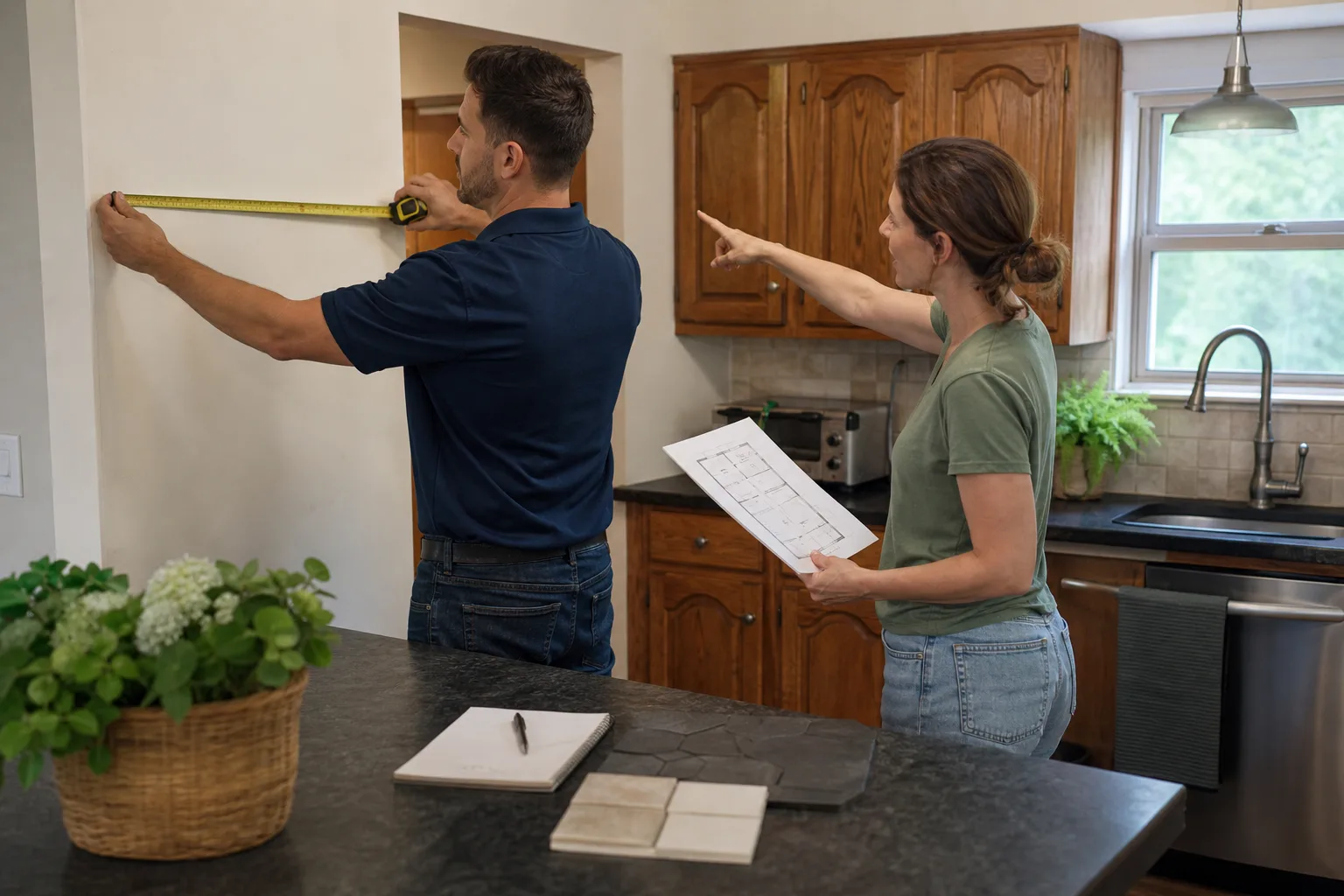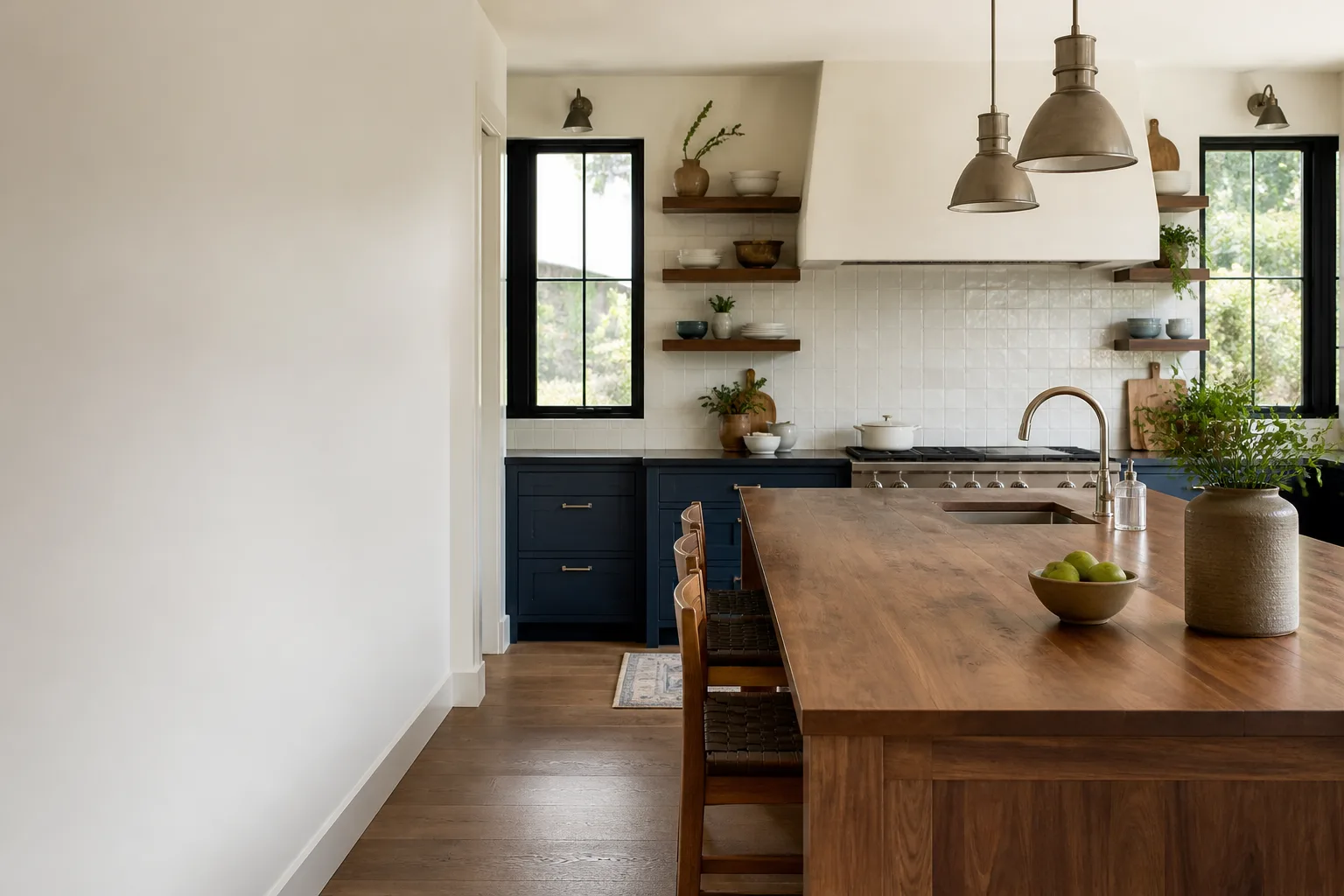
Free written scope consultation - allowances, timeline, and change-order rules on paper before a single trade is scheduled
Styles & brands we work with
- Kitchen remodeling
- Bathroom remodeling
- Home additions & ADU
- Roofing
- Windows & doors
- Driveway & pavers
- Fence
See the difference
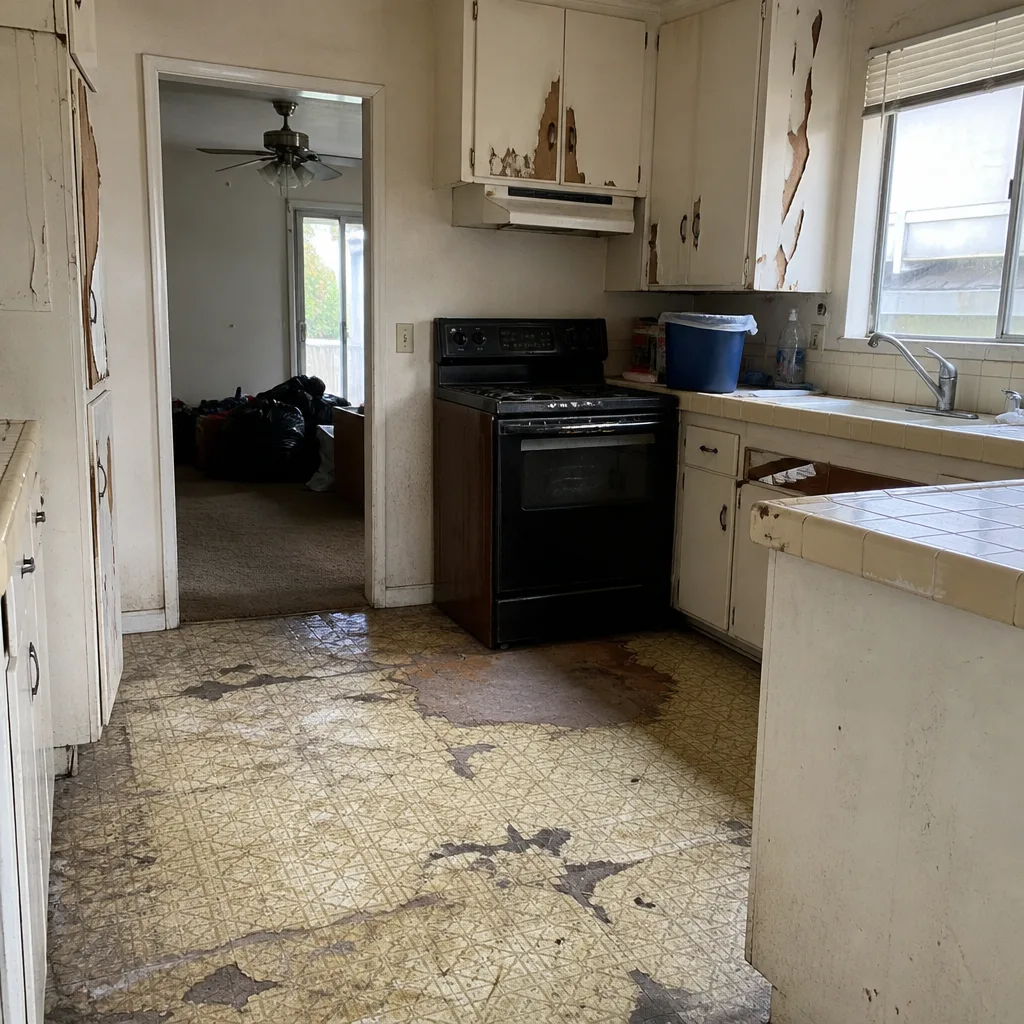 Before
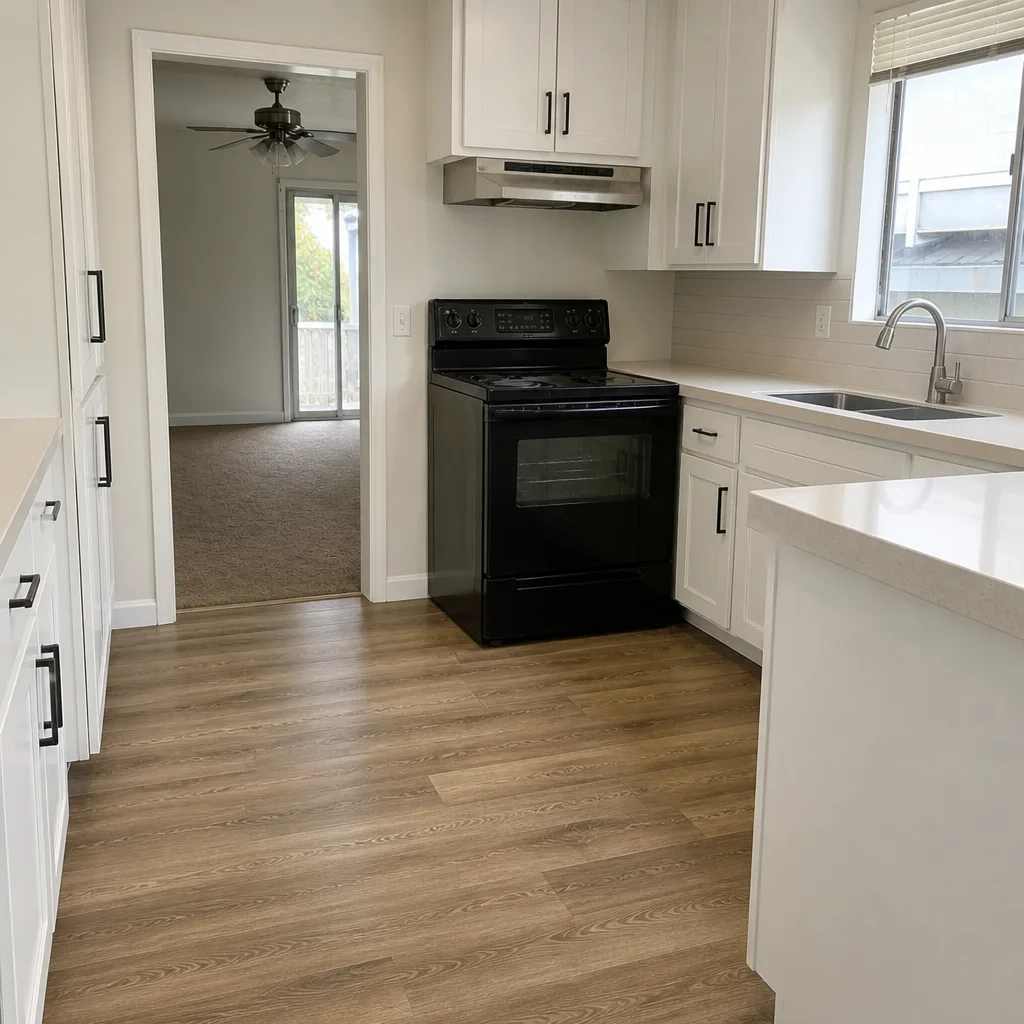 After
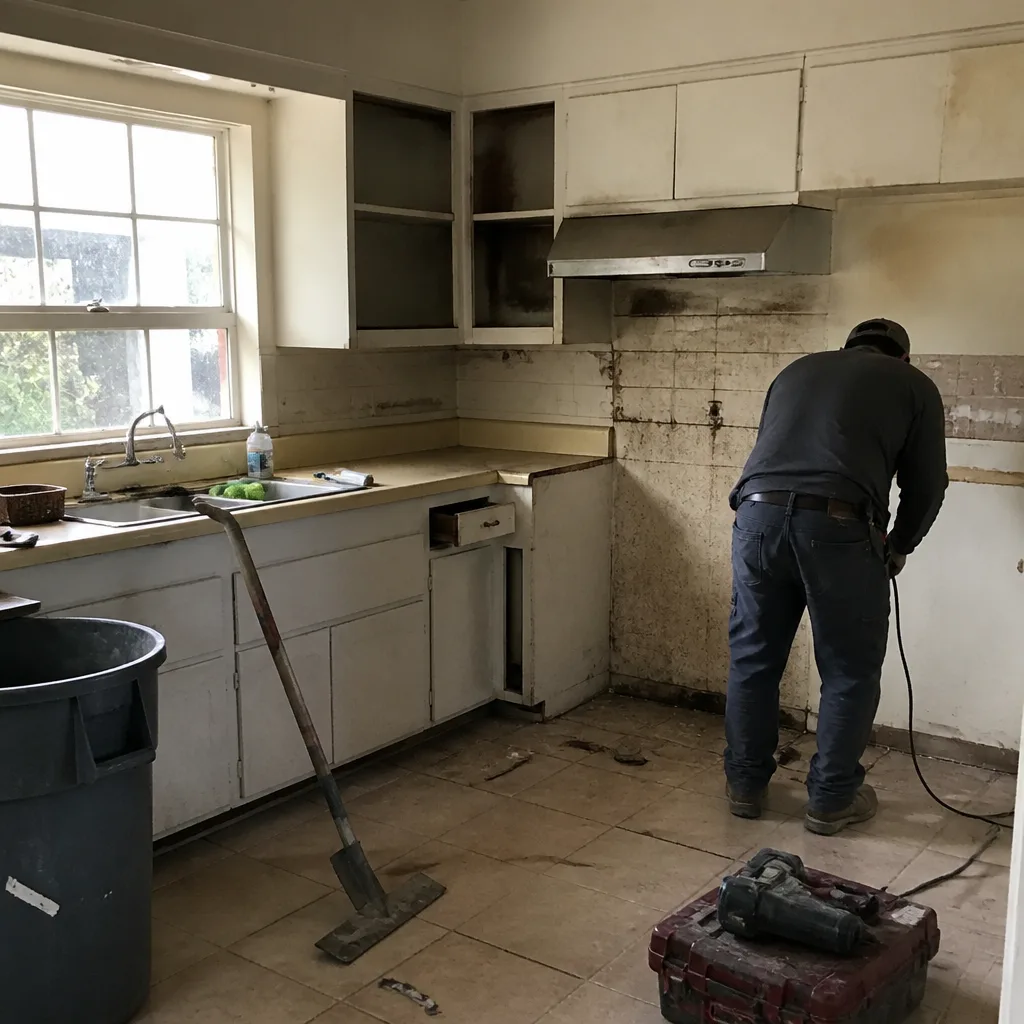 Before
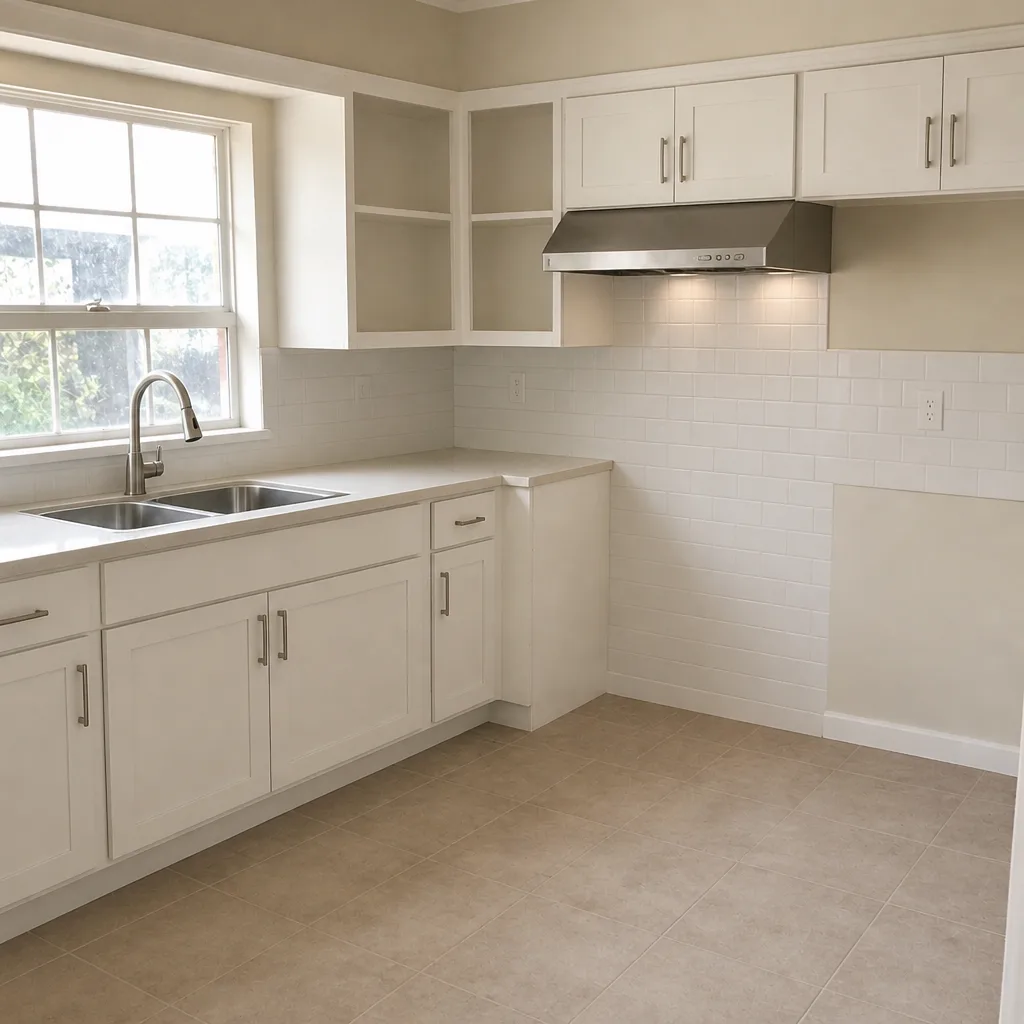 After
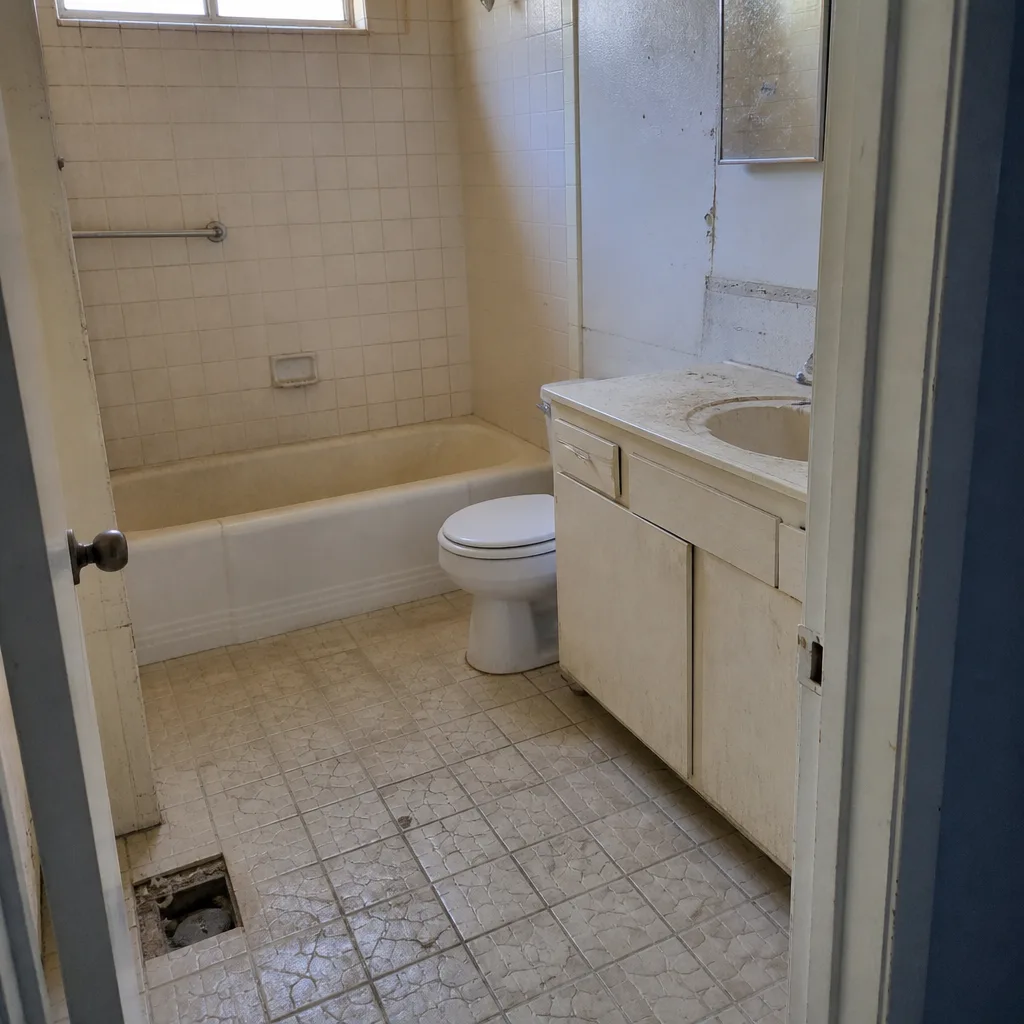 Before
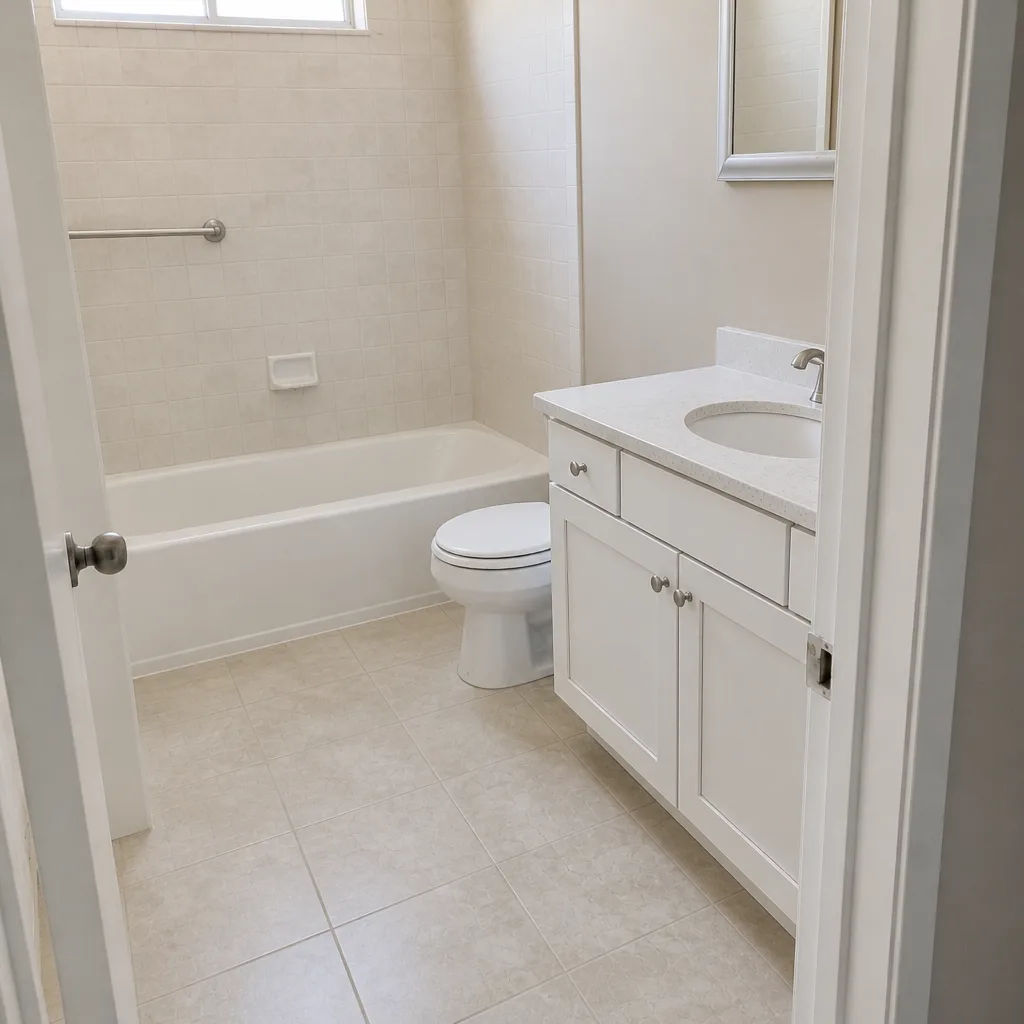 After
Quartz vs Granite Countertops in Costa Mesa, CA: The Salt-Air Answer
Choose quartz unless you want a natural stone look and will reseal it every year. If your house sits west of the 55 Freeway, or anywhere the marine layer and salt air reach, that’s the honest recommendation. Here’s why: in coastal Costa Mesa, the tie-breaker between quartz and granite isn’t looks or price. It’s salt. Engineered quartz (we spec Cambria and Caesarstone) is non-porous and needs no sealing. Granite is porous, and salt-laden onshore air works its way into that stone. For a written, traceable price before work starts, call (855) 659-2556.
Key Takeaways
- Quartz wins in coastal Costa Mesa because it’s non-porous and needs no resealing near Newport Bay or the Santa Ana River estuary.
- Granite in a coastal microclimate needs resealing every year; inland, that stretches to every 3 to 5 years.
- Granite handles direct heat better. Quartz resin can discolor above 300°F, and we disclose that up front.
- Bradford documents the exact slab series (Cambria, Caesarstone) in the written scope, so you get a traceable product, not a mystery slab.
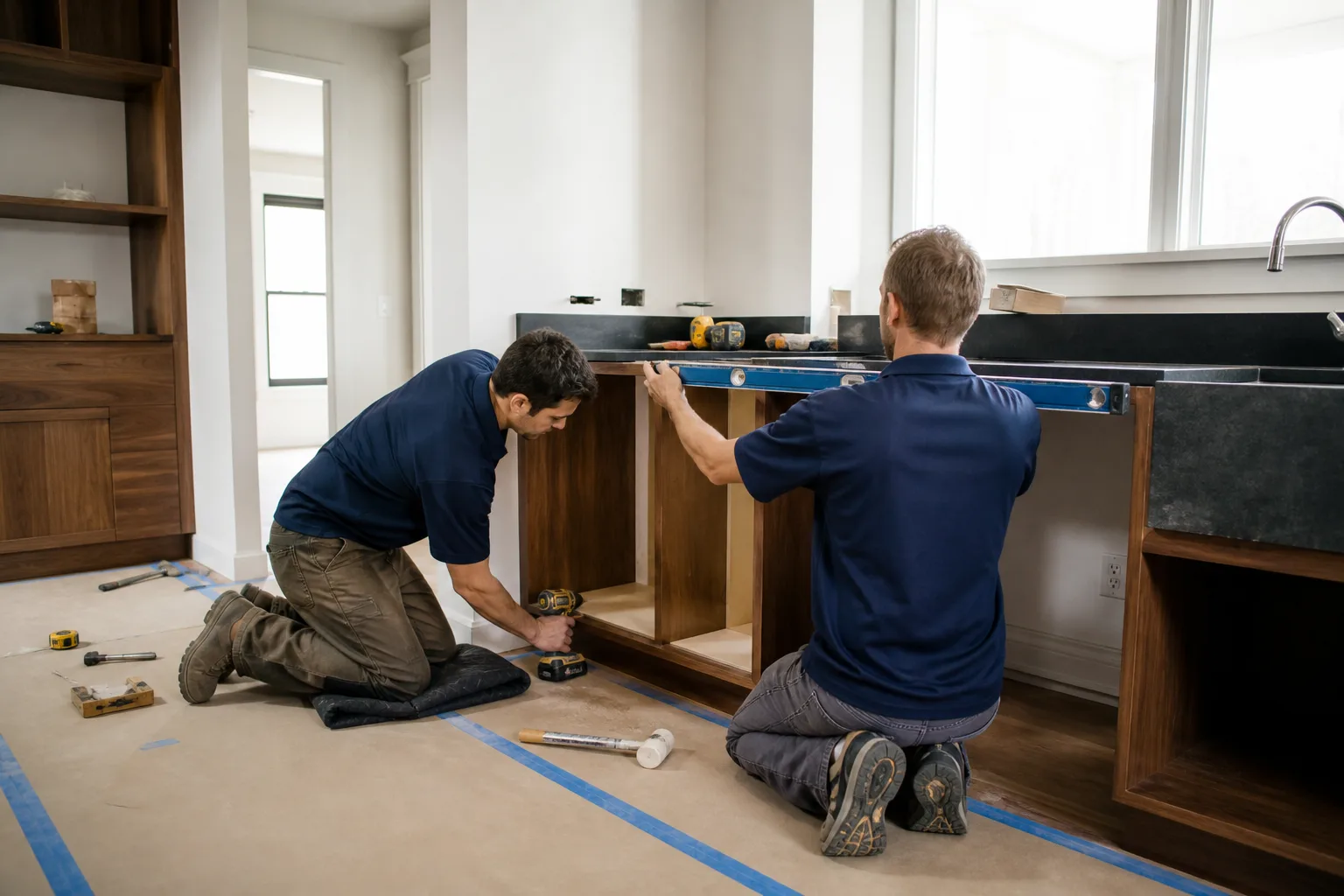
Why does salt air matter more than looks in Costa Mesa?
Here’s the mechanism. Granite has microscopic pores across its whole surface. In a coastal climate, airborne salt ions settle on the counter and get drawn into those pores. During a dry Santa Ana spell, the moisture pulls out and leaves salt crystals behind below the surface. Those crystals push against the stone from the inside – that’s how the sealer bond breaks down and how you get cloudiness and stains that don’t come out with a cloth. It’s slow. But it’s steady, and it speeds up the closer you are to open water.
A resealing schedule is the only defense. In inland Orange County, granite typically holds its sealer 3 to 5 years. In coastal Costa Mesa – west side, the bluffs near Upper Newport Bay, anywhere the marine layer sits – plan on resealing every 12 months. Skip it and the failures show up as dull patches, dark rings around the sink, and etch marks that a re-polish won’t fully fix. Quartz skips the whole cycle. Cambria and Caesarstone are roughly 93 to 95% quartz bound in polymer resin, which makes them genuinely non-porous. No sealer, no annual appointment, no salt infiltration – whether the counter sits in a 1920s bungalow off 19th Street or a rebuilt ranch on the Eastside.
Quartz vs granite side by side
Cost is real, and we put it in writing. These are installed ranges for the Costa Mesa market, not a teaser number.
| Factor | Engineered Quartz (Cambria, Caesarstone) | Granite |
|---|---|---|
| Porous? | No – 93 to 95% quartz in resin | Yes – natural micro-pores |
| Resealing in coastal Costa Mesa | Never required | Every 12 months |
| Resealing inland | Never required | Every 3 to 5 years |
| Salt-air performance | Holds up; non-porous | Degrades without annual sealing |
| Direct heat tolerance | Resin can discolor above 300°F | Handles hot pans better |
| Look | Consistent, manufactured pattern | One-of-a-kind natural movement |
| Installed cost (Costa Mesa) | Typically the higher of the two | Typically lower on entry slabs |
For context, a full kitchen remodel in Costa Mesa runs $14,000 to $45,000, and Kitchen Remodeling in Costa Mesa work typically lands in that band with the surface as one line item. A standalone countertop installation sits at $2,000 to $6,500 for the market – the spread there is mostly slab choice and edge profile. A small kitchen remodel runs $9,000 to $20,000, which is where a lot of west-side tract homes land once you account for the surprises we open up (more on that below).
What should you check before you pick a slab?
Ask three things, in this order.
- Is the slab series documented in the written scope? “Quartz” alone tells you nothing about origin or manufacturer warranty. We name the specific Cambria or Caesarstone series so your spec is traceable from order to install.
- Who seals it, and how often? If you go granite, get the resealing schedule in writing and set a calendar reminder for 12 months. In a coastal Costa Mesa home, that’s not optional maintenance – it’s what keeps the stone from failing.
- What’s the heat plan? Quartz resin discolors above 300°F. If you routinely set hot pans down without a trivet, granite is the more forgiving choice. We tell you that plainly rather than pretend quartz does everything.
One more, specific to how Costa Mesa is built. The city is landlocked and built out, so counter work here is almost always infill – a gut remodel on a small west-side lot, a tear-down-rebuild on the Eastside near the Upper Newport Bay bluffs, a 1920s bungalow update downtown. On the older west-side and downtown homes, we regularly open walls and find unpermitted prior additions and knob-and-tube or early galvanized plumbing. That can add scope behind the counter, and a written price protects you from a number that moves once the wall is open. That’s the whole reason behind The Garrison Standard: every price and every guarantee in writing before a tool comes out.
For a Costa Mesa kitchen, which one do we recommend?
Quartz, in nearly every case. In a coastal climate that eats sealer, non-porous wins on longevity and on your time. We install Cambria and Caesarstone as documented standards, paired with KraftMaid and Wellborn cabinetry and Kohler or Moen fixtures so the whole kitchen carries traceable manufacturer specs. Our technicians have up to 22 years of experience, and they’re background-checked and uniformed – you know who’s walking through the door before the crew shows up.
Granite still earns its place if you want genuine natural movement and you’ll commit to the annual reseal. That’s an honest call, not a hard sell either way. Wherever you land, the job closes squared away: clean site, documented scope, and the signed 365-Day Done Right Promise in your hand. If the work fails inside that year, we come back and correct it at no charge. Start with Kitchen Remodeling and we’ll build the surface spec from there.
FAQs
Quartz is the better choice in coastal Costa Mesa because it’s non-porous and needs no sealing, so salt air can’t infiltrate it the way it does granite. Granite holds up too – but only if you reseal it every year near Newport Bay and the Santa Ana River estuary. If you’ll keep that schedule, granite is fine. If you won’t, quartz removes the risk. Call (855) 659-2556 for an exact quote on either.
A standalone countertop installation in Costa Mesa runs $2,000 to $6,500 installed, and quartz with a documented Cambria or Caesarstone slab typically sits at the higher end while entry granite slabs land lower. Those ranges depend on linear footage, edge profile, and the specific slab series. Call (855) 659-2556 for a written price before anything starts – the estimate is free.
No – granite tolerates direct heat better than quartz. The polymer resin in engineered quartz can discolor above 300°F, so you shouldn’t set a hot pan directly on it. That’s a real limitation and we disclose it up front rather than talk around it. Granite handles direct heat with less risk. Call (855) 659-2556 and we’ll match the material to how you actually cook.
In coastal Costa Mesa, yes – plan on seasonal resealing every 12 months, versus every 3 to 5 years inland. Salt-laden onshore air infiltrates granite’s pores, and dry Santa Ana conditions crystallize that salt below the surface, degrading the sealer and staining the stone. When the schedule lapses, you get dull patches and rings a polish won’t fully fix. Call (855) 659-2556 for a no-pressure assessment.
Get a Written Price on Your Countertops
Quartz is the safe pick for coastal Costa Mesa, granite is the pick if you’ll keep up the annual seal. Either way, you get a written price before work begins, background-checked technicians, and the 365-Day Done Right Promise covering every completed project. Let’s get your surface spec squared away.
If you’d rather have it looked at, Bradford Remodeling Co Costa Mesa offers a no-pressure assessment in Costa Mesa – call (855) 659-2556 for a free estimate.
Written by the team at Bradford Remodeling Co Costa Mesa, serving Costa Mesa, CA.