Last updated November 18, 2026






Free written scope consultation - allowances, timeline, and change-order rules on paper before a single trade is scheduled
Home Remodeling Troubleshooting: Common Problems and How to Fix Them
A contractor who says “that was pre-existing” about a water problem has made a factual claim, not a legal one. In California, a licensed contractor carries a duty to identify and disclose known or discoverable defects before work begins, not after the invoice is paid. That distinction matters, because most post-remodel problems fall into two buckets: defects caused by installation error, which the contractor owns, and conditions caused by deferred maintenance or pre-existing structure, which the homeowner owns. This guide gives Costa Mesa homeowners the diagnostic framework, the California warranty timelines, and the dispute path to tell the difference. You’ll learn what each warranty category actually covers, how to read the symptom behind a failure, and what documentation to have in hand before you make the call.
Quick Answer
Most problems that show up after a remodel are either installation defects or pre-existing conditions, and California’s CSLB warranty standards split the difference: fit and finish is covered for one year, systems like plumbing and electrical for two years, and structural defects for ten years. If a failure traces back to how the work was executed, the contractor owns the fix. If it traces back to deferred maintenance or structure that existed before the project, the homeowner typically pays. The documentation and the written dispute path decide which category applies.
Styles & brands we work with
- Kitchen remodeling
- Bathroom remodeling
- Home additions & ADU
- Roofing
- Windows & doors
- Driveway & pavers
- Fence
Table of Contents
- What Are California’s Contractor Warranty Obligations?
- Symptom-to-Cause: The Four Most Common Post-Remodel Failures
- What Documentation Do You Need Before Calling the Contractor?
- The Written Dispute Escalation Path in California
- When a Contractor Says “That’s Outside the Warranty”
- Using California’s Right to Repair Act (SB 800)
- Permits, Inspections, and the Paper Trail That Protects You
What Are California’s Contractor Warranty Obligations?
California’s Contractors State License Board sets three warranty windows that every licensed contractor works inside. These aren’t suggestions; they’re the standard the CSLB uses to evaluate a complaint. In plain language: fit and finish is one year, systems are two years, and structural defects are ten years.
- Fit and finish (1 year): Paint, caulking, trim, tile setting, cabinet alignment, drywall finish, hardware. If a cabinet door hangs crooked six months after install or grout cracks along a joint, that’s a fit-and-finish call. The contractor is on the hook for the correction inside twelve months.
- Systems (2 years): Plumbing, electrical, HVAC, gas lines, and the rough-in behind the walls. A pinhole leak under a new sink or a circuit that trips under load falls here. Twenty-four months is the window.
- Structural defects (10 years): Load-bearing walls, headers, foundations, framing, roof structure. A header that sags over a doorway or a foundation crack that appears after a whole-home remodel lives in this category. Ten years gives the homeowner real runway.
These windows start when the work is completed and signed off, not when the contract was signed. In Costa Mesa, where many homes were built in the 1950s through the 1970s around the Eastside and Mesa Verde neighborhoods, this distinction matters because a remodel often touches original structure that’s already fifty years old. That’s why the written scope, the inspection record, and dated photos matter as much as the warranty language itself. A written price and written scope before work begins is the foundation of every one of these claims – it’s what The Garrison Standard requires on every job.
Symptom-to-Cause: The Four Most Common Post-Remodel Failures
Here’s the framework we walk through when a homeowner calls about a problem six months after a job closes. The symptom rarely points at the cause directly; it points at the failure mode, and the failure mode tells you whether the contractor or the homeowner owns the fix.
Efflorescence on Tile: A Waterproofing Problem, Not a Cleaning Problem
White, chalky powder blooming on grout or tile surface is moisture migrating through the assembly and depositing mineral salts on the way out. On a shower wall or a bathroom floor, it’s almost always a waterproofing failure underneath: a membrane applied wrong, no slope to the drain, or a backer board that isn’t rated for wet areas. Re-caulking the surface won’t fix it. Trace the moisture, and in our experience the failure is in the substrate, not the tile setting.
Drywall Cracking at Corners: Improper Mud and Tape, Not “Settling”
Hairline cracks radiating from inside corners after a remodel are the contractor’s tell. Real settling moves a house over years; corner cracks appearing within months usually mean the tape was set wrong, the mud was too thin, or the joint wasn’t bedded properly behind the finish. “Settling” is the wrong diagnosis for a new crack in new drywall, and the fix is a re-tape and refinish, which falls in the one-year fit-and-finish window.
Circuit Breaker Trips: Undersized Circuit for Added Load
A breaker that trips when the microwave and the coffee maker run at the same time usually means the circuit was undersized for the load that was added to it during the remodel. A bathroom vanity that runs on the same 15-amp circuit as the bedroom outlets, a kitchen island outlet added to an existing run: these show up six to twelve months after a job closes. This is a systems failure. Two-year window, and it’s on the contractor.
Door Racking: Structural Header Undersized or Unsupported
A door that sticks, drags, or swings on its own a few months after a remodel is not a hinge problem. It’s usually a header that was undersized for the span or not properly supported at the jack studs. In older Costa Mesa homes where a wall was removed and a new opening was framed, this is where undersized headers show up. This is a structural defect, and it lives inside the ten-year window.
What Documentation Do You Need Before Calling the Contractor?
The single biggest driver of whether a defect gets corrected for free or paid for out of pocket is documentation. Contractors who do good work want documentation; it protects their reputation as much as your claim. Here’s the checklist we ask homeowners to gather before making the call:
- Dated photographs and a short video. A time-stamped photo of the cracked corner, the efflorescence bloom, or the tripped breaker panel is worth more than a phone description. Include a wide shot and a close-up.
- The original contract and scope. The signed written scope is what establishes what was installed, by whom, and what warranty applies. Without it, the contractor’s memory and yours are left to negotiate.
- Change orders, in writing. Any adjustment to scope, material, or price during the project should be a signed document. Silent verbal changes remove both the contractor’s and the homeowner’s protection.
- The inspection sign-off record. If a permit was pulled, the building department’s inspection record is the official confirmation that the rough-in, framing, and final inspection passed. It’s also the record that a legitimate systems or structural claim can lean on.
If your contractor can’t produce the signatures on these – the contract, the change orders, the inspection sign-off – that’s a documentation failure on their end, and it’s a signal. Every project under The Garrison Standard puts those pieces in the homeowner’s hand at close, and every one is covered by the 365-Day Done Right Promise: if the work fails inside that window, the contractor returns and corrects it at no charge. That written guarantee is exactly the document a homeowner needs when a defect surfaces.
The Written Dispute Escalation Path in California
If a contractor won’t respond or a fix gets disputed, California gives you a specific escalation path. Follow it in order; each step preserves your standing for the next one. These are the steps, with the time limits that apply to each:
- Written notice to the contractor. Send a dated, written notice by certified mail describing the defect, the date discovered, and the remedy you’re requesting. California gives the contractor a reasonable window to respond – 30 days is the common standard. Keep a copy and the postal receipt.
- CSLB complaint. If the contractor doesn’t respond within that window, file a complaint with the Contractors State License Board. The CSLB can investigate, order a corrective action, or move to suspend a license. Filing has a time limit – generally within the applicable warranty window for the defect.
- Bond claim. California licensed contractors carry a surety bond. If a CSLB-ordered correction goes unpaid, the bond claim is the mechanism for recovery. There’s a defined timeline for filing after the CSLB action closes.
- Small claims or civil court. If the amount in dispute is below the small-claims threshold, the case can go there. Above it, civil court. The statute of limitations for written contracts in California is four years; for oral contracts, two. For structural defects under SB 800, the outer limit is ten years from close of escrow.
In our experience, most disputes never reach step two. A contractor who runs on written scope, written price, and a written guarantee corrects the work because the guarantee is the whole point of how the job closes. Where a contractor stalls, the documentation from the previous section is what carries the claim through steps two, three, and four.
When a Contractor Says “That’s Outside of Warranty”
“Outside of warranty” is sometimes a legitimate statement. It’s also, sometimes, a stall. The difference is whether the defect traces to installation or to conditions that existed before the work started.
It’s legitimate when the failure is clearly homeowner-caused or pre-existing: water damage from a roof the homeowner knew was end-of-life, a foundation crack that was photographed and documented before work began, a system failure in a fixture the homeowner supplied. It’s a stall when the failure matches one of the symptoms above – efflorescence, corner cracking, breaker tripping, door racking – because those are installation failures by definition, and the warranty windows are specific.
One response that shuts down the stall: request a written statement of the defect’s cause and the inspection evidence behind it. A contractor who’s certain a defect is pre-existing can say so in writing, with documentation. A contractor who’s stonewalling won’t put it in writing, and that’s the record you need for the CSLB. If the defect is structural – a header, a foundation, load-bearing framing – the SB 800 framework in the next section is the mechanism that applies.
Using California’s Right to Repair Act (SB 800)
SB 800, the Right to Repair Act, sets out the standards for construction defects in residential units sold after January 1, 2003. It defines what counts as a defect, sets fixed time windows for different categories, and lays out the pre-litigation procedure a homeowner must follow before filing suit.
The reason it matters for remodeling disputes is the structural category: SB 800 gives a ten-year window for structural defects, and it also defines the pre-litigation process that lets a contractor fix the problem before litigation. If your project was permitted and inspected and the defect is structural – a sagging header, a foundation crack, framing not built to plan – SB 800 is the framework that applies. If your project wasn’t permitted, that’s the more important problem to address first, because unpermitted work sits outside the protections that SB 800 and the CSLB warranty standards expect.
One note for Costa Mesa: a fair number of homes around the Westside and the neighborhood near Fairview Park have older additions and enclosed patios that were built before current code, and some were never permitted. A structural defect in an unpermitted addition falls outside SB 800’s protection. That’s one reason a proper permit and inspection record matters on a remodeling project – it’s not paperwork for its own sake. When our team writes a scope, the permit line is on it, and the inspection sign-off is part of what “squared away” means at job close. If you want a sense of how a properly documented remodel runs from first estimate to sign-off, the General Contractor in Costa Mesa page walks through the sequence.
Permits, Inspections, and the Paper Trail That Protects You
Every one of the preceding sections leans on the same thing: a written record. Permits, inspections, written scope, written price, written guarantee. That record is what separates a defect claim that gets corrected for free from one that gets disputed for months. In California, the permit record and the CSLB warranty standards are built on the same premise – that the work was done to code, inspected, and documented.
The Costa Mesa Building & Safety Division inspects framing, electrical rough-in, plumbing rough-in, and final work on permitted remodels, and the inspection record is public. That’s a tool for homeowners: pull it before you sign a contract and confirm the contractor is pulling permits on the scope that requires them. For a kitchen or bathroom project, the inspection sign-off is the record that confirms the rough-in was built to plan before the walls closed. You can see how that sequence plays out on the Kitchen Remodeling in Costa Mesa page and the Bathroom Remodeling in Costa Mesa page, both of which start with a written price and end with the inspection record in the homeowner’s hand.
Common Mistakes to Avoid
- Accepting a verbal “we’ll take care of it.” A correction promise on a phone call doesn’t hold up. Get the fix scheduled in writing with a date – that document is what supports a CSLB complaint if the schedule slips.
- Waiting past the one-year fit-and-finish window. Cosmetic defects don’t announce themselves. A crooked cabinet door noticed at month fourteen is outside the shortest window; inspect the finished work carefully at the one-year mark and put corrections in writing.
- Skipping the inspection record check. In Costa Mesa, the permit and inspection record is public. Pull it before work starts and confirm the scope that needs permits has them. Unpermitted work strips the SB 800 and CSLB protections that would otherwise apply.
- Repairing before documenting. Re-caulking the shower or patching the drywall corner before documenting the failure destroys the evidence of what was installed wrong. Photograph, then repair.
- Mistaking pre-existing conditions for installation defects. A foundation crack that was photographed and disclosed before work began is the homeowner’s condition, not the contractor’s defect. Review the written scope and inspection record before asserting a claim.
- Accepting a scope change with no written change order. A silent adjustment to material, scope, or price removes the paperwork that supports the warranty. Every change should have a signature.
- Overlooking the material warranty behind the labor warranty. Finish materials carry manufacturer warranties – cabinetry, fixtures, exterior products. A well-documented material spec puts both the manufacturer warranty and the contractor’s written guarantee into the homeowner’s file at close. For a sense of how the full project runs, the Bradford Remodeling Co Costa Mesa home page lays out the standards each job meets.
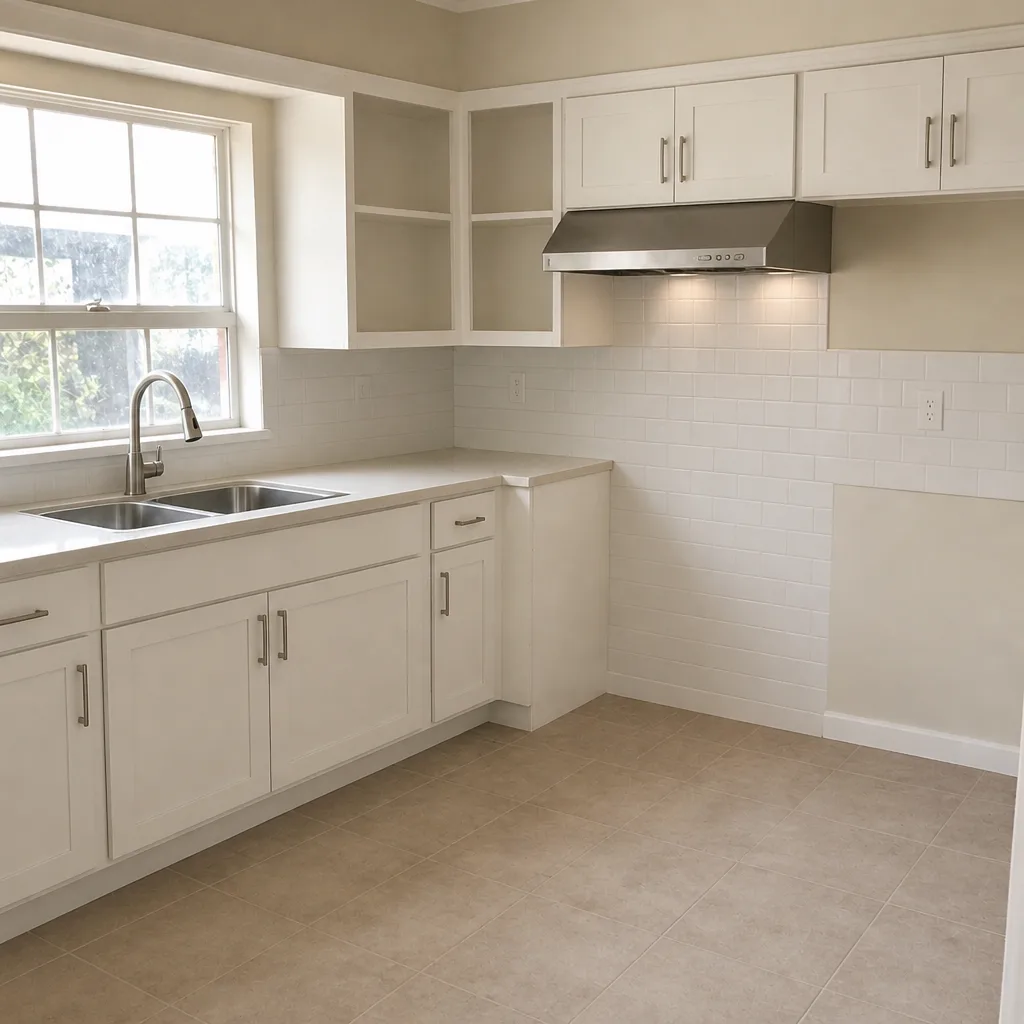
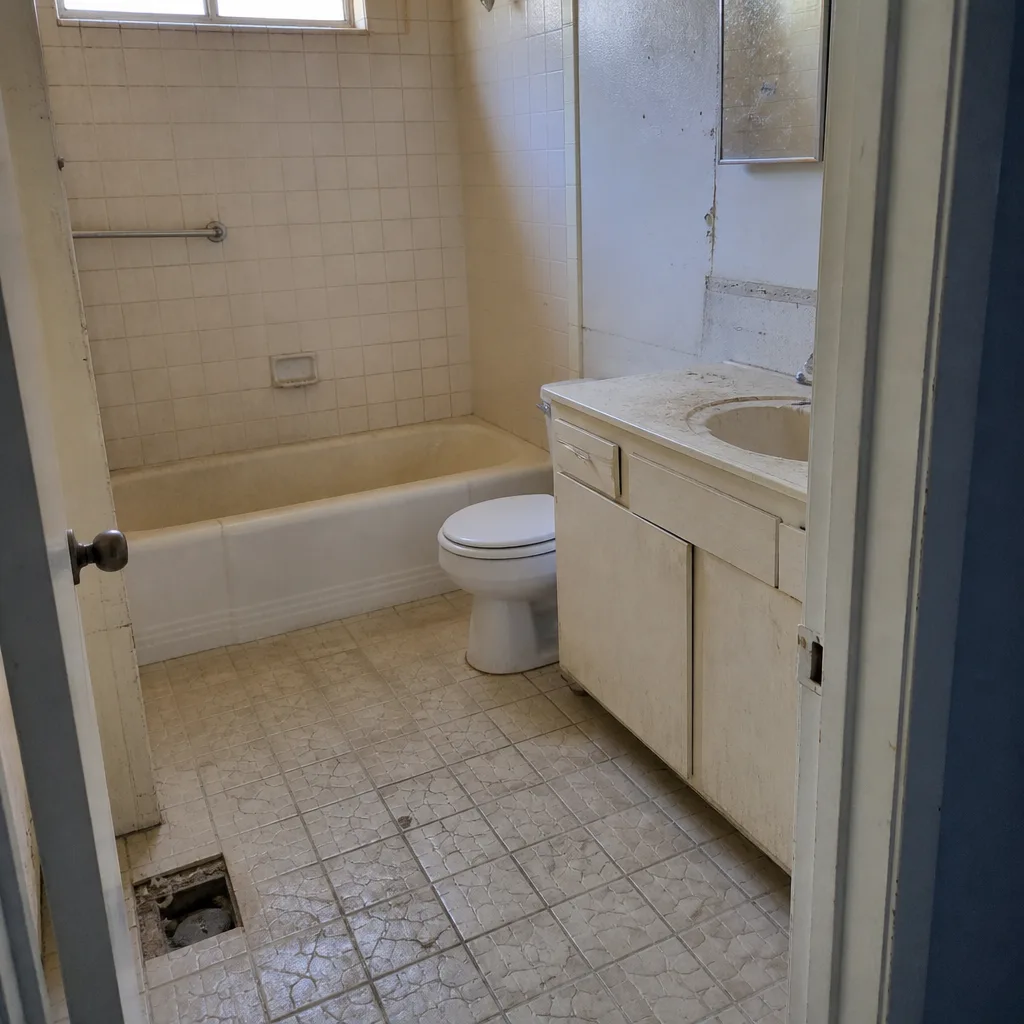
See the difference
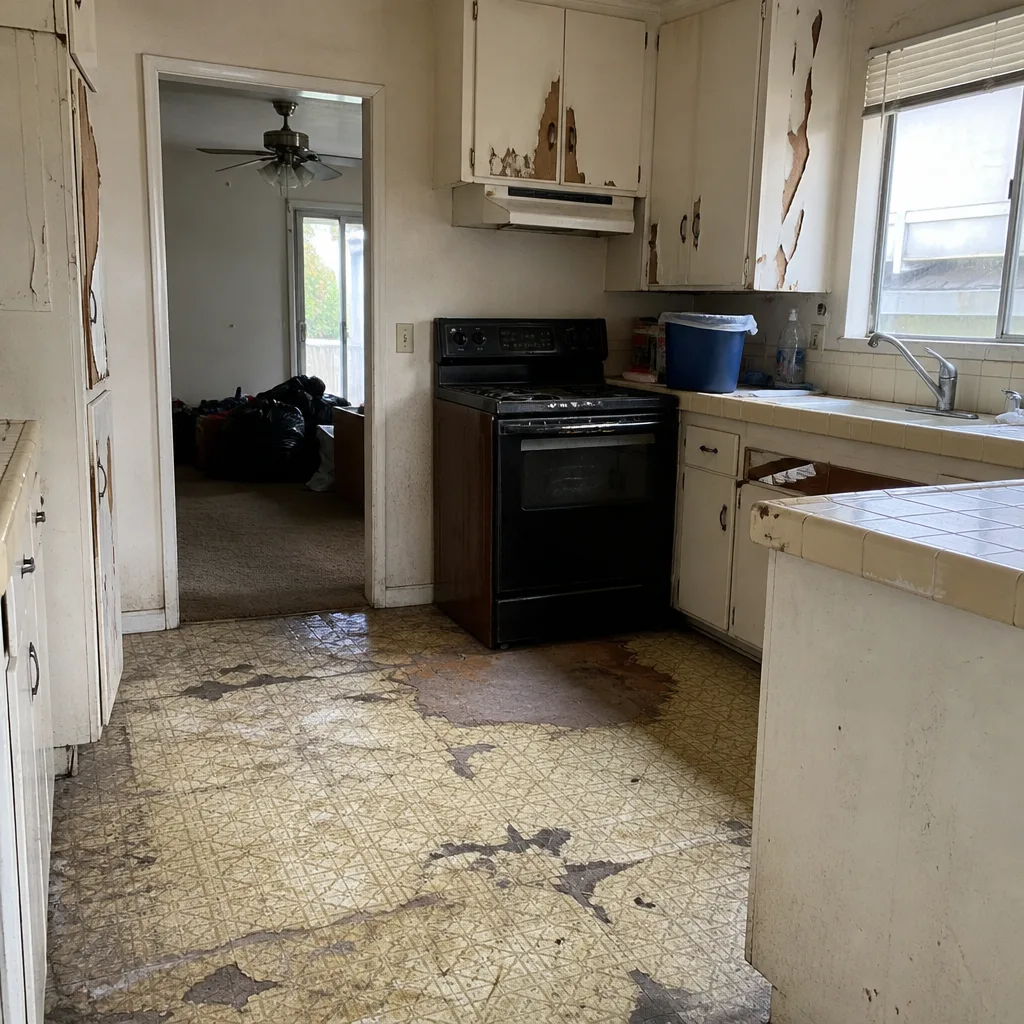 Before
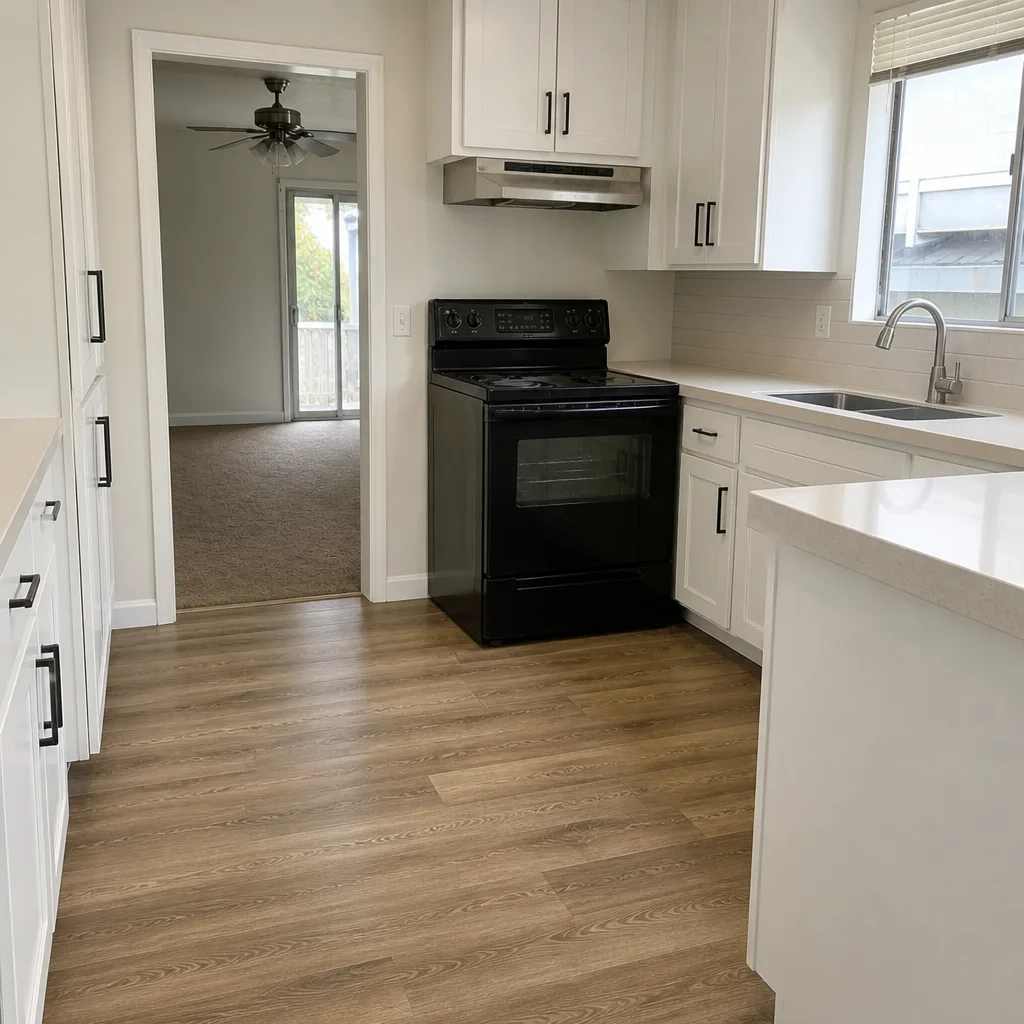 After
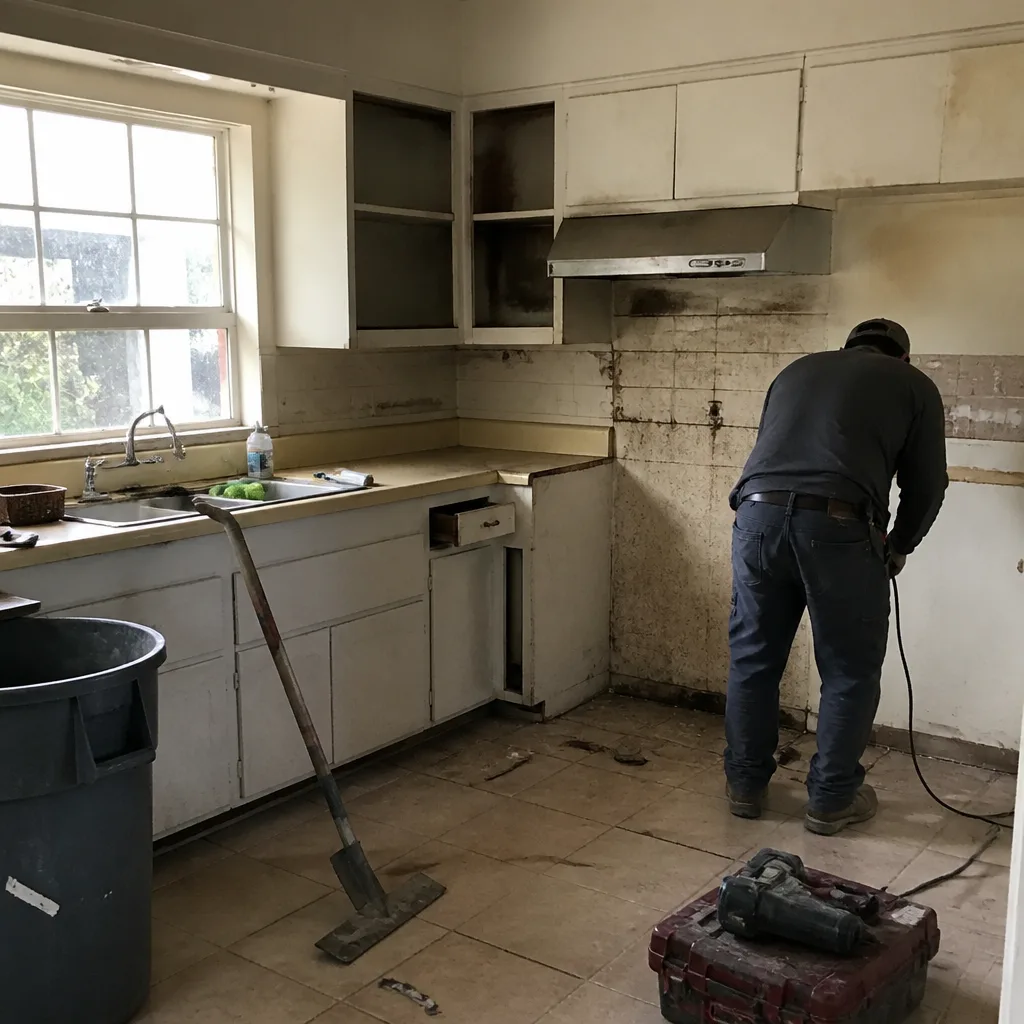 Before
 After
 Before
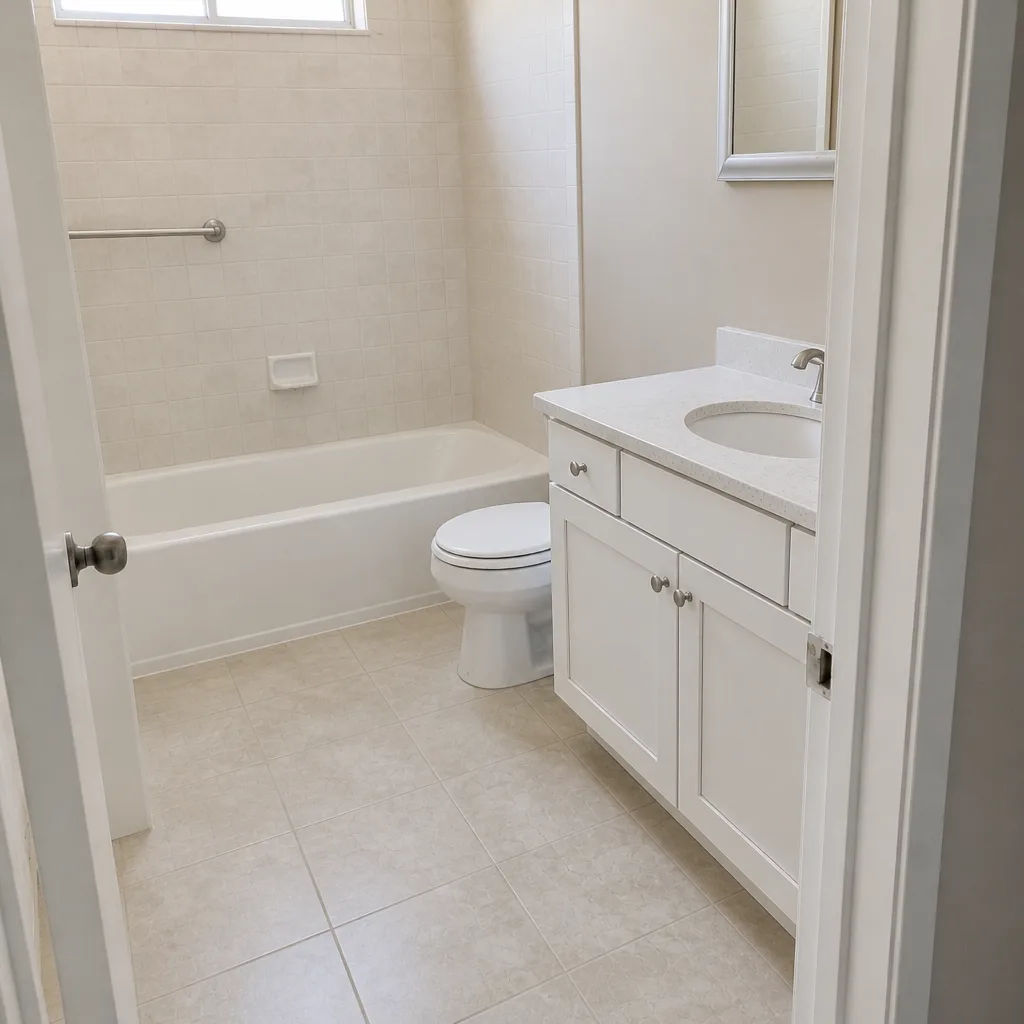 After
When to Call a Professional
Call a professional when the defect touches a system or a structure – a breaker that trips under normal load, a door that racks, a shower that blooms efflorescence across the grout line, or a header that sags. These are safety-relevant, and the fix belongs with a trained crew that can diagnose the cause behind the wall, not with a surface patch. If a structural or systems defect appears inside the warranty window, call the original contractor first, in writing; if they won’t respond inside thirty days, move to the CSLB path. Where the defect is structural and the project was permitted, SB 800 is the framework. Bradford Remodeling Co Costa Mesa offers free estimates in Costa Mesa – call (855) 659-2556, and our crew will walk the symptom, trace the cause, and give you a written scope before any work starts. Our technicians have up to 22 years of experience, and every completed project carries the 365-Day Done Right Promise – if the work fails inside that window, we return and correct it at no charge.
Frequently Asked Questions
California’s CSLB sets three warranty windows: one year for fit and finish, two years for systems like plumbing and electrical, and ten years for structural defects. The windows start at project completion and sign-off, not contract signing. Call (855) 659-2556 for a free estimate that includes the written warranty terms in the scope.
Usually yes. Efflorescence is mineral salts drawn to the surface by moisture migrating through the assembly, and on a shower wall or bathroom floor the source is almost always the waterproofing layer beneath the tile. Surface re-caulking won’t fix a membrane failure. Photograph the bloom, call the original contractor in writing, and if the job is older, call us for a free diagnostic estimate.
Pull the original written scope, the change orders, and the inspection record. If the failure traces to installation – drywall cracking at a fresh corner, a door that racks, a breaker that trips under added load – it’s a contractor defect. If it traces to structure or systems documented as pre-existing, it’s typically the homeowner’s condition. When it’s unclear, ask the contractor for a written statement of the defect’s cause. Call (855) 659-2556 to schedule a free estimate and diagnostic.
Gather dated photos and a short video, the signed contract and written scope, any written change orders, and the inspection sign-off record from the Costa Mesa Building & Safety Division. Send a dated written notice by certified mail describing the defect and the remedy. Documentation is what separates a fix that gets corrected for free from one that gets disputed.
SB 800 applies to residential construction defects, including remodels on permitted projects, and it gives a ten-year window for structural defects. If the remodel was not permitted or the addition was built before current code without an inspection record, SB 800’s protections don’t apply. Confirm the permit record before you rely on it.
Send written notice by certified mail and give the contractor 30 days to respond. If they don’t, file a CSLB complaint; the CSLB can order a correction or move to suspend a license. If the correction goes unpaid, the contractor’s surety bond is the recovery mechanism. The small-claims or civil-court step follows if the amount in dispute warrants it.
The Bottom Line
Most post-remodel problems come down to a single question: is the failure installation or pre-existing condition? California’s three warranty windows – one year for fit and finish, two years for systems, ten years for structural defects – tell you which frame the claim falls inside, and the symptom tells you the cause. Efflorescence, drywall corner cracks, tripping breakers, and racking doors are installation failures, and they’re the contractor’s fix. The documentation path – dated photos, scope, change orders, inspection record – is what makes the fix happen. And a written guarantee, like the 365-Day Done Right Promise, is what turns a verbal promise into a written one you can hand to the CSLB. If you’re facing a defect in Costa Mesa and you need a second opinion, call (855) 659-2556 for a free estimate.
For the full picture of how a properly documented remodel runs, from written price to inspection sign-off to written guarantee, start with the Bradford Remodeling Co Costa Mesa home page. For a kitchen project, the Kitchen Remodeling in Costa Mesa page walks the sequence; for a bathroom, the Bathroom Remodeling in Costa Mesa page does the same. And for a whole-home project, the General Contractor in Costa Mesa page lays out what The Garrison Standard requires on every job. Call (855) 659-2556 to schedule your free estimate – a live person answers, 24 hours a day.
Written by the team at Bradford Remodeling Co Costa Mesa.