Last updated November 18, 2026


Free written scope consultation - allowances, timeline, and change-order rules on paper before a single trade is scheduled
How Long Does Kitchen Remodeling Take? Timelines and What to Expect
Cabinet lead times alone can run 6 to 14 weeks. That single fact reshapes everything about kitchen remodeling timelines. If a contractor orders cabinets after demolition starts, the project has already gained two months before the first tile is set. The real schedule is decided in week one, not in week eight. Permit lead times, cabinet lead times, and the order of trades determine whether a kitchen finishes in seven weeks or fourteen. This guide breaks down every phase with realistic day counts, explains why countertop templating forces a mandatory wait most homeowners never see coming, and shows what a written schedule should look like before demolition day in Costa Mesa.
Quick Answer
A typical full kitchen remodel takes 6 to 12 weeks from demolition to final walkthrough, with most Costa Mesa projects landing in the 8 to 10 week range. Add 3 to 6 weeks on the front end for design, permits, and material ordering. Cabinet lead times of 6 to 14 weeks and countertop fabrication of 7 to 14 days are the two largest schedule drivers. A “hard start” – permit in hand, materials staged, subcontractors confirmed – is what keeps a project inside that window.
Styles & brands we work with
- Kitchen remodeling
- Bathroom remodeling
- Home additions & ADU
- Roofing
- Windows & doors
- Driveway & pavers
- Fence
Table of Contents
- The Phase-by-Phase Timeline (with Day Counts)
- Why Countertop Templating Creates a Mandatory Wait
- How Costa Mesa Permits Affect the Schedule
- Soft Start vs. Hard Start: What Each Means for Your End Date
- The Written-Schedule Checklist Before Demo Day
- Why the Order of Trades Matters More Than Crew Speed
- Costa Mesa Climate and Its Effect on Finish Work
The Phase-by-Phase Timeline (with Day Counts)
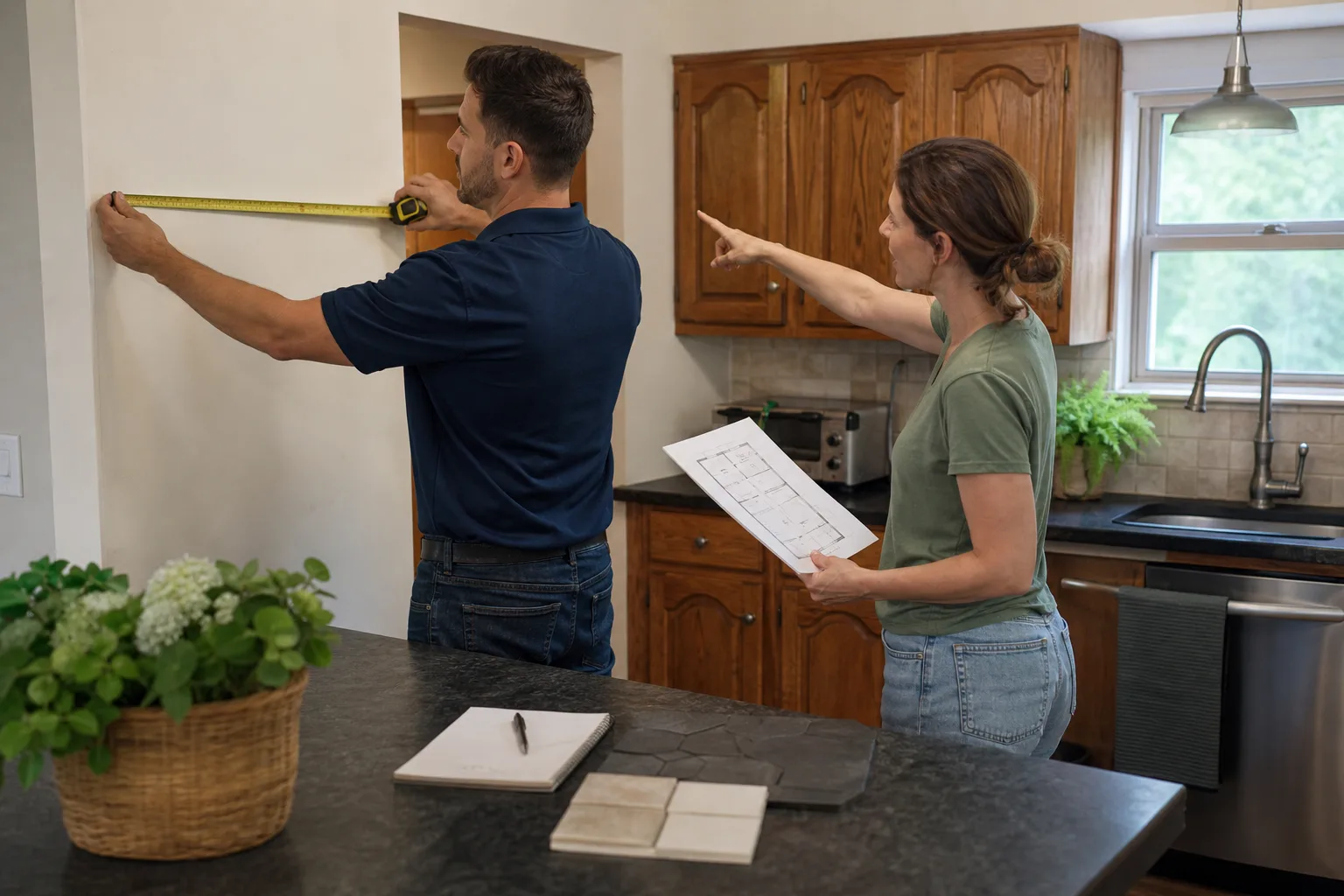
Here is the honest breakdown most contractors won’t put in writing. In our experience across Costa Mesa jobs, these are realistic day counts for a mid-size kitchen (roughly 150 to 250 square feet) with moderate layout changes.
- Pre-construction (3 to 6 weeks, before demo): Design finalized, permit application submitted to the City of Costa Mesa Building Division, cabinet order placed, appliances ordered. This is the longest phase and the one most homeowners underestimate.
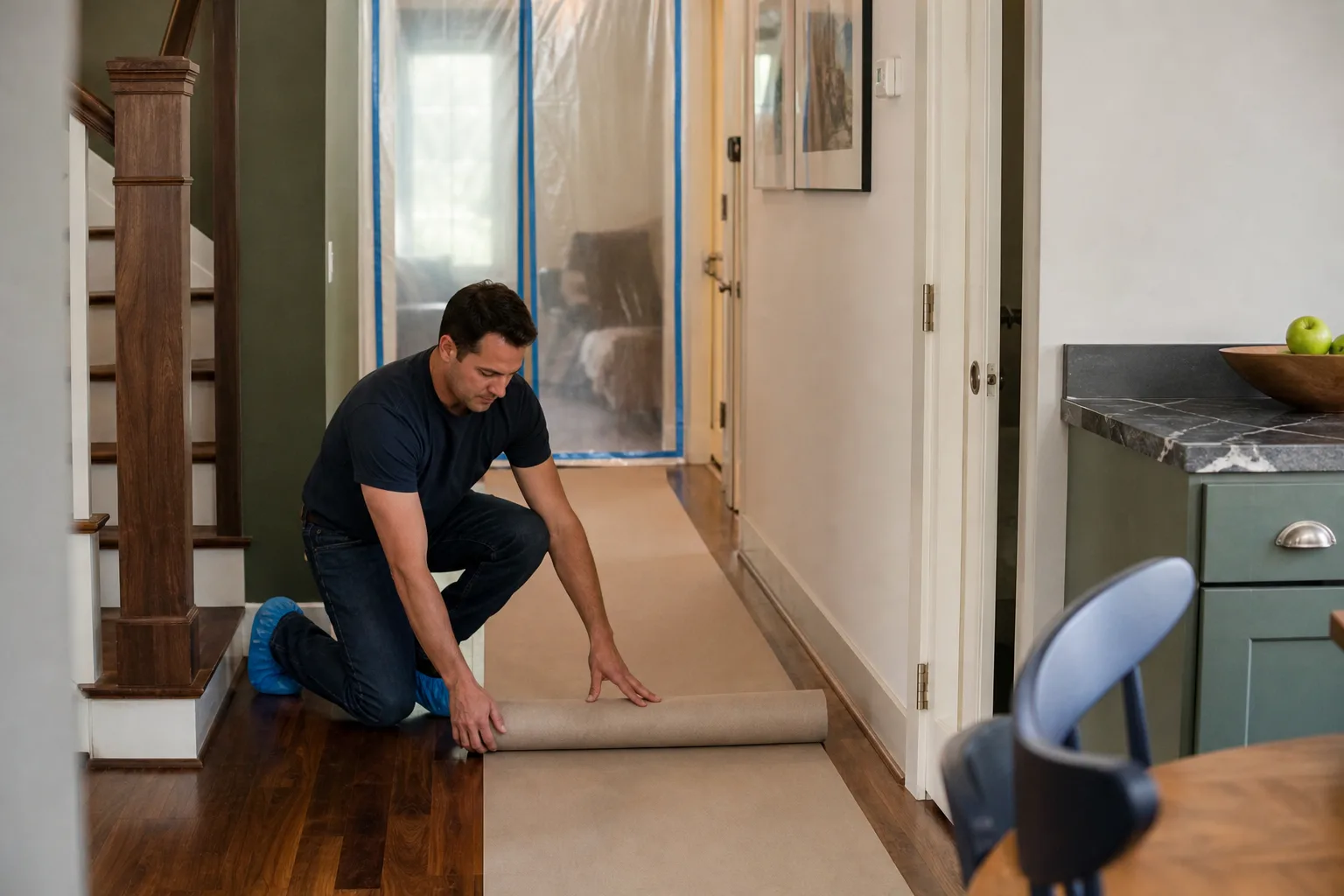
- Demolition (2 to 4 days): Cabinets out, countertops removed, flooring pulled, drywall opened where plumbing or electrical needs to move. Dumpster and dust containment set up on day one.
- Rough-in trades (5 to 10 days): Plumbing lines relocated, electrical circuits run, HVAC ductwork adjusted. Inspectors review framing, electrical, plumbing, and mechanical rough-ins separately.
- Inspection holds (2 to 7 days): Each rough-in trade may need its own inspection window. Costa Mesa inspection scheduling can add a few business days between phases if the contractor isn’t sequencing correctly.
- Insulation, drywall, and paint (7 to 10 days): Drywall hang, tape, texture, prime, and paint the ceiling and walls before cabinets go in. Paint after cabinet install means rework.
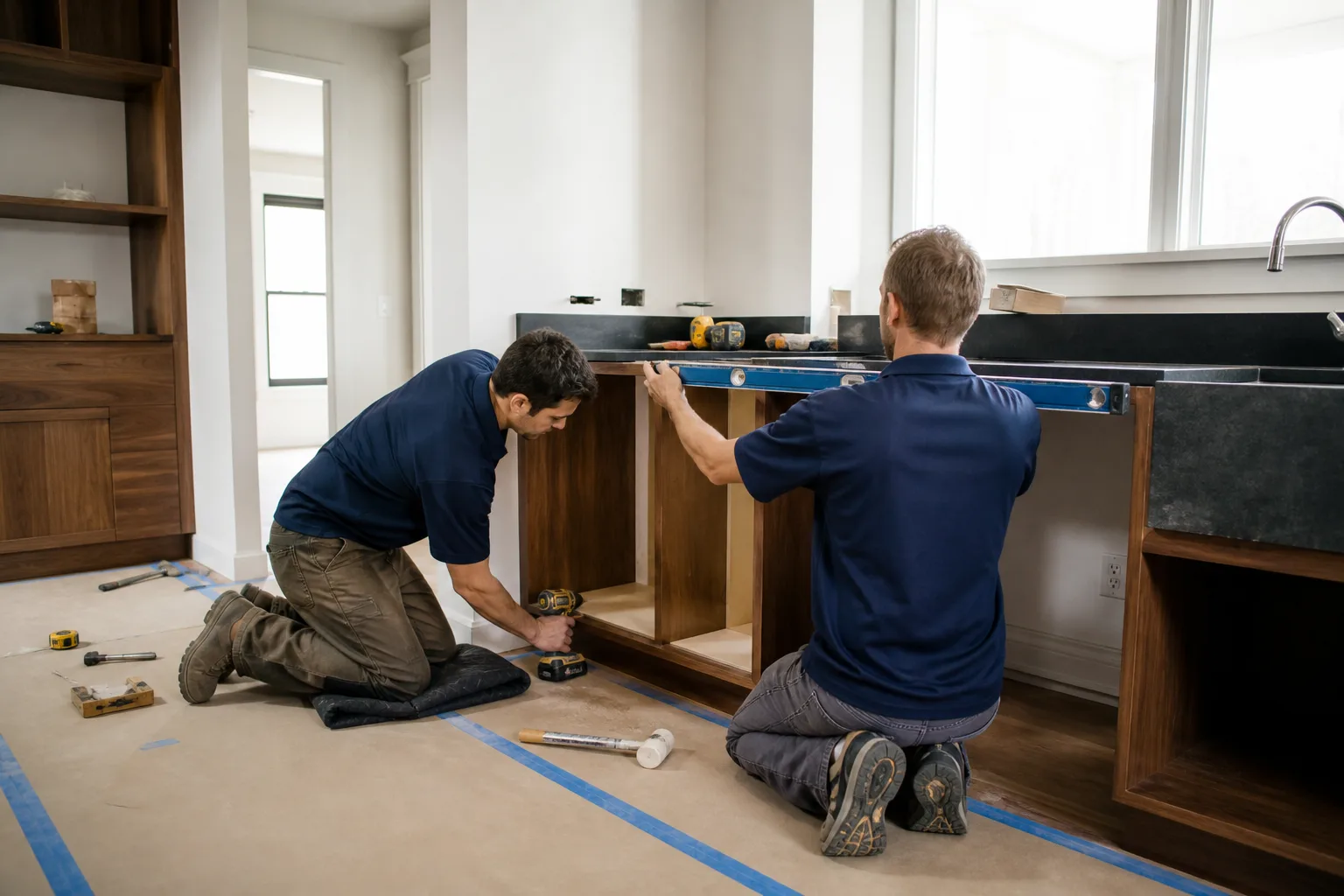
- Cabinet install (3 to 5 days): Boxes hung, leveled, shimmed, doors and drawers adjusted. Crown molding and light rail added to finish.
- Countertop templating (day after cabinets complete): Templater measures the exact installed cabinet footprint. See the next section – this is the wait nobody plans for.
- Countertop fabrication (7 to 14 days): Cambria or Caesarstone slabs cut to template. Install takes about half a day once slabs arrive.
- Finish work (10 to 15 days): Backsplash tile, plumbing trim-out (Kohler or Moen fixtures set), electrical trim-out (outlets, switches, under-cabinet lighting), appliance install, flooring final, trim, and touch-up paint.
- Final walkthrough and punch list (1 to 2 days): Documented scope reviewed, signed written guarantee handed over.
Add those phases up and a well-run Costa Mesa kitchen lands in the 8 to 10 week range. Sloppy sequencing can push past 14 weeks.
Why Countertop Templating Creates a Mandatory Wait
This is the schedule trap most homeowners don’t see coming, and it’s worth explaining carefully because it’s a physics problem, not a contractor problem. Countertop slabs cannot be cut from a rough drawing. They must be templated against the cabinets once those cabinets are fully installed, shimmed, and leveled – because the wall behind a kitchen is never perfectly flat and the cabinets themselves are never perfectly square. A templater measures the actual installed footprint in three dimensions.
The sequence is fixed:
- Day X: Cabinets fully installed, shimmed level, screwed off, crown molding on.
- Day X+1: Countertop templater on site. Physical template or digital scan. About 2 hours.
- Days X+2 to X+14: Slab is cut at the fabrication shop. Cambria and Caesarstone both go through this step – it’s not a delay, it’s the process.
- Day X+14 or so: Countertop install, typically 4 to 6 hours for a standard kitchen.
That means a mandatory 7 to 14 day wait that no amount of crew speed can compress. A contractor who tells you countertops will be “ready when cabinets go in” is either misunderstanding the process or cutting a corner that will show up as a bad seam or a cracked slab later. In our experience, homeowners who understand this wait upfront don’t panic when day three of the fabrication window arrives – they know the timeline was built with it in mind.
How Costa Mesa Permits Affect the Schedule
Permits are the quiet timeline killer. A kitchen remodel that moves plumbing, electrical, or load-bearing walls needs a permit from the City of Costa Mesa Building Division, and the review process can add 2 to 5 weeks depending on scope and current workload. A cosmetic-only remodel – cabinet and countertop swap with no plumbing or electrical relocation – may qualify for a faster over-the-counter path, but it still requires the pull.
Here is the hidden risk homeowners miss: a contractor who skips the permit or starts work before the permit is issued hasn’t saved time. They’ve delayed the project by months, because:
- Inspections can’t happen without a permit – which means rough-in trades get signed off informally or not at all, leaving future buyers or appraisers a paper trail that fails when you sell.
- Red-tag risk: Costa Mesa code enforcement can stop a job midstream if a permit isn’t on file. Demolition done, cabinets installed, project frozen until the permit is pulled.
- Insurance complications: if something fails – a plumbing leak, an electrical fire – the homeowner’s policy can deny the claim for unpermitted work.
- Resale disclosure: unpermitted kitchen work in Costa Mesa has to be disclosed, and buyers negotiate hard against open permits.
Our policy is straightforward. We pull the permits, pass the inspections, and hand over the inspection record as part of the completed scope. Bradley Remodeling Co Costa Mesa builds the permit window into the schedule from week one – not as a surprise, but as a known phase. If your contractor is charging less than a permitted competitor, ask to see the permit number before they swing a hammer.
Soft Start vs. Hard Start: What Each Means for Your End Date
Two kitchens can look identical on paper and finish three weeks apart. The difference is almost always the start type.
A soft start means the crew shows up on the promised day, but materials aren’t staged, the permit isn’t pulled, or a key subcontractor isn’t confirmed. Demolition happens, and then the crew waits – waiting for the permit to clear, waiting for cabinets to arrive, waiting for the electrician’s next open window. Every subsequent milestone slides backward. The homeowner sees a crew for two days, then nothing for ten, then a flurry, then nothing again. This is the pattern most “no-show contractor” stories describe.
A hard start means the opposite. Permit in hand is step one. Cabinets ordered and delivery date confirmed is step two. Every subcontractor – plumber, electrician, HVAC, drywall, tile, painters – has scheduled their window against the calendar, not “sometime in March.” The dumpster is on-site before demo day. The demo crew knows what they’re removing and where the debris goes.
The gap between a soft start and hard start typically shows up as 2 to 4 weeks on the end date. It’s not a race; it’s a plan. Ask any contractor you interview: “On the day the crew starts, will the permit be posted, the cabinets be in the order log with a delivery date, and every sub confirmed?” The answer tells you what your timeline actually is.
The Written-Schedule Checklist Before Demo Day
A legitimate contractor hands the homeowner a written schedule before any demolition begins. Not a verbal promise. Not a text. A printed or emailed document with milestone dates tied to specific deliverables. Here’s what should be on it.
- Permit issue date and permit number. The contractor’s name and license number should appear on the permit as the responsible party.
- Cabinet order date, expected delivery date, and staging location. Includes the specific cabinet line (KraftMaid, Wellborn, etc.).
- Demo start date and demo duration in days.
- Each rough-in trade’s start and completion date – plumbing, electrical, HVAC – with the intervening inspection dates.
- Drywall and paint dates, including cure time before cabinet install.
- Cabinet install window and templating date. Templating should fall on the day after cabinets complete, not “a week or so later.”
- Countertop fabrication window and install date. Seven to fourteen days for fabrication is standard and should be explicitly scheduled.
- Finish-work block – tile, trim-out, appliance install, final paint, punch list.
- Final walkthrough date and the day the signed 365-Day Done Right Promise is handed to the homeowner.
Alongside the schedule, the contractor should hand over a written line-item price – the full scope in dollars, not a “call for a quote” placeholder – before any work begins. That document and the schedule together are the difference between a plan and a promise. If a contractor won’t produce both, the timeline is fiction.
Why the Order of Trades Matters More Than Crew Speed
You can’t compress a kitchen schedule by hiring faster people. You compress it by running trades in the correct order. Rushing a plumber in before the framing is signed off means the plumber comes back – and the schedule pays for the visit twice. Two crews arriving at once to “save time” usually means one is working around the other, and the inspection log gets scrambled.
The correct sequence in nearly every Costa Mesa kitchen remodel is fixed:
- Demolition first, but only after permits are posted.
- Plumbing and electrical rough-in next, coordinated day by day because they share wall cavities.
- HVAC adjustments before drywall goes up – never after.
- Rough-in inspection before insulation.
- Insulation, drywall, tape, texture, primer, paint.
- Cabinet install, then countertop templating, then finish work.
Trade order is a scheduling decision, not a tradesperson skill. Skipping it is the single most common reason a kitchen that could finish in 9 weeks takes 14. If you want to see how we structure this alongside the rest of the home, look at our general contractor services in Costa Mesa – the sequencing discipline is the same.
Costa Mesa Climate and Its Effect on Finish Work
Costa Mesa’s coastal climate is generally forgiving, but it does affect one phase of the timeline in a way inland contractors sometimes miss. The marine layer – the morning cloud cover that burns off by late morning in most of the year – keeps ambient humidity higher than inland Orange County. That matters in two places.
First, drywall mud and paint cure more slowly in high humidity. A drywall finish that would take 3 days inland may stretch to 4 in Costa Mesa because each coat needs to fully dry before the next. Skipping the dry time leaves ghost seams visible later under raking light. Second, wood cabinets swell slightly in elevated humidity, which is why installation requires careful shimming and a full 24-hour acclimation window with the cabinet boxes on-site before they’re hung. KraftMaid and Wellborn both publish acclimation guidance; a contractor who installs boxes the hour the truck arrives is asking for door-alignment problems three weeks later.
None of this adds weeks. It adds a day here and a day there, and those days are already built into a realistic 8 to 10 week schedule. If you want the same sequencing applied to a smaller kitchen project, see our kitchen remodeling services in Costa Mesa.
Common Mistakes to Avoid
- Ordering cabinets after demo starts. Cabinets have to be ordered at the same time the permit is submitted, not after the walls are open. A 10 week cabinet lead time started on demo day pushes the kitchen past 5 months.
- Skipping the permit to “save a few weeks.” Unpermitted Costa Mesa kitchens get red-tagged during code enforcement sweeps and disclosed at resale. The weeks saved disappear quickly when the project stalls.
- Picking countertops before cabinets are chosen. Slab thickness, edge profile, and overhang all depend on the cabinet dimensions. Lock cabinets first, then counters.
- Assuming the contractor will “work around” a missing permit. Inspectors don’t. The rough-in trades get sent home, and the schedule starts over.
- Booking a demo date without a written schedule. A verbal “we should be done in about 8 weeks” is not a schedule. It’s a hope. Ask for milestone dates in writing before demo.
- Moving plumbing and electrical “just because.” Relocated plumbing adds rough-in days, inspection complexity, and material cost. Move what needs moving; leave the rest.
- Scheduling the appliance delivery before the countertop install date. Appliances dropped off week four sit in a garage for six weeks and sometimes arrive damaged. Time the delivery to the finish-work phase.
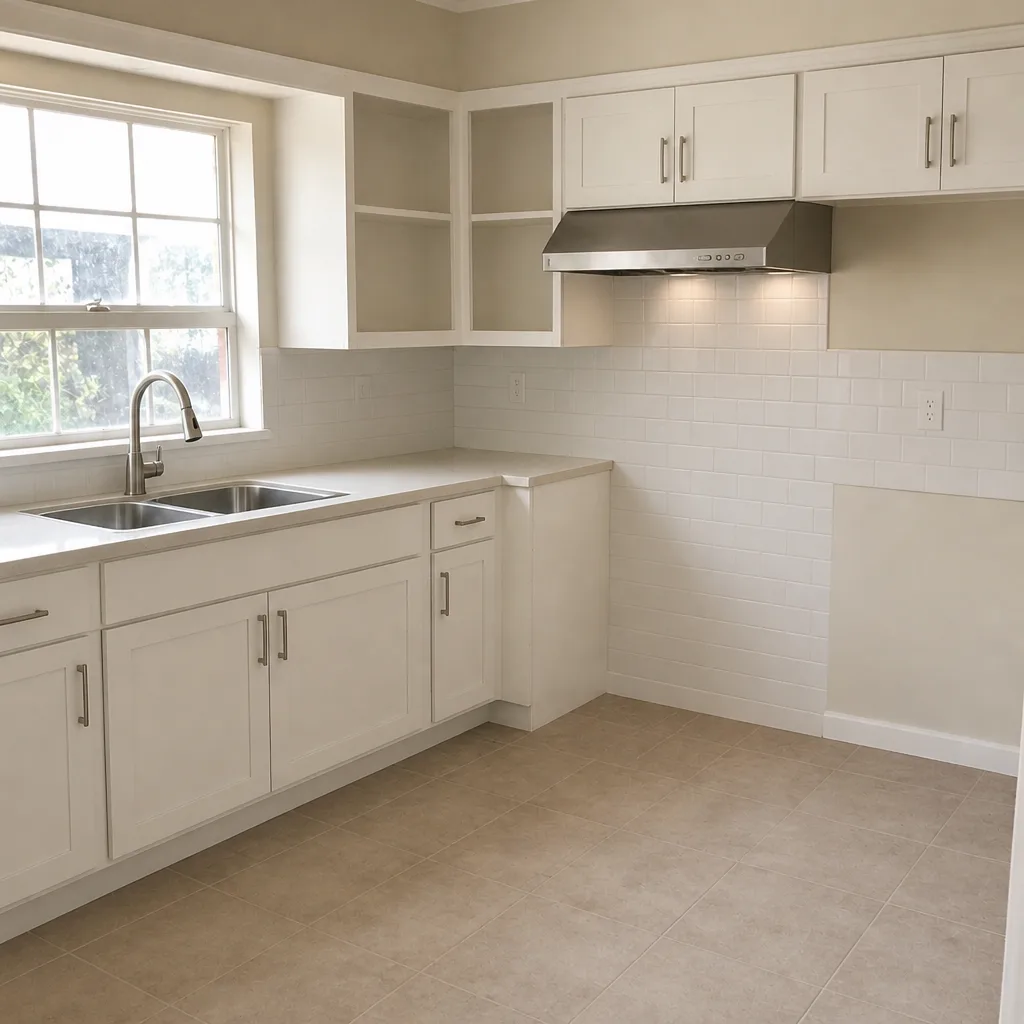
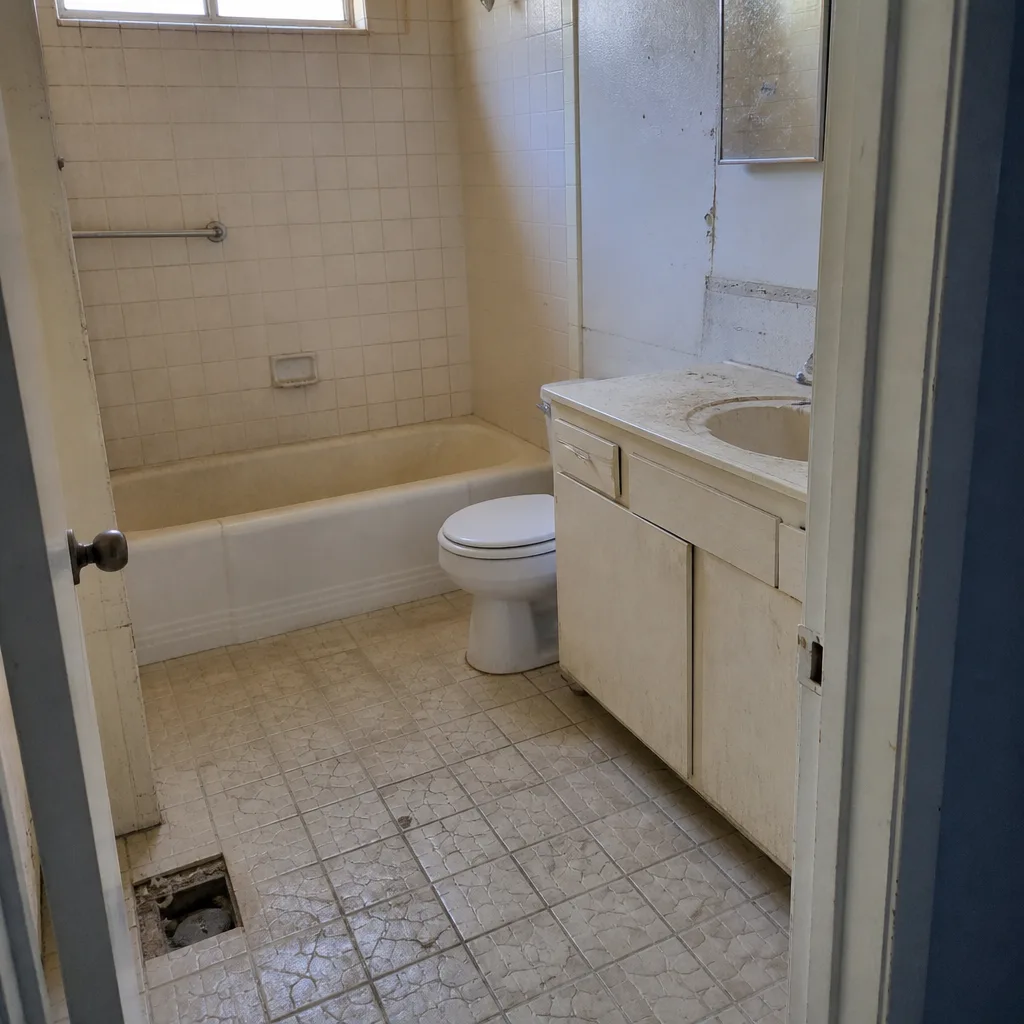
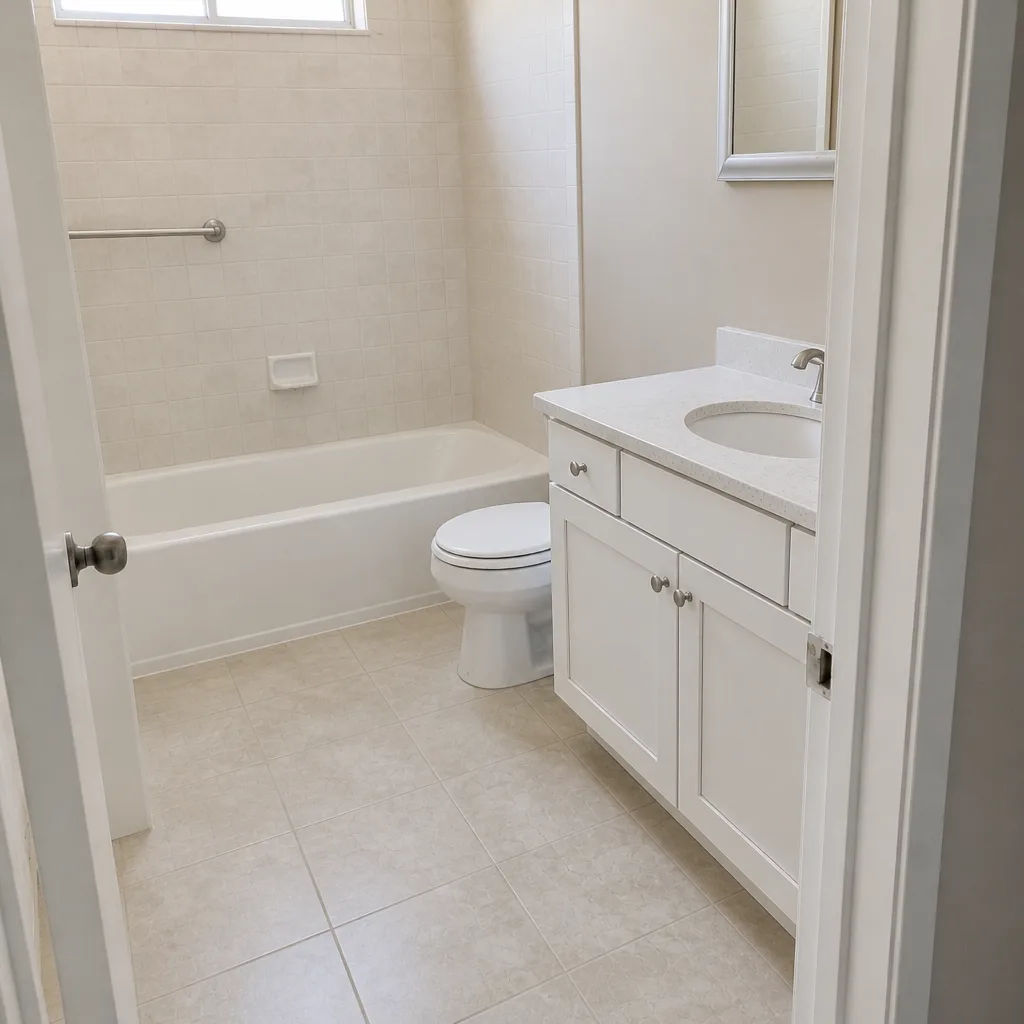
See the difference
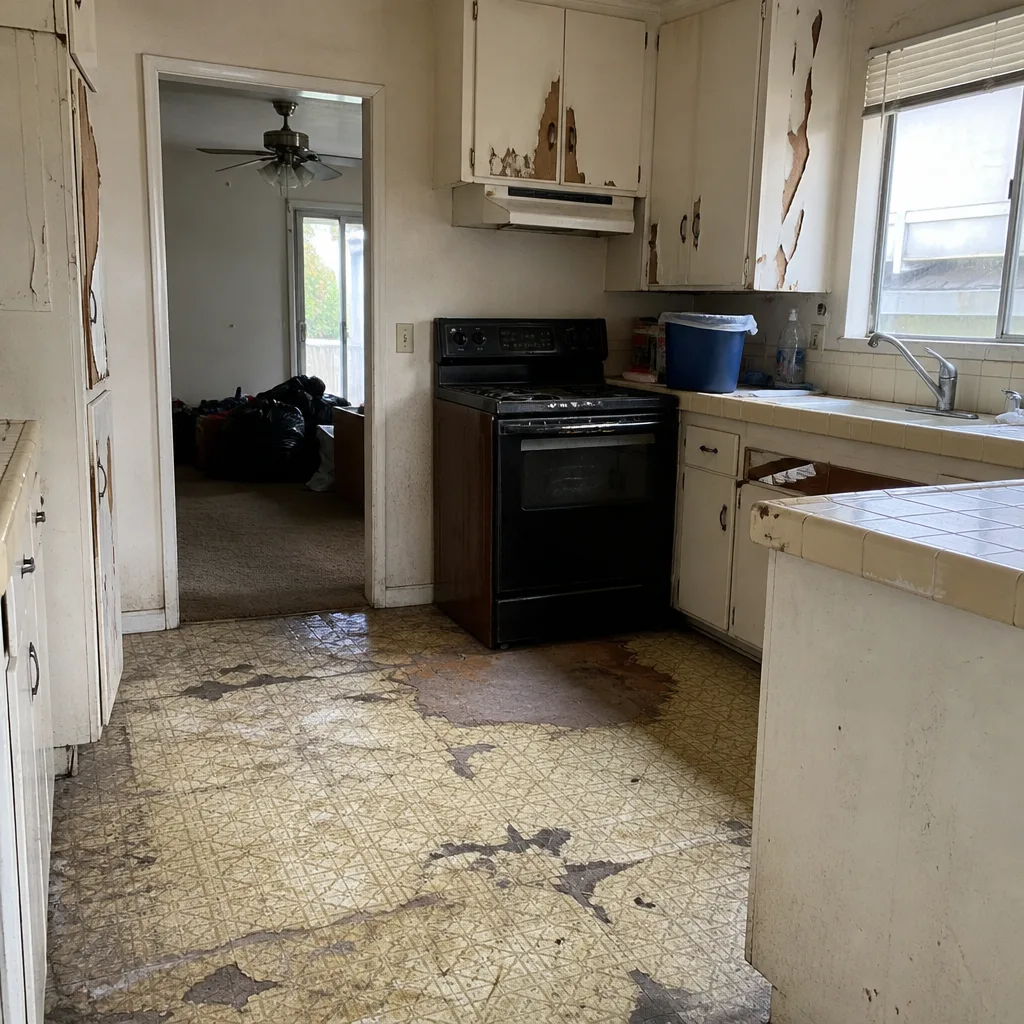 Before
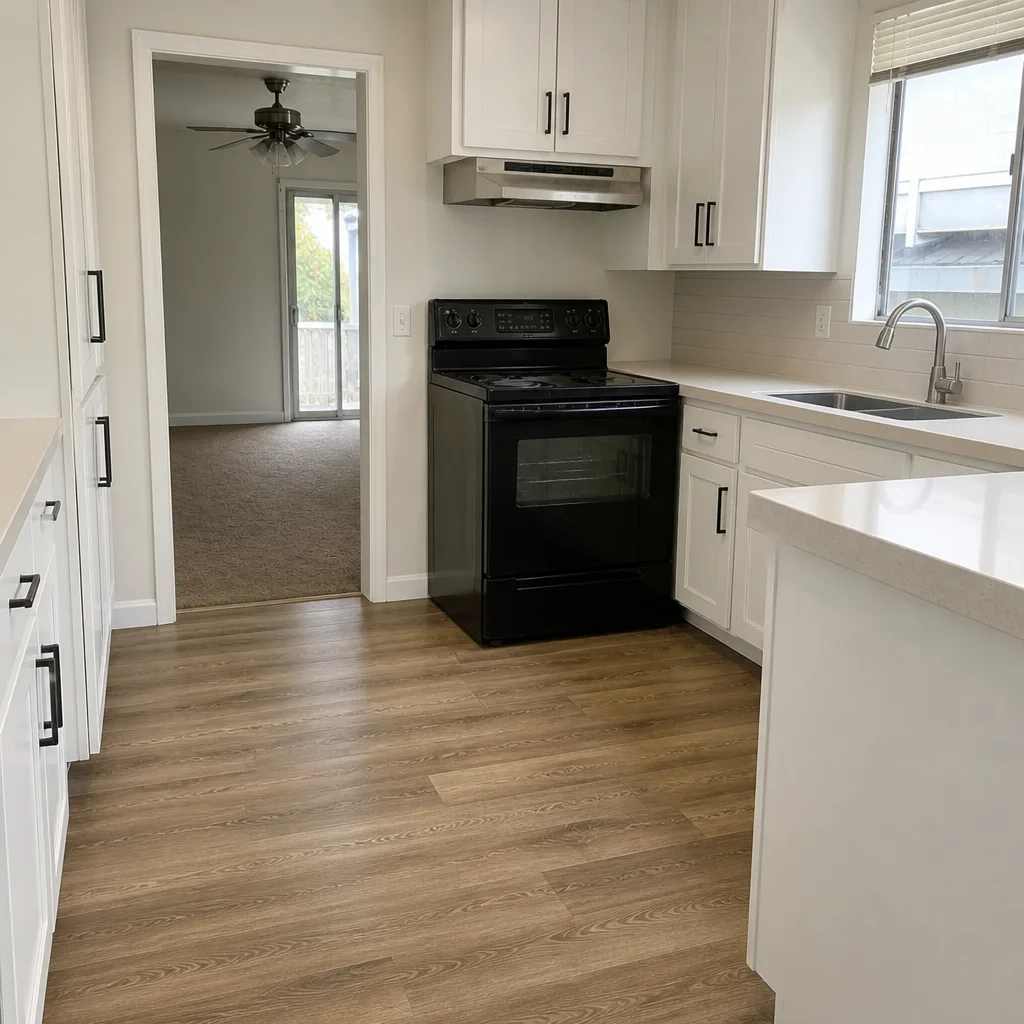 After
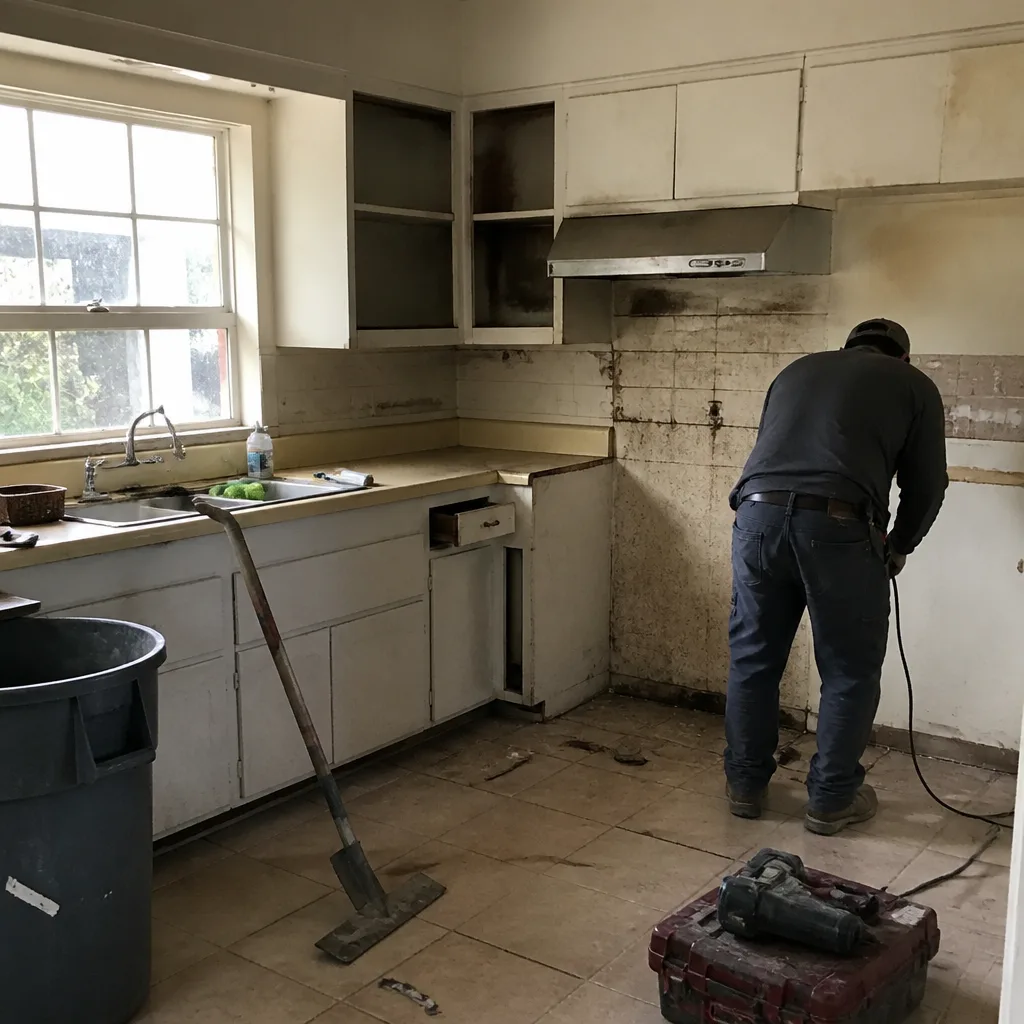 Before
 After
 Before
 After
When to Call a Professional
DIY makes sense for a backsplash tile job or a cabinet pull swap. It doesn’t make sense when the kitchen involves moving plumbing, relocating a gas range line, adding circuits for new appliances, or opening a wall. Those are permit-and-inspection jobs, and the timeline risk compounds fast when a homeowner discovers mid-demo that the wire gauge isn’t rated for the new induction cooktop – and has to wait two weeks for an electrician. If you’re planning a layout change, a full cabinet replacement, or any work that touches the rough-in trades, that’s a professional project. The schedule depends on it.
Bradford Remodeling Co Costa Mesa offers free estimates in Costa Mesa – call (855) 659-2556. You’ll get a written line-item price and a written schedule before any tool comes out, both backed by The Garrison Standard.
Frequently Asked Questions
Most Costa Mesa kitchen remodels take 8 to 10 weeks from demo to final walkthrough, plus 3 to 6 weeks upfront for design, permitting, and cabinet ordering. City of Costa Mesa permit reviews typically add 2 to 5 weeks before demo can begin. Call (855) 659-2556 for an exact quote for your kitchen – estimates are free.
Yes, most homeowners do, but expect disruptions for the full 8 to 10 weeks. We recommend setting up a temporary kitchen in another room – microwave, mini-fridge, coffee maker, dish basin – before demo starts. Dust containment goes up on day one, and the crew works to keep traffic paths clear. Ask your contractor how they handle dust barriers; it’s a legitimate scheduling question.
Because countertop slabs can’t be cut from a drawing. They’re templated against the actual installed cabinets once those are shimmed level, then fabricated 7 to 14 days later. No crew speed can compress this window. Cambria and Caesarstone both go through the same template-fabricate-install cycle. It’s the single largest fixed wait after cabinets.
Yes, if the work moves plumbing, electrical, gas, HVAC, or any structural element. The City of Costa Mesa Building Division processes these permits, and every responsible contractor pulls them in the homeowner’s name and posts them on-site. Minor cosmetic work still requires the pull. Skipping it creates hidden risk at resale. Call (855) 659-2556 – we pull and pass every permit.
Kitchen remodels in Costa Mesa typically land between $45,000 and $95,000 depending on square footage, cabinet line, and whether plumbing or electrical relocates. A cosmetic refresh runs lower; a layout change with high-end KraftMaid or Wellborn cabinetry and Cambria surfaces runs higher. You’ll get a written line-item price before work starts, with no numbers that move at the door. Call (855) 659-2556 for an exact quote.
No, not on a properly contracted job. Bradford’s written price is fixed before any work begins, and change orders only appear when the homeowner requests added scope – not because a crew member found something “unexpected.” Any legitimate contractor should give you the same commitment in writing. Free estimates in Costa Mesa: (855) 659-2556.
It’s a written guarantee that covers every completed project for a full year from the completion date. If the work fails inside that window – a cabinet door that separates, a plumbing trim that leaks, a tile joint that cracks – Bradford returns and corrects it at no charge. It’s handed over in writing at the final walkthrough. See the Bradford Remodeling Co Costa Mesa home page for the full standard.
Ask for a written schedule with milestone dates tied to specific deliverables – permit issue date, cabinet delivery date, templating date, countertop install date. A verbal “about 8 weeks” isn’t a schedule. If you’re also planning bath work alongside the kitchen, see our bathroom remodeling in Costa Mesa for how we sequence overlapping projects.
The Bottom Line
Kitchen remodeling timelines are decided in week one, not week eight. Cabinet lead times of 6 to 14 weeks, City of Costa Mesa permit windows of 2 to 5 weeks, and a mandatory 7 to 14 day countertop fabrication wait are the three fixed clocks every project runs against. Sequence them correctly and Costa Mesa kitchens finish in 8 to 10 weeks. Sequence them badly and the same kitchen drags past 14. The difference between a soft start and a hard start is 2 to 4 weeks on the end date, and the difference between a verbal promise and a written schedule is whether the homeowner ever knows which one they got. Get the schedule, the written price, and the signed guarantee in your hand before demo day.
Contact
If your kitchen is on the calendar for this year, we’ll hand you a written line-item price and a milestone schedule before any demo starts, backed by The Garrison Standard and the 365-Day Done Right Promise. Background-checked, uniformed technicians on every job. Live person answers the phone around the clock. Call (855) 659-2556 for a free estimate, or explore the full service lineup – bathroom remodeling in Costa Mesa and general contractor services in Costa Mesa run on the same schedule discipline.
Written by the team at Bradford Remodeling Co Costa Mesa.