Last updated November 18, 2026







Free written scope consultation - allowances, timeline, and change-order rules on paper before a single trade is scheduled
Seasonal Construction Care for Costa Mesa: Year-Round Homeowner’s Guide
Costa Mesa averages 281 sunny days a year, which sounds like low risk until you learn what that sun does to a house. Sustained UV breaks down standard exterior caulk to a chalky film in 18 to 24 months. What should be a $40 maintenance item quietly becomes a $4,000 water intrusion repair by the time the January rains find the gap. This guide covers the two cycles that actually matter in Costa Mesa: the dry, UV-heavy summer that degrades coatings and sealants, and the wet December-through-March window that exposes every deferred waterproofing job in a single storm. You’ll get inspection sequences, product guidance, and project timing advice specific to this city.
Quick Answer
Costa Mesa homeowners should schedule exterior sealant and coating maintenance between late September and early November, before the winter rains, and avoid painting stucco during the May-June marine layer because moisture trapped under fresh coating causes premature failure. Permitted remodeling projects should be submitted in late fall or early summer to dodge the January-February submittal spike, which adds 3 to 5 weeks to approval times. Exterior inspection matters more than interior maintenance here because UV and rain, not cold, drive most of the damage.
Styles & brands we work with
- Kitchen remodeling
- Bathroom remodeling
- Home additions & ADU
- Roofing
- Windows & doors
- Driveway & pavers
- Fence
Table of Contents
- October Pre-Rainy-Season Inspection: The Sequence That Matters
- Summer Exterior Maintenance: Which Sealants Survive UV and Which Don’t
- Why June Gloom Is the Worst Time to Paint Stucco in Costa Mesa
- Permit Timing: How to Work Around Costa Mesa’s Queue Slowdowns
- Post-Storm Inspection Protocol After a 2-Inch Rain Event
- Interior Care Through the Dry Season
- When to Call a Professional
- Frequently Asked Questions
October Pre-Rainy-Season Inspection: The Sequence That Matters
Water intrusion cascades. It enters at the highest failing point and shows up at the lowest point inside the house, which is why homeowners often call us about a ceiling stain when the actual breach is at the window head flashing six feet above. Inspecting in the right order prevents that wild goose chase. Here’s the December-ready sequence we run on Costa Mesa homes in October.
- Roof flashing. Check step flashing at wall-to-roof intersections, the counter-flashing at chimneys, and the pipe boots. On GAF and CertainTeed systems the pipe boots are the first failure point, and they’re cheap to replace before a leak starts.
- Window head flashing. Look at the joint where the window head meets the stucco or siding. Any caulk joint that has gone chalky or pulled back needs to be cut out and replaced with a urethane or hybrid sealant, not a standard acrylic.
- Stucco weep screed clearance. The weep screed is the metal lip at the bottom of the stucco wall that lets moisture drain out. It must sit at least 4 inches above finished grade. When soil or mulch has been piled against it, water wicks into the wall and the stucco delaminates from the inside.
- Downspout discharge. Confirm every downspout empties onto a splash block or a section of drain pipe that carries water at least 3 feet from the foundation. On many Eastside lots the downspout dumps straight into the planter, and the foundation stem wall absorbs it.
If you find failing flashing or termite damage behind a stucco wall, that’s a job for a general contractor in Costa Mesa rather than a weekend project, because the repair has to tie back into the weather barrier.
Summer Exterior Maintenance: Which Sealants Survive UV and Which Don’t
Not all exterior caulk is built for Costa Mesa’s summer. The distinction that matters is between two product classes: acrylic and urethane/hybrid. Standard acrylic caulk has a place, but not on a south- or west-facing wall in this climate.
- Avoid: standard acrylic caulk outdoors. It has a place around trim where it’s shielded from direct sun, but on sun-hit surfaces it turns chalky and cracks within 18 to 24 months. It also re-emulsifies when wet, which is the opposite of what you want heading into the rainy season.
- Use: urethane or silyl-terminated hybrid sealants. These hold up to sustained UV and remain flexible as the substrate moves. The trade-off is they can’t be painted over with standard acrylic paint, so plan the color choices accordingly.
- Use: elastomeric masonry coatings on stucco and concrete. These bridge hairline cracks and resist UV breakdown. On south- and west-facing walls they hold their color longer than standard acrylic masonry paint.
- Skip: silicone on painted surfaces. Silicone won’t accept paint, so any future repair means grinding it out. Urethane does the same job and takes paint.
The rest of the summer to-do list is short: hose down and clear debris from the roof and gutters in July, check that tree limbs are at least 3 feet off the roof to prevent wind-driven limb contact, and touch up any exterior wood trim before UV turns it to splinters. Bakeries, hardware stores, and home centers around the city do a brisk trade in caulk every August. That’s not a coincidence.
Why June Gloom Is the Worst Time to Paint Stucco in Costa Mesa
June Gloom is the marine layer that parks over the South Coast in late May and June, holding overnight humidity high and keeping the sun off the walls until late morning. It’s beautiful, and it’s the worst possible window for exterior paint and coating work on stucco.
Stucco is a porous cement-based substrate. It absorbs moisture from the air, and it needs to dry from the inside out before coating. When you paint stucco while the wall is still holding moisture, the coating skins over, and the moisture gets trapped behind it. The result isn’t immediate. It shows up three to six months later as blistering, dull patches, or a white powdery chalk called efflorescence that pushes the paint off the wall.
The right window for exterior coating work in Costa Mesa is late September through October, once the marine layer has cleared and daytime humidity is back under roughly 70 percent. Early November can also work, but the closer you push toward the rains, the less room you leave for a second coat to fully cure. A full repaint of an average stucco home typically needs 3 to 5 warm, dry days. Scheduling that in October means the coating is fully cured before December.
The same logic applies to any water-based exterior product, including trim paint, garage doors, and painted hardboard siding. James Hardie fiber cement is more forgiving than wood, but the finish still needs dry conditions. If you’re re-siding or doing a full exterior remodel, talk to a Bradford Remodeling Co Costa Mesa home team member about sequencing the coating work around the most reliable dry window.
Permit Timing: How to Work Around Costa Mesa’s Queue Slowdowns
Costa Mesa permits don’t live on a flat schedule. They spike every January and February when homeowners resolve to start their remodel in the new year, then spike again in late spring. If you submit a permit application during one of those windows, expect 3 to 5 extra weeks on top of the typical review time.
For a kitchen remodel, the permit is usually a straightforward residential alteration. For a whole-home remodel or an addition, the plan check is deeper and the delay hurts more. Here’s how we recommend Costa Mesa homeowners time their submittals.
- Submit in late September or early October. The counters are quieter, plan checkers have more time, and you clear review before the January rush. That lines up approval with a late-fall or early-winter start.
- Submit in June or early July. The summer push doesn’t spike the way January does. You get the longest possible run of good weather for exterior work before the rains return.
- Avoid the second two weeks of January, all of February, and the week after Memorial Day. Those are the queues nobody wants to sit in.
- Confirm all site plan details before you submit. A resubmittal is the single biggest cause of delay, regardless of when you file.
If the scope includes a kitchen, plan around the same window. Our kitchen remodeling in Costa Mesa work is scheduled around these cycles for a reason: an approved permit on hand in October means the demo can start in November, not February. Bathroom permits run the same calendar. Read our bathroom remodeling in Costa Mesa guide if that’s the project you’re timing.
Post-Storm Inspection Protocol After a 2-Inch Rain Event
Costa Mesa’s 2-inch rain events are the test. A single storm like that can reveal a decade of deferred maintenance, and most of the evidence shows up below the first floor, not on the ceiling where homeowners look. Here’s the walkthrough sequence.
1. Crawlspace or under-house
Go down with a flashlight and look for standing water, fresh mud lines on the foundation piers, or a water stain on the vapor barrier that traces back to a specific wall. If you see water pooling, note where it’s coming in relative to the perimeter and take photos. The location of the pooling often points to the failing flashing.
2. Eaves and soffit
Look at the underside of the eaves at the soffit vents. Sagging, bubbling paint, or dripping means water is wicking behind the fascia board, likely at a failed gutter joint or a gutter that’s pitched the wrong way.
3. Foundation stem wall
Walk the exterior foundation. Look for dark patches on the stem wall where the water line is highest, and note whether the ground has settled or the soil is pulling away from the wall. Settling is normal. A deep trench filled with water that doesn’t drain is a grading issue, and it forces water against the foundation.
Document everything with photos and a short written note that includes the date and the rain amount. If a contractor has to look at it, you’ve saved a diagnostic visit. If a claim is involved, you have a record from the day of the event. GAF and Owens Corning shingle warranties are clear about what qualifies as storm damage versus pre-existing wear, and documentation helps either way.
Interior Care Through the Dry Season
Interior finish doesn’t need the same seasonal attention, but there are three things that move quickly in Costa Mesa’s dry heat.
- Wood flooring gaps. Solid hardwood and engineered flooring shrink slightly in low-humidity months. Small gaps at seams in August aren’t a defect, they’re normal. They close again when the fall humidity returns.
- Cabinet doors and drawer fronts. KraftMaid and Wellborn cabinetry are built to tight tolerances but wood still moves. Check hinges and adjust at the middle of summer and again at the start of the rainy season, when a full year of seasonal movement has accumulated.
- Outdoor plumbing supply lines. Copper lines to an exterior hose bib or an outdoor kitchen can freeze on the rare night when the temperature dips. Insulate the exposed run in October, and drain any hose and shut off the bib if a cold snap is forecast.
If any of these need attention during a kitchen remodel or whole-home project, the fix is included as part of the scope. The 365-Day Done Right Promise covers the work for a full year, and if a repair fails within that window the team returns and corrects it at no charge.
See the difference
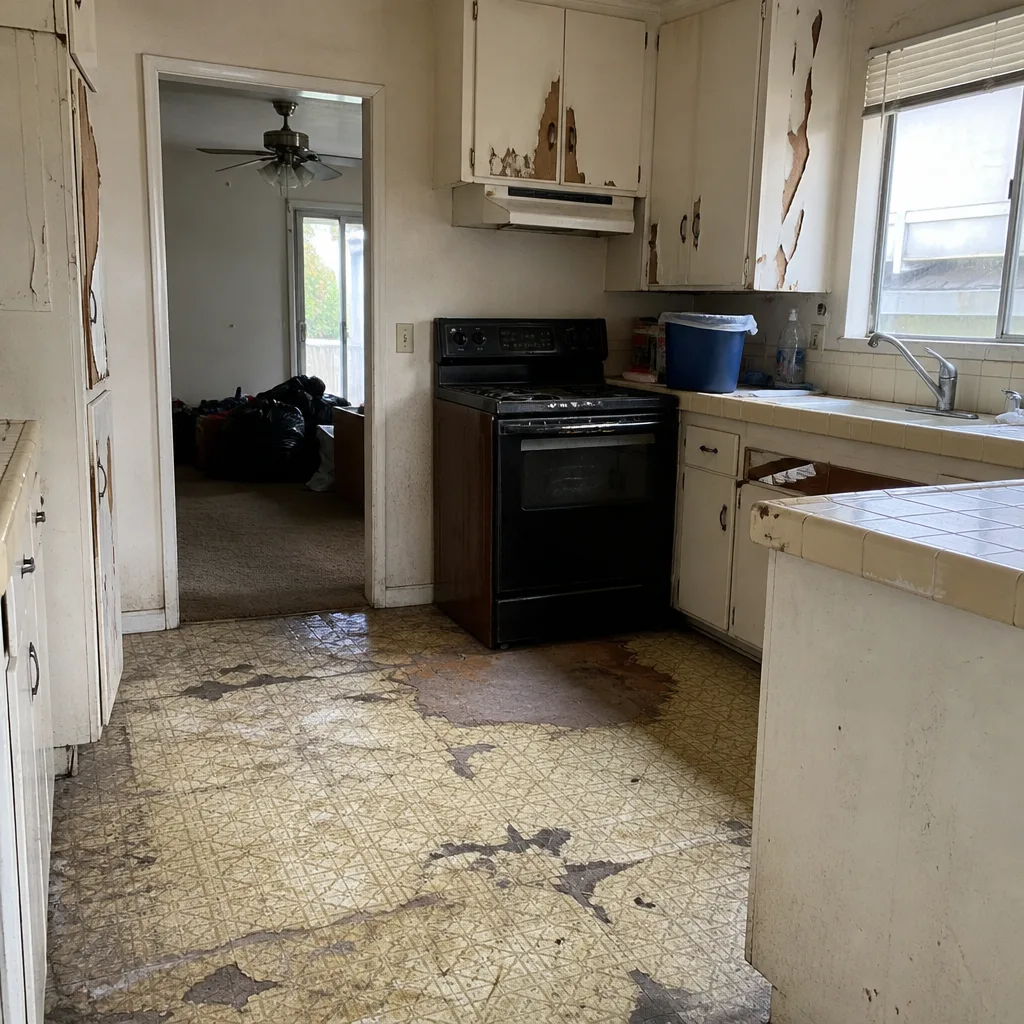 Before
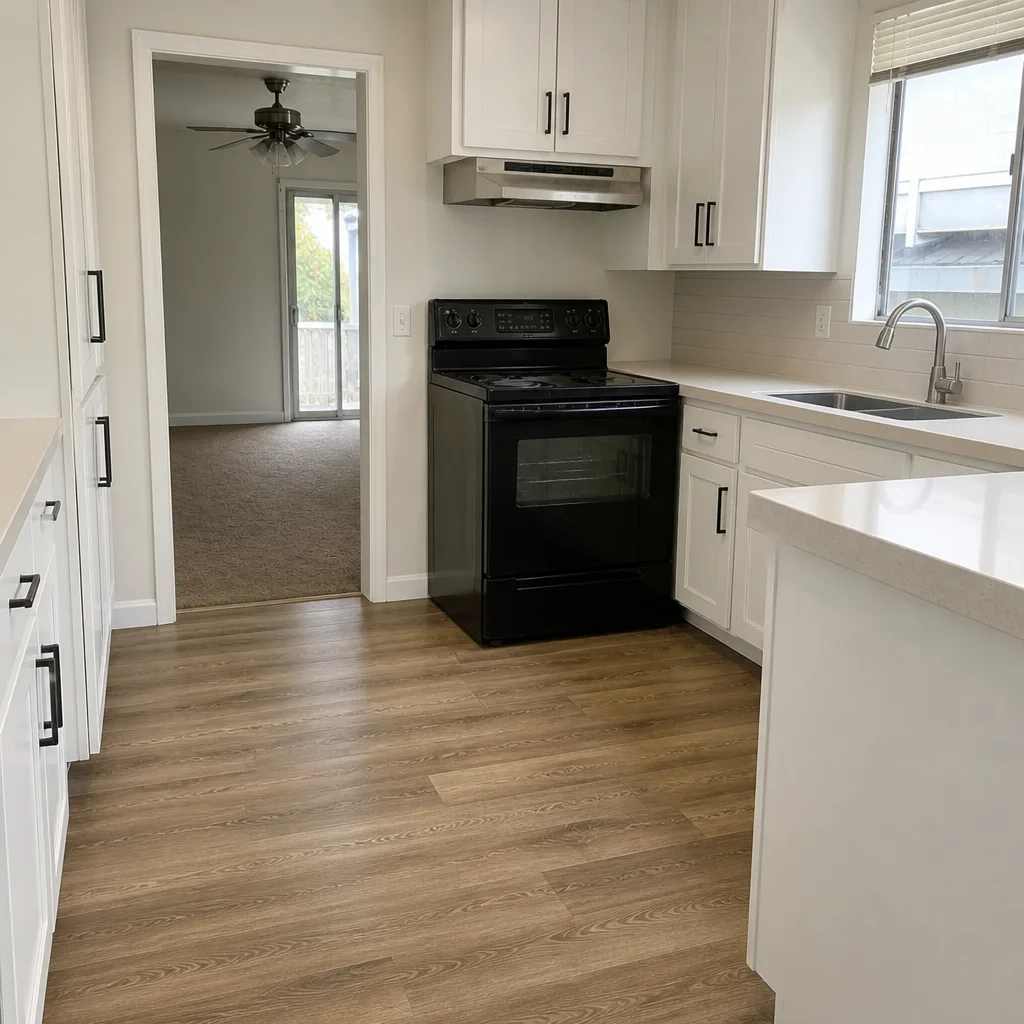 After
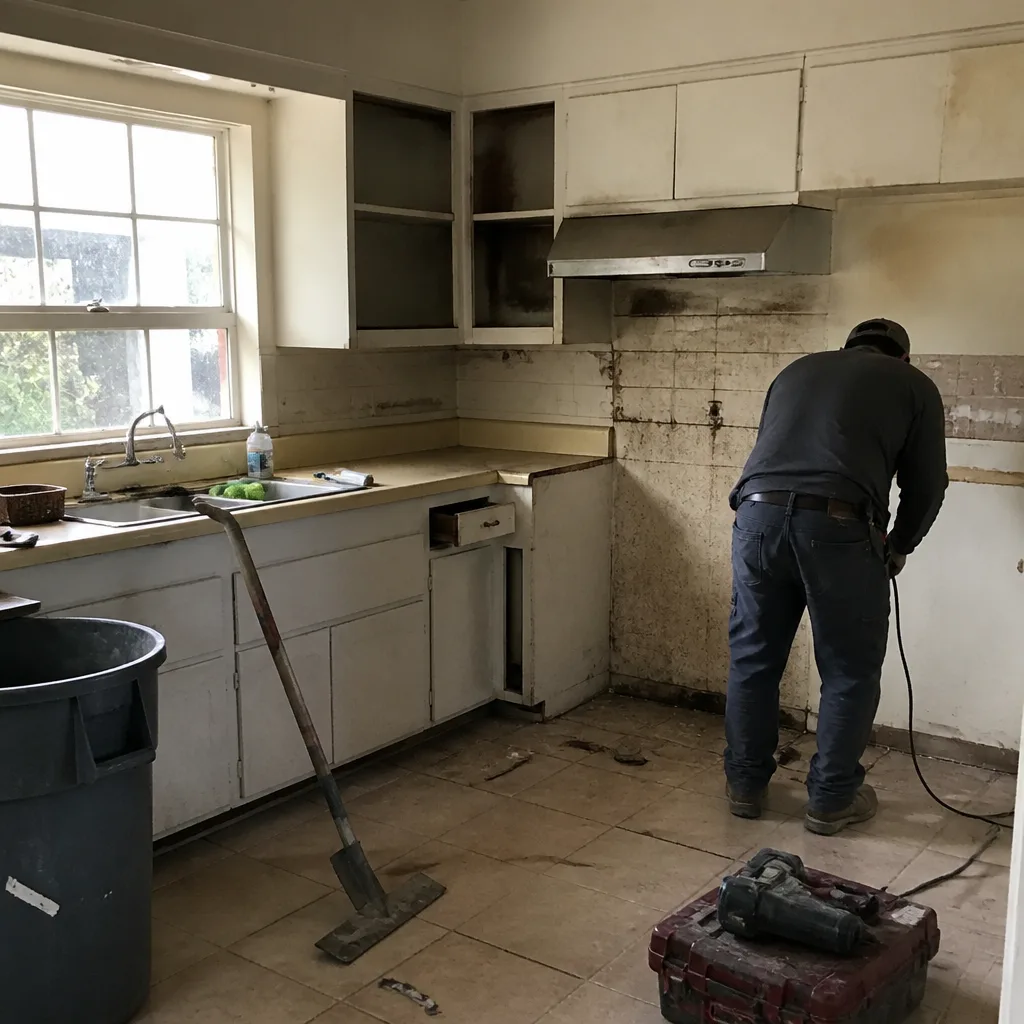 Before
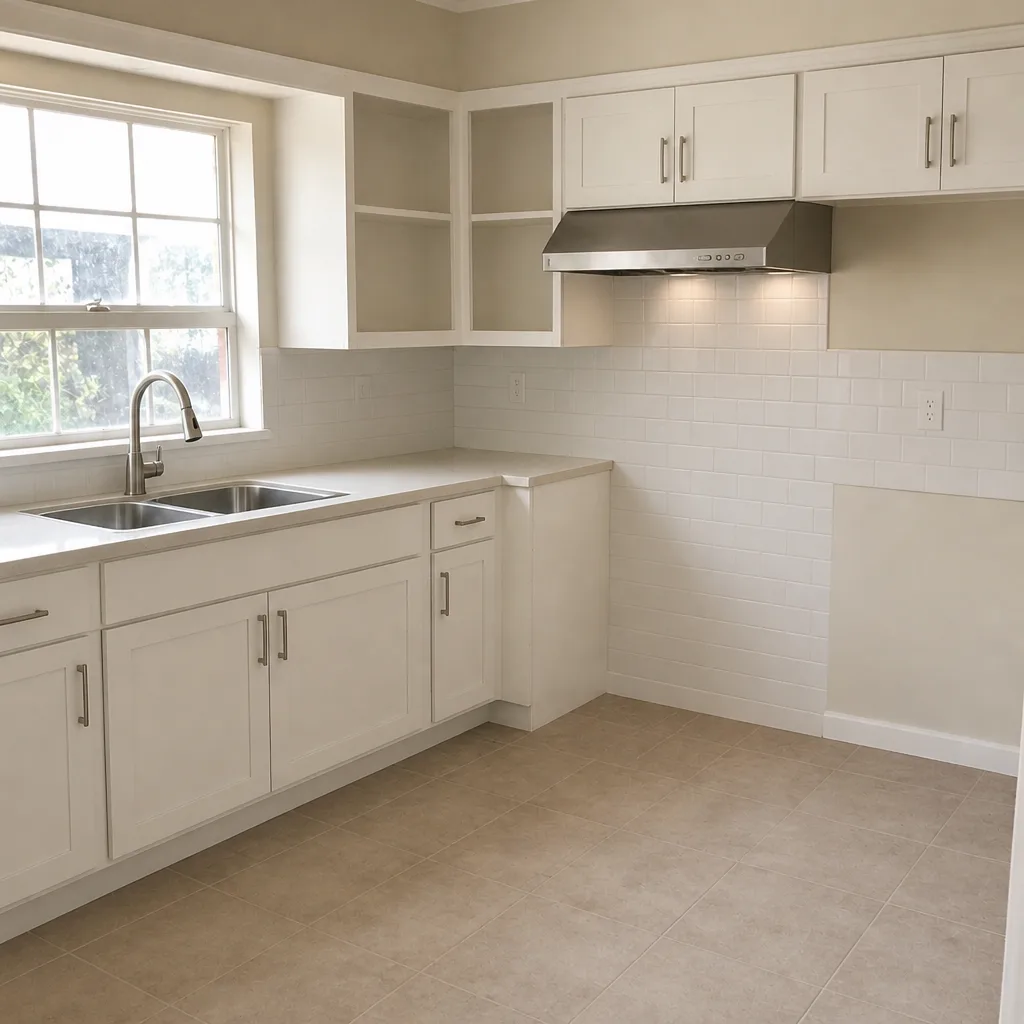 After
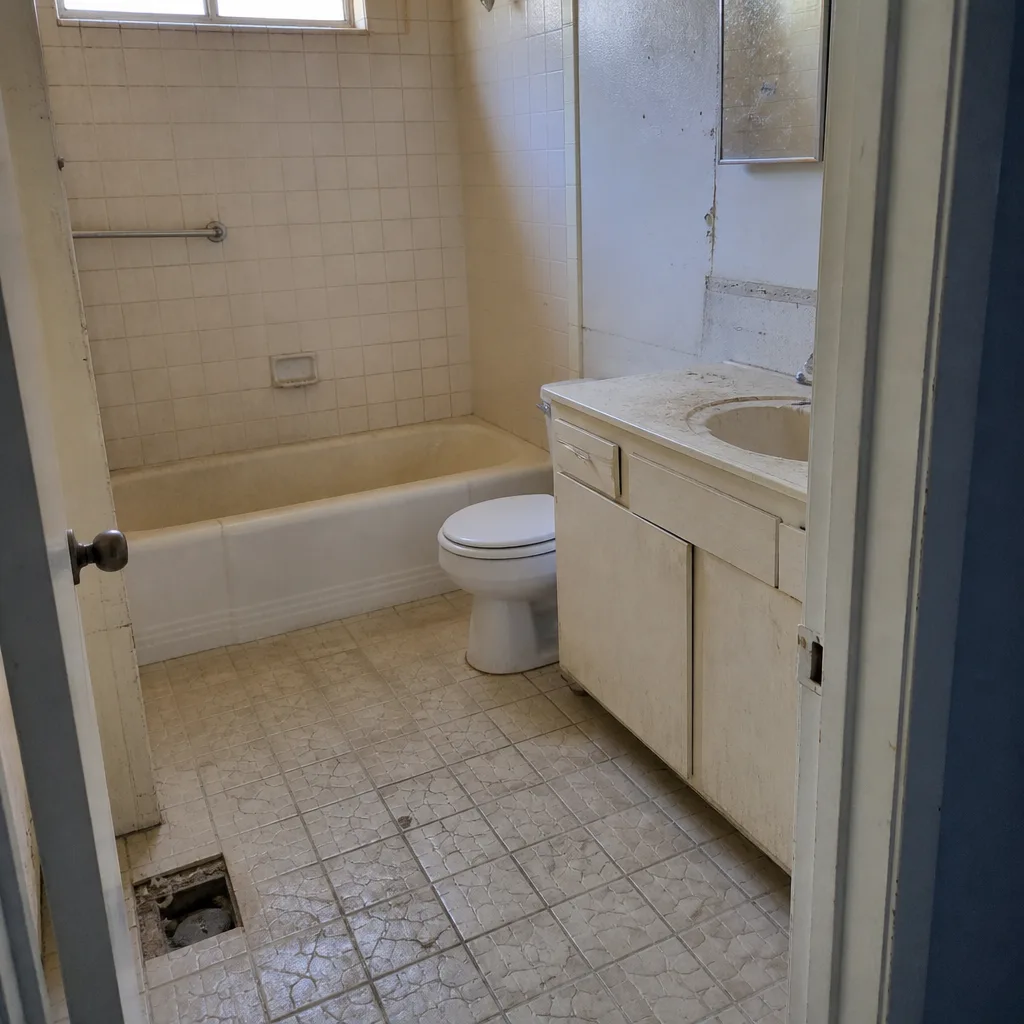 Before
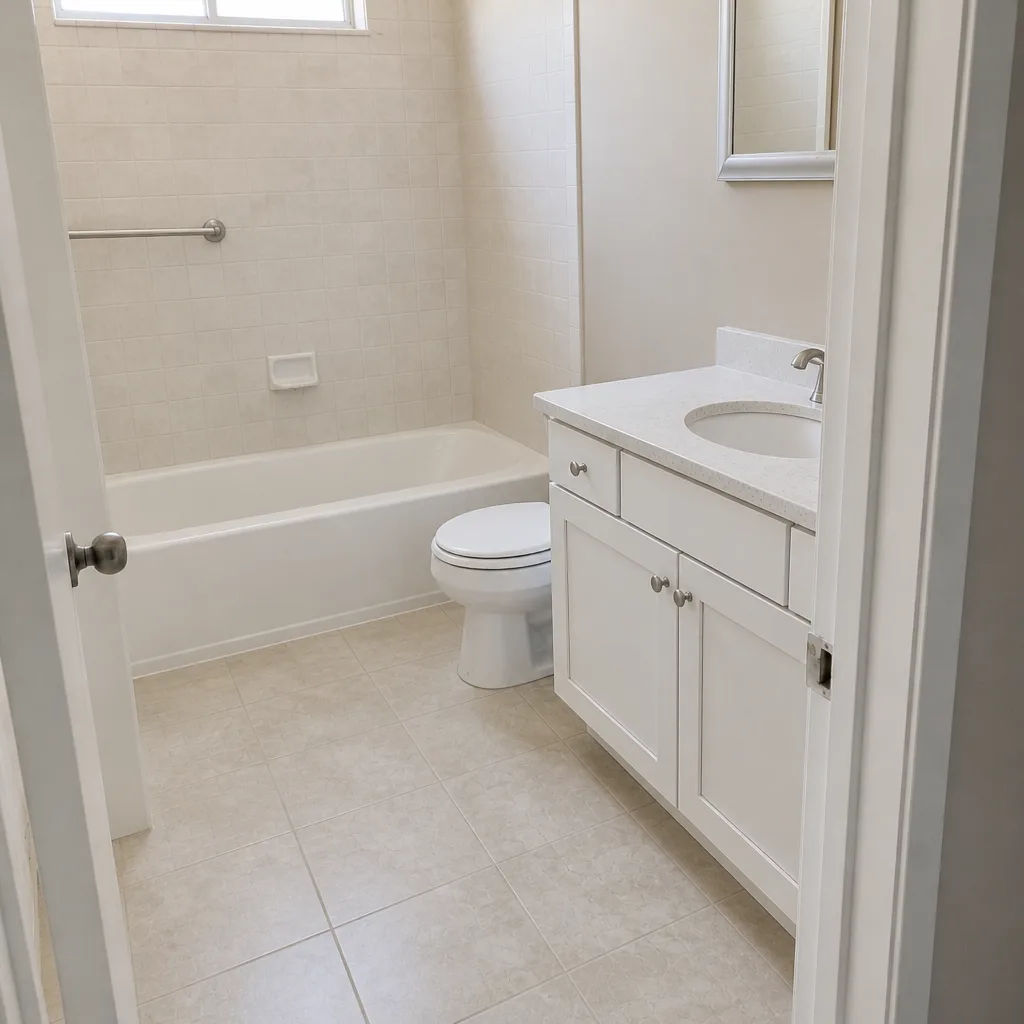 After
Common Mistakes to Avoid
- Caulking in April. Spring feels like the right season because the weather is pleasant, but a fresh acrylic bead laid down in April gets baked by June. By the time the rains hit, the caulk has already lost its adhesion. Caulk in October.
- Painting stucco in June Gloom. The marine layer looks like a gentle painting window. It traps moisture under the coating and shows up as blistering by December. Wait for the late-September dry window.
- Ignoring the weep screed. Homeowners add soil, mulch, and decorative gravel against the stucco without checking clearance. Every inch of coverage is an inch of wicking into the wall cavity.
- Submitting permits in January. The city is flooded with applications from homeowners who resolve to remodel at New Year. Submit in late fall or early summer.
- Calling a contractor for the first time after the leak starts. Every crew is booked solid following a 2-inch storm. Schedule the October inspection so the leak never starts.
- Skipping the downspout extension. A short downspout that dumps against the foundation adds hundreds of gallons of water to the soil below the house. A $30 extension can prevent a $4,000 foundation repair.
- Using acrylic caulk on sun-facing walls. It will fail. Use urethane or a silyl-terminated hybrid instead, and let it flex through the temperature swings.
When to Call a Professional
Some items on this list are genuine homeowner-friendly tasks: clearing gutters, extending downspouts, checking crawlspace moisture. Others are not. Call a professional when you find missing or damaged flashing at the roof penetrations, when stucco has separated from the wall or shows a hollow sound when tapped, when water is pooling in the crawlspace and the source isn’t obvious, and any time you find termite damage behind a wall. Those are also the times a general contractor is the right call, not a handyman. Bradford Remodeling Co Costa Mesa offers free estimates in Costa Mesa, with a written price before work starts and no numbers that move once the crew is on site. Call (855) 659-2556 to schedule a free estimate.
Frequently Asked Questions
Late September through October is the best window because the marine layer has cleared and the wall can dry fully before the coating goes on. Avoid June Gloom and the early rains. Call (855) 659-2556 for an exact quote on exterior coating work – estimates are free.
Twice a year is right: once in October before the rainy season, and once in late spring to clear any debris and check that pipe boots haven’t aged out. GAF and CertainTeed shingle systems last decades but the boots and seals don’t, so an annual check catches the small failures before they turn into ceiling stains.
The two most common causes are a downspout discharging against the foundation and a weep screed that’s been buried by soil or mulch. Both push water into the wall cavity rather than away from it. Call us for a free estimate if you want an inspection rather than a guess.
Yes, for anything that involves moving walls, altering electrical or plumbing, or replacing a shower pan with a new waterproofed assembly. Cosmetic swaps like cabinet doors and paint usually don’t require a permit. Bradford pulls the permits and passes the inspections as part of the job.
No. Bradford gives you a written price before any work starts, and that price is the price. The only path to a change order is a scope change you request in writing, and the 365-Day Done Right Promise covers the work for a full year afterward.
Walk the crawlspace for standing water and mud lines, check the eaves and soffit for bubbling or dripping, and inspect the foundation stem wall for high-water marks and settling soil. Document what you find with photos. If a repair is needed, call us for a free estimate.
The Bottom Line

Costa Mesa doesn’t have four even seasons. It has two, and they both matter. The dry, UV-heavy summer tests your sealants, caulk, and exterior coatings. The wet December-to-March window exposes whatever you skipped in October. Caulk in late September with urethane or hybrid products. Avoid painting stucco during June Gloom. Time permits before the January-February submittal spike. Run the post-storm walkthrough after every 2-inch rain event. Those five habits, done year after year, save the average Costa Mesa homeowner thousands in water intrusion repairs. Bradford Remodeling Co Costa Mesa provides free estimates and a written price before work begins – call (855) 659-2556 to schedule yours.
Written by the team at Bradford Remodeling Co Costa Mesa.