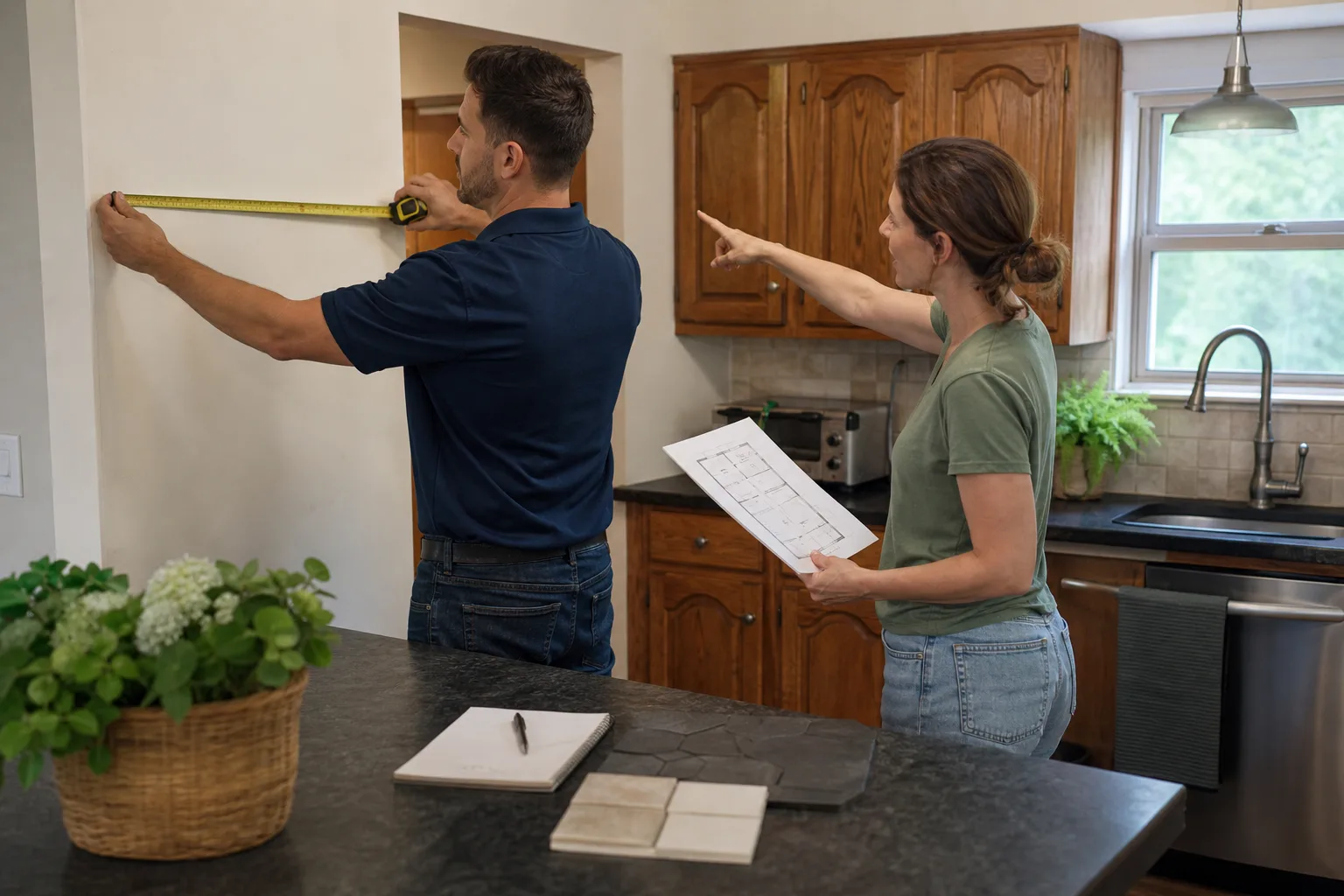
Free written scope consultation - allowances, timeline, and change-order rules on paper before a single trade is scheduled
Styles & brands we work with
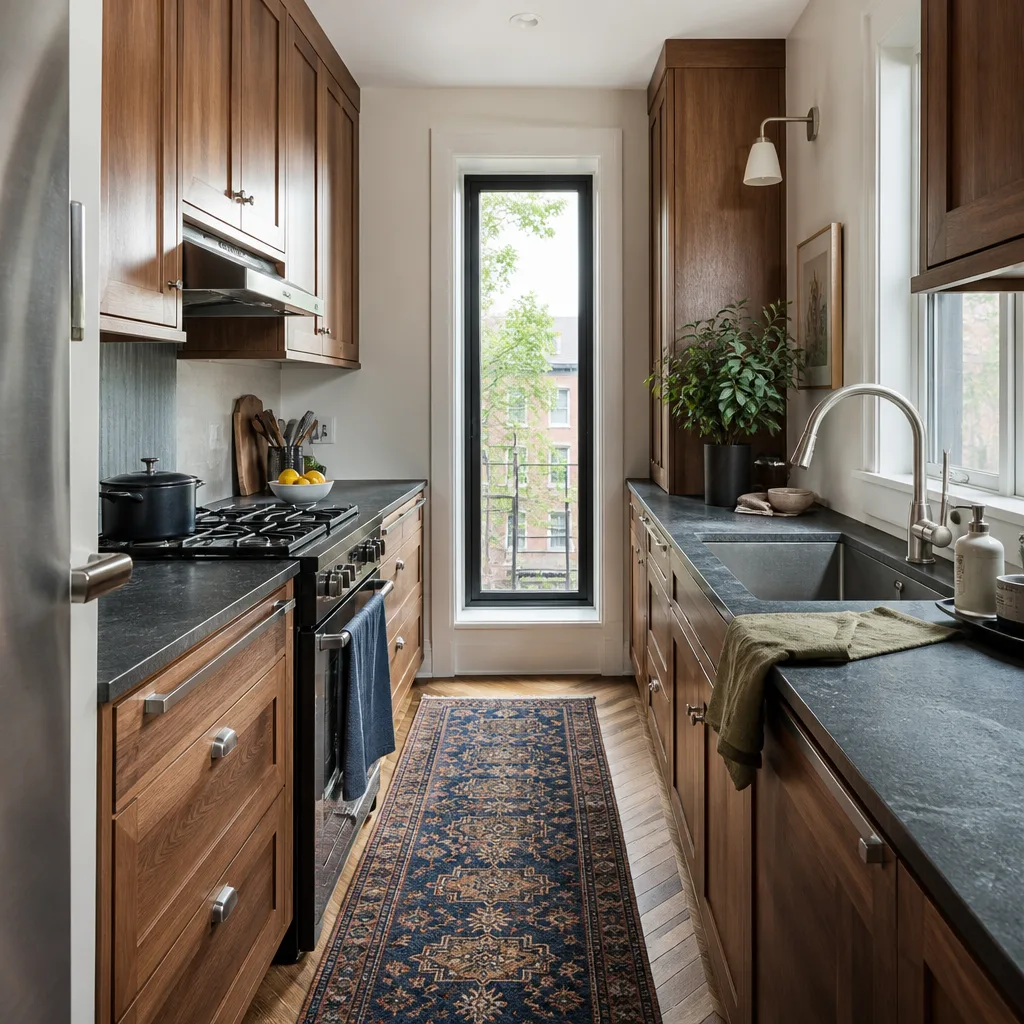
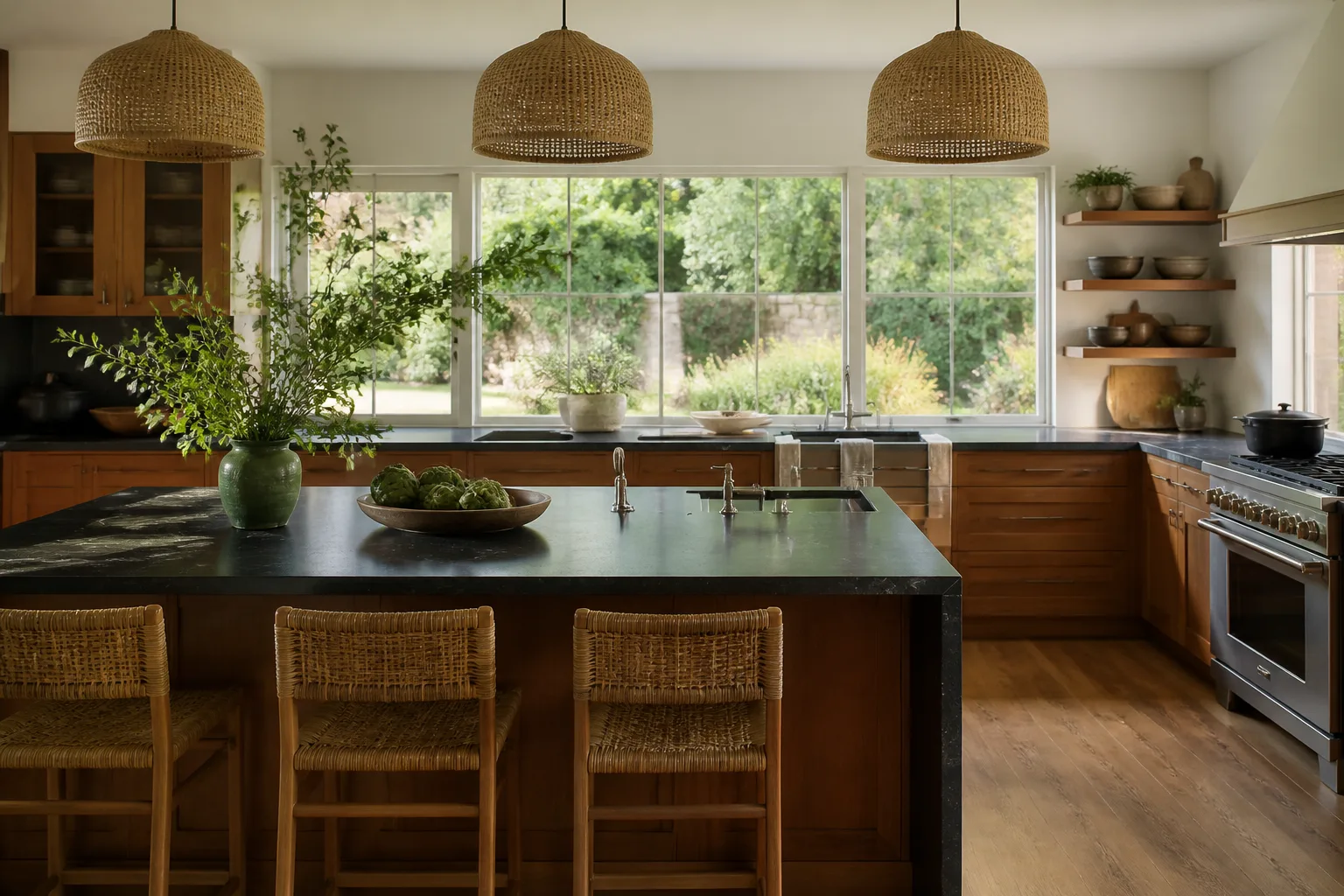
- Kitchen remodeling
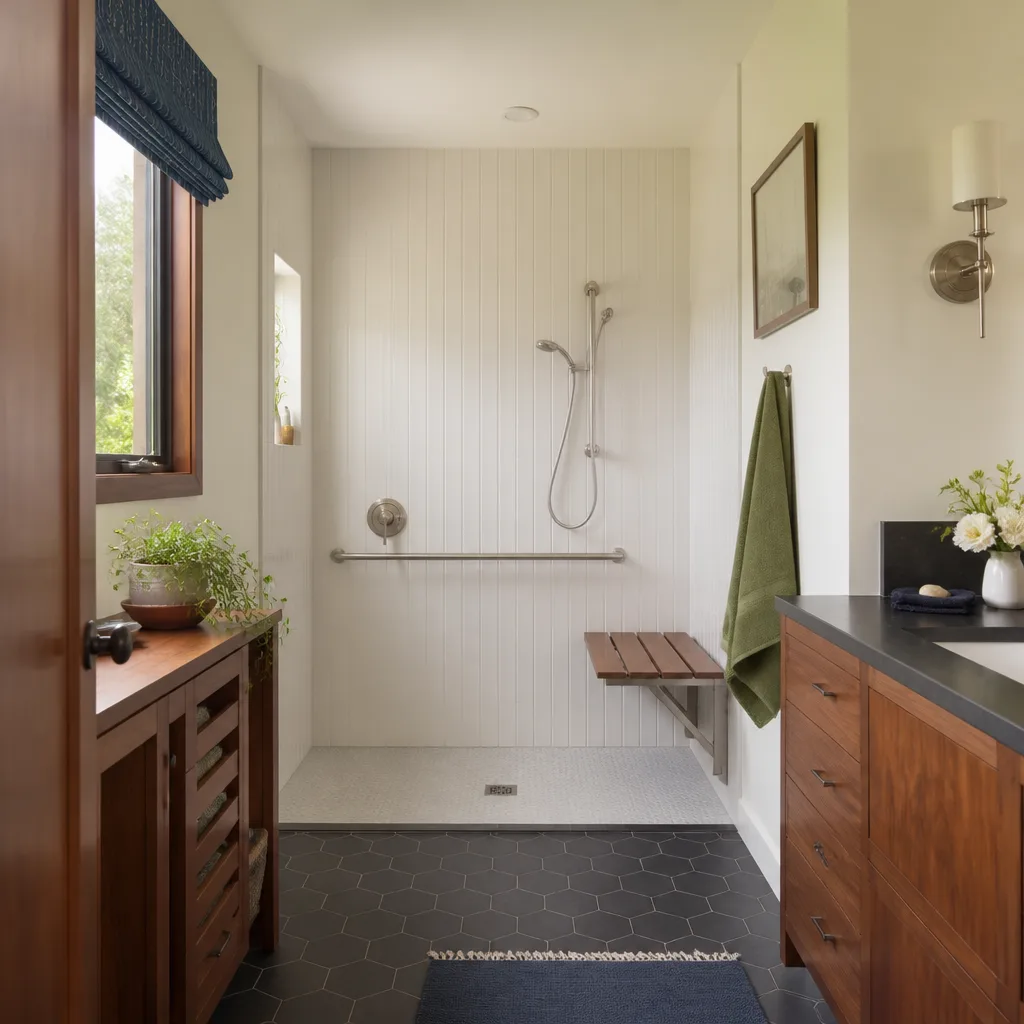
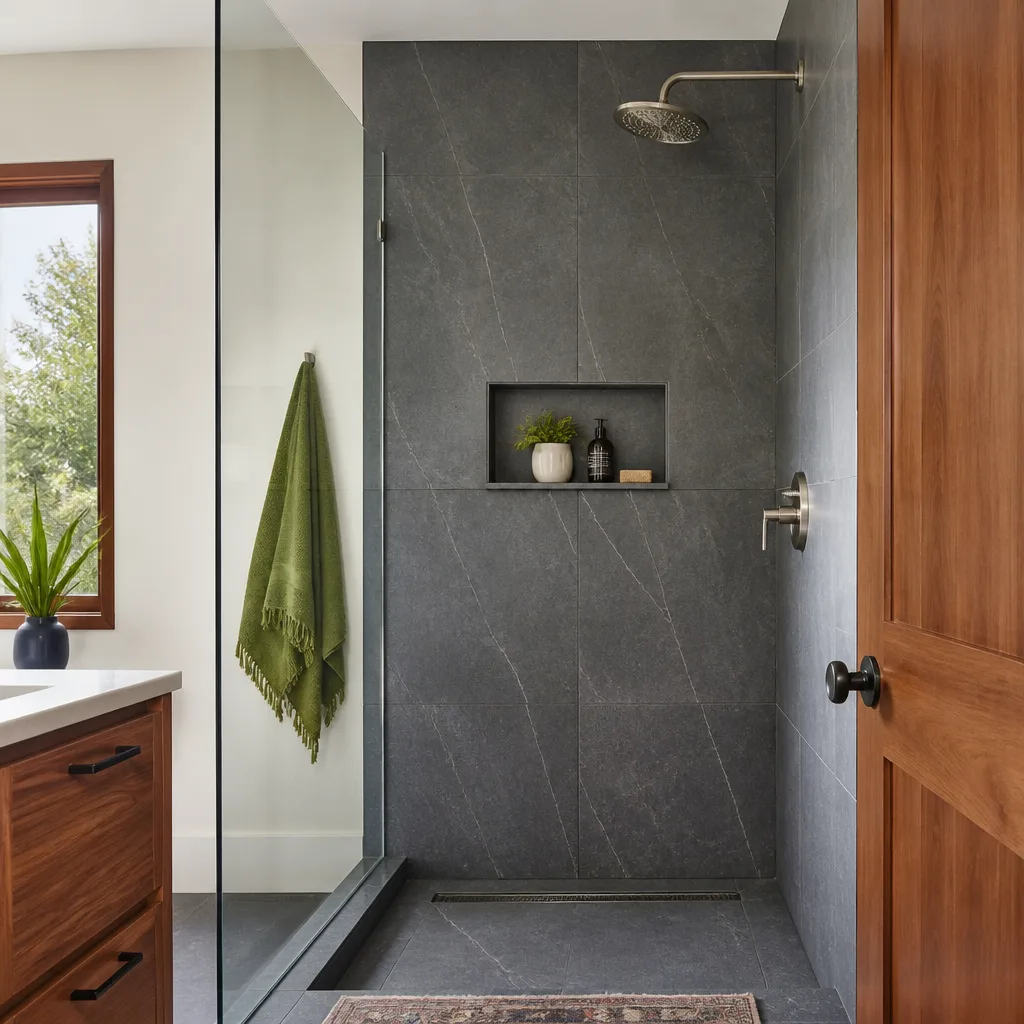
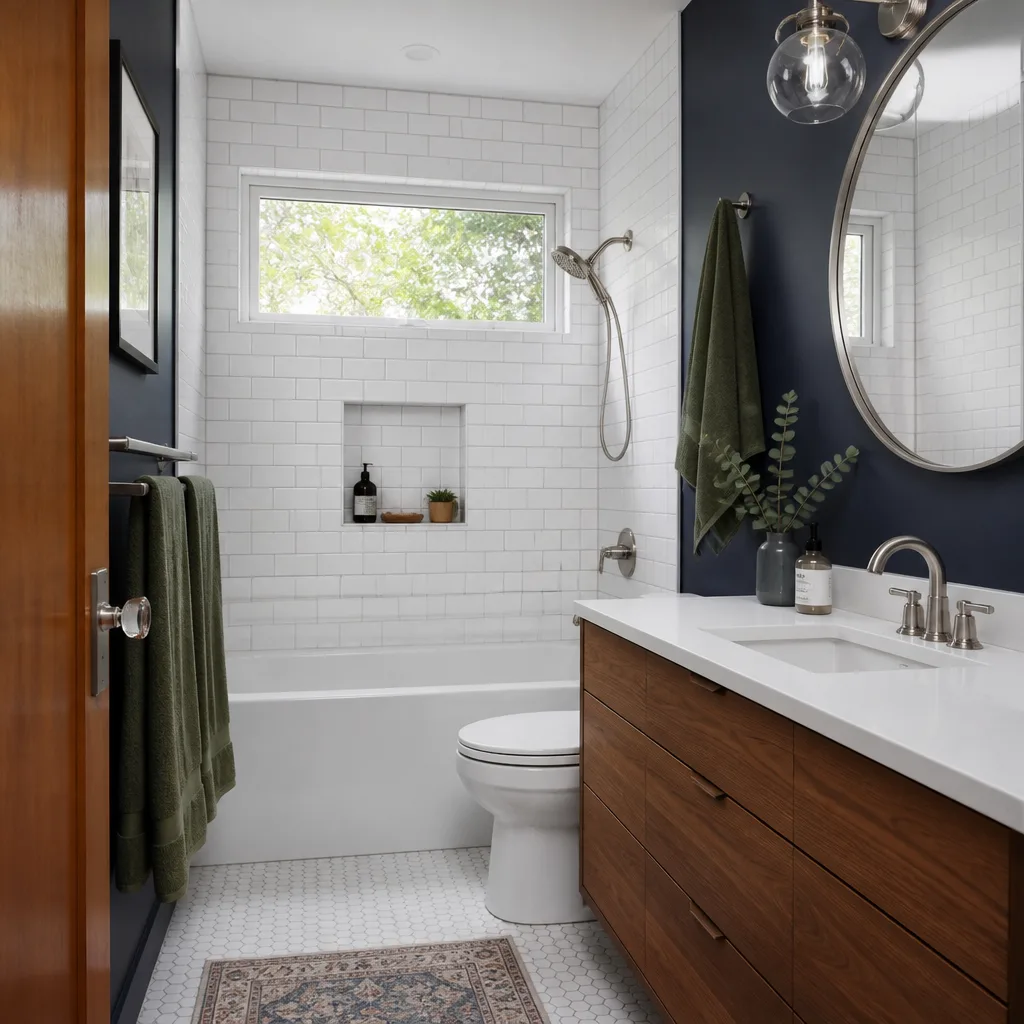
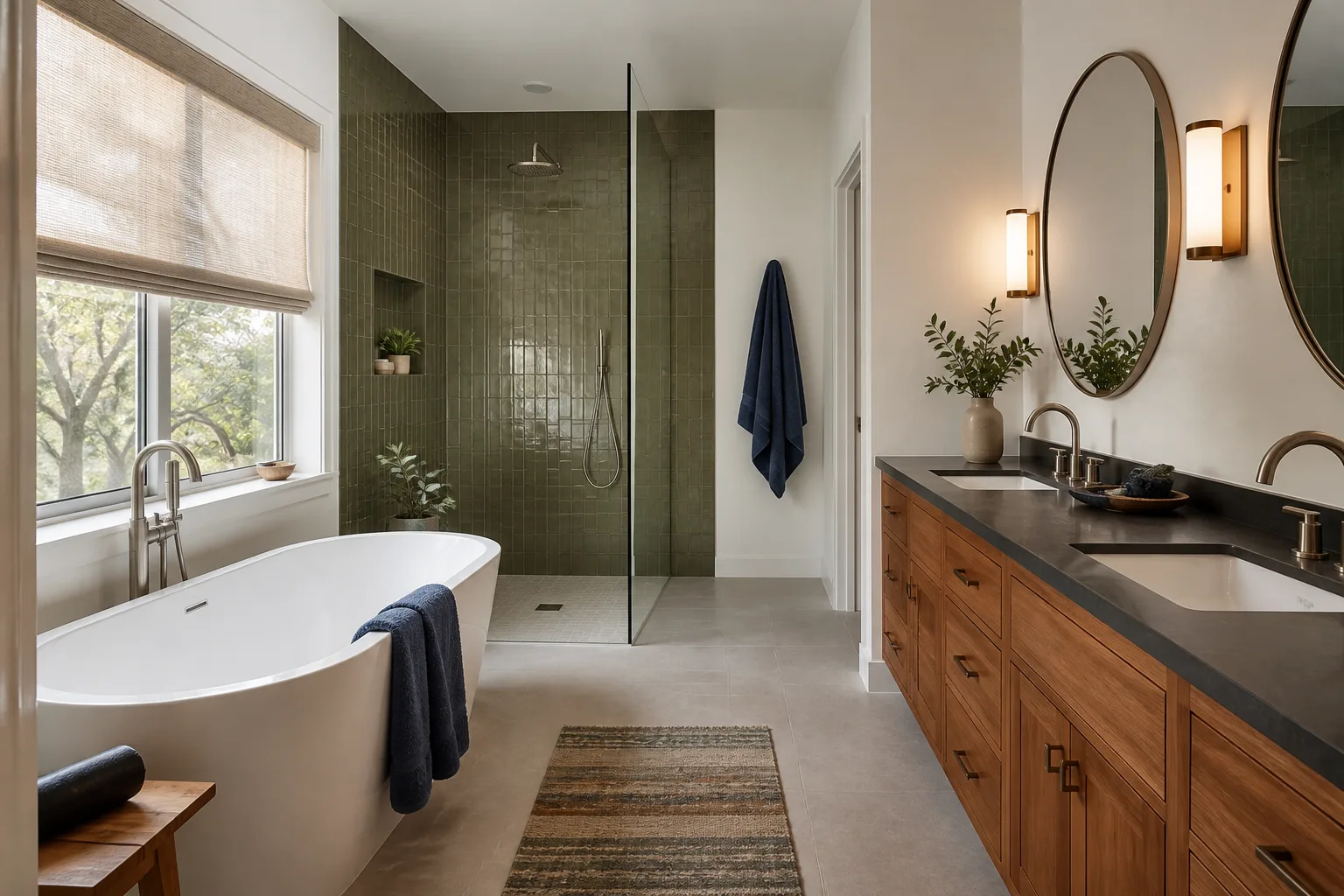
- Bathroom remodeling
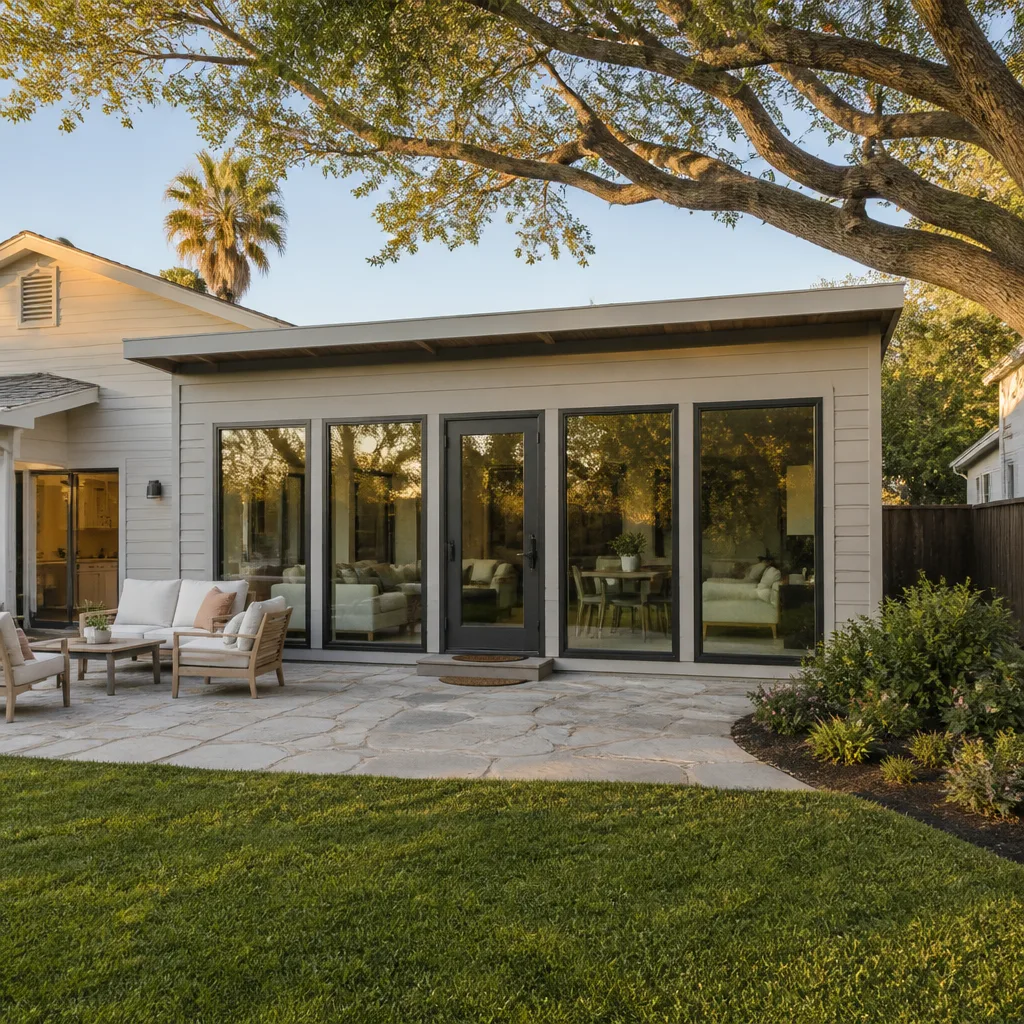
- Home additions & ADU
- Roofing
- Windows & doors
- Driveway & pavers
- Fence
See the difference
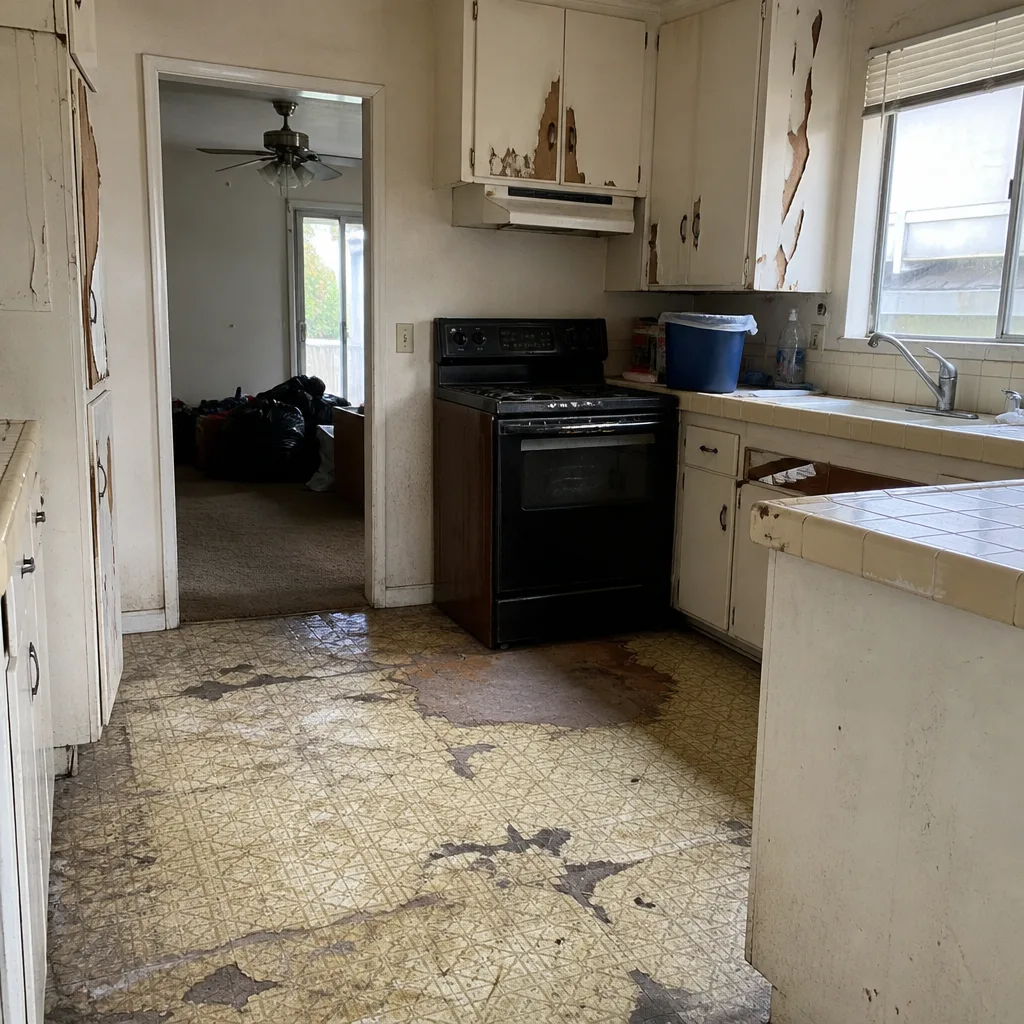 Before
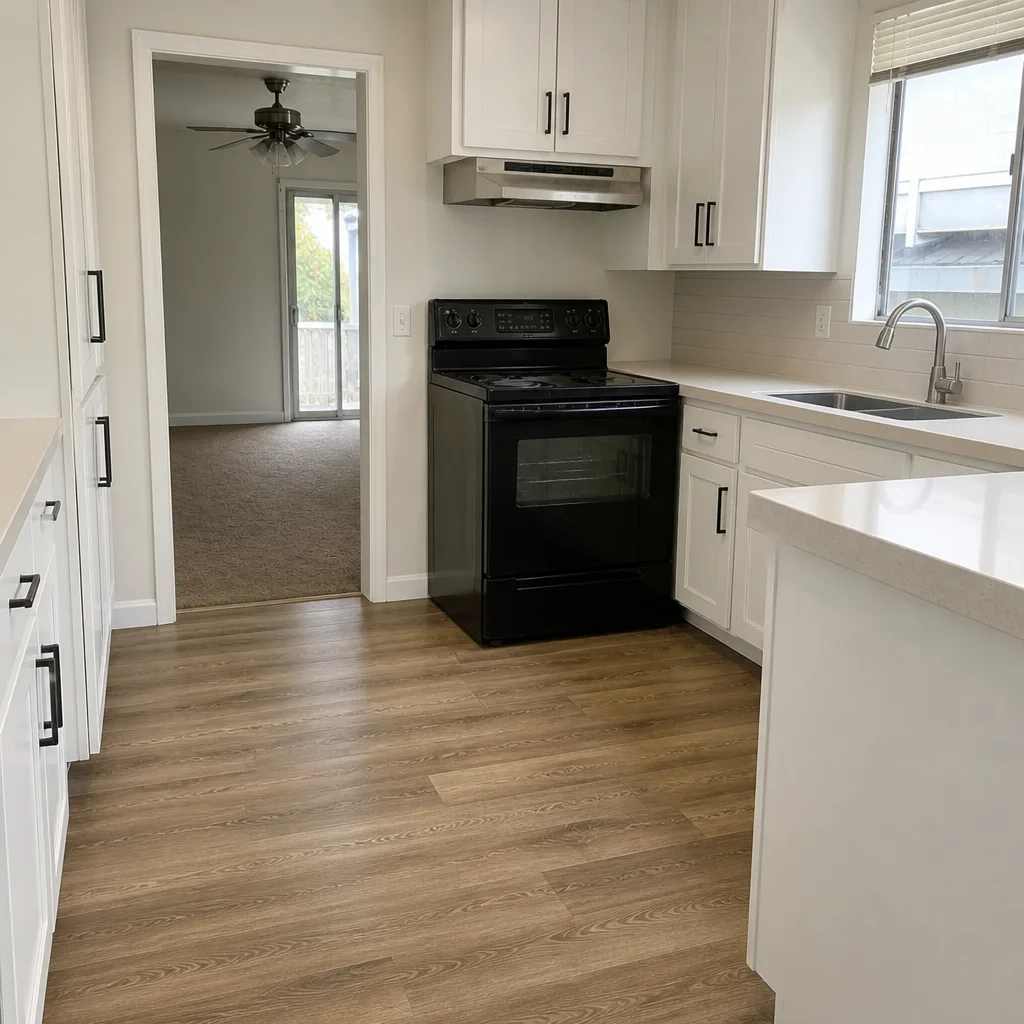 After
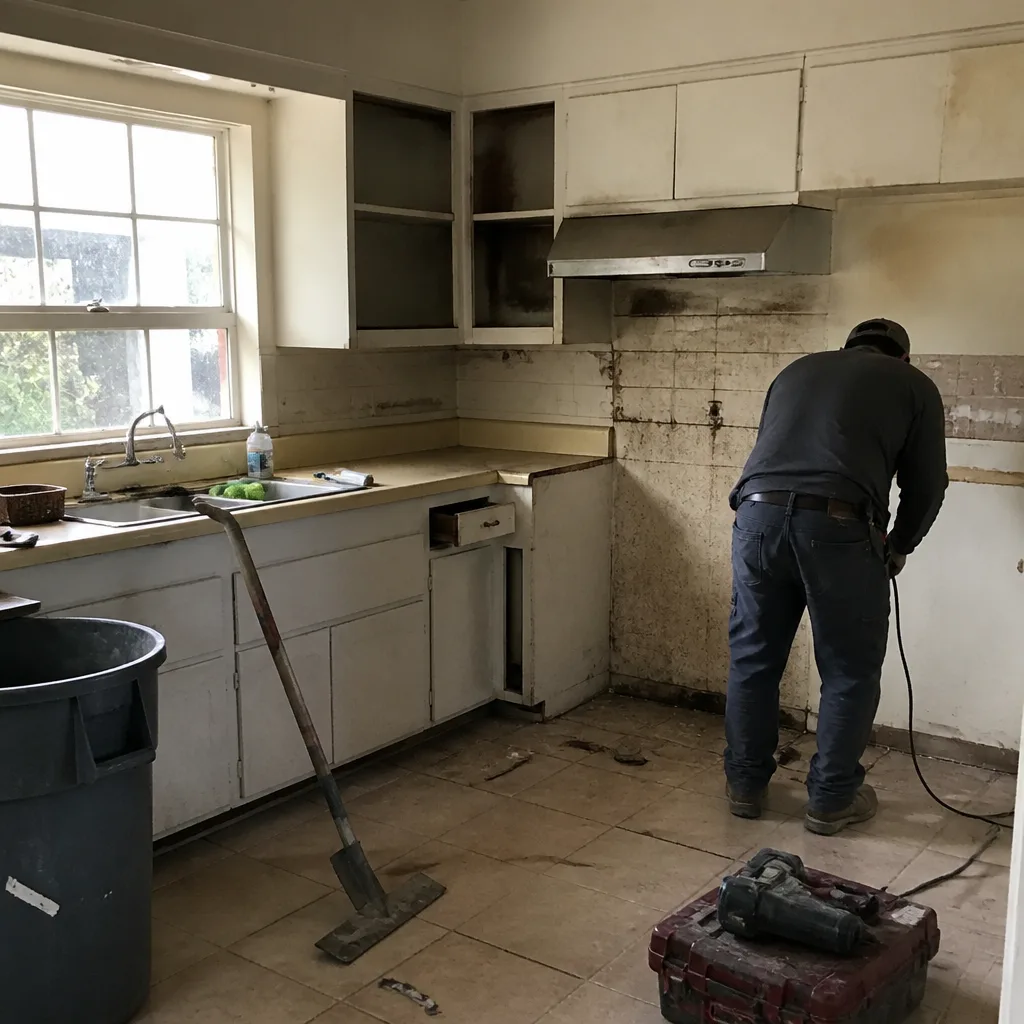 Before
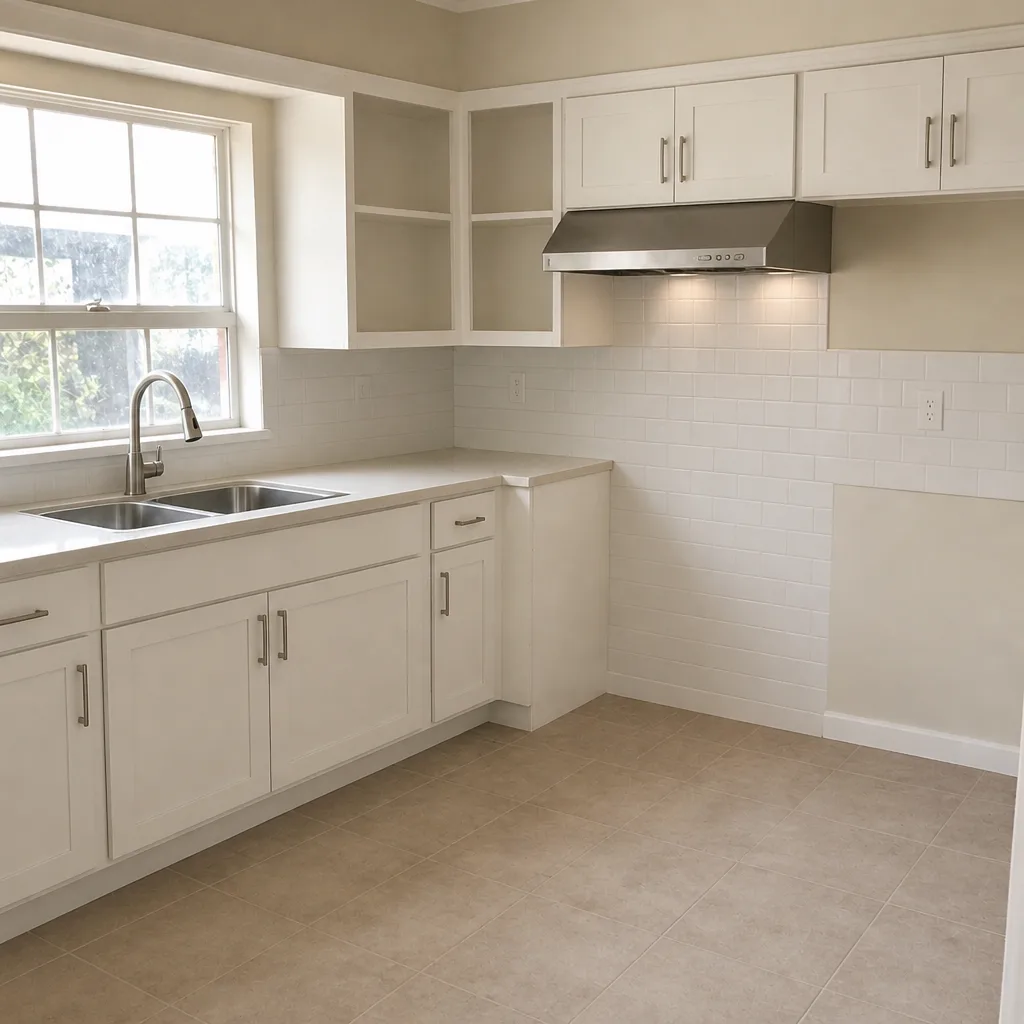 After
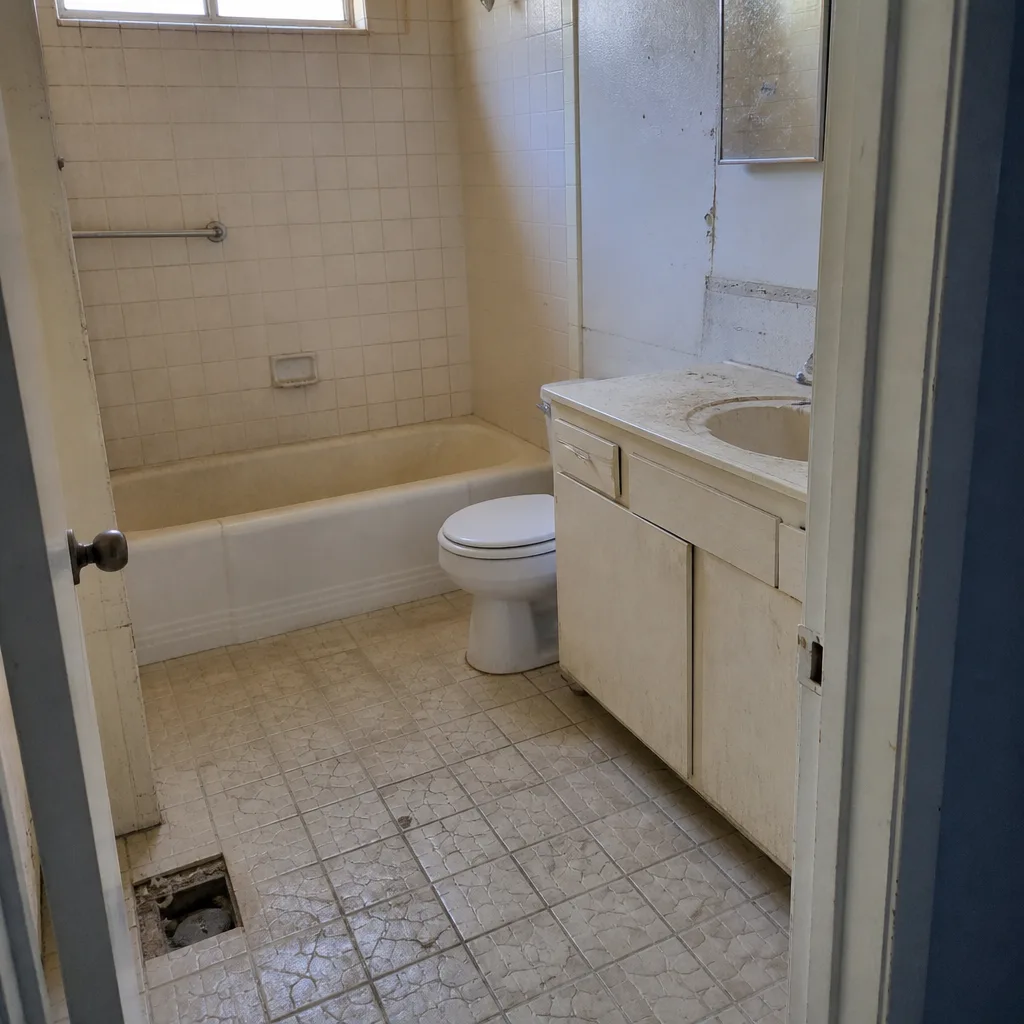 Before
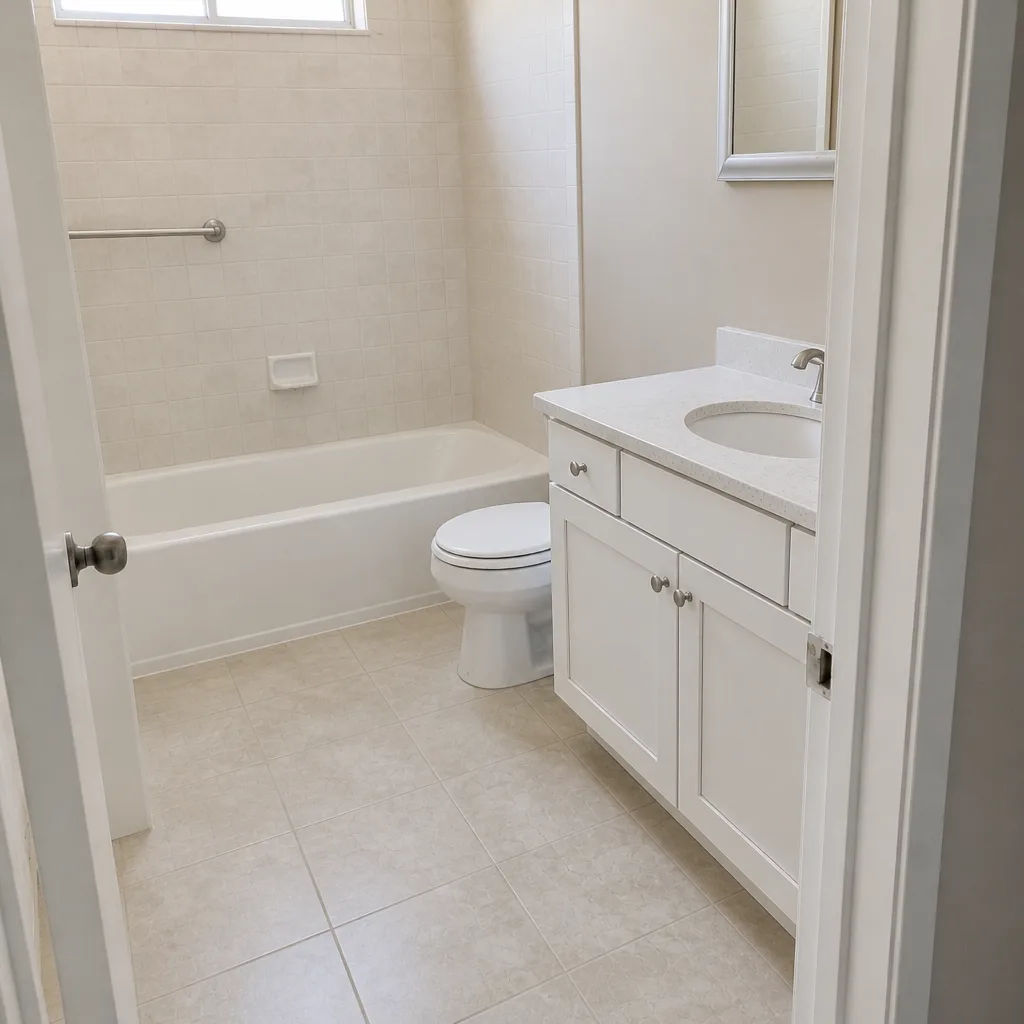 After
What Home Renovation Costs Per Square Foot in Costa Mesa, CA – And Why the Number Depends on Your Lot
Home renovation in Costa Mesa runs roughly $180 to $400 per square foot for a gut remodel, $300 to $525 per square foot for an Eastside addition, and $400 to $650 per square foot for a true 1920s bungalow restoration. Those ranges are wide because square footage is a weak predictor of cost in a built-out city. On a tight infill lot, the fixed costs that have nothing to do with size often decide the job. Call (855) 659-2556 for a written price on your specific property.
Here’s the thing most cost guides skip. A 400 sq ft kitchen addition on the Eastside is roughly as expensive to permit, engineer, and stage as a 900 sq ft one. The Costa Mesa submittal, the structural engineering, the neighbor notification, and the crane or lift you need to drop materials over a fence line so a tight lot all cost what they cost. They don’t shrink because the job is small.
Key Takeaways
- Square footage drives materials and finish labor. Permits, engineering, and site logistics don’t scale with size.
- Salt-air conditions near Newport Bay and the Santa Ana River add real dollars per square foot through corrosion-resistant fasteners and better sheathing.
- A written price before work starts means the per-square-foot number in your estimate doesn’t drift when materials get swapped.
- National averages are built on suburban tract data. They don’t fit Costa Mesa’s infill housing stock.
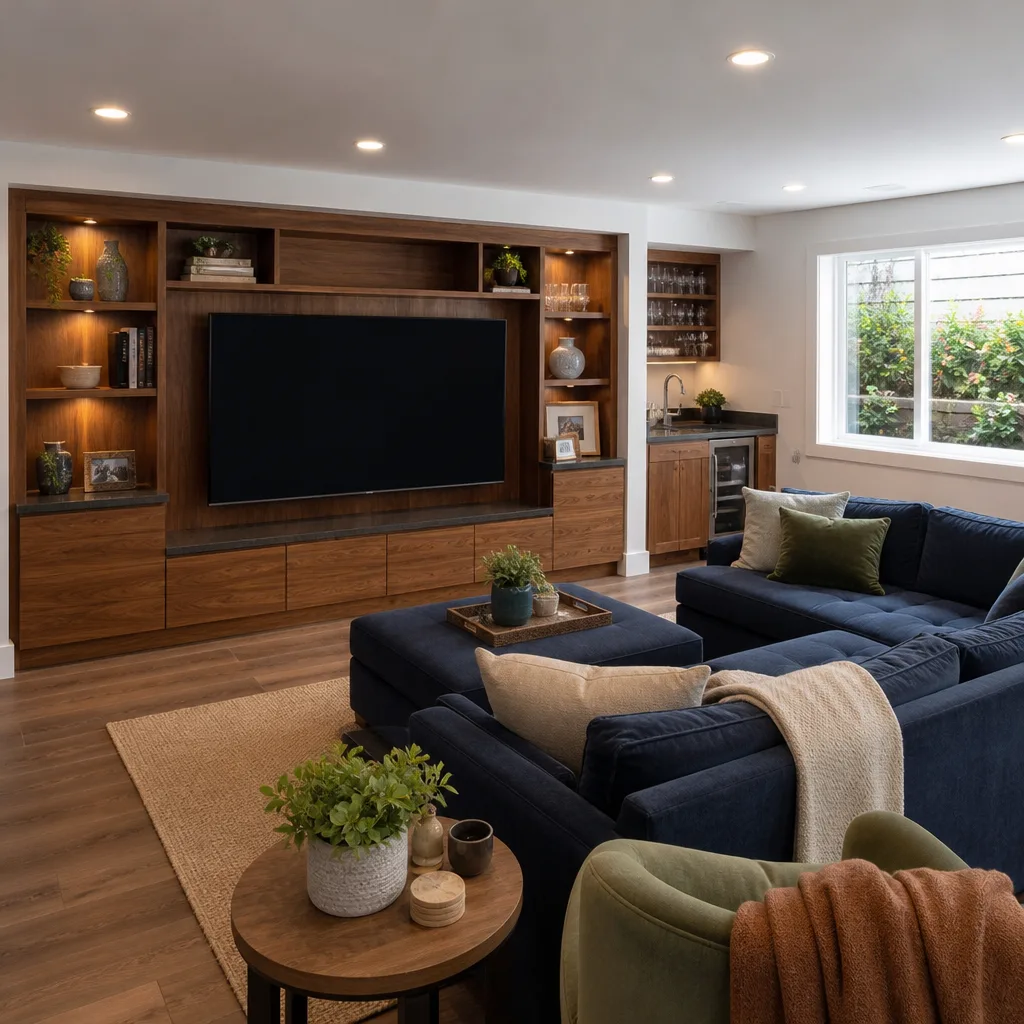
What Scales With Square Footage – And What Doesn’t
Two cost buckets govern every remodel. The first bucket scales with size: drywall, flooring, paint, trim, cabinetry runs, tile, and the hours of finish labor that go with them. Double the square footage and this bucket roughly doubles. The second bucket is fixed per job. It’s the Costa Mesa planning submittal, the plan check, the structural engineer’s stamp, the survey, the neighbor notification on a party-wall or setback variance, and the equipment rental to get materials onto a lot with no driveway apron wide enough for a delivery truck. This second bucket is where budgets get wrecked.
On a large Eastside rebuild, the fixed costs spread across many thousands of square feet and fade into the per-foot number. On a compact job, they don’t fade. They dominate. A small kitchen addition can carry a per-square-foot figure that looks shocking next to a whole-house gut, not because the work is nicer but because the same permit and logistics pile sits under a smaller numerator.
The practical takeaway: if you’re budgeting a small addition, don’t multiply your target square footage by a national average and expect a real number. Get the fixed costs separated out first. Our home page lays out how we structure a written estimate so you can see both buckets before you commit.
Per-Square-Foot Ranges for Three Costa Mesa Renovation Types
Not every Costa Mesa job starts from the same baseline. The west-side tract stock, the Eastside ranch rebuilds, and the downtown 1920s bungalows each carry a different cost floor, mostly because of what you find when the walls come open.
- West-side tract gut remodel – 1950s-60s small-lot stucco homes, frequently with unpermitted prior additions and knob-and-tube or early galvanized systems hiding behind the drywall. Opening walls is where the surprises live, and a real estimate reserves for it.
- Eastside ranch addition – 1940s-60s ranch homes near the Upper Newport Bay bluffs, often torn down and rebuilt into larger custom houses. Second-story additions and ADUs behind or above garages are the common scope.
- 19th Street bungalow restoration – 1920s downtown core. Restoration means matching original detail, and that finish labor sits at the top of the per-foot range.
Here’s how the line-item pricing breaks down for the work most Costa Mesa homeowners actually request:
| Project | Price Range |
|---|---|
| Kitchen remodel | $14,000-$45,000 |
| Small kitchen remodel | $9,000-$20,000 |
| Cabinet installation | $4,000-$13,000 |
| Countertop installation | $2,000-$6,500 |
| Bathroom remodel | $9,000-$28,000 |
| Home addition | $45,000-$130,000 |
| ADU construction | $90,000-$220,000 |
| Garage conversion | $30,000-$80,000 |
| Roof replacement | $8,000-$20,000 |
| Window replacement | $4,500-$15,000 |
Those numbers come from Costa Mesa’s market, calibrated to what materials and labor actually cost here. A broad general contracting scope on a gut remodel pulls from several of these rows at once. If you’re planning an ADU, the permit and engineering fixed costs are the single biggest reason a 500 sq ft unit doesn’t cost half of a 1,000 sq ft one.
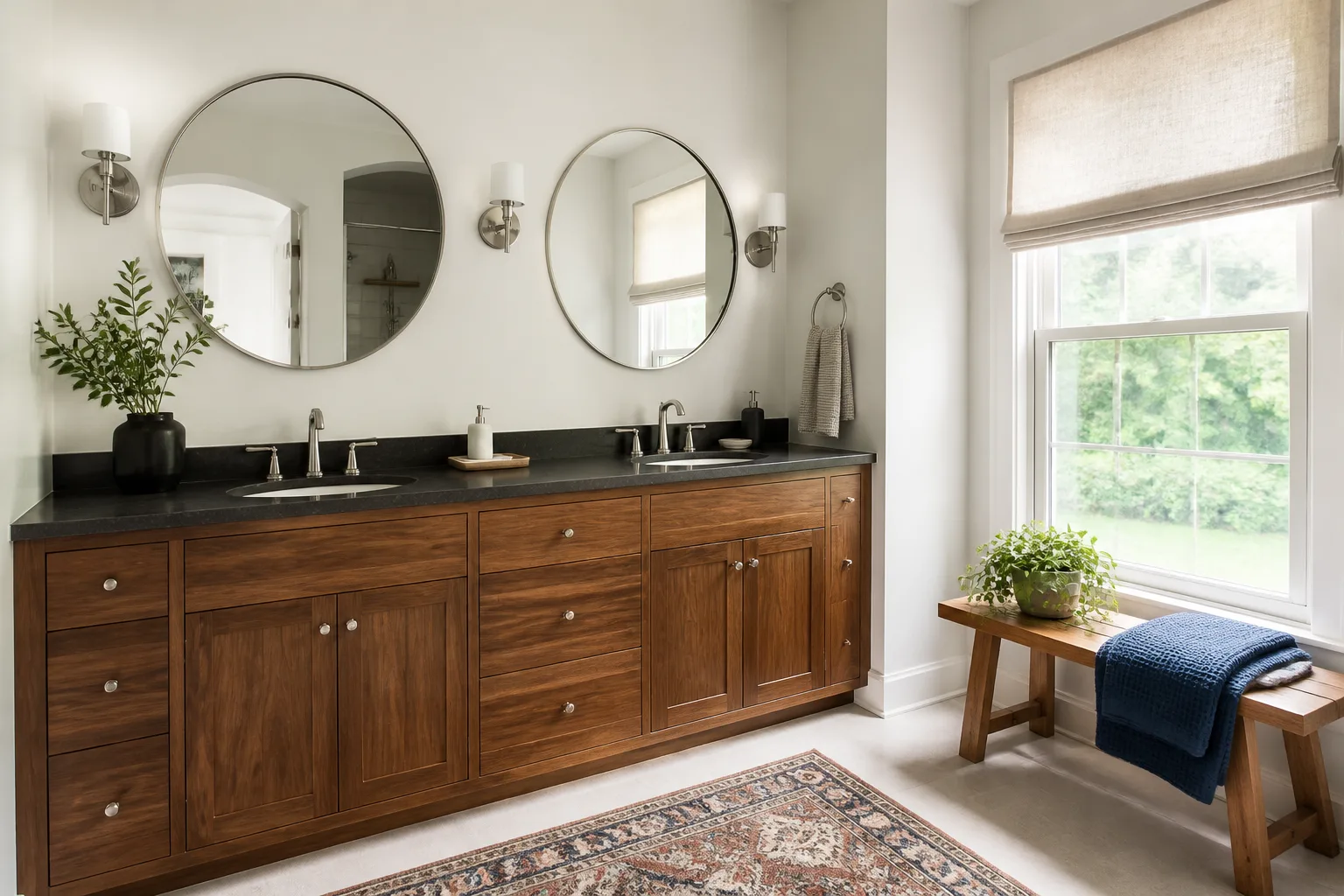
The Salt-Air Premium Inland Guides Leave Out
Costa Mesa sits close enough to Newport Bay and the Santa Ana River that salt-laden onshore air works on every fastener, flashing, and piece of exterior steel on your house. Coastal moisture accelerates corrosion in a way that flat cost-per-square-foot guides written for inland markets never account for. It’s a real line item, not a footnote.
What that means in practice:
- Stainless or hot-dip galvanized fasteners throughout the exterior envelope, not standard electro-galvanized.
- James Hardie fiber cement siding over standard OSB sheathing, because the sheathing and the cladding both take the marine layer better.
- Corrosion-rated flashing at windows, doors, and roof penetrations.
- Roofing details specified for the coastal exposure, not a generic package pulled from a national catalog.
Each of these adds real dollars per square foot. It’s also the difference between a job that holds and one that shows rust streaks and siding failures inside a couple of years. The moderately dry Santa Ana wind spells bring the opposite problem, whipping dust across a build and forcing tighter scheduling around framing and roofing. Sellers who quote you an inland number are usually quoting inland materials.
Why a Written Price Keeps the Per-Foot Number From Moving
The most common way a per-square-foot estimate falls apart is material substitution. A bidder locks a number using one grade of siding, one cabinet line, one countertop. Mid-job, when a line item gets “upgraded” or “swapped for what’s in stock,” that per-foot number no longer describes what’s actually going on your house. The scope drifts. The price follows.
Bradford Remodeling Co Costa Mesa fixes the specification before the quote. We work from a documented materials roster with manufacturer specs and warranties, so the number you get in writing reflects the brand that gets installed. KraftMaid and Wellborn cabinetry, Cambria and Silestone surfaces, James Hardie exterior products, GAF roofing. That traceability is the point. The per-square-foot figure in your estimate is the per-square-foot figure on the job.
Every price is in writing before a single tool comes out. No numbers that move at the door. Every completed project carries the 365-Day Done Right Promise: if the work fails inside that window, we return and correct it at no charge. The crew is background-checked and arrives knowing exactly who is walking onto your property. And a live person answers the phone around the clock, so you’re never leaving a message in a queue.
When walls open on a west-side tract home and we hit an unpermitted prior addition or old galvanized plumbing, you’ll know before it becomes an invoice. The scope change gets documented and priced in writing, not absorbed silently. That discipline is what we mean when we say the job is squared away at close: a clean site, a documented scope, and a signed written guarantee in your hand.
FAQs
Home renovation in Costa Mesa runs roughly $180 to $400 per square foot for a gut remodel, $300 to $525 per square foot for an addition, and $400 to $650 per square foot for a 1920s bungalow restoration. Small jobs often cost more per square foot than large ones because permits and site logistics don’t shrink. Call (855) 659-2556 for an exact figure on your property – estimates are free.
Renovating usually costs less per square foot than adding on, because an addition carries the full Costa Mesa submittal, engineering, and tight-lot staging cost on top of new construction. A gut remodel of existing space reuses the footprint you already own. Which pencils out better depends on what you’re trying to fix. Call (855) 659-2556 and we’ll price both in writing so you can compare the real numbers, not estimates from a national guide.
Yes. Every Bradford Remodeling Co Costa Mesa project gets a written price before any work begins, with no numbers that move at the door. The specification is fixed up front using documented brands like James Hardie and GAF, so material swaps can’t quietly shift your per-foot figure. Call (855) 659-2556 to start the estimate.
National averages are built mostly on greenfield and suburban tract data, and Costa Mesa is built out and landlocked, so almost all work here is infill, ADU, tear-down-rebuild, or tight-lot remodel. That changes the fixed costs dramatically. Use a local range, or better yet a written local quote. Call (855) 659-2556 for a free estimate.
Get a Written Per-Square-Foot Number for Your Costa Mesa Project
National averages won’t budget a Costa Mesa project. Your lot, your housing stock, and your submittal pathway decide the real number. Bradford Remodeling Co Costa Mesa puts that number in writing before any work starts, backed by the 365-Day Done Right Promise and a live person on the phone around the clock. Call (855) 659-2556 for a free estimate today.
Written by the team at Bradford Remodeling Co Costa Mesa, serving Costa Mesa, CA.
What Our Customers Say
"Solid job. Small punch list items were done within a few days of the walkthrough."
- Beth K."Great work. Countertop install slipped by a week, but they explained and kept us informed."
- Nora L."Respectful crew. Covered the floors and swept every day."
- Jackie T.