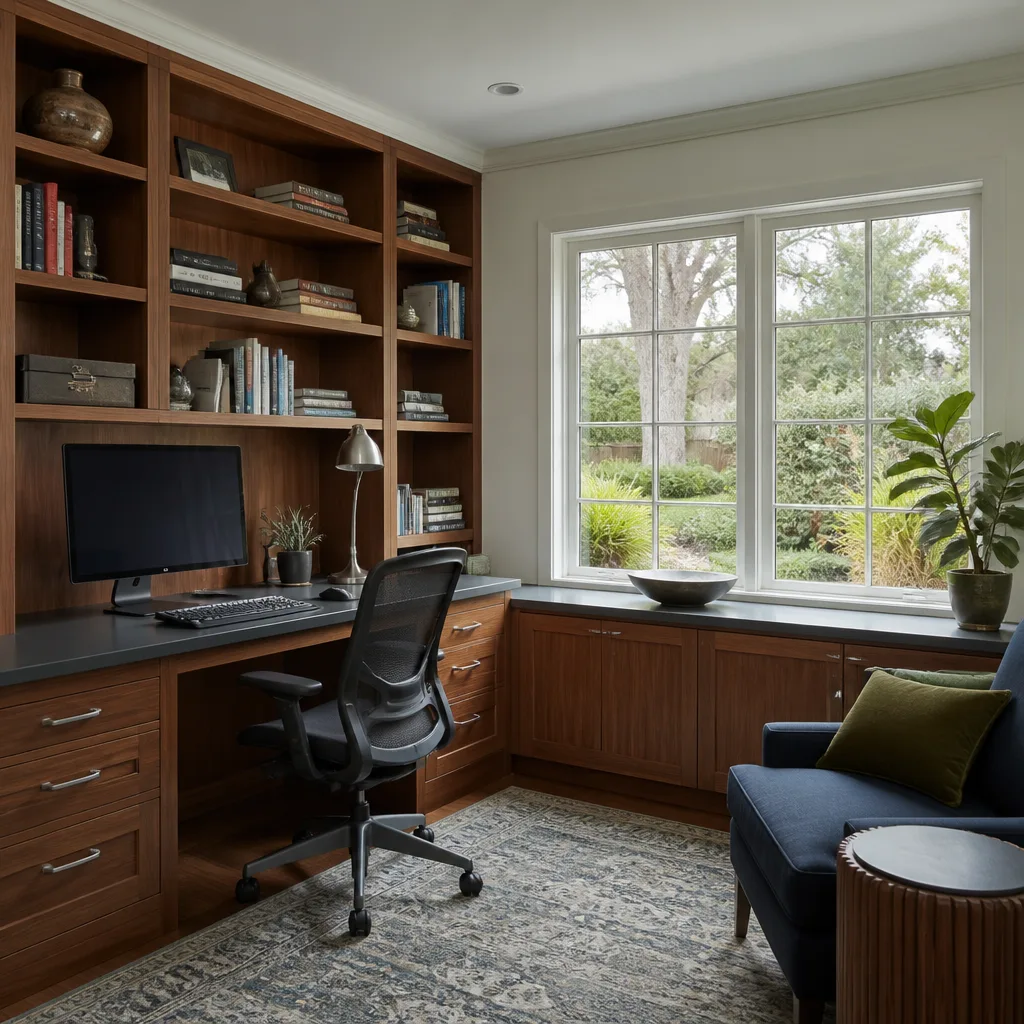
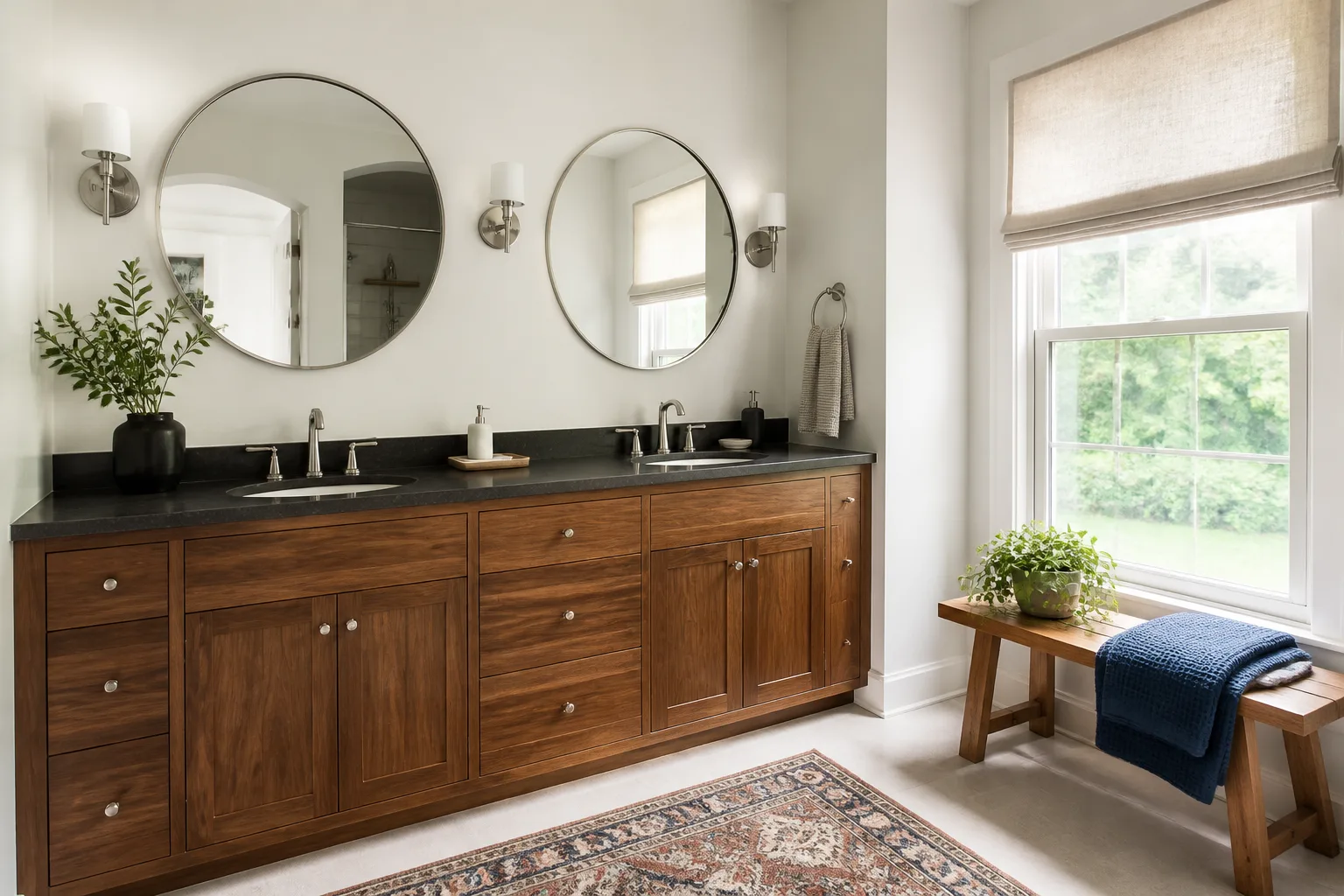
Free written scope consultation - allowances, timeline, and change-order rules on paper before a single trade is scheduled
Styles & brands we work with
- Kitchen remodeling
- Bathroom remodeling
- Home additions & ADU
- Roofing
- Windows & doors
- Driveway & pavers
- Fence
See the difference
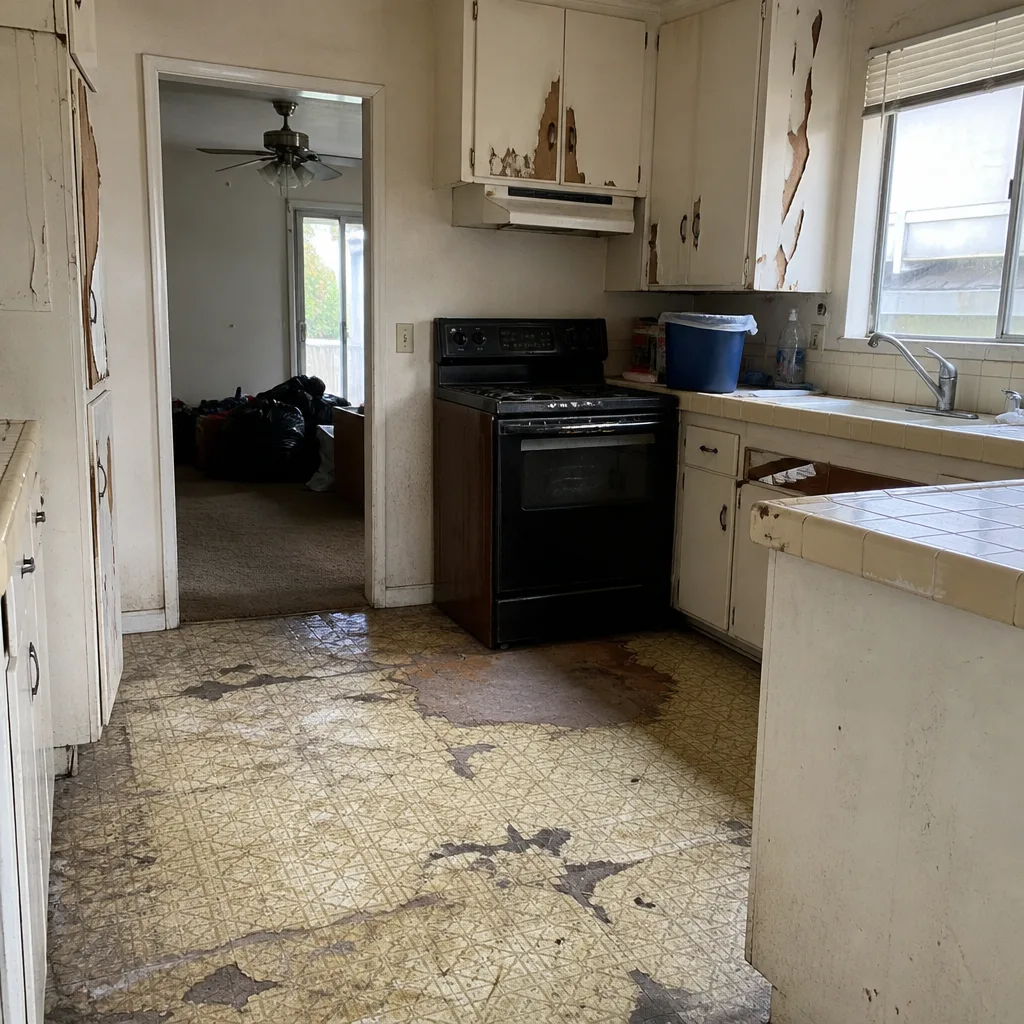 Before
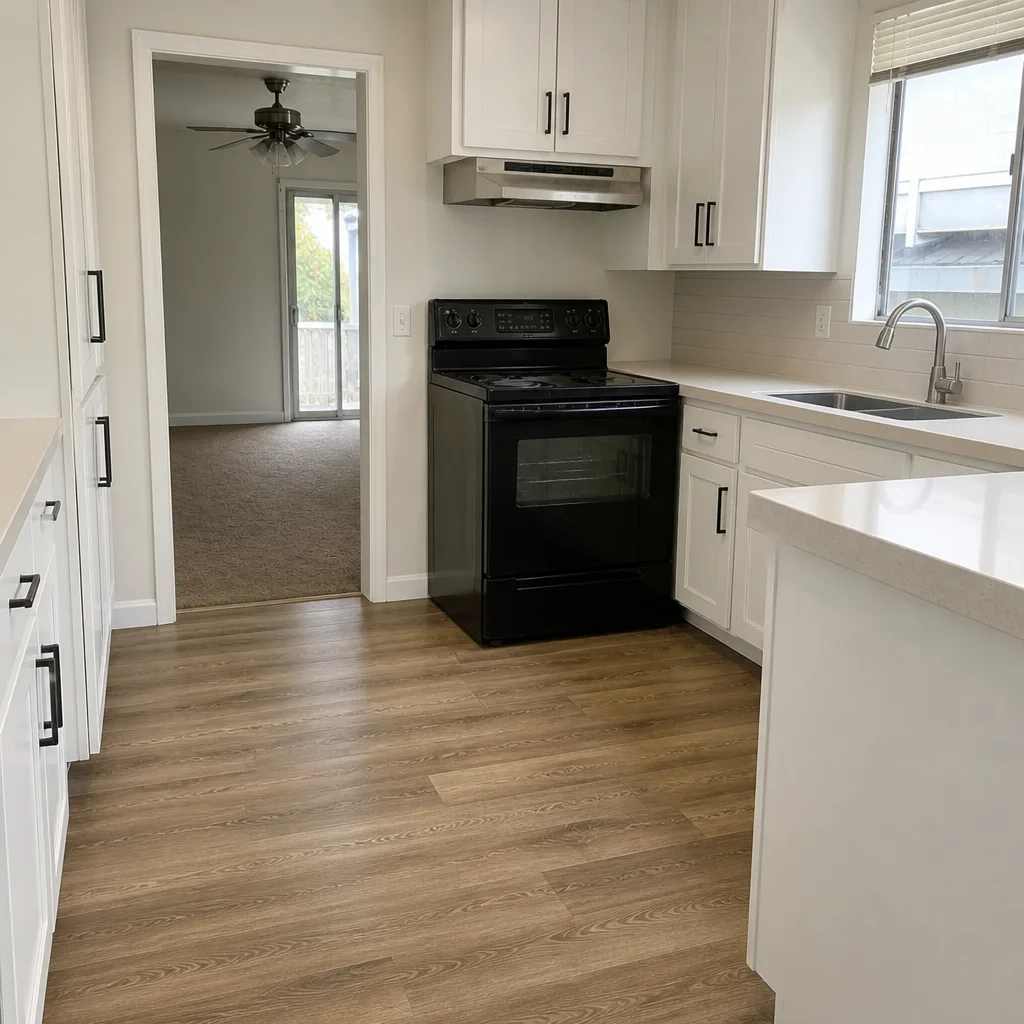 After
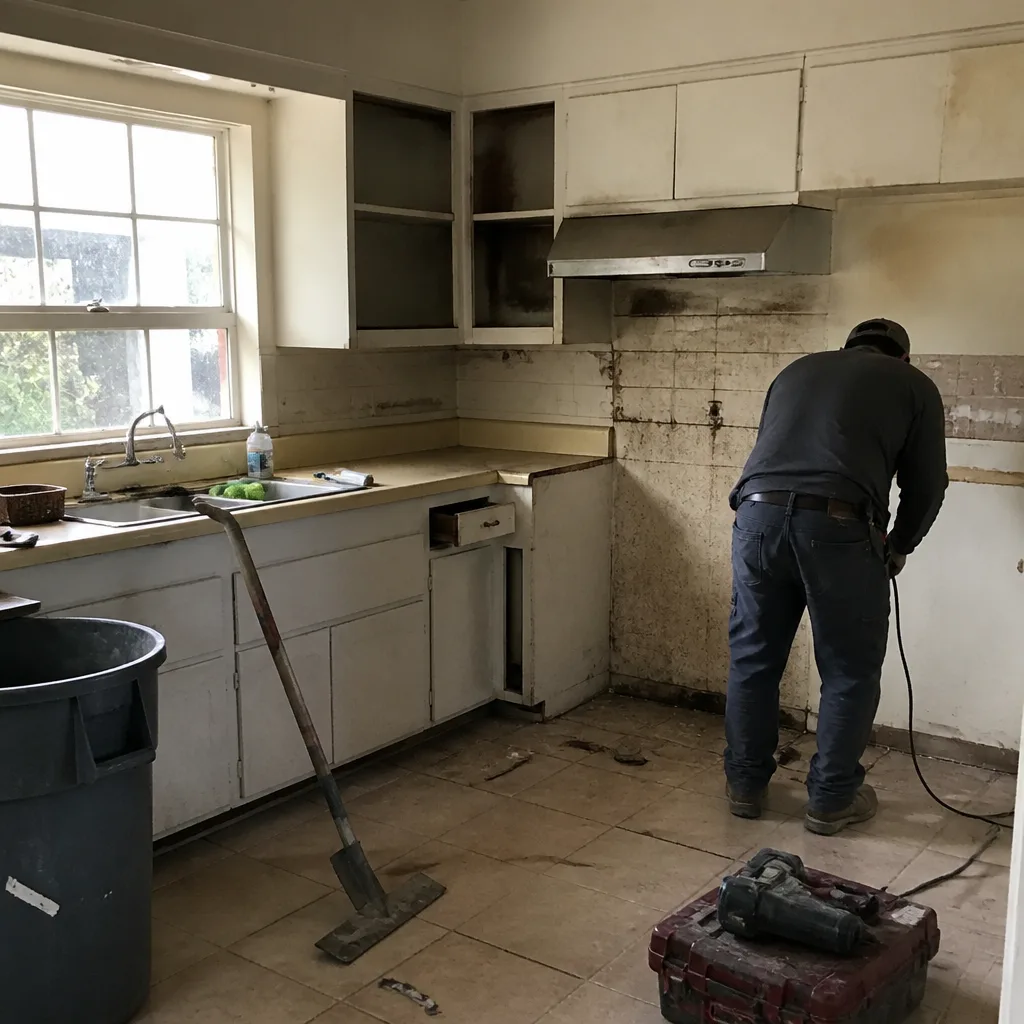 Before
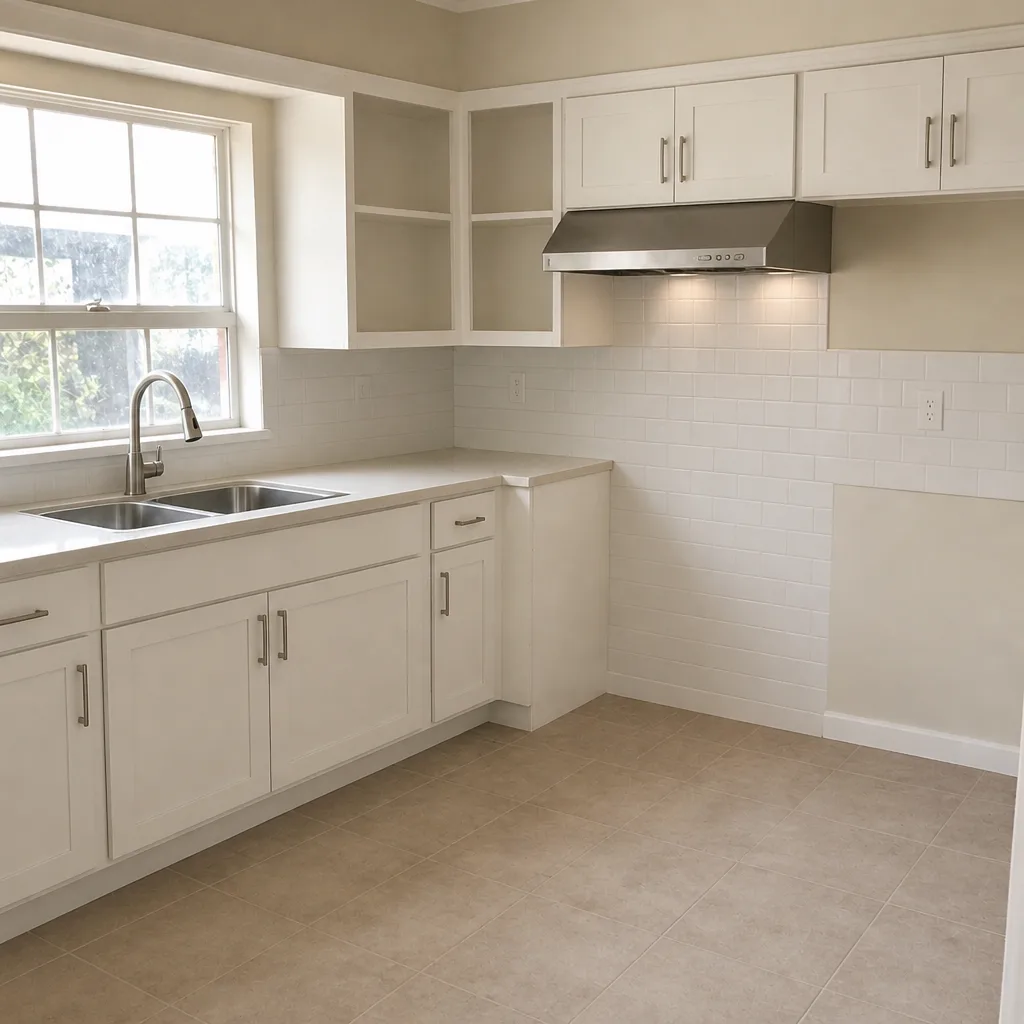 After
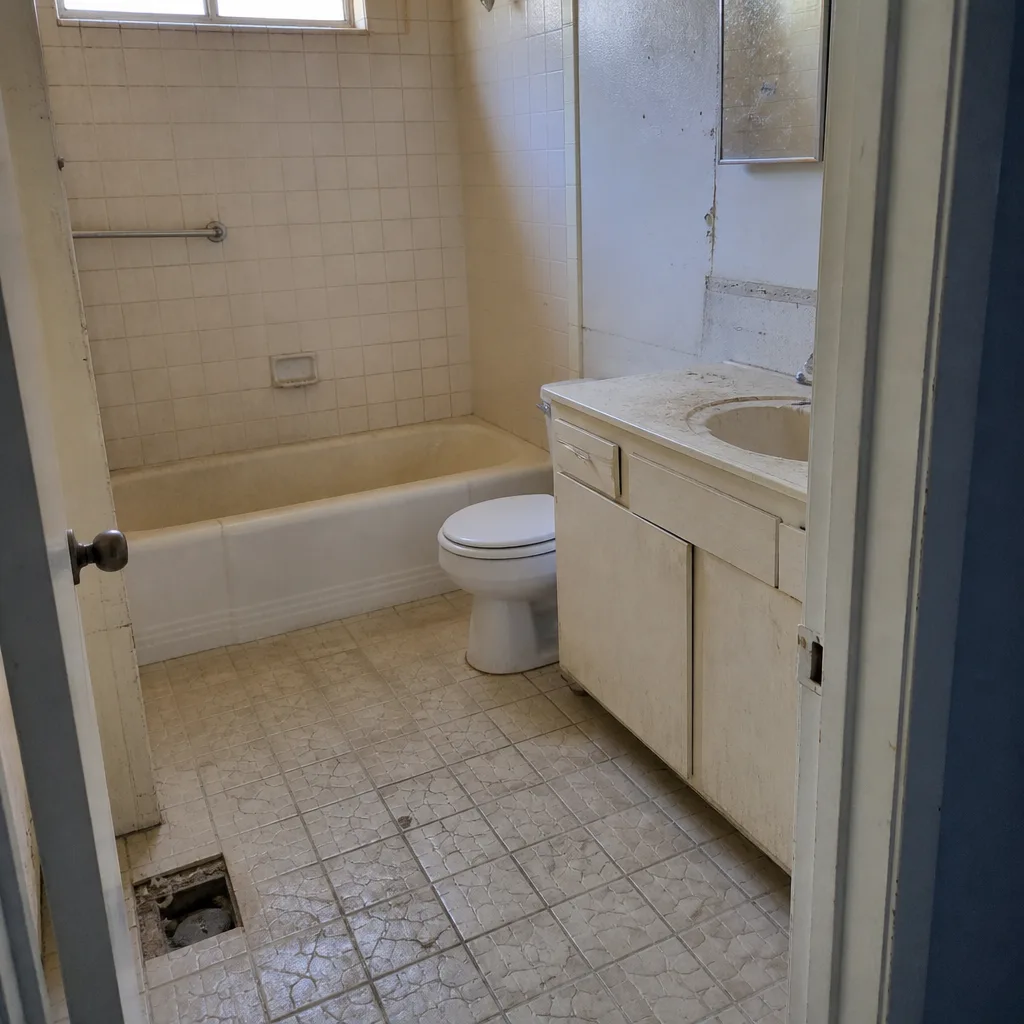 Before
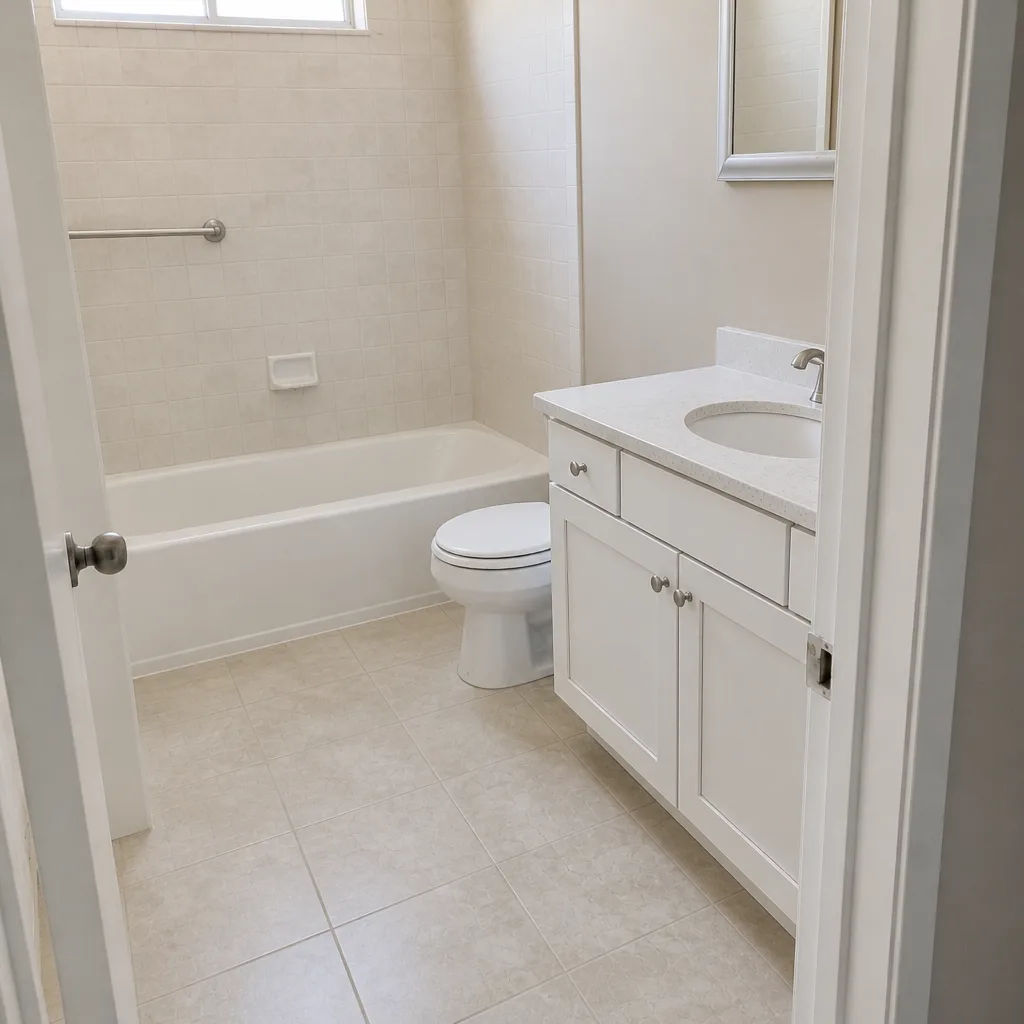 After
What Backsplash Installation Costs in Costa Mesa, CA – And Why Salt Air Changes the Spec
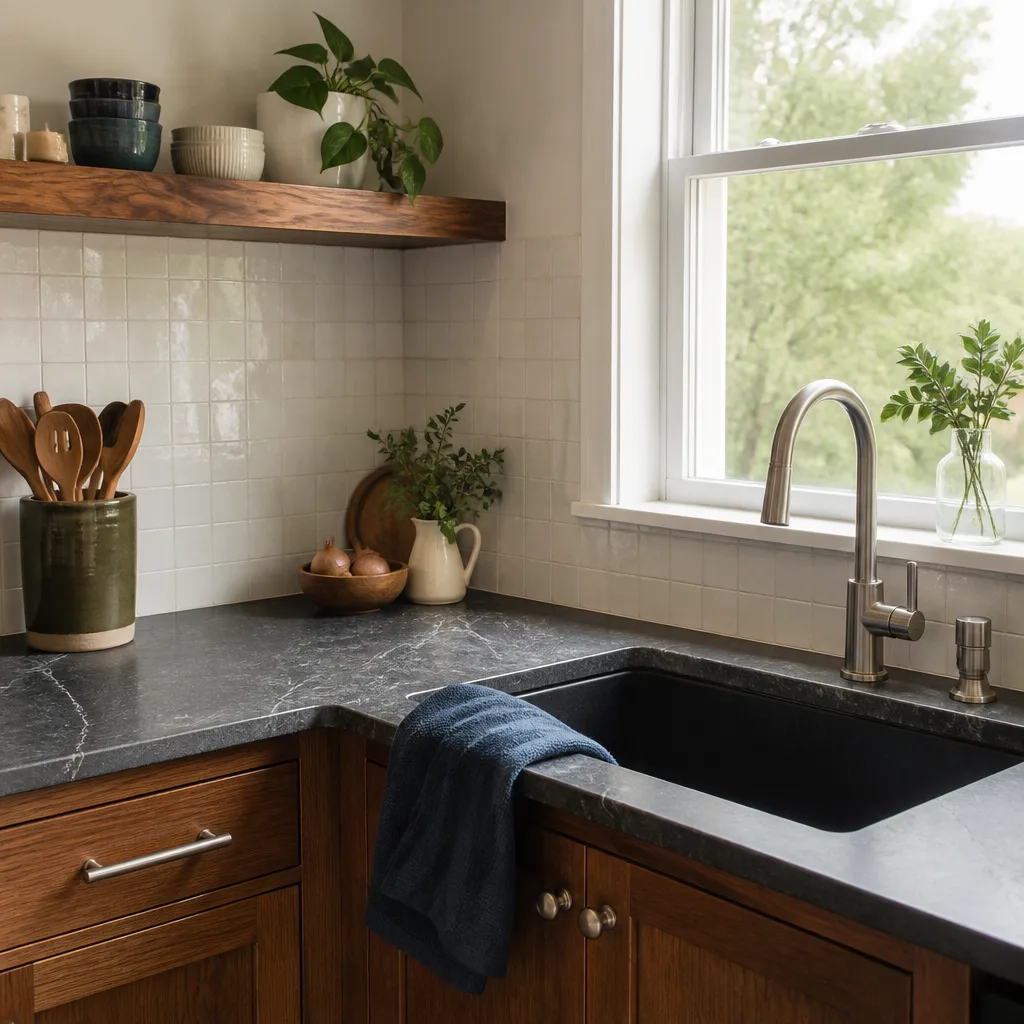
Backsplash installation in Costa Mesa runs $800 to $2,500 for a typical 30 square-foot kitchen wall, with most homeowners landing between $1,200 and $1,800 once trim and grout upgrades are counted. The driver isn’t the tile – it’s the corrosion spec. A tile job three blocks from Newport Bay is not the same as one in Riverside. Salt-laden onshore air will tell on your grout and your metal trim within two to three years unless it’s specified right from the start. Call (855) 659-2556 for a written, line-item price before any tile comes off the pallet.
Key Takeaways
- Standard installed backsplash: $800-$2,500 in Costa Mesa, depending on tile and wall condition.
- Corrosion-resistant spec (epoxy grout plus stainless trim) adds $150-$450 – and is what we quote as standard west of the 55 Freeway.
- Cement grout and aluminum trim degrade faster in salt air; stainless and epoxy hold a decade or more.
- Every material spec is documented in writing before work starts. No substitutions at the door.
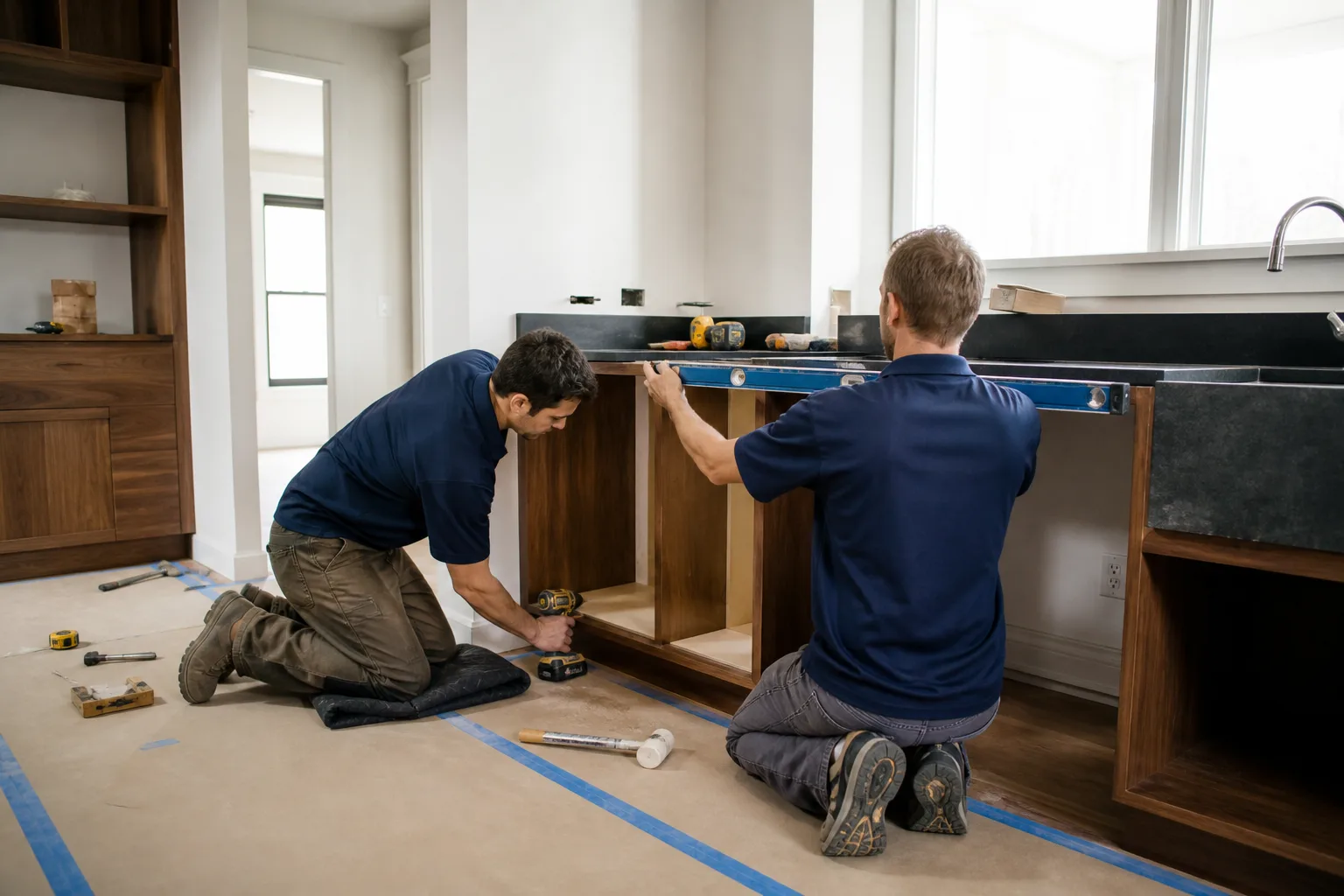
Why Salt Air Attacks a Backsplash Nobody Warned You About
The mechanism is boring and predictable. Marine air carries suspended salt inland from the Santa Ana River estuary and Newport Bay. That salt settles on the wall, wicks into the hairline cracks that form in cement-based grout as it cures, and sits against the tile adhesive and the metal trim edge. Over two to three summers the grout starts to chalk, the adhesive bond softens behind a few tiles, and aluminum trim oxidizes into a white, pitted film that no amount of scrubbing brings back. We see it constantly on the west side – the 1950s and ’60s tract homes between the 55 and the coast, where a previous owner’s $1,100 backsplash is already failing behind the range.
None of that happens inland. Drive to Riverside and the same tile and grout will last fifteen years without a thought. Here, the spec is the whole job.
Epoxy Grout vs. Cement Grout: The $150-$300 Decision
Unsanded cement grout is the default most bids carry. It’s cheap, it installs fast, and in a dry climate it’s fine. In coastal Costa Mesa it’s the weak link. Epoxy grout is non-porous – salt can’t wick in because there’s nowhere for it to go – and it holds its color instead of chalking to gray.
The cost difference is small against the total. Epoxy grout adds roughly $150 to $300 to a 30 square-foot kitchen backsplash. We spec it as standard anywhere in the coastal zone west of the 55 Freeway, and it’s included in every backsplash price we write. You’ll see the line item. You won’t see it buried.
One honest trade note: epoxy grout is harder to install – it sets faster, it’s less forgiving on a bad substrate, and it demands a clean, flat wall to bond correctly. That’s why the labor line runs higher. It also means a sloppy installer can make epoxy look worse than cement. The material spec and the installer’s discipline both matter, which is why every Bradford job is documented end to end through Kitchen Remodeling before a single bag is mixed.
Trim Metal: Why Aluminum Schluter Fails Here and Stainless Doesn’t
Trim is the second half of the corrosion equation, and it’s the piece most homeowners never think to ask about. Three options, three different lifetimes in salt air:
- Aluminum Schluter trim: the commodity choice. Lowest cost, but aluminum oxidizes fast in this microclimate – a chalky white film appears within two to three years, and the trim edge pits where it meets the grout.
- Stainless steel trim: adds roughly $80 to $180 to a typical job. Marine-grade corrosion resistance, holds appearance, and takes a sharp clean edge against tile that still looks right at year ten.
- PVC trim: the middle option. Won’t corrode, won’t pit, but it looks like plastic and won’t take a polished finish. Fine for a rental; not what most Eastside homeowners want in a kitchen they’re going to live in.
Every material spec – grout type, trim metal, tile brand, setting material – is written into the contract before work starts. You know exactly whether you’re getting corrosion-resistant stainless or commodity aluminum. No substitutions at the door, no “we ran short of the good stuff” call on install day. That’s The Garrison Standard applied to the smallest line item on the job.
What Backsplash Installation Costs in Costa Mesa – Full Price Table
These are installed prices for a typical 30 square-foot kitchen backsplash in Costa Mesa – tile, setting material, grout, trim and labor included. Larger walls, ranges with hood cutouts, and walls that need substrate repair (we hit unpermitted prior tile and old drywall backing regularly in the pre-1960s west-side tract homes) push toward the high end.
| Line Item | $ Low | $ High |
|---|---|---|
| Standard subway ceramic backsplash (30 sq ft installed) | $800 | $1,500 |
| Large-format porcelain (30 sq ft installed) | $1,300 | $2,200 |
| Mosaic tile (30 sq ft installed) | $1,500 | $2,500 |
| Epoxy grout upgrade (coastal spec) | $150 | $300 |
| Stainless trim upgrade (vs. aluminum) | $80 | $180 |
| Substrate repair / old tile removal | $200 | $600 |
| Per-square-foot installed (typical) | $27 | $83 |
Why Splashjobs on the West Side Come in Higher
Costa Mesa’s housing stock tells you what to expect when we open the wall. The 1950s and ’60s tract homes and dingbat apartments on the west and central sides regularly hide unpermitted prior additions and early galvanized plumbing under the same drywall a backsplash gets mounted to. When that’s the case, the change order gets written before demolition continues – not after.
The Eastside is different work. The ranch homes near the Upper Newport Bay bluffs are often mid-remodel when the backsplash goes in, and the 1920s bungalows around 19th Street need substrate repair on nearly every wall because the ceramic stock and wallboard are running on seventy-plus years. Substrate prep is the difference between a backsplash that lasts a decade and one that pops loose in year three, regardless of what the tile looks like.
Because the city is fully built out and landlocked, every backsplash job is infill work – tight lots, materials staged in the alley, dumpsters placed so they don’t cross a party line. We plan for that before the crew shows up, so the site runs quiet and the neighbor doesn’t end up on the phone with the city.
The Bradford Standard Before the First Tile Goes Up
Our technicians have up to 22 years of experience, and every crew arrives background-checked and uniformed – you know who’s walking through your door before they knock. Every job gets a written price before work starts. Every finished backsplash is covered by the 365-Day Done Right Promise: if the install fails inside that year, we come back and correct it at no charge. A live person answers the phone 24/7, not a voicemail box.
Tile and setting materials come from a documented roster, so specifications are traceable and quality isn’t left to guesswork. The same discipline carries across our kitchen work – cabinetry, surfaces, and finish details – which is why most backsplash clients start by looking at Kitchen Remodeling in Costa Mesa before they commit to a spec. It’s also why Bradford Remodeling Co Costa Mesa stays in front of the corrosion conversation from the first walkthrough, rather than discovering it during demolition.
FAQs
Backsplash installation in Costa Mesa runs $800-$2,500 installed for a typical 30 square-foot kitchen, with most jobs landing around $1,200-$1,800 once corrosion-resistant grout and trim are counted. Subway ceramic sits at the low end, mosaic at the high end. Call (855) 659-2556 for a written line-item price – estimates are free and the number doesn’t move.
Yes. Epoxy grout is the single most cost-effective upgrade on a Costa Mesa backsplash because it blocks the salt-wicking mechanism that fails cement grout within two to three years near Newport Bay. The $150-$300 upgrade buys you ten-plus years of grout life instead of three. We spec it as standard west of the 55 Freeway and it’s always itemized in the written price.
A standard 30 square-foot backsplash installs in one day for a straightforward wall, with the caveat that grout cures overnight and trim finishing touches happen the following morning. If substrate repair is needed after the old tile comes off – common in the 1920s bungalows around 19th Street – plan on a second day. Call (855) 659-2556 and we’ll give you an honest day count with the written price.
We quote stainless steel trim as the default on any job in the coastal zone because aluminum oxidizes and pits inside two to three years in salt-laden onshore air. The upgrade adds $80-$180 to a typical job. If you’d rather have aluminum or PVC, that’s your call – but you’ll see the difference written out before work starts, not after the trim is already glued up.
Get a Written Backsplash Price for Your Costa Mesa Kitchen
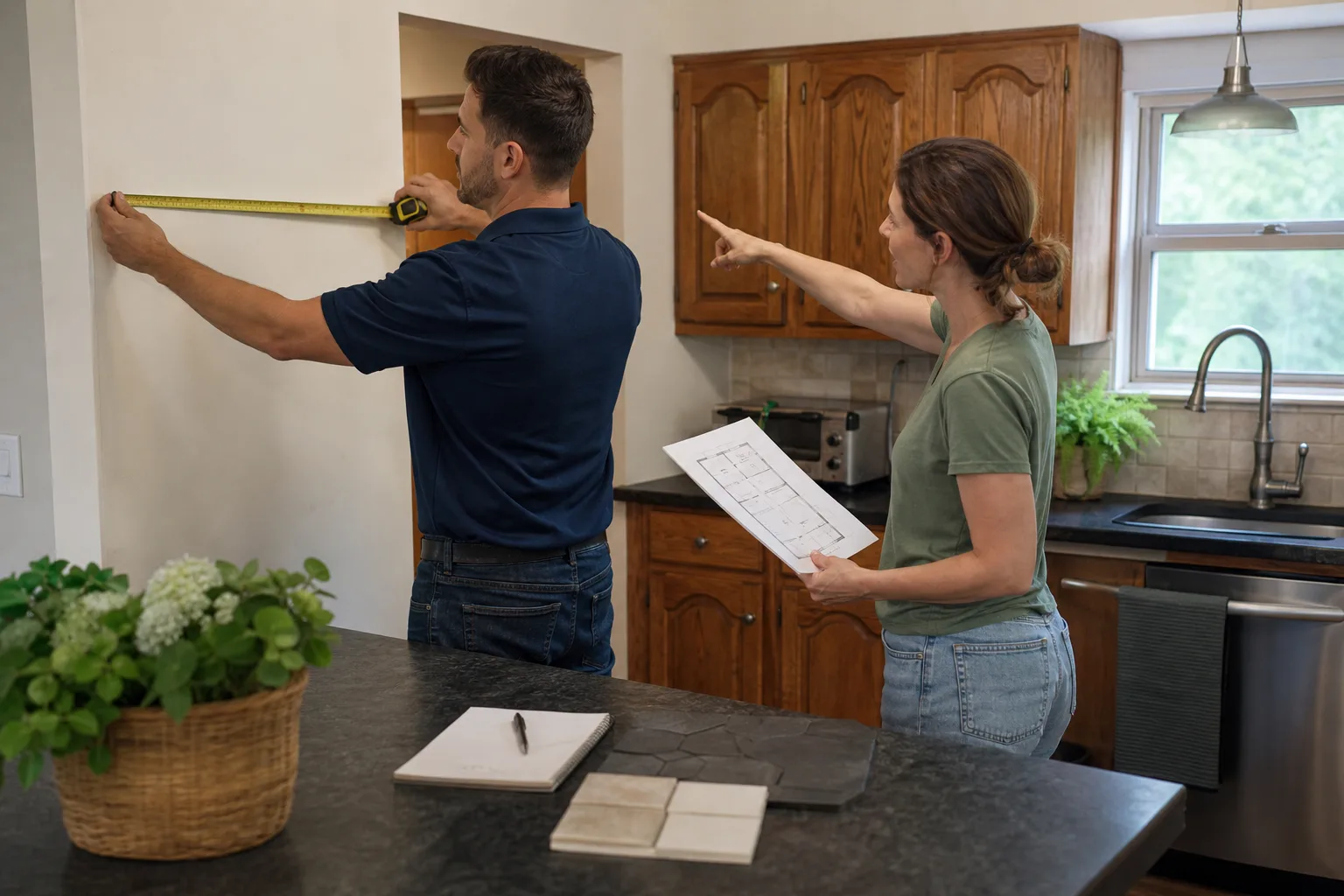
Call (855) 659-2556 for a free estimate. We’ll walk the wall, spec the grout and trim for salt air, and hand you a written, line-item price before work starts. Every install is covered by the 365-Day Done Right Promise. Live person answers, 24/7. Put the corrosion conversation on paper and let the crew handle the rest.
Written by the team at Bradford Remodeling Co Costa Mesa, serving Costa Mesa, CA.
What Our Customers Say
"Solid job. Small punch list items were done within a few days of the walkthrough."
- Beth K."Great work. Countertop install slipped by a week, but they explained and kept us informed."
- Nora L."Respectful crew. Covered the floors and swept every day."
- Jackie T.